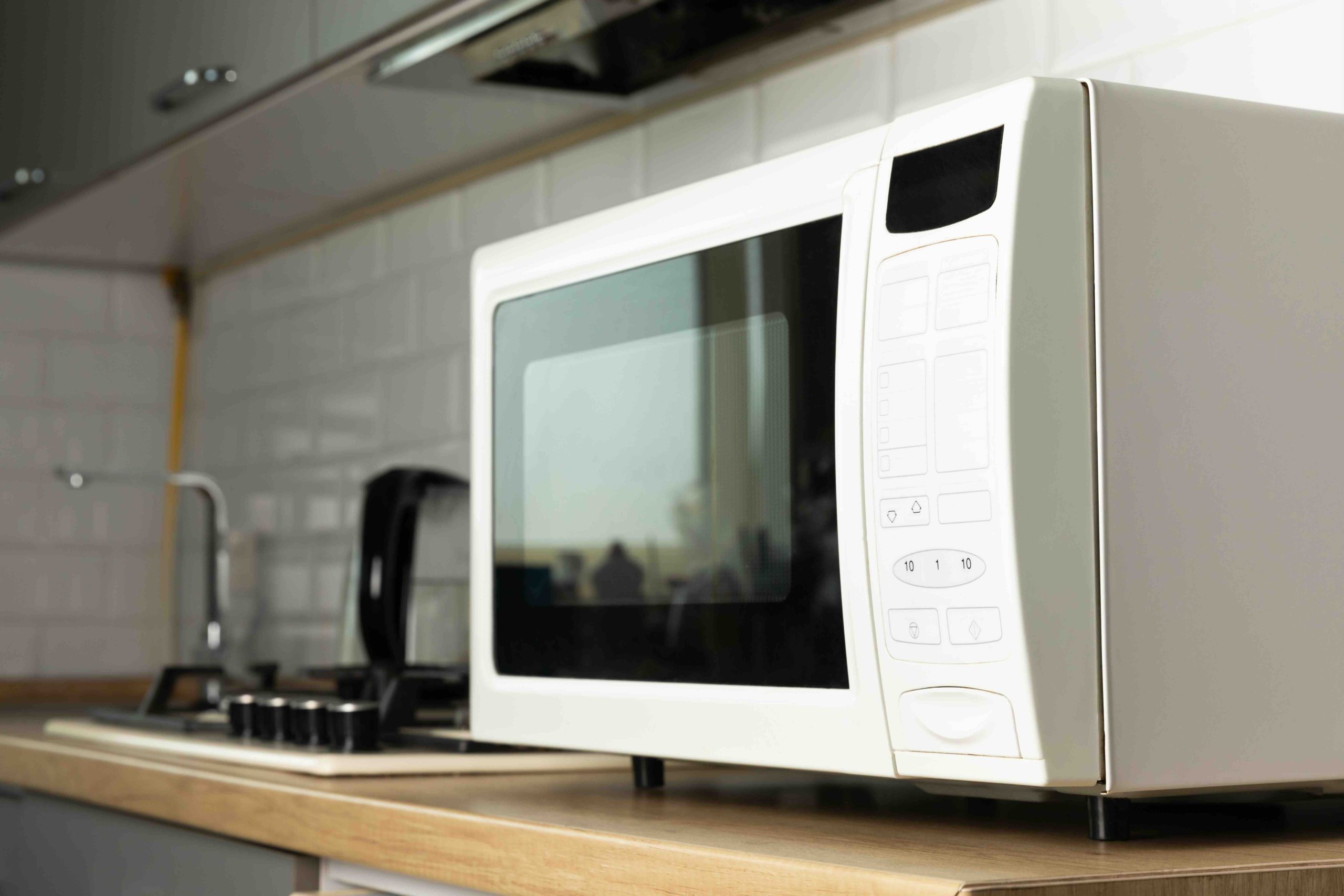
When Your Microwave Won’t Start: What’s Really Going On and What to Do Next
You press the start button. Nothing happens. No hum, no light, no rotating plate. Just silence. It is one of those small household moments that somehow feels disproportionately frustrating, especially when you are mid-meal prep and running on a schedule. A microwave that won’t start is more common than most homeowners realize, and the causes range from simple fixes to problems that genuinely require professional attention. Understanding what is going on under the hood can save you time, money, and a lot of unnecessary guesswork.
How a Microwave Actually Works
Before troubleshooting anything, it helps to understand the basics. A microwave oven uses electromagnetic radiation in the microwave frequency range to heat food. When you press start, the appliance draws power, activates a magnetron (the component that generates microwaves), and begins cycling energy into the cooking cavity. That energy excites water molecules in your food, which generates heat from the inside out. The door latch, control panel, internal fuses, and thermal protectors all have to be working in coordination for the unit to function. If any single component in that chain fails, the microwave will not start, even if everything else is perfectly fine. That is why diagnosing a microwave that won’t start is not always straightforward.
The Most Common Reasons a Microwave Won’t Start
There are several reasons a microwave refuses to start, and not all of them indicate a serious problem. Ruling out the obvious culprits first is always the smart move before assuming the appliance is done for good.
- The door latch or door switches are not engaging properly, which prevents the unit from powering on as a safety measure
- A blown internal fuse has cut power to the appliance entirely
- The control panel or touchpad is unresponsive due to a software glitch or physical damage
- The outlet or circuit breaker supplying power to the microwave has tripped or failed
- The thermal cutout has activated due to overheating, temporarily disabling the unit
- The magnetron or capacitor has failed, which are more serious internal component issues
Walking through this list systematically is the best way to narrow down what you are actually dealing with. Start with the simplest explanations before moving toward the more complex ones.
Start With the Simple Stuff First
Before calling anyone or assuming the worst, check the power source. Plug something else into the same outlet to confirm it is live. Check your home’s circuit breaker panel and look for any tripped breakers, particularly if the microwave is on a dedicated circuit. If the breaker tripped, reset it once and see if the microwave responds. You should also look closely at the door. Microwaves are designed with multiple door interlock switches, and if the door is not closing completely or the latch is worn, the appliance will refuse to operate. Try opening and firmly closing the door again. It sounds almost too simple, but it resolves the issue more often than you would think.
What the Door Switches Are Actually Doing
The door interlock system on a microwave is a genuine safety mechanism, not just a design quirk. Microwave radiation exposure is harmful to humans, so manufacturers build in multiple switches that physically prevent the magnetron from activating unless the door is fully sealed. Most microwaves have two to three of these switches working in sequence. If any one of them fails or is slightly misaligned, the microwave will not start. A failed door switch is actually one of the top reasons for a microwave that appears completely dead. This is a repair that involves working inside the appliance where high-voltage components are present, so it is not a DIY situation for most homeowners.
Internal Fuses and Why They Blow
A microwave contains one or more internal ceramic fuses that protect the unit from power surges and electrical faults. When one of these fuses blows, the microwave loses power entirely and will not respond to any input. Fuses blow for a few reasons: a sudden power surge, a failing door switch that causes arcing, or a component like the magnetron drawing too much current. Replacing a fuse sounds simple, but accessing it requires disassembling the appliance and working near a capacitor that can retain a lethal electrical charge even when the unit is unplugged. This is not a repair to take lightly. A qualified appliance technician should handle anything that involves opening the microwave cabinet.
Control Panel and Touchpad Failures
Modern microwaves rely heavily on electronic control boards and membrane touchpads. Over time, these components can fail due to moisture exposure, age, or manufacturing defects. If your microwave has power (the light comes on, the clock displays) but pressing start does nothing, the issue could be with the touchpad membrane or the main control board. Sometimes a full power reset fixes the problem. Unplug the microwave for a full minute, then plug it back in and try again. If the touchpad is unresponsive after a reset, the control board likely needs replacement, which is a moderate to expensive repair depending on the brand and model.
When the Magnetron or Capacitor Is the Problem
If the microwave starts but does not heat, or makes unusual sounds and then shuts off, the magnetron or high-voltage capacitor may be failing. These are the most significant internal components of the appliance, and replacing them is both technically complex and potentially expensive. In many cases, the repair cost for a magnetron replacement approaches or exceeds the cost of a new microwave, particularly for older units. It is worth getting a repair estimate before committing to any major component replacement, and comparing that figure to current replacement costs for a comparable model.
Repair or Replace: How to Think Through the Decision
The general rule of thumb in appliance repair is the 50 percent rule: if the repair cost exceeds 50 percent of the cost of a new appliance, replacement is usually the more financially sound decision. Microwaves are relatively affordable to replace compared to other major appliances, which means even moderate repairs can tip the scale toward buying new. However, if the microwave is a built-in or over-the-range model, replacement involves installation costs and potentially cabinetry work, which shifts that equation. Factor in the age of the unit as well. A microwave that is less than five years old and fails may be worth repairing. One that is eight or more years old is likely approaching the end of its useful life anyway.
Why a Home Warranty Can Make This Much Easier to Navigate
Dealing with a microwave that won’t start is one of those situations where having a home warranty already in place makes an enormous difference. Rather than scrambling to find a qualified technician, negotiating repair costs, or absorbing an unexpected expense out of pocket, a home warranty covers eligible appliance breakdowns and connects you with a vetted service provider. Armadillo home warranty plans for kitchen appliances and home systems are built for exactly these moments. Appliance failures are rarely predictable, and a microwave dying on a random Tuesday is not something most budgets account for in real time. With Armadillo, covered repairs are handled through a straightforward process, so you are not left doing research under pressure. If you want protection against the next unexpected appliance failure before it happens, you can get a free home warranty quote to cover microwave and appliance breakdowns in just a few minutes. It is the kind of coverage that quietly does its job until you actually need it, and then it genuinely earns its keep.

Frequently Asked Questions About a Microwave That Won’t Start
Here are answers to the questions homeowners ask most often when their microwave stops working.
Why is my microwave completely dead with no power at all?
A completely unresponsive microwave is most often caused by a tripped circuit breaker, a failed wall outlet, or a blown internal fuse. Check the power source first, then consider having an appliance technician inspect the internal fuse if the outlet is functioning normally.
Can a microwave door sensor cause it not to start?
Yes. Microwave door interlock switches are a leading cause of startup failure. If one or more of the door switches is worn, misaligned, or broken, the microwave’s safety system will prevent it from running entirely.
Is it safe to try to fix a microwave myself?
Basic checks like testing the outlet or resetting the breaker are safe for homeowners. However, opening the microwave cabinet exposes you to high-voltage components, including a capacitor that can retain dangerous charge even when the unit is unplugged. Internal repairs should be handled by a qualified technician.
How do I reset a microwave that won’t start?
Unplug the microwave from the outlet and leave it disconnected for at least 60 seconds. Then plug it back in and test it. This power cycle can clear temporary software glitches or control board errors that prevent startup.
How long should a microwave last before needing replacement?
The average lifespan of a microwave is approximately nine to ten years. Countertop models often fall closer to seven to eight years with regular use, while over-the-range models may last slightly longer depending on the brand and usage frequency.
Does a home warranty cover microwave repairs?
Many home warranty plans include kitchen appliances such as microwaves, particularly built-in or over-the-range models. Coverage specifics vary by plan and provider, so reviewing what is included before a failure occurs is always the better approach.
What does it mean when a microwave hums but won’t heat?
A microwave that runs but produces no heat typically indicates a failing magnetron, a faulty diode, or a defective capacitor. These are internal, high-voltage components that require professional diagnosis and repair.
Why does my microwave start and then immediately stop?
This behavior is often caused by a faulty door switch, a thermal cutout that is tripping due to overheating, or a failing control board. If the unit repeatedly shuts itself off within seconds of starting, a technician should evaluate the door interlock system and internal safety components.
Can a power surge cause a microwave to stop working?
Yes. A power surge can blow the internal fuse or damage the control board, causing the microwave to become unresponsive. Using a surge protector with kitchen appliances is a reasonable preventive measure, though built-in and over-the-range microwaves are typically hardwired or outlet-mounted without easy access to surge protection.
Is it worth repairing an older microwave or should I just replace it?
If the repair cost exceeds half the price of a comparable new unit, replacement is generally the smarter financial decision. For built-in models where installation adds to replacement costs, a repair estimate from a qualified technician is worth getting before deciding.