What Does a New HVAC System Actually Cost — And Is It Worth It?
So your HVAC system has finally given up. Or maybe it’s still running, but the repair bills are piling up and the technician keeps giving you that look — the one that says “you really should just replace this thing.” Either way, you’re now staring down the cost of a new HVAC system and trying to figure out if the numbers make sense. The short answer is that yes, a new HVAC system is a significant investment, but understanding what drives the cost can help you approach this decision with clarity instead of dread. Let’s break it all down.
What Is an HVAC System and Why Does It Matter So Much
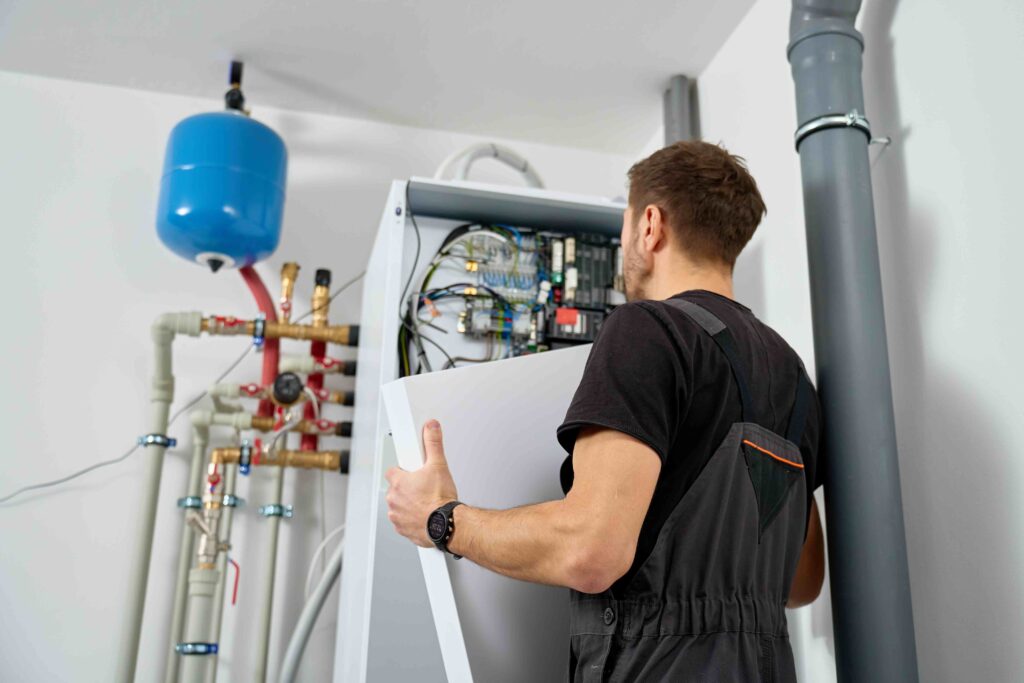
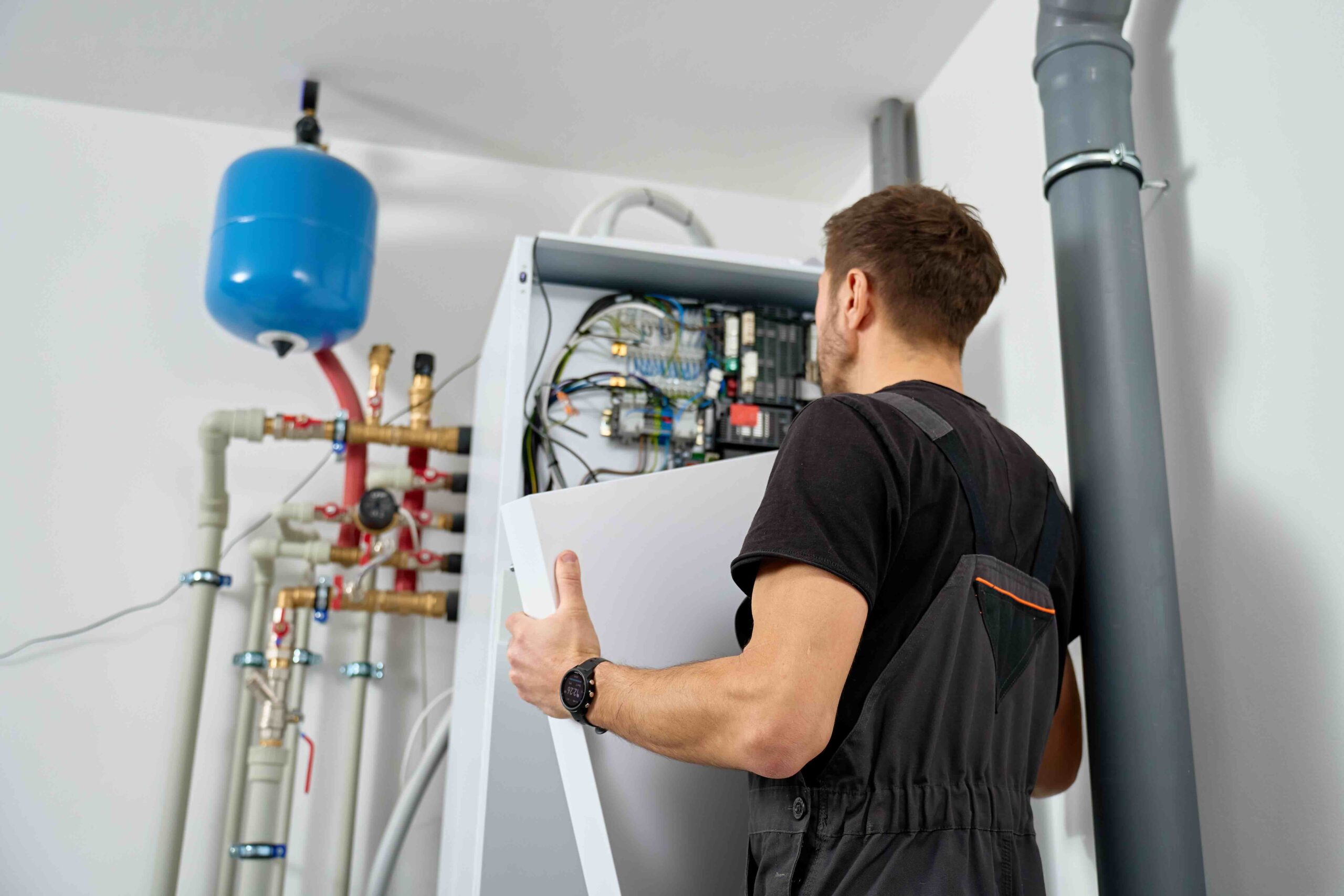
HVAC stands for heating, ventilation, and air conditioning — and collectively, it refers to the system responsible for regulating your home’s temperature, humidity, and air quality year-round. Most residential HVAC systems include a furnace or air handler, a central air conditioner or heat pump, ductwork, a thermostat, and a variety of filters and components that keep everything running efficiently. It’s not a glamorous system by any stretch, but it’s arguably the hardest-working infrastructure in your home. When it fails in the middle of a heat wave or a cold snap, you feel it immediately — and so does your wallet.
How Much Does a New HVAC System Cost in 2026
This is the question everyone wants answered, and the honest response is that it depends on several variables. On average, homeowners in the United States can expect to pay between $5,000 and $12,500 for a complete HVAC system replacement, including equipment and installation. However, costs can climb significantly higher — sometimes reaching $15,000 to $20,000 or more — depending on the size of your home, the type of system, your geographic location, and the complexity of the installation. A basic single-stage central air and gas furnace combo for a mid-sized home typically lands in the $6,000 to $10,000 range when all is said and done. High-efficiency systems with advanced features push that number higher, while smaller homes or simpler setups may come in under the average.
Key Factors That Influence HVAC Replacement Pricing
Understanding the cost breakdown helps remove some of the mystery from contractor quotes. Several elements contribute to the final price you’ll see on an estimate.
- System type: Central air conditioners, heat pumps, ductless mini-splits, and geothermal systems all carry different price points. Heat pumps, for example, are increasingly popular but tend to cost more upfront than traditional split systems.
- SEER2 rating: This is the efficiency rating for cooling systems. Higher SEER2 ratings mean better energy efficiency — and a higher purchase price. Federal regulations now require minimum efficiency thresholds, which has nudged baseline costs upward.
- Home size and ductwork condition: Larger homes need larger units, and if your existing ductwork is damaged, leaky, or improperly sized, those repairs add to the total.
- Labor and regional costs: Installation labor varies widely by region. Urban markets and areas with high demand typically cost more.
- Brand and warranty: Premium brands with longer manufacturer warranties generally carry a higher price tag, though that often reflects durability.
The Advantages of Replacing an Aging HVAC System
There’s a reason HVAC contractors aren’t just trying to upsell you when they recommend a full replacement. A newer system delivers genuine, measurable benefits that go beyond just reliable temperature control. Modern HVAC equipment is significantly more energy-efficient than systems manufactured even a decade ago, which translates directly to lower monthly utility bills. Many homeowners report energy savings of 20 to 40 percent after replacing an older unit with a high-efficiency model. Beyond cost savings, newer systems offer improved air quality through better filtration, more precise humidity control, and quieter operation. Smart thermostat compatibility, zoning options, and variable-speed motors give modern systems a level of comfort control that older equipment simply cannot match.

The Drawbacks and Hidden Costs to Keep in Mind
A new HVAC system is not without its complications. The upfront cost is the most obvious hurdle, and financing options — while widely available — come with interest charges that increase your total spend. Installation disruption is another factor, particularly if ductwork modifications are needed. Some homeowners also discover that their home has underlying issues, like poor insulation or air sealing problems, that a new HVAC system alone cannot fix. Replacing the equipment without addressing those issues can mean the new system underperforms and fails to deliver the energy savings you were promised. It is also worth noting that installation quality matters enormously — an improperly installed system will underperform and wear out faster regardless of its efficiency rating.
How to Choose the Right HVAC System for Your Home
Start with a proper load calculation — this is a technical assessment that determines how much heating and cooling capacity your home actually requires. Oversized systems short-cycle, meaning they turn on and off too frequently, which wastes energy and causes premature wear. Undersized systems run constantly and never quite reach the desired temperature. A qualified HVAC contractor should always perform this calculation before recommending equipment. From there, consider your climate, your existing ductwork, your budget, and how long you plan to stay in the home. If you’re in a moderate climate and planning to sell in a few years, a mid-range system may be the smart call. If you’re settling in for the long term, the return on a high-efficiency system becomes more compelling over time.
HVAC Financing, Rebates, and Incentive Programs
The good news is that financial assistance for HVAC upgrades has never been more accessible. The Inflation Reduction Act extended and expanded federal tax credits for high-efficiency heat pumps, central air conditioners, and related equipment. Depending on the system and your eligibility, you may qualify for a credit of up to $2,000 for heat pumps or $600 for other qualifying systems. State-level rebate programs, utility company incentives, and manufacturer rebates can layer on top of federal credits, meaningfully reducing your out-of-pocket cost. Many HVAC contractors also offer promotional financing with deferred interest or low monthly payments. Just read the fine print — deferred interest promotions can backfire if the balance isn’t paid in full before the promotional period ends.
When Repair Makes More Sense Than Replacement
Not every HVAC problem calls for a full system replacement. The general industry guideline is to consider replacement when the cost of a repair exceeds 50 percent of the system’s value, or when the unit is more than 10 to 15 years old and repairs are becoming frequent. Refrigerant leaks, compressor failures, and heat exchanger cracks are among the more serious issues that often tip the scale toward replacement. Minor repairs — a failing capacitor, a dirty evaporator coil, a malfunctioning thermostat — are usually worth addressing without replacing the entire system. Keeping a maintenance log and scheduling annual tune-ups helps you track patterns and make more informed decisions before a crisis forces your hand.
Why a Home Warranty Makes Sense After an HVAC Investment
Here’s the part that often gets overlooked in the excitement — or stress — of installing a new HVAC system. Even the best equipment can experience component failures outside of the manufacturer warranty period, and repair costs for major HVAC components remain high regardless of how new the system is. That’s where a home warranty earns its place. Armadillo home warranty coverage for HVAC systems is designed to protect homeowners from the kind of unexpected repair bills that show up at the worst possible time — when the system is running hard during peak season and something gives way. With transparent coverage terms, a straightforward claims process, and plans built around the real costs of homeownership, Armadillo takes the guesswork out of what happens when your equipment needs attention after installation. If you just made a major investment in your home’s comfort, protecting it makes practical sense. Get a free HVAC home warranty quote and see your coverage options today — it takes about two minutes and gives you a clear picture of what protection looks like for your specific home.

Frequently Asked Questions About New HVAC System Costs
These are the questions homeowners ask most often when navigating the cost and process of replacing an HVAC system.
What is the average cost to replace a full HVAC system in 2026?
The national average for a complete HVAC system replacement, including equipment and installation, ranges from $5,000 to $12,500. High-efficiency systems or larger homes can push the total to $15,000 or more.
How long does a new HVAC system last?
Most modern HVAC systems have a lifespan of 15 to 20 years with proper maintenance. Heat pumps typically last 15 years, while gas furnaces can reach 20 years or longer under good conditions.
Is a heat pump cheaper than a traditional HVAC system?
Heat pumps generally cost more upfront than traditional split systems, but they provide both heating and cooling from a single unit and can deliver lower operating costs over time, especially in moderate climates.
Does a new HVAC system increase home value?
Yes, a new HVAC system is considered a valuable upgrade by home buyers and appraisers. It signals reduced near-term maintenance costs and improved energy efficiency, both of which positively influence buyer perception and resale value.
What SEER2 rating should I look for in a new air conditioner?
The federally required minimum SEER2 rating varies by region, but most experts recommend at least a 16 SEER2 rating for a balance of efficiency and cost. Higher ratings offer better savings but increase the purchase price.
Are there federal tax credits available for HVAC replacements?
Yes. Under current federal law, homeowners may qualify for tax credits of up to $2,000 for qualifying heat pump installations and up to $600 for other high-efficiency HVAC equipment. Eligibility depends on equipment type and efficiency levels.
How long does it take to install a new HVAC system?
A standard HVAC replacement typically takes one full day, usually four to eight hours. More complex installations involving ductwork modifications or new system configurations may require two days.
Should I replace my furnace and air conditioner at the same time?
In most cases, yes. Replacing both units simultaneously ensures compatibility, improves efficiency, and reduces the labor costs of two separate installations. Mismatched components can compromise system performance and void warranties.
Does a home warranty cover a new HVAC system?
Home warranty plans typically cover mechanical failures in HVAC systems that result from normal wear and tear. Coverage details vary by provider, so it is important to review what components are included and whether there are any age restrictions or installation requirements.
How do I know if I need a new HVAC system or just a repair?
If your system is more than 12 to 15 years old, requires frequent repairs, or if a single repair estimate exceeds half the system’s replacement value, replacement is usually the more cost-effective path. A licensed HVAC technician can assess your specific situation and provide an honest recommendation.