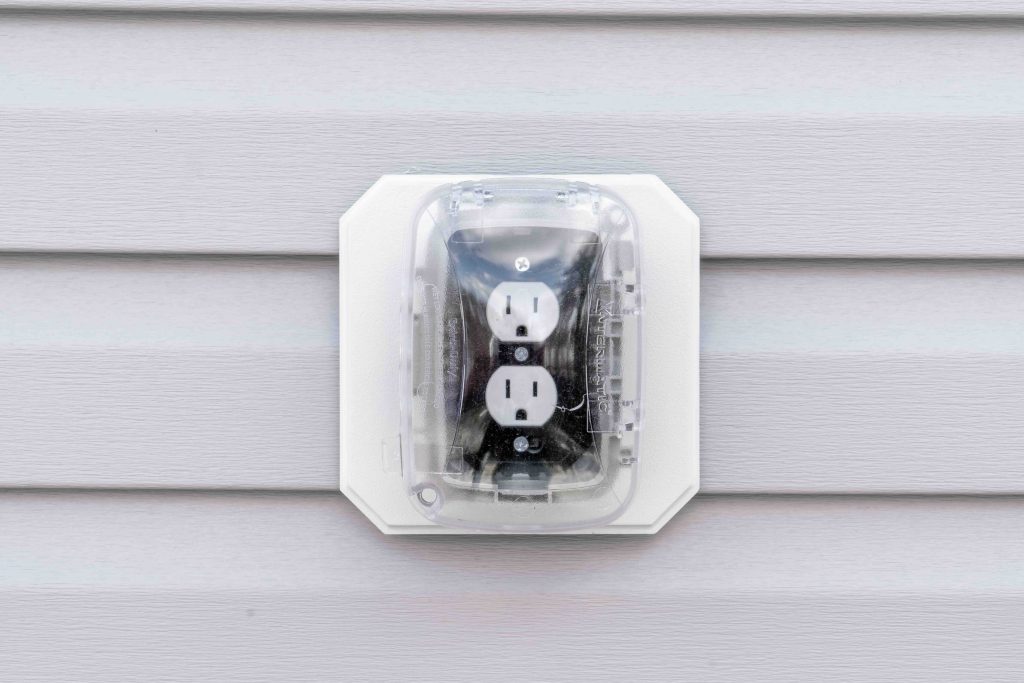
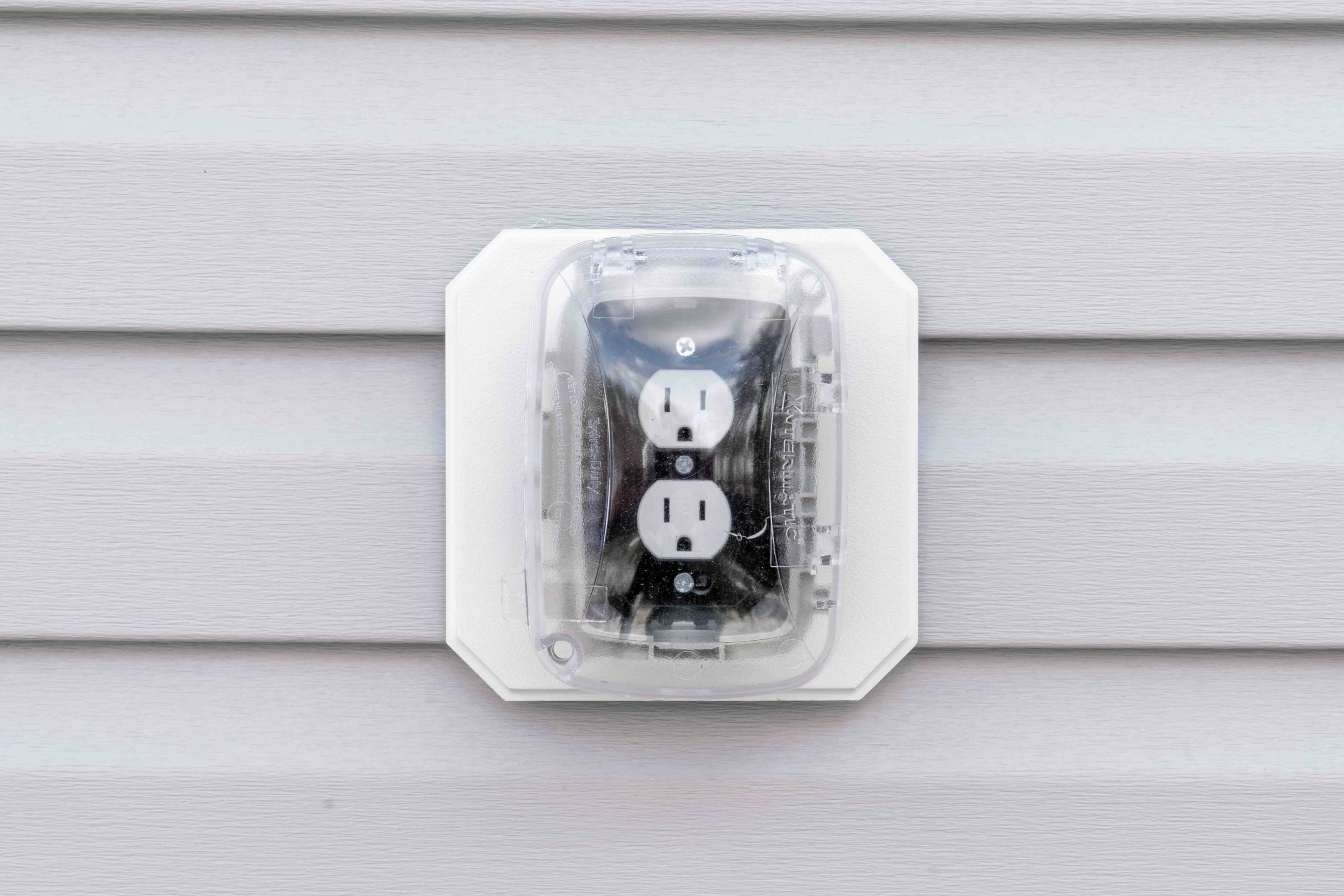
What Is an Outdoor Electrical Outlet with Cover and Why Does Your Home Need One?
If you have ever wanted to plug in string lights for a backyard gathering, run a power tool in the driveway, or charge something on the porch without dragging an extension cord through a window, then you already understand the value of an outdoor electrical outlet. But not all exterior outlets are created equal. The kind that actually matters for safety and code compliance is one that is grounded and fitted with a weather-resistant cover. This combination is not just a convenience feature. It is a critical layer of protection between your home and some genuinely serious electrical hazards.
How an Outdoor Electrical Outlet Actually Works
An outdoor electrical outlet functions the same way an indoor outlet does at its core. It receives power from your home’s electrical panel through a circuit, and that power becomes available whenever you plug something in. The difference is in how it is built to handle exposure to the elements. Outdoor outlets are typically rated GFCI, which stands for Ground Fault Circuit Interrupter. This built-in mechanism monitors the flow of electricity and cuts power almost instantly if it detects an imbalance that could indicate a ground fault or a shock risk. That response time, measured in milliseconds, is fast enough to prevent serious injury. The grounding component of the outlet provides a safe path for excess electricity to travel into the earth rather than through a person or a device. The cover, often spring-loaded and made of durable plastic or metal, keeps moisture, debris, and insects out when the outlet is not in use. Some covers are rated for use while cords are plugged in, and those are typically labeled as in-use or while-in-use covers.
The Grounding Factor: Why It Matters More Than You Think
Grounding is one of those electrical concepts that gets glossed over because it sounds technical, but it is actually pretty straightforward when you break it down. An ungrounded outlet has only two slots. A grounded outlet has three, and that third slot is connected to a wire that runs to the ground. If a fault occurs and electricity goes somewhere it should not, the grounding wire gives it a controlled place to go. Without that path, the energy can arc, cause a fire, damage electronics, or travel through a person. Outdoors, where moisture is always a variable, having a grounded outlet is not optional if you want your setup to meet current electrical codes. Most modern homes already have grounded outlets inside, but older homes sometimes still have ungrounded two-prong outlets on exterior walls, which is worth checking if your house was built before the 1960s.

Key Advantages of Installing a Covered, Grounded Outdoor Outlet
There are several reasons homeowners prioritize this upgrade, and they go well beyond simple convenience. Understanding the benefits helps clarify why this is considered a standard rather than an optional feature in modern residential electrical work.
- Improved safety through GFCI protection and grounding reduces the risk of electrical shock in wet or outdoor conditions
- Weather-resistant covers protect the outlet from rain, snow, humidity, and physical debris
- Code compliance is typically required for any outdoor outlet in new construction or permitted renovation projects
- Increased home value because buyers and inspectors look for properly installed exterior electrical access points
- Versatility for landscaping tools, outdoor lighting, holiday decorations, power equipment, and more
- Reduced fire risk by ensuring electrical loads are handled by a properly rated and protected outlet
Common Drawbacks and Limitations to Know Before You Commit
No home feature is without its trade-offs, and outdoor electrical outlets are no exception. Installation costs can be significant if your panel needs an additional circuit or if the outlet needs to be placed far from existing wiring. In some cases, running conduit through exterior walls or underground can add labor hours quickly. The covers, while designed for durability, can crack over time in extreme cold or become brittle from prolonged UV exposure. GFCI outlets can also trip unexpectedly, especially in very humid conditions or when used with older or poorly insulated power cords. This can be frustrating mid-project. Additionally, some homeowners underestimate how important it is to hire a licensed electrician for this work. DIY electrical work on exterior outlets often fails inspection and can void homeowner’s insurance coverage in the event of a related incident.
Where Should Outdoor Outlets Be Located?
Placement is more strategic than most people initially realize. The National Electrical Code provides guidance on where exterior outlets must be installed in residential properties, and most local codes follow those requirements closely. Generally, a home should have at least one outlet in the front and one in the rear, mounted at a height that keeps them accessible but protected from ground-level moisture. Covered patios, garages, decks, and outbuildings often benefit from dedicated circuits rather than sharing an existing line. If you are planning any kind of outdoor living space, entertainment area, or workshop setup, thinking through outlet placement before construction begins will save time, money, and wall patching later.
Maintenance Tips to Keep Your Outdoor Outlet in Good Shape
Outdoor outlets require a bit more attention than their indoor counterparts, mostly because they deal with conditions that indoor outlets never encounter. Routine checks go a long way in preventing issues before they escalate.
- Test your GFCI outlet monthly using the test and reset buttons to confirm it is functioning correctly
- Inspect the cover for cracks, warping, or damage at the start of each season, especially after winter
- Clear any dirt, spider webs, or debris that may have accumulated around the outlet box
- Check that the weatherproof gasket behind the cover plate is still intact and creating a proper seal
- Look for signs of corrosion on the outlet prong slots, which can indicate moisture intrusion
- Do not use extension cords as a permanent solution routed through the cover, as this defeats the weatherproofing
When to Call a Licensed Electrician
There is a useful rule of thumb in home maintenance: if you are dealing with anything that involves the electrical panel or wiring behind walls, call a professional. Installing a new outdoor outlet, especially one that requires running a new circuit, is not a beginner DIY project. Even replacing an existing GFCI outlet can have nuances if the wiring is older or if the outlet is serving as protection for downstream outlets on the same circuit. A licensed electrician will ensure the installation meets local code, passes inspection, and is safe for long-term use. The upfront cost of doing it right is almost always less than dealing with the fallout of an installation that fails inspection or, worse, causes damage.
How Home Warranty Coverage Applies to Outdoor Electrical Outlets
Home warranties can cover electrical systems, but coverage specifics vary significantly by provider and plan. In general, a home warranty that includes electrical coverage may cover the internal components of a grounded outdoor outlet such as the GFCI mechanism or the wiring leading to it, but cosmetic parts like the cover plate are often excluded. Understanding what your warranty covers before something breaks is the most practical approach. If you are unsure whether your outdoor electrical components fall under your current plan, reviewing the service agreement in detail or contacting your provider directly is time well spent. Knowing your coverage in advance means fewer surprises when you need to file a claim.

Why Armadillo Is a Smart Choice for Homeowners Who Take Electrical Coverage Seriously
When it comes to protecting the systems in your home, including outdoor electrical components like grounded GFCI outlets, having the right home warranty in place is not something you want to figure out after something stops working. Armadillo was built for homeowners who want straightforward, honest coverage without the fine-print headaches that make other providers frustrating to deal with. If you are looking for a home warranty that covers electrical systems including outdoor grounded outlets, Armadillo offers plans designed to give you real protection for the real systems in your home. The process is simple, the coverage is clear, and the support is the kind you actually want to call. Whether you are moving into a new home, upgrading your electrical system, or just trying to get better coverage than what you have now, you can get a free quote for outdoor electrical and home system warranty coverage in just a few minutes. No pressure, no confusion, just a plan that works for where you live and how you live.
Frequently Asked Questions About Outdoor Electrical Outlets with Covers
Do outdoor electrical outlets need to be GFCI protected?
Yes. The National Electrical Code requires all outdoor receptacles in residential settings to be GFCI protected. This is because outdoor environments expose outlets to moisture, which significantly increases the risk of ground faults and electrical shock.
What is the difference between a weatherproof cover and a weather-resistant outlet?
A weatherproof cover protects the outlet from the elements when nothing is plugged in. A weather-resistant outlet is constructed with materials designed to withstand moisture exposure. For complete protection, you need both, along with a GFCI rating.
Can I install an outdoor outlet myself?
While experienced DIYers sometimes handle basic outlet swaps, installing a new outdoor outlet typically requires running new wiring and may require a permit. A licensed electrician is strongly recommended to ensure code compliance and safety.
How do I know if my outdoor outlet is grounded?
A grounded outlet has three slots: two vertical slots and one rounded or U-shaped slot at the bottom. You can also use an inexpensive outlet tester purchased at any hardware store to confirm grounding status.
Why does my outdoor GFCI outlet keep tripping?
GFCI outlets trip when they detect a difference in electrical current that suggests a fault. Outdoor outlets may trip more frequently due to moisture, a faulty appliance, a worn cord, or a circuit that is overloaded. If it trips without a clear cause, have an electrician inspect it.
How many outdoor outlets does a house need?
The National Electrical Code requires at least one outlet at the front and one at the rear of a home. However, the right number depends on how you use your outdoor space. Larger decks, workshops, and entertainment areas typically benefit from additional dedicated outlets or circuits.
Does a home warranty cover outdoor electrical outlets?
This depends on the specific plan and provider. Many home warranties that include electrical system coverage will cover the functional components of an outdoor outlet, such as the wiring and GFCI mechanism, but cosmetic components like cover plates may be excluded. Always review your service agreement carefully.
What type of cover plate do I need for an outdoor outlet with a cord plugged in?
You need a while-in-use or in-use cover, also called an extra-duty cover. These covers have a raised or bubble-shaped hood that accommodates a plugged-in cord while still protecting the outlet from weather exposure.
Can moisture damage an outdoor outlet even with a cover?
Yes, over time. If the gasket behind the cover plate deteriorates, cracks form in the cover, or water gets behind the outlet box, moisture can reach internal components. Regular inspection and replacing worn covers and gaskets helps prevent this.
How often should I test my outdoor GFCI outlet?
Testing monthly is a reasonable standard. Use the test button to trip the outlet and the reset button to restore it. If the outlet does not respond correctly to either button, it may need to be replaced by a licensed electrician.