What Is an Outdoor Electrical Outlet and Why Does Your Home Probably Need One
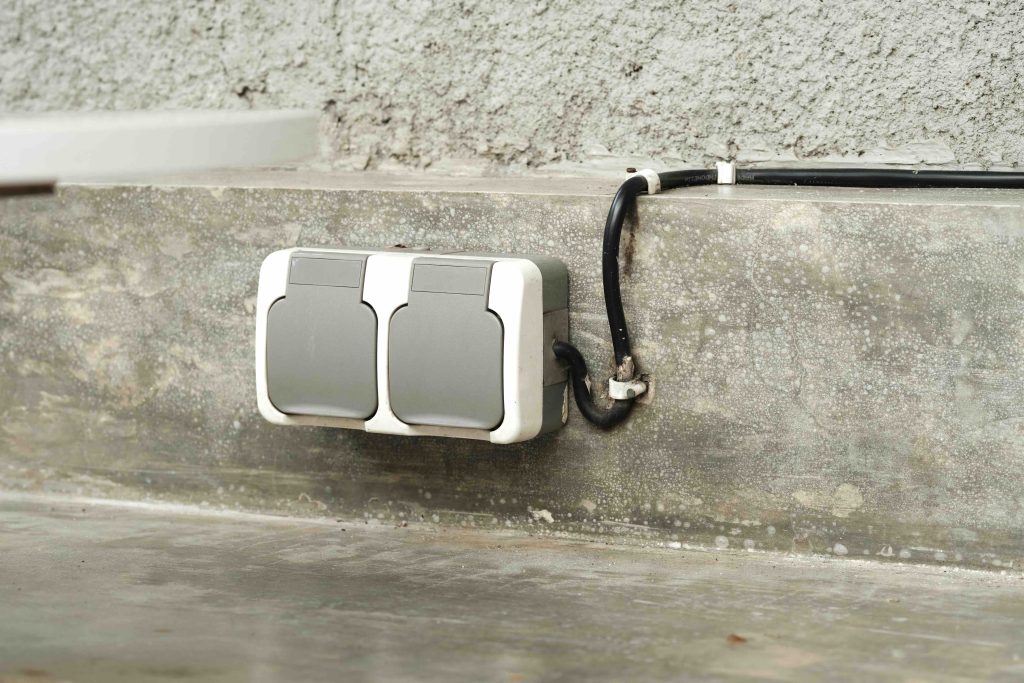
Most homeowners do not think much about outdoor electrical outlets until they are dragging a hundred-foot extension cord through a window screen to power a string of patio lights or a pressure washer. That is usually the moment it becomes obvious that an outdoor power point is not a luxury, it is a practical necessity. An outdoor power point, also called an exterior electrical outlet or weatherproof outlet, is a grounded electrical receptacle installed on the outside of your home and designed to safely deliver power in exposed environments. Whether you are running holiday lights, charging outdoor tools, or powering a backyard sound system, having a dedicated, properly installed outdoor outlet makes all of that far safer and more convenient.
How Outdoor Power Points Actually Work
At the most fundamental level, an outdoor power point functions the same way as an indoor outlet, drawing electricity from your home’s main electrical panel and delivering it to whatever device you plug in. The critical difference is in how it is built and protected. Outdoor outlets are required by code to be GFCI protected, meaning they include a ground fault circuit interrupter that monitors current flow and shuts off power within milliseconds if it detects an imbalance. That imbalance could indicate that electricity is traveling through water, through a damaged cord, or through a person, and the GFCI trips before serious harm can occur. The outlet itself is housed in a weatherproof box with a protective cover, typically rated for wet or damp locations depending on where it is installed. All of this adds up to a system that can safely deliver household power in the kind of conditions that would make a standard indoor outlet genuinely dangerous.
Types of Outdoor Outlets and Covers You Should Know About
Not all outdoor outlets are created equal, and understanding the options helps you make smarter decisions before calling an electrician. There are two primary protection ratings to be aware of: in-use covers and bubble covers. A standard weatherproof cover protects the outlet when nothing is plugged in. An in-use cover, sometimes called a bubble cover, extends over the cord so the outlet remains protected even when actively in use. For patios, garages, and areas exposed to rain or irrigation spray, an in-use cover is strongly recommended. You will also encounter GFCI outlets, which have the built-in test and reset buttons, and standard outlets that are connected to a GFCI breaker at the panel. Either approach is code-compliant, though GFCI outlets at the point of use are generally preferred for easier troubleshooting.
Key Advantages of Installing an Outdoor Power Point
The benefits of a properly installed outdoor outlet are broader than most homeowners initially expect. Here is a quick look at what a well-placed exterior outlet delivers:
- Eliminates the need for long extension cords, which are both a tripping hazard and a fire risk when used improperly for extended periods
- Supports a wider range of outdoor living features, including string lights, outdoor speakers, fans, refrigerators, and EV trickle charging
- Increases home value and curb appeal, particularly for buyers who entertain or work from outdoor spaces
- Provides a safer electrical environment by ensuring GFCI protection in moisture-prone areas
- Reduces the wear and tear on indoor outlets that are not designed for the frequency or type of use outdoor tasks demand
From a practical standpoint, the installation cost is relatively modest when compared to the convenience and safety improvements it provides. Most licensed electricians can install a new outdoor outlet in a few hours, and the project typically does not require a major panel upgrade unless your existing circuits are already at capacity.

Common Drawbacks and Challenges to Plan For
Outdoor outlet installation is not without its complications. The biggest challenge is often the routing of wiring, especially in older homes where exterior walls are fully insulated and there is no easy path from the panel to the desired outlet location. Running new wiring through finished walls can be time-consuming and add to labor costs. Additionally, if your electrical panel is already near capacity, a new circuit may require a panel upgrade, which significantly increases the overall project budget. Weather exposure also means outdoor outlets require periodic maintenance. The covers can crack over time, the internal components can corrode in humid climates, and GFCI outlets do occasionally fail and need replacement. None of these are dealbreakers, but they are realities worth factoring into your planning.
Where to Place Outdoor Outlets for Maximum Usefulness
Placement matters more than most people realize. An outlet that is technically installed but practically inaccessible from your patio, driveway, or garden beds is not doing much work. As a general rule, most homes benefit from outlets positioned on the front and back of the house, at roughly waist height, within reach of the areas where outdoor activity actually happens. Garages and detached structures like workshops or sheds should have their own dedicated circuits. If you are planning a built-in outdoor kitchen, a hot tub, or a pool pump, those applications require dedicated 240-volt circuits and significantly more planning. It is also worth noting that the National Electrical Code requires at least one outdoor outlet at the front and rear of most residential structures, so if your home lacks these, it may be a code compliance issue as well as a convenience issue.
What to Expect During Professional Installation
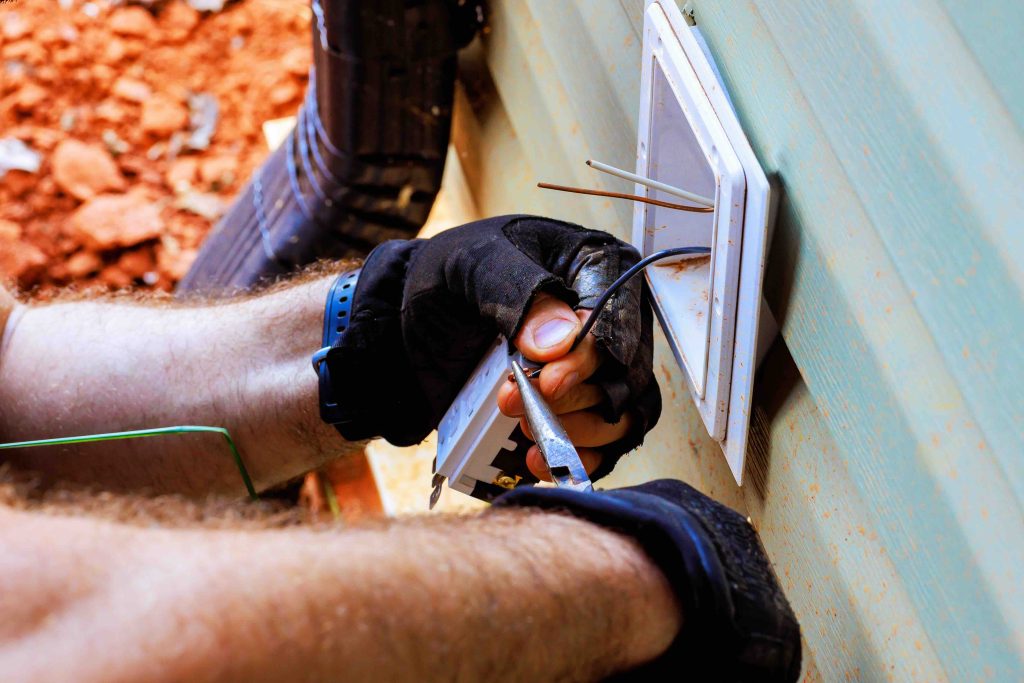
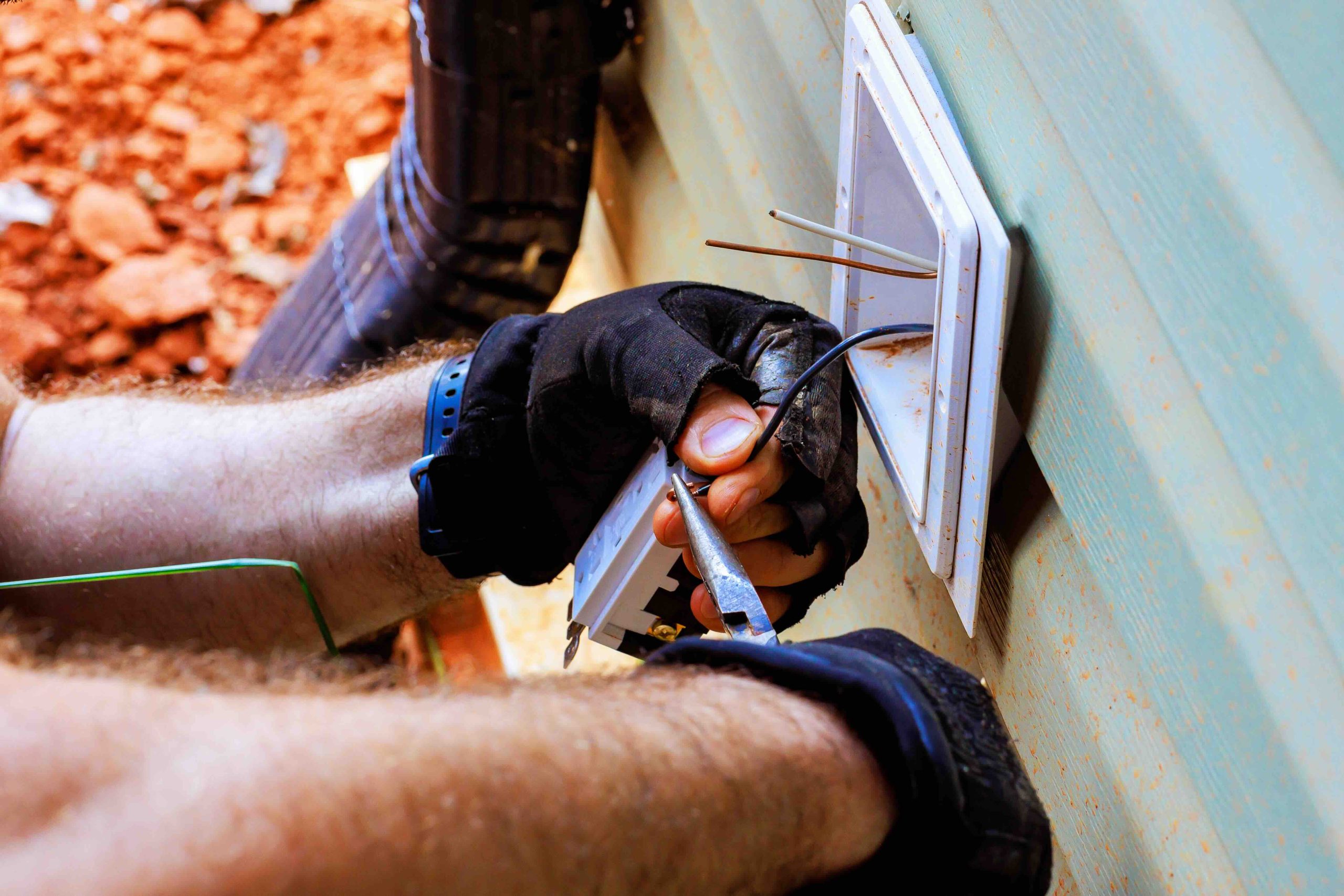
If you are hiring a licensed electrician, the process is fairly straightforward. The electrician will assess your panel for available capacity, identify the best circuit to tap into or determine whether a new circuit is necessary, and run the appropriate gauge wiring from that circuit to the exterior location. The outlet box will be secured to the exterior surface and sealed against moisture infiltration, the outlet will be wired and installed inside the weatherproof housing, and the cover will be attached. The whole job is typically completed in a single visit for a standard single-outlet installation. Permits may be required depending on your municipality, and your electrician should handle that process. Do not skip the permit. It protects you during resale and ensures the work is inspected for safety.
DIY vs. Hiring a Professional: An Honest Assessment
This is one of those projects where the honest answer is: it depends, but lean toward hiring a pro. If you have electrical experience, understand how to work safely around live circuits, and your local codes permit homeowner electrical work, a straightforward outdoor outlet installation is within the capability of a confident DIYer. However, the consequences of improper outdoor electrical work are genuinely serious. A poorly sealed outlet box, undersized wiring, or a missed GFCI requirement can create shock hazards, fire risks, or future code violations that are expensive to correct. For most homeowners, the peace of mind that comes with licensed, inspected, permitted electrical work is worth the labor cost. And if something does go wrong with the electrical work or the circuit it connects to, a home warranty may cover certain related components, which brings us to an important point.
How Home Warranties Relate to Outdoor Electrical Systems
Home warranties cover the repair or replacement of major home systems and appliances when they fail due to normal wear and tear, and electrical systems are among the most commonly covered categories. While the outdoor outlet itself may fall into a gray area depending on your specific plan, the wiring, circuit breakers, and panel components that support it are frequently included. If a GFCI outlet fails, or if the circuit feeding your outdoor power point trips and the breaker itself needs replacement, having an active home warranty can reduce what you pay out of pocket significantly. This is especially relevant for older homes where the electrical system may already be showing signs of age. Knowing that your electrical coverage extends to the systems feeding your outdoor improvements gives you a meaningful safety net.
When it comes to protecting the electrical systems that power your outdoor living spaces, Armadillo home warranty plans built for real homeowners offer straightforward, honest coverage without the fine print runarounds that make other providers frustrating to deal with. Armadillo covers key electrical system components, which means if the circuit connected to your outdoor power point develops a problem, you are not left managing that repair entirely on your own. If you want to see exactly what is covered and what a plan would cost for your specific home, you can get an instant home warranty quote for outdoor and electrical system coverage in under a minute. Simple, transparent, and genuinely useful for homeowners who are investing in their property.

Frequently Asked Questions About Outdoor Power Point Installation
Here are the questions homeowners ask most often about exterior outlets, answered directly and without the runaround.
Do outdoor electrical outlets need to be GFCI protected?
Yes. The National Electrical Code requires all outdoor outlets to be GFCI protected. This applies to new installations and, in many jurisdictions, to older outlets that are being serviced or are in proximity to moisture sources.
How much does it typically cost to install an outdoor outlet?
The average cost for a licensed electrician to install a single outdoor outlet ranges from $150 to $400, depending on location, wiring complexity, and whether a new circuit is required. Panel upgrades or conduit requirements can increase costs significantly.
Can I install an outdoor outlet myself?
In some states, homeowners are permitted to perform their own electrical work, but a permit and inspection are typically still required. Given the safety risks associated with improper outdoor electrical installations, hiring a licensed electrician is the recommended approach for most homeowners.
What is the difference between a damp-rated and wet-rated outdoor outlet?
A damp-rated outlet is suitable for protected locations like covered porches where it will not be directly exposed to rain. A wet-rated outlet and cover are required in locations that may experience direct water exposure, such as an uncovered patio wall or the exterior of a home near a hose bib.
How many outdoor outlets does a home typically need?
The National Electrical Code requires at least one outdoor outlet at the front and one at the rear of most single-family residences. However, most homeowners benefit from additional outlets near the garage, driveway, garden areas, and outdoor entertaining spaces.
Does a home warranty cover outdoor electrical outlets?
Coverage varies by provider and plan. Most home warranties cover the electrical system components such as wiring, breakers, and panels, though the outlet itself may or may not be included. Reviewing your specific plan terms is the best way to understand what is and is not covered.
How long does an outdoor outlet installation take?
A straightforward single-outlet installation typically takes two to four hours for a licensed electrician. More complex jobs involving new circuit runs, panel work, or conduit installation may take longer.
What happens if water gets into an outdoor outlet?
A properly installed GFCI outlet will trip and cut power if moisture causes a ground fault, which is exactly what it is designed to do. The outlet should be dried out completely and inspected before being reset. If the outlet trips repeatedly, it should be replaced.
Do I need a permit to install an outdoor outlet?
In most municipalities, yes. Electrical work typically requires a permit and inspection. Skipping the permit process can create liability issues during a home sale and may not be covered under a home warranty if unpermitted work is identified as contributing to a failure.
Can an outdoor outlet power major equipment like a hot tub or EV charger?
Standard 120-volt outdoor outlets are not designed for high-demand equipment like hot tubs, pool pumps, or Level 2 EV chargers. Those applications require dedicated 240-volt circuits installed by a licensed electrician and are subject to their own specific code requirements.