What Are Outside Electrical Sockets and Why Does Your Home Need Them?
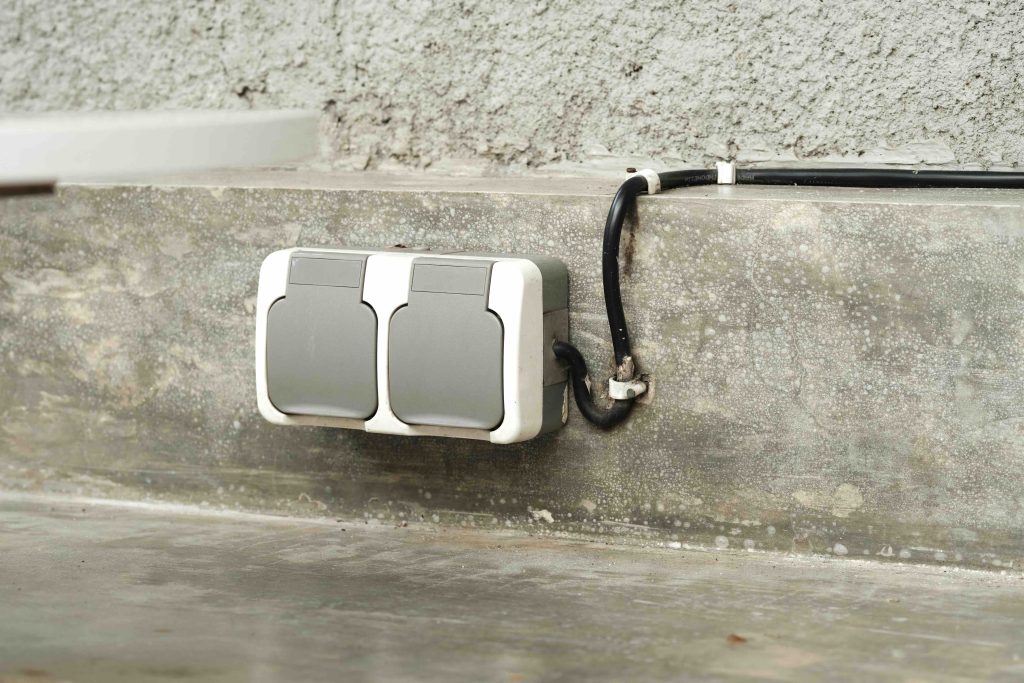
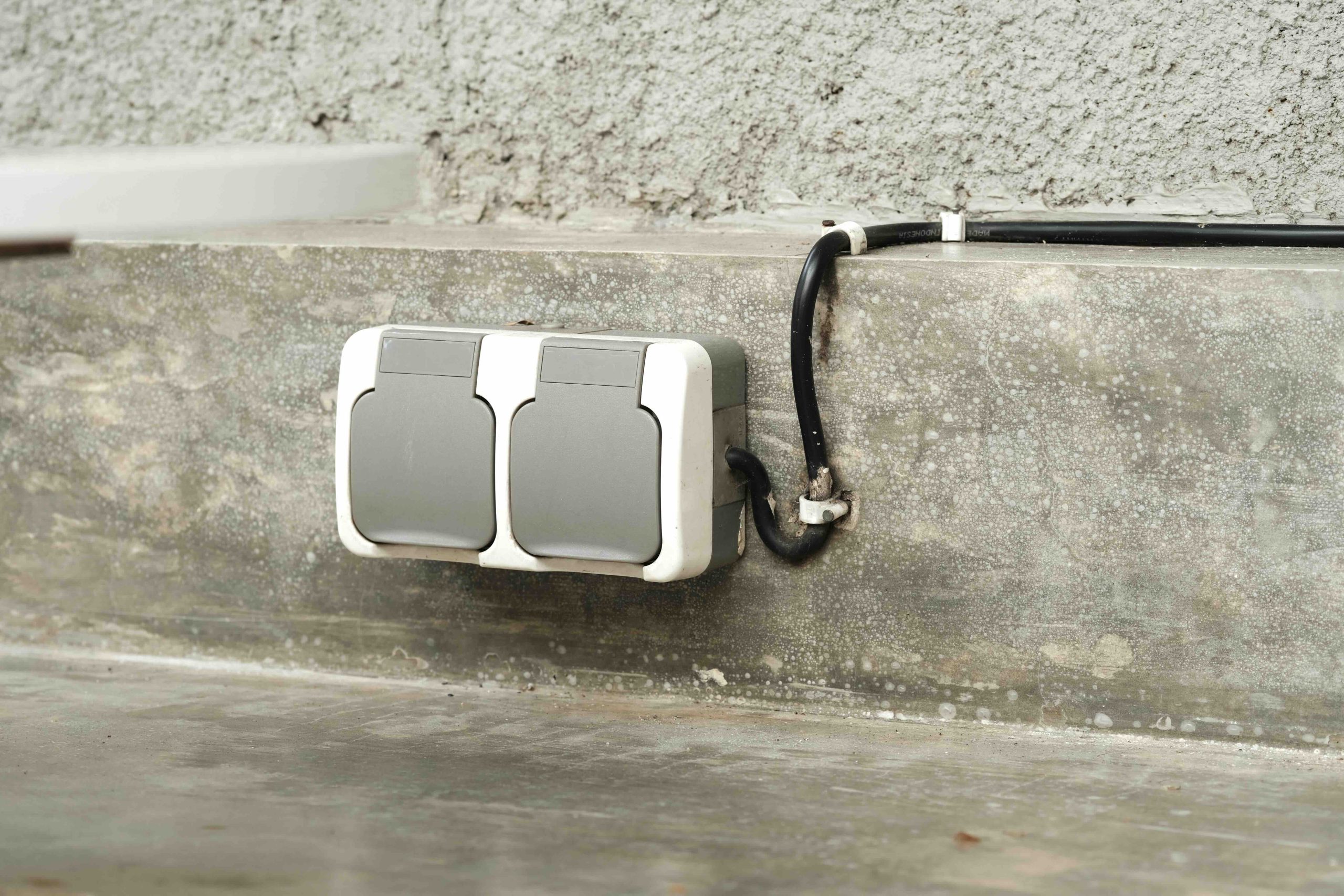
Outside electrical sockets, more formally known as outdoor electrical outlets or exterior receptacles, are weatherproof power access points installed on the outside of a home. They let you plug in power tools, holiday lights, landscaping equipment, outdoor speakers, EV chargers, and just about anything else that needs electricity beyond your four walls. Most homeowners do not think much about them until they need one and realize they either do not have one, or the one they have stopped working. That moment of frustration is exactly why understanding outdoor electrical outlets before a problem arises is worth your time.
How Outside Electrical Sockets Actually Work
Outdoor electrical sockets are wired the same way as indoor outlets, drawing power from your home’s main electrical panel through dedicated circuits or shared branch circuits. The key difference is the housing. Outdoor outlets are enclosed in weather-resistant covers and rated for exposure to moisture, dust, and temperature shifts. Most modern outdoor outlets are GFCI-protected, meaning they include a ground fault circuit interrupter that cuts power the moment it detects an imbalance in the electrical current. That protection exists because electricity and moisture are a dangerous combination, and outdoor environments constantly present that risk. The outlet itself sits inside a weatherproof box rated for either “in-use” or “while-in-use” conditions, which means the cover can close even when a cord is plugged in.
Types of Outdoor Electrical Outlets You Should Know About
Not all outside electrical sockets are the same, and knowing the differences helps when you are shopping for an upgrade or speaking with an electrician. The most common residential outdoor outlet types include standard 15-amp and 20-amp GFCI outlets, which handle most everyday outdoor tasks. For higher-demand applications like EV charging stations or hot tubs, 240-volt outlets require a dedicated circuit with heavier wiring and a larger breaker. There are also weatherproof pop-up outlets designed to install flush with decks or patio surfaces, which are a popular choice for outdoor entertaining spaces. Choosing the right type depends on what you need to power and how often you need to power it.

The Key Advantages of Having Properly Installed Outdoor Outlets
Having functional, code-compliant outdoor electrical sockets genuinely improves how you use your property. The benefits go beyond convenience, touching on safety, home value, and practicality in ways that add up over time.
- Eliminates the need for extension cords running through windows or doors, which creates both safety hazards and energy loss
- Supports outdoor entertaining setups like string lights, audio equipment, and outdoor kitchen appliances
- Enables professional-grade lawn and garden equipment without relying on battery power
- Adds measurable value to your home by improving outdoor functionality, which buyers notice
- Provides a safe power source when properly installed with GFCI protection, reducing electrical shock and fire risk
- Supports seasonal needs like holiday lighting, space heaters on covered porches, or outdoor heating elements
Common Drawbacks and Risks Homeowners Should Understand
Outdoor electrical sockets come with real risks when they are poorly installed, improperly maintained, or not up to code. Weather exposure is the primary concern. Even outlets rated for outdoor use can degrade over time when gaskets crack, covers break, or moisture finds a way inside the housing. When that happens, corrosion builds up on the contacts, and the outlet becomes unreliable or outright dangerous. Another common issue is overloading. Homeowners sometimes plug in too many high-draw devices, tripping breakers repeatedly or causing heat buildup in the wiring. And then there is the installation problem. DIY outlet installation without the proper permits or knowledge of local electrical codes can create hidden hazards behind the wall that are not visible until something goes wrong.
How to Tell If Your Outdoor Outlet Needs Attention
Outdoor outlets give off warning signs before they fail entirely. Learning to recognize those signs can save you from a larger repair bill and a potentially dangerous situation. Watch for outlets that feel warm to the touch, outlets that have visible discoloration or burn marks around the face, covers that no longer seal properly, and the GFCI test and reset buttons that are stuck or unresponsive. If your outdoor outlet trips repeatedly under a normal load, that is also a signal that something is wrong either with the outlet itself or with the circuit it shares. Any of these symptoms deserve a call to a licensed electrician rather than a wait-and-see approach.
What to Expect When Installing or Upgrading Outdoor Electrical Sockets
Installing a new outdoor outlet or upgrading an existing one is not a project most homeowners should approach without professional help. The work involves running wiring through walls, potentially upgrading circuit capacity, and ensuring everything meets current National Electrical Code standards along with local amendments. A licensed electrician will assess your panel capacity, determine the correct outlet rating and placement, and pull any required permits. Costs vary based on location, the complexity of the installation, and whether new wiring needs to be run. Simple installations near an existing panel circuit might cost a few hundred dollars, while dedicated high-voltage circuits for EV chargers or hot tubs can run significantly higher. Always request permits and inspections. It protects you during resale and ensures the work is safe.
Practical Maintenance Tips to Extend the Life of Your Outdoor Outlets
Keeping your outside electrical sockets in good condition does not require much effort, but it does require some consistency. A quick seasonal inspection goes a long way.
- Test GFCI outlets monthly by pressing the test button and confirming power cuts, then pressing reset to restore it
- Inspect weatherproof covers for cracks, missing gaskets, or broken hinges after winter and storm seasons
- Keep the outlet face clean and free of dirt, spider webs, or debris that can trap moisture
- Never force a cover closed over a damaged cord, as that breaks the seal and lets moisture inside
- Replace covers that no longer close or seal properly, since they are inexpensive and widely available at hardware stores
- Have a licensed electrician inspect older outlets every few years, especially if your home was built before GFCI requirements were standard
How Home Warranties and Outdoor Electrical Systems Intersect
This is where things get practical for homeowners who want to protect their investment. Electrical systems are one of the more expensive components to repair when something goes wrong, and the wiring that feeds your outdoor outlets is part of that system. Home warranty plans often include coverage for interior electrical wiring, panels, and connected components, which means a failure that starts at your outdoor outlet and traces back to a wiring or panel issue could fall within your coverage terms. That said, coverage specifics vary by plan, so reading the fine print on what is included, and what is excluded, is essential before assuming anything is covered.
Why Armadillo Is the Right Choice for Protecting Your Home’s Electrical System
When your outdoor outlet stops working and the issue turns out to be a tripped breaker, corroded wiring, or a panel problem, the repair costs can climb fast. That is where having a reliable home warranty plan matters. Armadillo home warranty coverage for electrical systems and appliances is built around straightforward terms, honest pricing, and real protection for the systems that keep your home running. There are no surprise exclusions buried in dense legal language, just clear coverage that homeowners can actually count on. If you have been thinking about what it would cost to protect your home from unexpected electrical failures, the smarter move is to get ahead of it before something breaks. Get a free home warranty quote to protect your outdoor and indoor electrical systems today and see exactly what coverage looks like for your home. Armadillo exists to take that financial uncertainty off your plate.

Frequently Asked Questions About Outside Electrical Sockets
Here are the most common questions homeowners ask about outdoor electrical outlets, answered clearly and without the jargon.
Are outdoor electrical outlets required to be GFCI protected?
Yes. The National Electrical Code requires all outdoor receptacles at dwelling units to be GFCI protected. This requirement has been in place in various forms since the 1970s, with updates that expanded its scope over the decades. If your outdoor outlets are not GFCI protected, they are out of code and should be updated.
How many outdoor outlets should a house have?
The NEC requires at least one outdoor outlet at the front and one at the back of the home, both accessible from ground level. Many homes benefit from additional outlets on decks, patios, garages, and near driveways depending on how the outdoor space is used.
Can I install an outdoor outlet myself?
Technically some states allow homeowner-performed electrical work on their own residence, but most jurisdictions require permits and inspections. Outdoor outlet installation involves working near your panel and running wiring through exterior walls, which creates real risk for anyone without proper electrical training. Hiring a licensed electrician is strongly recommended.
Why does my outdoor GFCI outlet keep tripping?
Repeated tripping usually indicates moisture inside the outlet or wiring, a ground fault in a connected device, an overloaded circuit, or a failing GFCI outlet that needs replacement. Start by unplugging all devices and testing the outlet. If it still trips with nothing plugged in, the issue is with the outlet or circuit itself.
What is the difference between a weatherproof and a weather-resistant outlet?
Weather-resistant refers to the outlet receptacle itself, which is built with materials that resist corrosion and degradation from moisture exposure. Weatherproof refers to the protective cover that seals the box when not in use. A fully protected outdoor outlet should have both: a weather-resistant receptacle inside a weatherproof in-use cover.
Can outdoor outlets be used in the rain?
Outdoor outlets with in-use covers are designed to remain protected even when a cord is plugged in during rain. However, submerging or directly spraying an outlet with water is never safe regardless of its rating. If an outlet gets waterlogged, stop using it and have an electrician inspect it before restoring power.
Does a home warranty cover outdoor electrical outlets?
Home warranty coverage for electrical components typically focuses on interior wiring, panels, and connected systems. Coverage for the outdoor outlet itself depends on the specific plan terms. The underlying circuit and panel components that power the outlet often fall within standard electrical coverage. Review your plan documents carefully to understand what is included.
How long do outdoor electrical outlets last?
A properly installed outdoor outlet in a weatherproof housing can last 10 to 20 years or more with regular maintenance. Outlets exposed to harsh weather without adequate covers, or those subjected to frequent overloading, tend to fail sooner. Routine seasonal inspections help catch deterioration before it becomes a safety issue.
What is the cost to add a new outdoor outlet?
Adding a standard 15-amp or 20-amp outdoor GFCI outlet typically costs between $150 and $400 depending on your location, the complexity of the installation, and how far the new circuit needs to run from your panel. High-voltage dedicated circuits for hot tubs or EV chargers can range from $500 to over $1,500.
What should I do if my outdoor outlet has burn marks or feels warm?
Stop using the outlet immediately and do not plug anything into it. Burn marks and heat buildup are signs of arcing, a loose connection, or wiring damage, all of which present a fire hazard. Turn off the circuit at your breaker panel and contact a licensed electrician to inspect and replace the outlet before restoring power.