Why Your Oven Is Not Preheating Properly and What to Do About It
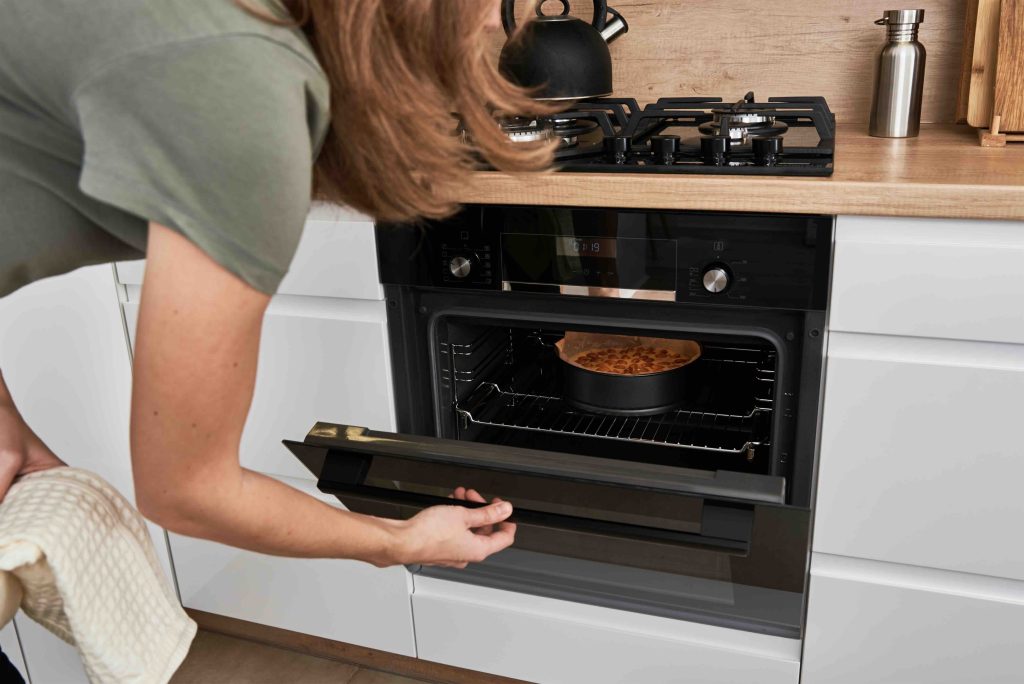
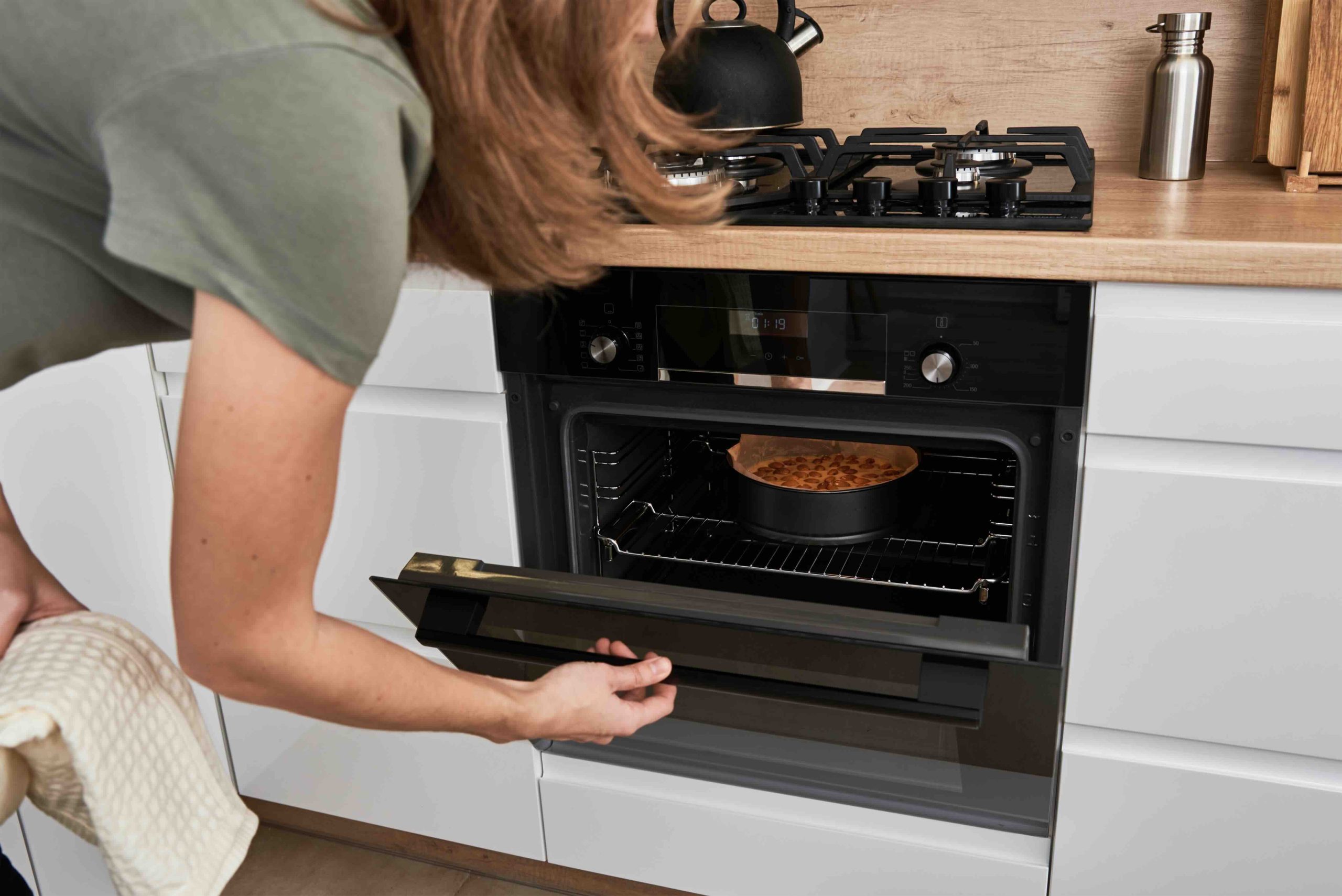
You set the oven to 375 degrees, walk away, come back fifteen minutes later, and the chicken is still sitting in a cold pan. Sound familiar? An oven that fails to preheat is one of those household frustrations that creeps up without much warning and somehow always happens at the worst possible time. Whether you have a gas range or an electric model, preheating issues are more common than most homeowners realize, and they usually point to a handful of specific, diagnosable problems. This guide will walk you through exactly what is happening, why it happens, and what your options are when your oven stops doing its most basic job.
How Oven Preheating Actually Works
Before jumping into causes and fixes, it helps to understand the mechanics behind preheating. In an electric oven, two heating elements do the work: a bake element at the bottom and a broil element at the top. When you set a temperature, both elements activate to rapidly bring the oven cavity up to the target temperature. A thermostat and temperature sensor work together to monitor internal heat and signal the elements to cycle on and off accordingly. In a gas oven, an igniter lights the burner, which then heats the oven cavity. A gas valve controls fuel flow, and a temperature sensor keeps everything calibrated. If any single component in this chain fails or weakens, the entire preheating process can slow down, stall, or produce wildly inaccurate temperatures.
The Most Common Reasons an Oven Will Not Preheat Correctly
Most preheating failures trace back to a short list of culprits. Knowing which one applies to your situation is the first step toward getting it resolved. Here are the most frequently diagnosed causes:
- A burned-out or damaged bake element in electric ovens, which often shows visible signs of charring or breaks in the coil
- A weak or failing igniter in gas ovens, where the oven takes unusually long to light or never fully ignites
- A faulty temperature sensor that sends incorrect readings to the control board, causing the oven to stop heating too early
- A malfunctioning thermostat that fails to regulate heat cycles properly
- Control board issues that disrupt the signals sent to heating components
- Improper oven calibration, where the unit is technically functioning but reading temperatures incorrectly
Each of these issues carries a different repair cost and complexity level. Some, like recalibrating a thermostat, are straightforward. Others, like replacing a control board, can be expensive enough to prompt a conversation about whether repair or replacement makes more sense.
Signs Your Oven Has a Preheating Problem
Sometimes the issue is obvious. The oven simply never reaches temperature, or the preheat indicator light never turns off. Other times, the symptoms are subtler and easier to dismiss. Food that consistently comes out undercooked, baked goods that never rise properly, or cooking times that always run longer than recipes suggest are all signs that something is off with your oven’s preheating performance. One reliable test is to place an oven thermometer inside, set your oven to a specific temperature, and check whether the actual internal reading matches what the display shows. A difference of more than 25 degrees is a red flag that warrants further inspection.

Gas vs. Electric Ovens: Does the Type Matter for Preheating Issues
The short answer is yes, and the distinction matters when diagnosing the problem. Gas ovens tend to preheat faster than electric models because open flames transfer heat more immediately. However, gas ovens are more susceptible to igniter failure, which is actually one of the most common repair calls in the industry. When an igniter weakens, it draws enough current to open the gas valve but not enough to sustain a consistent flame. The result is an oven that takes forever to heat or never reaches the set temperature at all. Electric ovens, on the other hand, are more prone to element burnout and sensor drift over time. Both types share thermostat and control board vulnerabilities, so those components should be on your diagnostic checklist regardless of fuel source.
Can You Fix a Preheating Problem Yourself
Honestly, it depends on the specific issue and your comfort level with appliance repair. Replacing a bake element on an electric oven is a relatively accessible DIY task. The part is inexpensive, usually between twenty and fifty dollars, and the swap involves disconnecting a few wires and unscrewing a mounting bracket. Recalibrating an oven thermostat through the control panel settings is even easier and requires no tools at all. That said, anything involving gas lines, control boards, or internal wiring should be left to a qualified technician. The risk of improper repair outweighs the potential savings, and in the case of gas appliances, there are real safety concerns at play. When in doubt, call a professional.
How Much Does Oven Preheating Repair Cost
Repair costs for oven preheating issues vary depending on the component involved and local labor rates. A heating element replacement might run between one hundred fifty and three hundred dollars including labor. An igniter replacement on a gas oven typically falls in the same range. Sensor replacements are usually on the lower end of that scale, while control board repairs or replacements can push between three hundred and six hundred dollars or more. If your oven is older and repair costs are climbing toward or past half the price of a new unit, it may be worth evaluating replacement options instead. Age matters here. An oven that is fifteen or more years old and showing multiple issues is probably telling you something.
Preventive Maintenance Tips to Keep Your Oven Preheating Efficiently
A little routine attention goes a long way in keeping your oven performing at its best. There are some practical habits that can help you avoid preheating problems down the road:
- Clean your oven regularly to prevent grease buildup, which can interfere with heating elements and sensors
- Avoid using aluminum foil on the oven floor, as it can block heat circulation and affect temperature accuracy
- Test your oven temperature annually with a standalone thermometer to catch calibration drift early
- Inspect visible heating elements periodically for cracks, blistering, or discoloration
- Have a technician service your gas oven every few years to check the igniter and burner assembly
What Homeowners Often Overlook When the Oven Acts Up
Here is something that comes up more than people expect. A lot of homeowners assume that a slow preheat is just how their oven works, especially if it has been declining gradually. Gradual changes are easy to normalize. But consistent underperformance is never just a quirk, it is a symptom. Letting a weakening igniter or a drifting sensor go unaddressed does not just mean mediocre meals. It means the appliance is working harder than it should be, consuming more energy, and putting additional stress on surrounding components. Catching these issues early is almost always cheaper and easier than dealing with the cascading failures that follow.
Why a Home Warranty Makes Sense When Your Oven Stops Preheating
Here is the reality most homeowners do not think about until they are already staring at a repair estimate. Oven repairs are not glamorous, and they are rarely budgeted for. That is exactly where a home warranty earns its keep. When your oven fails to preheat and the diagnosis points to a covered component, a home warranty plan covers the repair or replacement cost, minus a manageable service fee. No scrambling for a technician, no negotiating prices, no unexpected bill that derails the month. If you are looking for a home warranty provider that actually handles appliance coverage with transparency and speed, Armadillo home warranty plans for kitchen appliances and home systems are built specifically around the kinds of problems real homeowners face. And if you want to see exactly what coverage looks like for your home before committing to anything, you can get a free oven and appliance home warranty quote in seconds without any pressure or obligation. Protecting your appliances before something breaks is always the smarter play.

Frequently Asked Questions About Oven Not Preheating
Here are answers to the most common questions homeowners ask when their oven stops preheating properly.
Why is my oven taking so long to preheat?
A slow preheat is most often caused by a weakening heating element in electric ovens or a failing igniter in gas ovens. Both components lose efficiency over time, which extends preheat cycles significantly. A faulty temperature sensor can also cause this issue by prematurely signaling that the oven has reached its target temperature.
How do I know if my oven’s heating element is bad?
Visible signs include dark spots, blistering, cracks, or an obvious break in the coil. If the element is not glowing red during operation or is only glowing in certain sections, it is likely damaged and needs replacement.
Can a bad igniter cause my gas oven not to preheat?
Yes. A weak igniter is one of the most common reasons a gas oven will not heat properly. If the igniter takes more than 90 seconds to glow or fails to ignite the burner consistently, it is drawing insufficient current and should be replaced.
Is it safe to use an oven that is not preheating correctly?
It depends on the cause. If the oven is functioning but simply inaccurate, it is generally safe to use with a thermometer adjustment. However, if a gas oven is cycling on and off irregularly or producing unusual smells, stop using it and contact a technician immediately.
How do I recalibrate my oven temperature?
Most modern ovens allow temperature calibration through the settings menu on the control panel. Consult your owner’s manual for the specific steps for your model. Use an oven thermometer to determine the degree of offset before making any adjustments.
Does a home warranty cover oven preheating repairs?
Most home warranty plans that include kitchen appliances will cover the repair or replacement of components like heating elements, igniters, and temperature sensors if they fail due to normal wear and use. Always review your specific plan terms to confirm covered components and any exclusions.
What is the average lifespan of a home oven?
Most ovens last between 13 and 15 years with regular use and basic maintenance. Gas ovens tend to have a slightly longer lifespan than electric models, though both are subject to component wear over time.
Should I repair or replace an oven that will not preheat?
If the oven is under ten years old and the repair cost is less than half the price of a new unit, repair is generally the better value. For older appliances or situations where multiple components are failing simultaneously, replacement often makes more financial sense.
Can oven calibration drift affect baking results even if the oven heats up?
Absolutely. An oven that heats up but reads temperatures inaccurately will produce inconsistent baking results, including undercooked centers, over-browned exteriors, and collapsed baked goods. Regular calibration checks are a simple way to prevent this.
How long should it take for a properly functioning oven to preheat to 350 degrees?
A standard electric oven should reach 350 degrees Fahrenheit in approximately 12 to 15 minutes. Gas ovens typically preheat slightly faster, in around 10 to 12 minutes. Times significantly beyond these ranges indicate a component issue worth investigating.