What Are Plumbing Vents and Why Does Your Home Need Them?
Most homeowners spend a lot of time thinking about pipes, drains, and water pressure. Almost no one thinks about the vents. And that is exactly the kind of oversight that leads to gurgling drains, slow sinks, and the occasional unpleasant odor drifting up from places it really should not be coming from. Plumbing vents are a critical part of your home’s drain-waste-vent system, and understanding how they work can save you from some genuinely confusing repair calls down the road. This is the part of your plumbing that most people never see, and honestly, that is probably why it gets ignored until something goes wrong.
The Basic Job of a Plumbing Vent Explained Simply
Here is the core idea: every time water drains through your pipes, it needs air behind it to move efficiently. Without that air, you get negative pressure, which creates suction in the drain line. That suction pulls water out of your P-traps, those curved pipe sections beneath every sink and toilet that hold a small amount of water to block sewer gases from entering your home. When the P-trap loses that water seal, sewer gas gets a direct path into your living space. Plumbing vents solve this by introducing air into the drain system, equalizing the pressure and keeping everything flowing the way it should. They also carry sewer gases safely out through the roof, away from your family and your HVAC intake points.
The Different Types of Plumbing Vents Every Homeowner Should Know
This is where things get a little more layered, but it is worth understanding because different vent types appear in different parts of the home, and each serves a slightly different purpose.
- True Vent: The most common type, this is a vertical pipe that connects directly to the drain line and extends up through the roof without carrying any water itself. It is the standard solution for most fixtures.
- Common Vent: Used when two fixtures are installed back-to-back, such as sinks on opposite sides of a shared wall, this single vent serves both drain lines simultaneously.
- Wet Vent: A wet vent carries both water and air within the same pipe. It is typically used in bathroom groups where one pipe serves multiple fixtures. Efficient in tighter spaces, but it requires careful sizing.
- Air Admittance Valve (AAV): A mechanical one-way valve that opens to let air in when negative pressure forms and closes when pressure normalizes. It is used when running a vent pipe to the roof is not practical, such as in kitchen islands or basement bathrooms.
- Loop Vent: Used primarily for island sinks where no wall is nearby, the pipe loops upward beneath the countertop before connecting back to the drain line. It is a clever workaround for challenging layouts.
- Circuit Vent: This type serves a group of fixtures connected to a horizontal drain line and is common in larger commercial applications, though it does appear in some residential builds.
How Plumbing Vent Problems Show Up in Your Home
The symptoms of a compromised vent system are easy to misread. A slow-draining sink might seem like a clog, but if snaking the drain produces nothing, the culprit is often a blocked or improperly installed vent. Gurgling sounds coming from a toilet after another fixture drains are a classic pressure equalization failure. A persistent sewer smell, particularly in bathrooms or near floor drains, usually points to a failed P-trap seal caused by suction from a vent problem. Frost or ice forming in vent pipes during winter months in colder climates can also cause partial or full blockages, creating intermittent issues that are genuinely tricky to diagnose without knowing what to look for.

Key Advantages of a Properly Functioning Vent System
When your plumbing vents are installed correctly and functioning as designed, the benefits are felt throughout the entire plumbing system. Drains clear faster and more completely. Fixtures stay quieter during use. Sewer gases are consistently routed away from occupied spaces, which matters considerably for indoor air quality. P-traps maintain their water seals indefinitely without any manual intervention. Over time, a healthy vent system also reduces the mechanical stress on drain pipes because water moves with gravity and airflow assistance rather than fighting pressure differentials. The whole system just works the way it was designed to work, which is not a small thing.
Common Drawbacks and Limitations to Be Aware Of
No system is without its trade-offs. True vents that penetrate the roof create potential entry points for water if the roof flashing around the vent pipe degrades over time. That is a maintenance item that gets overlooked more often than it should. Air admittance valves, while convenient, are not universally accepted by local building codes and they can fail mechanically over time in ways that traditional vents simply cannot. Wet vents require very precise pipe sizing to function correctly, and an undersized wet vent will cause the same pressure problems it was meant to prevent. Older homes built before modern venting standards were established may have vent configurations that technically worked at the time but create real headaches when fixtures are added or relocated during a renovation.
Air Admittance Valves vs. Traditional Roof Vents
This comparison comes up constantly when homeowners are renovating kitchens or finishing basements. Traditional roof vents are reliable, code-compliant everywhere, and require no moving parts to maintain. Their downside is the labor and cost involved in running a vent pipe through walls, floors, and roof decking. Air admittance valves are faster to install, far less invasive, and genuinely effective when installed correctly and in permitted applications. The mechanical valve inside an AAV typically lasts many years, but it will eventually need replacement. The right choice depends on your specific fixture location, your local building code, and what your plumber recommends for the long-term reliability of the installation.
Plumbing Vent Maintenance Tips for Homeowners
You cannot fully maintain your vent system from inside the house, but there are practical steps worth taking on a regular basis.
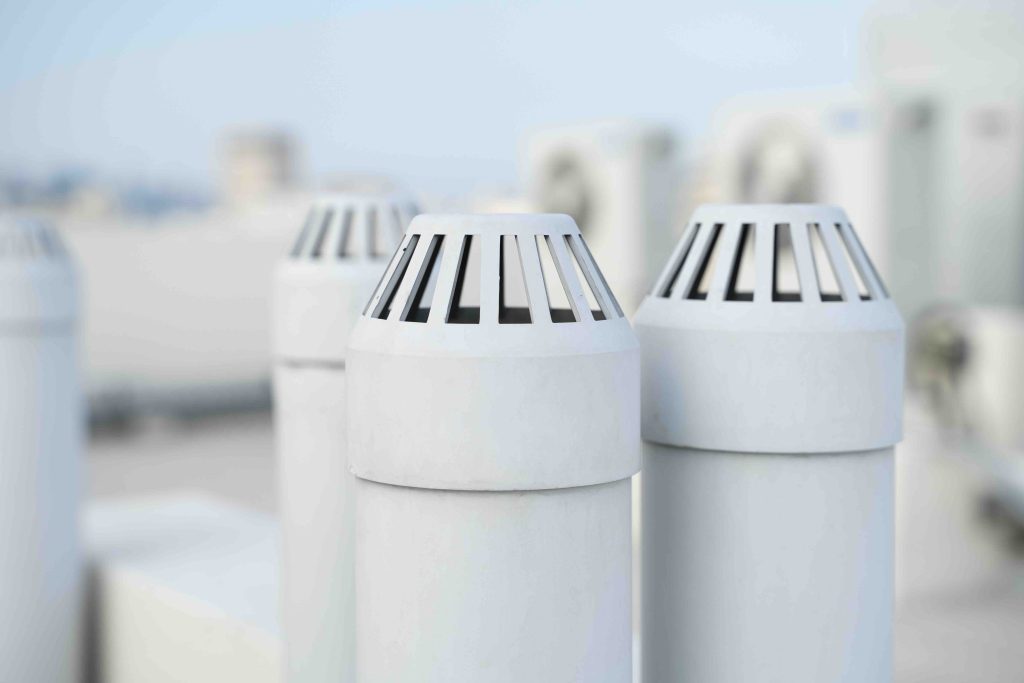
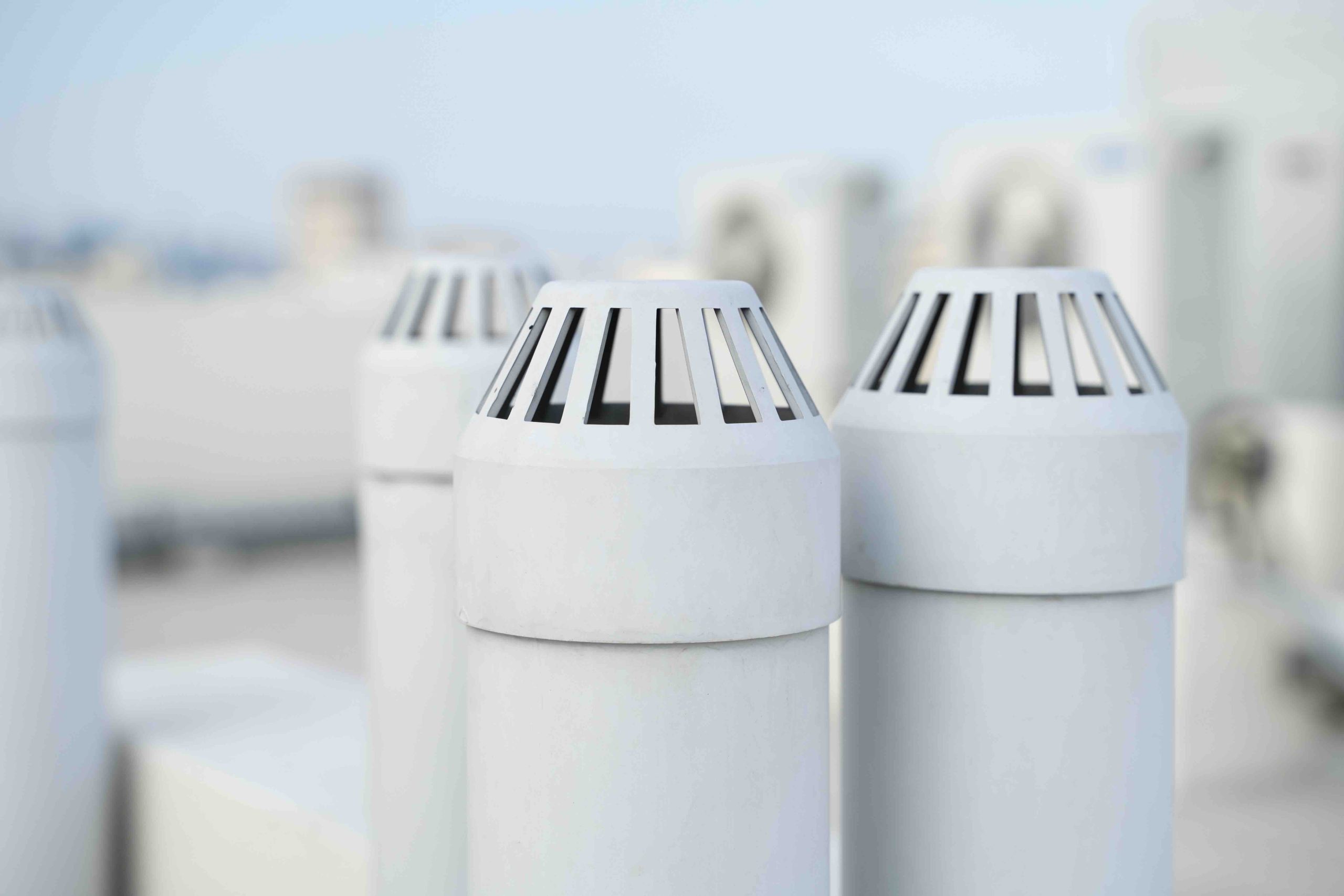
- Inspect the roof vent pipe cap or screen annually for debris, bird nests, or ice buildup, particularly after winter or after major storms.
- If you have AAVs installed under sinks or in accessible spaces, check them periodically for any signs of sewer odor, which can indicate the valve is no longer sealing properly.
- Never ignore gurgling sounds or slow drains for extended periods. Address them early before the underlying pressure issue causes more significant damage downstream.
- During any plumbing renovation, confirm that new fixtures are properly vented before the walls are closed up. Re-opening drywall to correct a vent is significantly more expensive than doing it right the first time.
When to Call a Licensed Plumber for Vent-Related Issues
A homeowner can do a surprising amount of plumbing maintenance independently, but vent system work is genuinely an area where a licensed plumber earns their fee. Diagnosing a vent blockage accurately requires the right tools and familiarity with how your specific drain-waste-vent layout is configured. Cutting into roof decking or interior walls to modify vent runs without permits or proper technique can create moisture problems and code violations that are expensive to resolve. If you are experiencing any of the symptoms described earlier and standard drain clearing does not resolve them, a plumber with drain camera and smoke testing capability can locate vent issues quickly and give you a clear repair path.
How a Home Warranty Can Protect You When Plumbing Problems Arise
Plumbing systems, vents included, are among the most frequently claimed items in the home warranty industry, and for good reason. When something fails unexpectedly, the cost to diagnose, access, and repair the issue can add up fast, especially when walls or roofing need to be disturbed. That is where a home warranty built for real homeowners makes a meaningful difference. Armadillo home warranty plans for plumbing system coverage are designed to give you reliable protection without the fine-print frustration that too many homeowners have experienced elsewhere. When your drain system acts up and a plumber confirms a covered failure, you are not staring down a four-figure bill on your own. Getting covered is also simpler than most people expect. You can get a free home warranty quote that covers plumbing repairs and drain systems in just a few minutes, and the plan options are straightforward enough that you will actually understand what you are signing up for. That clarity matters when something goes wrong at an inconvenient time, which, in home ownership, is basically always.

Frequently Asked Questions About Plumbing Vents
These are the questions homeowners ask most often when they start digging into how their drain and vent system actually works.
What happens if a plumbing vent is blocked?
A blocked plumbing vent disrupts air pressure balance in the drain system. This causes slow drains, gurgling sounds from toilets and sinks, and can pull water out of P-traps, allowing sewer gases to enter the home through drain openings.
Are air admittance valves allowed everywhere?
Not universally. Many jurisdictions permit AAVs for certain applications, such as island sinks or secondary fixtures, but most codes still require at least one traditional vent pipe that exits through the roof for the main stack. Always verify with your local building department before installation.
How often should plumbing vents be inspected?
A visual inspection of roof vent terminals should be done at least once a year, ideally in spring after winter weather. A more thorough inspection by a licensed plumber is recommended any time you are experiencing drainage symptoms that do not resolve with standard drain cleaning.
Can I add a plumbing fixture without adding a new vent?
Sometimes, depending on proximity to an existing vent and the type of venting arrangement being used. A wet vent or common vent configuration may allow a new fixture to tie into an existing vent, but this requires evaluation by a plumber to confirm proper pipe sizing and code compliance.
What is the difference between a vent stack and a drain stack?
The drain stack is the large vertical pipe that carries waste and water down to the sewer line. The vent stack is the vertical pipe that runs up through the roof to equalize air pressure and exhaust sewer gases. In many homes, a single pipe serves both functions and is called the main soil stack.
Why does my bathroom smell like sewer gas even though the drains seem fine?
The most common cause is a dried-out P-trap, which happens when a fixture goes unused long enough for the water seal to evaporate. Running water in the affected fixture usually resolves it. If the smell persists after rehydrating P-traps, a compromised vent or a crack in drain piping may be the source.
Can cold weather affect plumbing vents?
Yes. In climates with harsh winters, the moisture in exhausted sewer gases can freeze inside or around the vent pipe opening, partially or fully blocking airflow. This creates the same pressure problems as any other vent blockage and is often most noticeable on the coldest days of the year.
How do I know if my home has an AAV installed?
AAVs are typically installed under sinks, inside cabinets, or in accessible ceiling spaces near the fixture being served. They look like a small plastic or metal cap attached to the drain pipe. If you are unsure whether your home uses them, a plumber can identify all vent types during a routine inspection.
Does a home warranty cover plumbing vent repairs?
Coverage varies by provider and plan. Many home warranty plans cover internal plumbing components including drain lines, but coverage for vent pipes specifically depends on the policy language. Reviewing your plan’s terms carefully or speaking with the provider directly will clarify what is and is not included.
What is a loop vent used for?
A loop vent is used primarily for kitchen island sinks where there is no adjacent wall to run a standard vent pipe through. The pipe loops up beneath the countertop before connecting back to the drain, creating the air pathway needed for pressure equalization without requiring penetration through a wall or roof in that location.