What Is a Snaking Kitchen Sink and Why Does It Matter?
If you have ever watched water pool at the bottom of your kitchen sink and refuse to drain, you have already met the problem that snaking is designed to fix. A snaking kitchen sink refers to the process of using a drain snake, also called a plumber’s auger, to physically break through or retrieve a clog lodged deep inside the drain pipe. It is one of the most practical, direct methods for restoring proper drainage, and it is something every homeowner should at least understand, even if they never pick up the tool themselves. Knowing how this process works, when it applies, and what it costs helps you make smarter decisions about your home’s plumbing — and avoid paying more than you should when things go wrong.
How a Drain Snake Actually Works
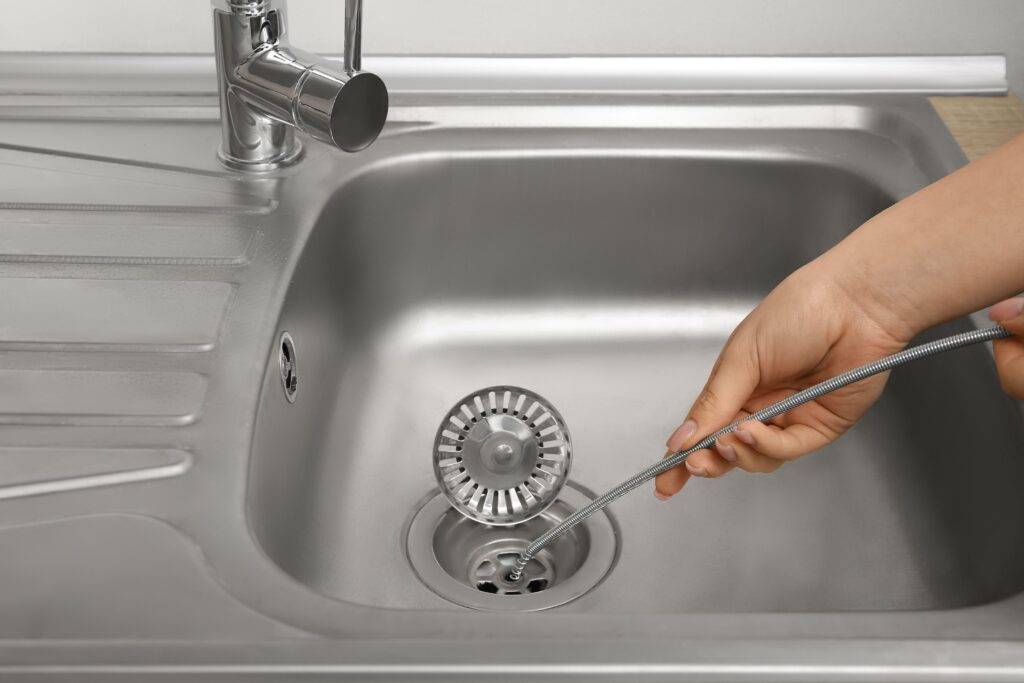
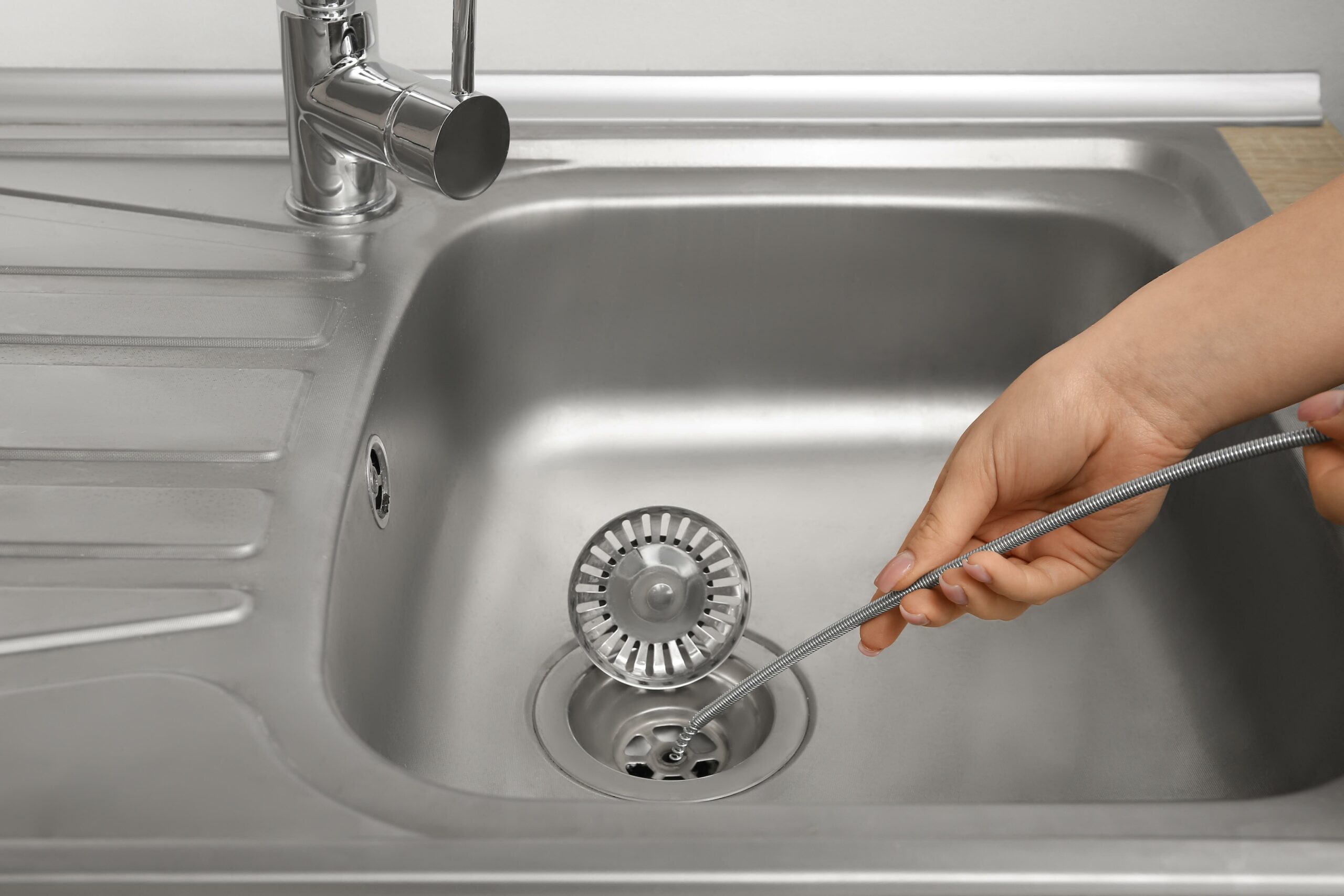
A drain snake is a long, flexible metal cable that gets fed manually or mechanically down through your sink’s drain opening. At the tip of the cable is either a corkscrew-style auger head or a simple hook, depending on the tool being used. As the cable travels through the pipe, it either punches through the blockage to break it apart or latches onto the debris so it can be pulled back out. Most hand-powered drain snakes range from 15 to 25 feet in length, which is usually more than enough to reach the P-trap and the main drain line beneath a kitchen sink. For more stubborn or distant clogs, plumbers rely on motorized versions that can reach significantly farther. The whole process sounds straightforward because, honestly, it mostly is — though execution matters quite a bit.
Common Causes of Kitchen Sink Clogs
Kitchen sink drains deal with a remarkably varied mix of waste on a daily basis. Over time, that waste builds up in ways that liquid drain cleaners simply cannot address. Understanding what typically causes the blockage helps you know whether snaking is the right call or whether a bigger issue might be lurking. The most common culprits include:
- Grease and cooking oil that cools and hardens along pipe walls
- Food particles that pass through or bypass the strainer basket
- Soap residue that combines with minerals in hard water to form a thick film
- Coffee grounds and fibrous vegetable scraps that accumulate at bends in the pipe
- Buildup inside the P-trap, the curved section directly beneath the sink
If your sink drains slowly rather than backing up completely, the clog is likely partial and may have been forming for months. A full backup usually means the blockage has reached a point where water cannot pass at all, and snaking becomes necessary rather than optional.
Snaking vs. Chemical Drain Cleaners: What You Should Know
Many homeowners reach for a bottle of liquid drain cleaner first, and that reaction is completely understandable. It is easy, inexpensive, and feels immediate. The problem is that chemical cleaners have real limitations and some notable downsides. They work reasonably well on soft, organic buildup like soap scum or hair, but grease and solid food debris tend to resist them. More importantly, the caustic chemicals in those products can wear down older pipes over time, particularly if the pipes are made of PVC or are already showing signs of age. Snaking, by contrast, physically removes the obstruction rather than dissolving it, which means the fix tends to last longer and does not introduce any corrosive agents into your plumbing system. It is a more mechanical and direct solution, which is exactly why professional plumbers prefer it for kitchen drain issues.

Can You Snake a Kitchen Sink Yourself?
Yes, and many homeowners do it successfully. Hand-crank drain snakes are widely available at hardware stores and are not expensive. The process involves removing the drain strainer, feeding the cable slowly into the opening, and rotating the handle as you push forward until you feel resistance. At that point, you work the cable back and forth to break up or hook the clog, then retract it carefully. It is a bit messy, and it does require some patience, but it is genuinely a task within reach for someone comfortable doing basic home maintenance. That said, there are situations where DIY snaking can cause more problems than it solves. If the clog is deep in the main line, if there is more than one drain backing up at the same time, or if the pipe material is fragile, calling a professional is the smarter move. Knowing when to stop is just as important as knowing how to start.
Key Advantages of Drain Snaking
There are several reasons why snaking remains the preferred method for clearing kitchen drain clogs, even in an era with plenty of alternative products on the market. Here is a quick look at what makes it stand out:
- It removes the clog directly rather than masking it with temporary chemical relief
- It works on a wide variety of blockage types, including grease, food solids, and debris
- It is safe for most pipe materials, including older metal pipes and standard PVC
- It can be done without disassembling the drain, keeping the process relatively contained
- Results are typically immediate, with full drainage restored once the clog is cleared
Common Drawbacks and Limitations to Keep in Mind
Snaking is effective, but it is not a universal fix. One of the most common frustrations homeowners encounter is pushing the clog further down the pipe rather than removing it, which can create a more difficult problem to address later. This is especially true when using a snake that is too short or when the technique is slightly off. There is also the matter of pipe condition — if your kitchen drain pipes are corroded, cracked, or improperly sloped, snaking may clear the immediate clog while leaving the underlying drainage problem intact. Another thing worth noting is that recurring clogs often signal a systemic issue: root intrusion from nearby trees, a failing pipe joint, or a venting problem that creates back pressure inside the drain line. If you are snaking your kitchen sink every few months, the issue goes beyond surface-level maintenance.
When to Call a Professional Plumber
There are clear moments when a professional should be handling the situation rather than a hand-crank cable and good intentions. If multiple drains in your home are slow or backed up simultaneously, the clog is almost certainly in the main sewer line, which requires a motorized auger and experienced hands. If you hear gurgling from other drains when you run the kitchen sink, that is another indicator of a deeper problem. Similarly, if you have already attempted snaking without success, or if you notice foul odors that persist after clearing the drain, a professional inspection is warranted. In some cases, a plumber will use a camera scope to visually inspect the pipe interior before recommending a course of action, which eliminates guesswork entirely and protects you from spending money on solutions that will not work.
How Home Warranties Protect You When Plumbing Goes Wrong
Here is where things connect to something most homeowners do not think about until it is too late. A qualified home warranty provider that covers kitchen plumbing and drain line repairs can make an enormous difference when a clogged kitchen sink escalates into a more serious plumbing event. Armadillo offers home warranty plans built around real homeowner needs, which means you are not stuck paying out of pocket when a snaking job reveals a cracked pipe or a drain line that has seen better days. Snaking a kitchen sink is often the first step in uncovering larger plumbing issues, and having coverage in place before those issues surface is precisely how you avoid a situation where a minor inconvenience becomes a major expense. If you want to protect your home’s plumbing from unexpected repair costs, now is a good time to get a personalized home warranty quote for kitchen and plumbing system coverage and see what Armadillo can do for your specific home.

Frequently Asked Questions About Snaking a Kitchen Sink
Below are answers to the most common questions homeowners ask about kitchen drain snaking, clog removal, and plumbing maintenance.
How often should I snake my kitchen sink drain?
Most homeowners do not need to snake their kitchen drain more than once every year or two, provided they practice reasonable drain hygiene. If you are snaking more frequently than that, the underlying pipe or drainage system likely has a condition that needs professional evaluation.
Is snaking a kitchen sink the same as hydro jetting?
No. Snaking uses a physical cable to break up or retrieve a clog, while hydro jetting uses high-pressure water to blast buildup off the interior walls of a pipe. Hydro jetting is more thorough but also more involved and typically costs more. Snaking is usually the first line of defense before hydro jetting is considered.
Will snaking damage my kitchen sink pipes?
When done correctly and with the appropriate tool, snaking should not damage healthy pipes. However, forcing a cable through a fragile, corroded, or improperly installed pipe can cause damage. If your home has older plumbing, it is worth having a professional handle the process.
How long does it take to snake a kitchen sink?
A straightforward clog in the P-trap or upper drain line can be cleared in as little as 15 to 30 minutes. Deeper blockages or more complex situations may take an hour or more, especially if the plumber needs to access a cleanout plug or run a longer cable.
What is the P-trap and why does it clog so often?
The P-trap is the curved pipe section directly beneath your kitchen sink, shaped like the letter P when viewed from the side. It holds a small amount of water at all times to prevent sewer gases from entering the home. Because of its curve, it is a natural collection point for grease, food debris, and other waste, making it one of the most common locations for kitchen sink clogs.
Can a home warranty cover the cost of drain snaking?
It depends on the plan. Some home warranty providers cover plumbing stoppages and drain line clearing, while others may have exclusions for certain types of clogs or pipe materials. Reviewing your coverage terms carefully before a problem arises is the best way to avoid surprises.
What should I do before calling a plumber to snake my drain?
Before calling a professional, try clearing the strainer basket of any visible debris and check whether the P-trap itself can be removed and cleaned manually. If neither step resolves the issue, and you are not comfortable using a hand snake, that is a reasonable point to bring in a licensed plumber.
Are there things I should never put down a kitchen sink drain?
Yes. Grease, cooking oil, coffee grounds, eggshells, pasta, rice, and fibrous vegetables are among the most common contributors to serious kitchen drain clogs. Even with a garbage disposal, these materials can accumulate over time and create blockages that require snaking to resolve.
How much does professional drain snaking typically cost?
Costs vary based on location, the severity of the clog, and the depth of the blockage, but most homeowners pay between $100 and $250 for a professional kitchen drain snaking. If the plumber discovers a more complex issue requiring additional work, costs can climb higher.
What is the difference between a handheld drain snake and a motorized auger?
A handheld drain snake is manually operated using a rotating handle and is effective for clogs within the first 15 to 25 feet of pipe. A motorized auger uses an electric or battery-powered mechanism to drive the cable much farther and with more consistent rotational force, making it better suited for deep or stubborn blockages in larger drain lines.