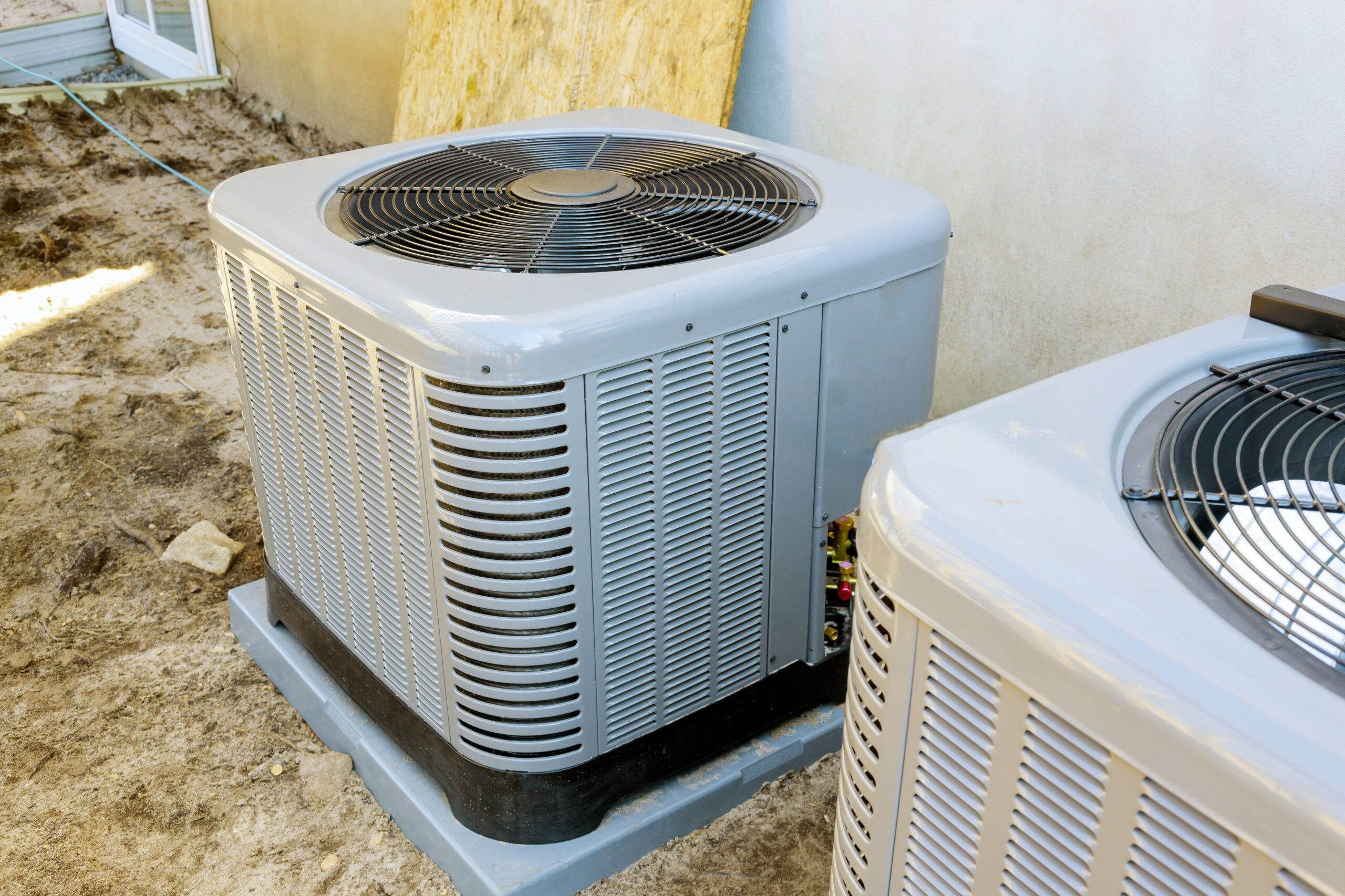
Why Upgrading Your AC System Is One of the Smartest Home Investments You Can Make
There is a moment every summer when the air conditioner struggles to keep up, the utility bill shows up looking alarming, and you start doing the math on whether it is finally time to replace the whole system. That moment feels overwhelming, but it does not have to. Upgrading your AC system is one of those home improvements that pays dividends in comfort, efficiency, and long-term cost savings. Understanding what the upgrade actually involves, what you stand to gain, and where the process can get complicated is the best starting point for any homeowner considering this move.
What Does Upgrading an AC System Actually Mean
Upgrading an AC system is not always the same as replacing it. Sometimes an upgrade means swapping out an older central air unit for a newer, higher-efficiency model. Other times it means transitioning from a traditional split system to a ductless mini-split configuration, or adding smart thermostat integration to an existing setup. The scope depends on your home, your current system, and your goals. That said, in most conversations about AC upgrades, homeowners are talking about replacing a unit that is ten or more years old with a modern system that uses significantly less energy while delivering better comfort throughout the home. The technology has genuinely changed a lot in the past decade, and the gap between older and newer units is wider than most people expect.
How Modern AC Systems Work and What Makes Them Different
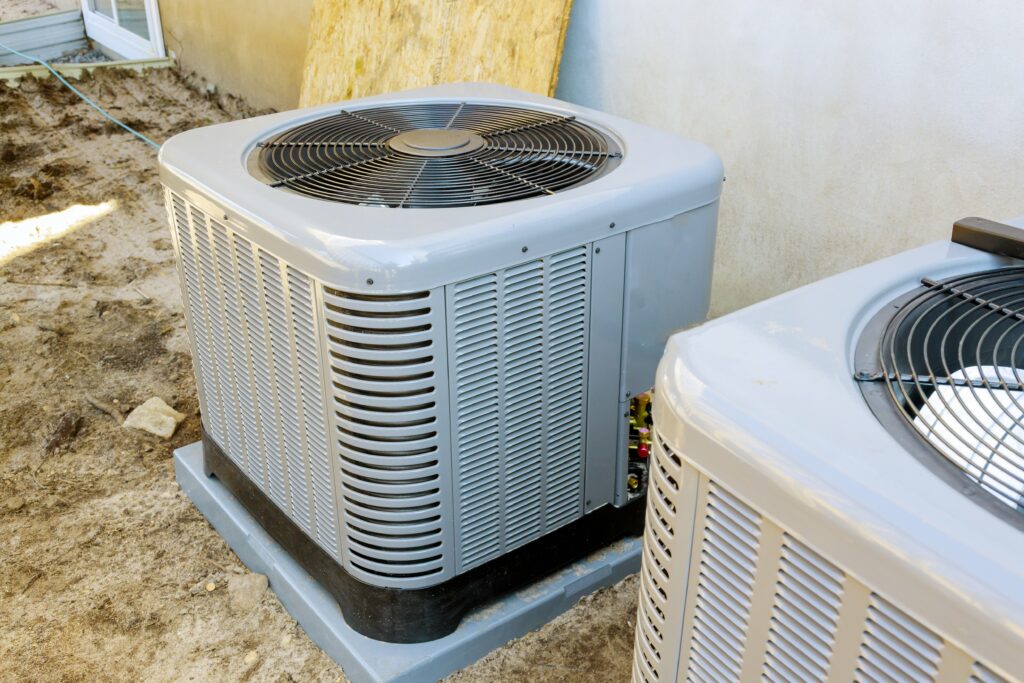
Modern air conditioning systems operate on the same fundamental principle as older units, moving heat from inside your home to outside using refrigerant, a compressor, and a series of coils. What has changed dramatically is how precisely and efficiently that process is managed. Older systems typically operate on a simple binary cycle, fully on or fully off. Newer systems use variable-speed compressors and multi-stage cooling, which means they can run at partial capacity to maintain a consistent temperature rather than blasting cold air until the thermostat clicks off. This translates directly into lower energy consumption, better humidity control, and a quieter experience overall. Many updated systems also use refrigerants that are more environmentally responsible than the older R-22 refrigerant, which has been phased out of production entirely.

The Key Advantages of Upgrading Your Home Cooling System
There are several compelling reasons to move forward with an AC upgrade, and they are not all about staying cool in July. Here is a look at what homeowners consistently report as the most meaningful benefits after making the switch.
- Lower monthly energy bills due to higher SEER ratings on modern units
- Improved indoor air quality through better filtration and humidity management
- More consistent room-by-room temperatures, especially in multi-story homes
- Reduced noise levels from variable-speed motors compared to single-stage compressors
- Greater compatibility with smart home systems and programmable controls
- Increased home value and appeal to future buyers
The SEER rating, which stands for Seasonal Energy Efficiency Ratio, is worth paying attention to when shopping for a new unit. Older systems often carry SEER ratings between 8 and 10. Federal minimum standards have increased, and many premium units now reach SEER ratings of 20 or higher. The higher the rating, the less energy the system uses to produce the same amount of cooling output.
Common Types of AC System Upgrades to Consider
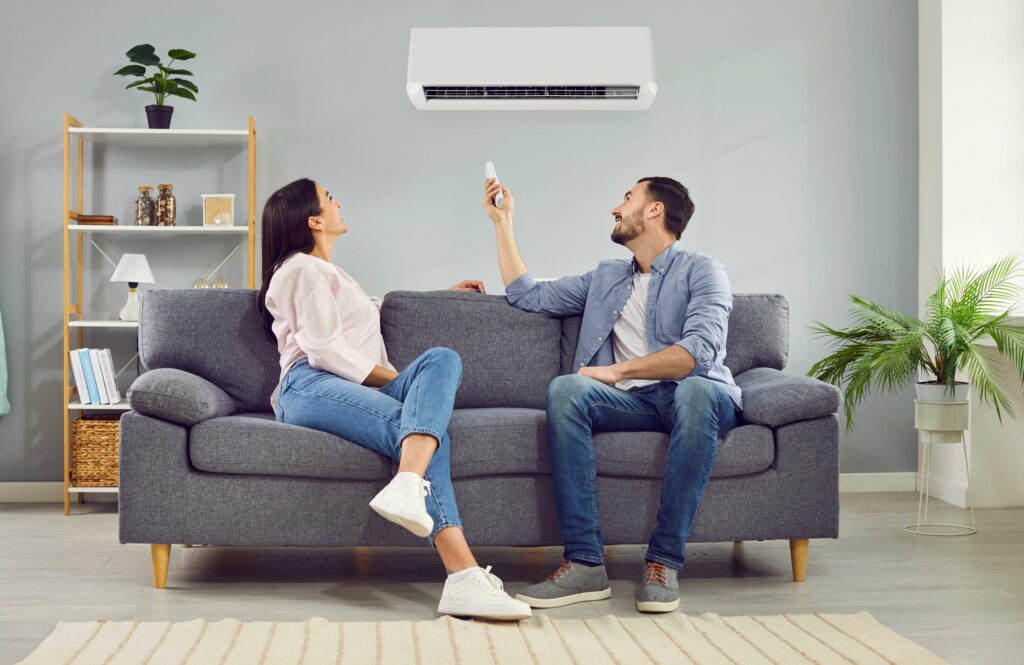
Not every home needs the same solution, and it is worth knowing what your options are before committing to a particular direction. Central air upgrades remain the most common path for homes that already have ductwork in place. If your ducts are in good condition, replacing just the air handler and outdoor condenser unit can be relatively straightforward. Ductless mini-split systems are increasingly popular in homes without existing ductwork, in additions, or in spaces where zoned temperature control is a priority. Heat pump systems, which handle both heating and cooling, are gaining traction in regions with mild winters due to their exceptional efficiency. Whatever route you consider, a licensed HVAC technician should evaluate your home before any equipment is selected, since the size of the unit matters just as much as its features.
The Drawbacks You Should Know Before Moving Forward
Upgrading an AC system is not without its challenges, and being realistic about the downsides helps you plan properly. The upfront cost is the most obvious hurdle. Depending on the system type, the size of your home, and your local market, a full AC replacement can run anywhere from three thousand to ten thousand dollars or more, including installation. If ductwork needs to be repaired or replaced, costs climb further. There is also the question of compatibility, since newer systems sometimes require electrical panel upgrades or changes to the existing infrastructure. Lead times for equipment can be an issue during peak season as well. And while newer systems are more reliable overall, any mechanical system can experience component failures, and those repairs on a high-efficiency unit can sometimes cost more than equivalent repairs on an older system would have.
What to Look for When Choosing a New AC System
The right system for your home depends on several factors working together. Square footage is the starting point, but ceiling height, insulation quality, sun exposure, and the number of windows all influence what size unit your home actually needs. Bigger is not always better when it comes to air conditioning. An oversized unit will cycle on and off too quickly, leading to poor humidity removal and uneven cooling. A qualified technician should perform what is called a Manual J load calculation to determine the correct size. Beyond sizing, look for units with strong manufacturer warranties, particularly on the compressor, which is the most expensive component. Energy Star certification is a reliable marker for units that meet meaningful efficiency standards, and it may also qualify you for federal or utility rebates.
Tips for Getting the Most Out of Your New AC System
- Schedule professional maintenance at least once a year, ideally in spring before heavy use begins
- Replace or clean air filters every one to three months depending on usage and household conditions
- Keep the area around your outdoor condenser unit clear of debris and vegetation
- Seal any air leaks around windows, doors, and ductwork to reduce the load on your system
- Use a programmable or smart thermostat to avoid running the system harder than necessary
Routine maintenance is not optional if you want a new AC system to reach its full expected lifespan, which for a well-maintained modern unit can be fifteen to twenty years. Skipping annual tune-ups is one of the most common ways homeowners unknowingly shorten the life of an otherwise solid system.
How a Home Warranty Fits Into Your AC Upgrade Plans
Once you have made the investment in a new AC system, protecting it becomes the natural next concern. A home warranty can serve as a practical financial safety net for exactly this kind of situation. While manufacturer warranties typically cover the equipment itself for a defined period, they often do not cover the labor costs associated with a repair, or components that fail due to normal wear over time. A home warranty fills that gap by covering mechanical failures that happen after the manufacturer warranty terms have been met or in areas those warranties do not address. Considering the cost of HVAC repairs, which can range from a few hundred dollars for a capacitor replacement to several thousand for a compressor failure, that coverage can more than pay for itself in a single incident.
Why Armadillo Is Worth a Look When You Are Protecting Your Home Systems
If you are investing in an AC upgrade, you already understand the value of planning ahead rather than reacting to problems after they happen. That same mindset is exactly what makes a home warranty from Armadillo home warranty coverage for cooling and HVAC systems such a logical next step. Armadillo is built for homeowners who want real protection without wading through confusing fine print or chasing down contractors. The plans are designed to cover the systems and appliances that matter most, and the experience from claim to resolution is intentionally straightforward. If you are ready to see what protection looks like for your newly upgraded AC system, you can get a free home warranty quote for air conditioning system coverage in just a few minutes and find out exactly what a plan would look like for your home.

Frequently Asked Questions About Upgrading Your AC System
How do I know if my AC system needs to be upgraded or just repaired?
If your system is more than ten years old, requires frequent repairs, struggles to maintain consistent temperatures, or has caused a noticeable increase in your energy bills, an upgrade is likely the more cost-effective long-term decision compared to continued repairs.
What is a SEER rating and why does it matter when replacing an AC unit?
SEER stands for Seasonal Energy Efficiency Ratio and measures how efficiently an air conditioner converts electricity into cooling output over an entire season. A higher SEER rating means lower energy consumption and lower monthly utility costs.
How long does it take to install a new central air conditioning system?
A standard central AC replacement typically takes one to two days for a professional crew, assuming the existing ductwork is in good condition and no major electrical modifications are needed.
Does upgrading my AC system require replacing the ductwork too?
Not necessarily. If your existing ductwork is properly sealed, insulated, and sized for the new unit, it can often remain in place. A technician should inspect it before installation to confirm its condition.
What is the average cost to replace a home air conditioning system?
Costs vary based on system type, home size, and regional labor rates, but most homeowners can expect to spend between three thousand and ten thousand dollars for a complete AC system replacement, including equipment and installation.
Are there tax credits or rebates available for upgrading to a high-efficiency AC system?
Yes, the federal Inflation Reduction Act includes tax credits for qualifying high-efficiency HVAC systems, and many utility companies offer additional rebates. Your HVAC contractor or a tax professional can help identify what applies to your situation.
What is the difference between a heat pump and a traditional central air conditioner?
A traditional central air conditioner only cools. A heat pump can both cool and heat your home by moving heat in either direction depending on the season, making it a highly efficient dual-purpose system particularly well suited for moderate climates.
Will a new AC system improve my indoor air quality?
Modern AC systems typically include improved filtration options and better humidity control compared to older units, both of which contribute meaningfully to healthier indoor air quality throughout the home.
Does a home warranty cover a newly installed AC system?
Home warranty coverage for a newly installed system depends on the specific plan terms. Many home warranty providers cover mechanical failures due to normal wear and tear, which can complement the manufacturer warranty that comes with new equipment.
How often should a new AC system be serviced after installation?
Professional maintenance once a year, typically in the spring before cooling season begins, is the standard recommendation. Regular servicing extends system lifespan, maintains efficiency, and helps catch small issues before they become expensive failures.