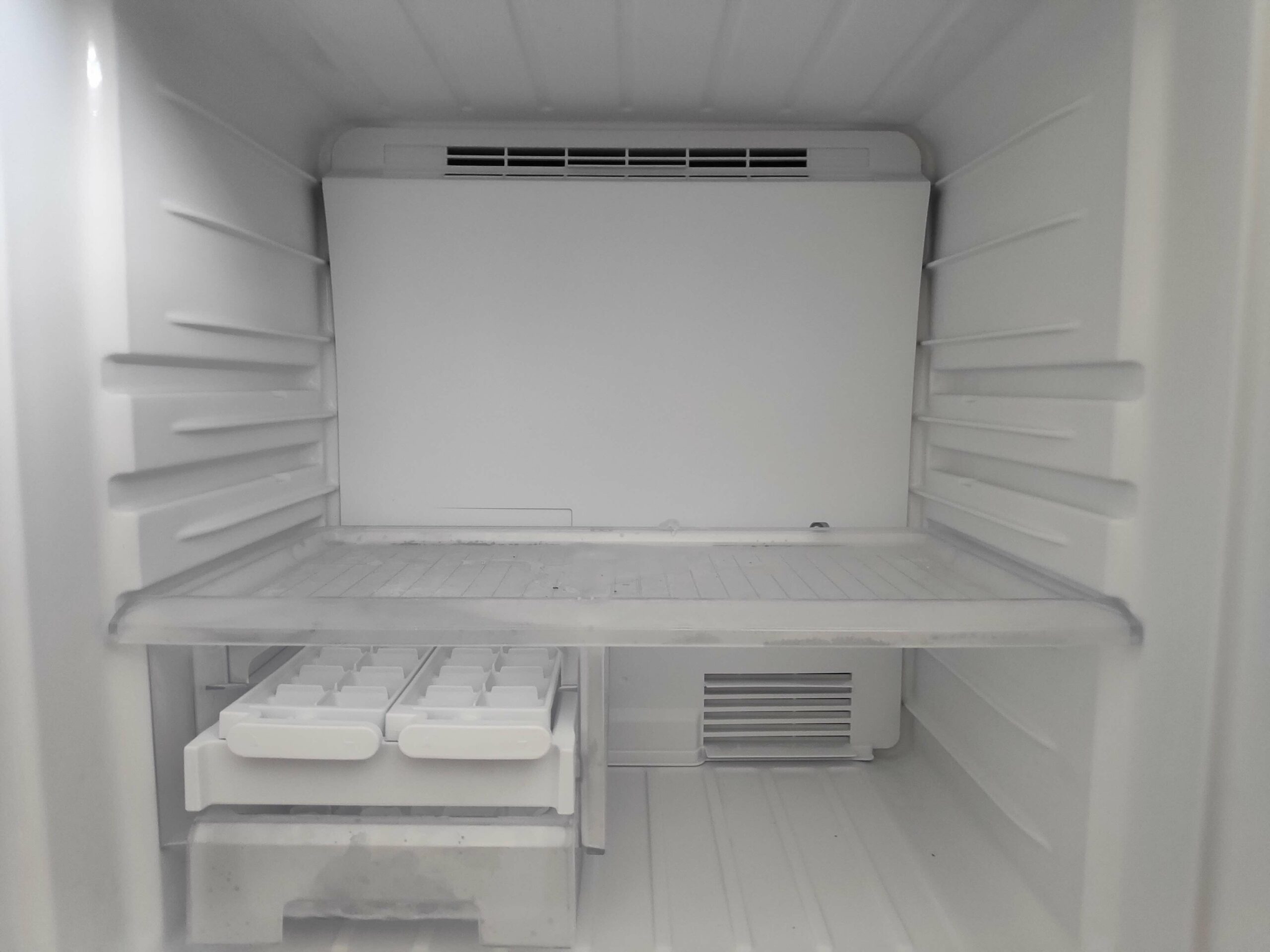
When Your Upright Freezer Stops Cooling: What Every Homeowner Should Know
You open the freezer door expecting solid ice and frozen food, and instead you find a warm, soggy mess. It happens more often than you might think, and the experience is never fun. An upright freezer that stops cooling is one of those household problems that sneaks up on you, usually at the worst possible time. Understanding how your upright freezer works, why it fails, and what your options are can save you time, money, and a lot of spoiled groceries. This guide walks through everything you need to know, from the basics of how these appliances operate to what a home warranty can do when things go sideways.
How an Upright Freezer Actually Works
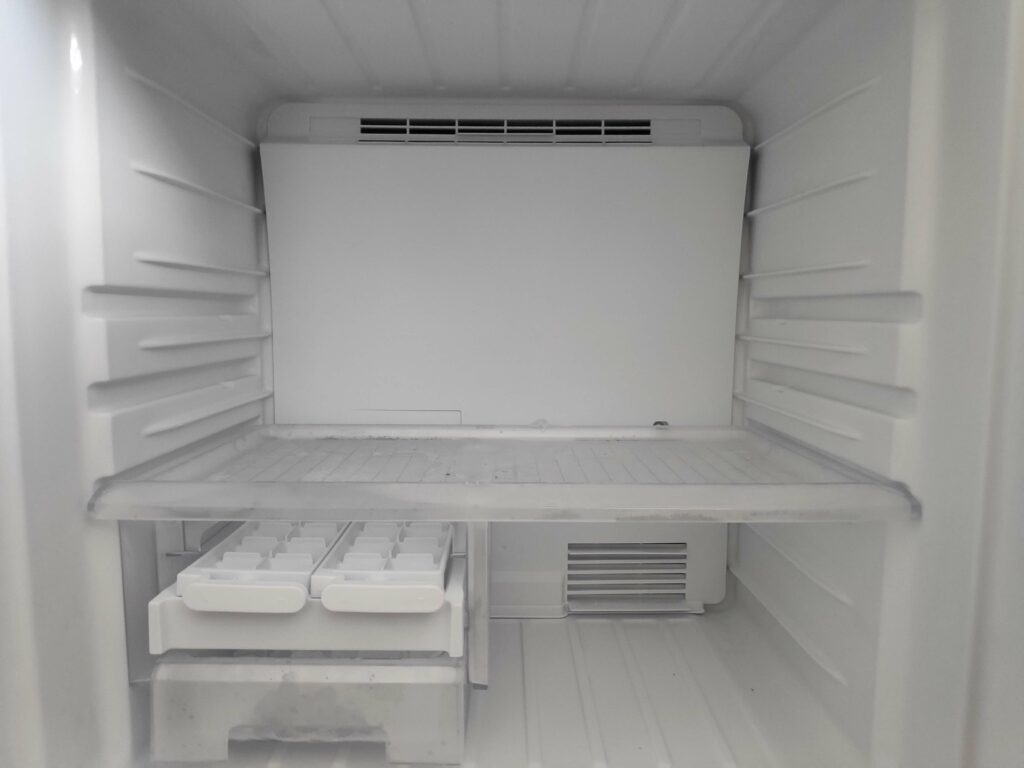
An upright freezer operates using a refrigeration cycle, which is a continuous loop involving a compressor, condenser coils, an expansion valve, and evaporator coils. The compressor pressurizes refrigerant gas, which then releases heat as it moves through the condenser coils. The refrigerant then passes through the expansion valve, drops in pressure and temperature, and absorbs heat from inside the freezer through the evaporator coils. That heat absorption is what creates the cold environment inside. A motorized fan circulates the cold air throughout the cabinet, keeping temperatures consistent. Simple in theory, but there are quite a few components working in sync at all times, which means there are several ways the system can break down.
Common Reasons an Upright Freezer Stops Cooling
When an upright freezer is not cooling properly, the cause could be mechanical, electrical, or something surprisingly minor. Knowing the most common culprits helps you have a more informed conversation with a technician and understand what kind of repair you might be facing.
- Faulty compressor: The compressor is the heart of the refrigeration system. When it fails, the entire cooling process stops.
- Dirty condenser coils: Dust and debris buildup on condenser coils reduces their ability to release heat, forcing the system to work harder and cool less effectively.
- Defrost system failure: Upright freezers have an automatic defrost system. When the defrost heater, thermostat, or timer fails, ice accumulates on the evaporator coils and blocks airflow completely.
- Evaporator fan motor failure: If the fan that circulates cold air stops working, the freezer interior will not maintain temperature even if the compressor is running.
- Refrigerant leak: Low refrigerant levels prevent the system from absorbing enough heat, resulting in poor cooling performance.
- Door gasket damage: A worn or cracked door seal allows warm air to continuously enter the cabinet, making it impossible to maintain freezing temperatures.
- Start relay failure: The start relay helps the compressor get running. A defective relay often means the compressor never engages at all.
Warning Signs You Should Never Ignore
An upright freezer rarely fails without giving some warning first. Catching the signs early can mean the difference between a minor repair and a complete appliance replacement. If your freezer is running longer than usual, making unusual clicking or humming sounds, or if there is visible frost buildup on the back wall or shelves, those are signals worth investigating. Ice cream that is soft when it should be firm, or food that seems partially thawed even though the freezer is running, are also clear indicators that something is off. A digital thermostat reading that does not match the actual temperature inside is another red flag. Do not dismiss these early symptoms as seasonal variations or a fluke. They tend to get worse, not better.

DIY Troubleshooting Steps Before Calling a Technician
Before scheduling a service call, there are a few things worth checking yourself. Start by making sure the freezer is plugged in and the circuit breaker has not tripped. Check the temperature settings to confirm they have not been accidentally changed. Pull the unit away from the wall and inspect the condenser coils for dust buildup, which you can clean carefully with a vacuum and a soft brush. Examine the door gasket by closing the door on a piece of paper and pulling it out. If it slides out easily, the seal is likely compromised. Listen for the compressor running and check whether the evaporator fan is spinning when you open the door. These basic checks cost nothing and can sometimes identify a surprisingly simple fix. However, anything involving refrigerant, electrical components, or the compressor should be handled by a licensed appliance technician.
The Real Cost of Upright Freezer Repairs
Repair costs for an upright freezer can vary widely depending on what has failed. Replacing a door gasket might cost between fifty and one hundred fifty dollars including labor, while a new evaporator fan motor typically runs between one hundred and two hundred dollars. Compressor replacement, however, is a different situation entirely. Depending on the brand and model, a compressor replacement can cost anywhere from three hundred to over six hundred dollars in parts and labor combined. In some cases, that approaches or exceeds the cost of a new mid-range upright freezer. Refrigerant recharges, defrost system repairs, and control board replacements tend to fall somewhere in the middle of that range. Understanding these numbers helps you make a more rational decision about whether to repair or replace.
Repair vs. Replace: How to Make the Right Call
The repair-versus-replace decision is one of the most common dilemmas homeowners face with aging appliances. A general rule of thumb used widely in the appliance industry is the fifty percent rule: if the estimated repair cost exceeds fifty percent of the cost of a new unit, replacement is typically the more financially sound choice. Age is also a critical factor. Most upright freezers have a lifespan of twelve to twenty years, depending on the brand and how well they have been maintained. If your freezer is more than ten years old and the compressor is failing, replacement is often worth serious consideration. If the unit is relatively new and the issue is a minor component like a fan motor or defrost thermostat, repair almost always makes more sense. A qualified technician can help you weigh both options based on the specific unit and failure.
How Proper Maintenance Extends Freezer Life
Routine maintenance is genuinely one of the most effective ways to avoid premature freezer failure. Cleaning the condenser coils at least once a year removes dust that can cause overheating and compressor strain. Keeping the freezer adequately full, without overpacking it, helps maintain temperature stability because the frozen mass helps regulate internal temps. Inspecting door gaskets every six months for cracks or gaps ensures the seal is doing its job. Keeping the freezer in an environment where the ambient temperature stays between fifty and one hundred ten degrees Fahrenheit helps the system operate within its designed parameters. Also, avoid placing the unit directly against a wall, since proper airflow around the condenser coils is essential for heat dissipation. These maintenance habits are simple, cost nothing significant, and directly extend the working life of the appliance.
Where a Home Warranty Fits Into This Picture
A home warranty is a service contract that covers the repair or replacement of major home systems and appliances when they break down due to normal wear and tear. Unlike homeowners insurance, which covers sudden damage from events like fire or storms, a home warranty is specifically designed for mechanical and functional failures, exactly the kind of breakdown an upright freezer experiences when the compressor or evaporator fan gives out. When a covered appliance fails, you contact the warranty provider, pay a service fee, and a technician is dispatched to diagnose and repair the issue. For homeowners who rely on their upright freezer for bulk food storage, a home warranty can transform a potentially expensive and stressful repair into a manageable, predictable expense.
Why Armadillo Is Worth Your Attention When Your Freezer Fails
When your upright freezer stops cooling and you are staring down a repair estimate that does not feel reasonable, having the right coverage in place changes everything. Armadillo is built for exactly these moments. As a trusted home warranty provider for appliance repair and replacement coverage, Armadillo offers transparent plans that actually make sense for homeowners, without the confusing exclusions and fine print that have given the home warranty industry a complicated reputation. Coverage for major appliances like upright freezers means that when the compressor quits or the defrost system fails, you are not absorbing the full cost out of pocket. If you want to know exactly what your home would be covered for, you can get a free upright freezer home warranty quote in seconds and see coverage options tailored to your zip code. Protecting a freezer full of food and the appliance itself is the kind of practical decision that pays off in ways that are easy to measure.

Frequently Asked Questions About Upright Freezers Not Cooling
Why is my upright freezer running but not freezing?
If the freezer is running but not reaching freezing temperatures, the most common causes are a failed evaporator fan motor, a blocked defrost system with ice covering the evaporator coils, or a refrigerant leak. A technician can diagnose the specific cause with a hands-on inspection.
How long should an upright freezer last?
Most upright freezers last between twelve and twenty years with proper maintenance. Units that are well maintained, kept in temperature-stable environments, and have their coils cleaned regularly tend to reach the higher end of that range.
Is it worth repairing an upright freezer or should I replace it?
If the repair cost exceeds fifty percent of the price of a new unit, or if the freezer is more than ten years old with a major component failure like the compressor, replacement is generally the better investment. For newer units with minor repairs, fixing it is almost always the smarter financial choice.
Can frost buildup cause an upright freezer to stop cooling?
Yes. Excessive frost on the evaporator coils, usually caused by a defrost system failure, blocks airflow entirely and prevents the refrigeration cycle from working correctly. This is one of the most common causes of inadequate cooling in upright freezers.
Does a home warranty cover upright freezer repairs?
Many home warranty plans do cover upright freezer repairs, including component failures caused by normal wear and tear. Coverage specifics vary by provider and plan, so reviewing what is included before purchasing is always a good idea.
How do I know if my freezer compressor is bad?
Signs of a failing compressor include the freezer not cooling at all, a loud clicking sound when the unit tries to start, or the compressor running continuously without lowering the temperature. A technician can confirm a compressor failure with a diagnostic test.
What temperature should an upright freezer be set to?
The FDA recommends keeping freezer temperatures at zero degrees Fahrenheit or below to safely preserve frozen food. Most upright freezers operate optimally between negative ten and zero degrees Fahrenheit for long-term storage.
Can a dirty door gasket really cause cooling problems?
Absolutely. A damaged or dirty door gasket allows warm air to seep into the freezer continuously, making it nearly impossible for the unit to maintain the proper temperature. Gasket replacement is one of the most affordable fixes available for an underperforming freezer.
What should I do with the food in my freezer while it is being repaired?
Transfer food to a working refrigerator, a cooler with ice, or a neighbor’s freezer as quickly as possible. Food safety guidelines from the USDA indicate that frozen food that still contains ice crystals or has been kept at forty degrees Fahrenheit or below can generally be refrozen safely.
How much does it cost to fix an upright freezer that is not cooling?
Repair costs range widely depending on the failed component. Minor repairs like a door gasket or start relay might cost between fifty and two hundred dollars, while major repairs like compressor replacement can run three hundred to six hundred dollars or more including parts and labor.