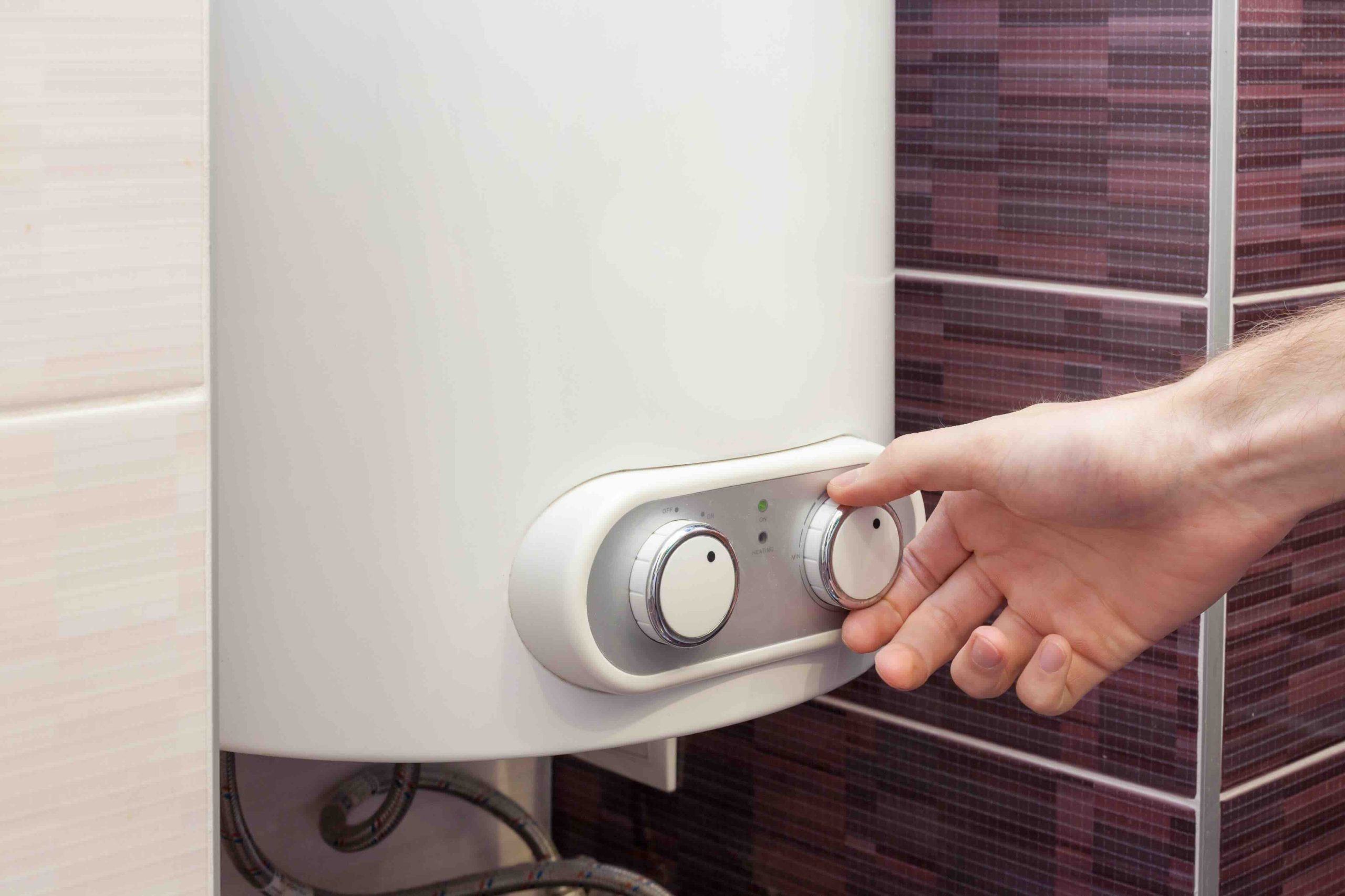
Your Water Heater Is Blinking a White Light: Here Is What That Actually Means
You glance over at your water heater and notice a white light blinking at you. Maybe it is slow and rhythmic, maybe it is rapid and urgent. Either way, your first instinct is probably something between mild concern and full-on panic. That reaction is completely understandable, but in most cases, a blinking white light on a water heater is your appliance trying to communicate something specific, not simply giving up on you. Knowing how to read that signal can save you time, money, and a cold shower you were not expecting.
What the Blinking White Light Is Actually Telling You
Modern water heaters, especially tankless and high-efficiency models, are equipped with diagnostic systems that use indicator lights to relay status information. A blinking white light is part of this built-in communication system. Think of it less like a warning alarm and more like a status update. Depending on the brand and model, the pattern of the blink matters enormously. A single blink every few seconds typically signals normal operation. Three rapid blinks might indicate a pressure issue. Five blinks could point to a temperature sensor fault. The number, speed, and rhythm of the blink sequence are all intentional, and your owner’s manual is the decoder key you need to interpret them correctly.
Common Reasons a Water Heater Blinks White
The blinking white light on a water heater can trace back to several different causes, and not all of them spell trouble. Here is a breakdown of what tends to trigger that light in the first place.
- Normal standby mode: Some units blink white simply to confirm they are powered on and functioning within expected parameters.
- Ignition failure: On gas water heaters, a white blinking light sometimes signals that the burner failed to ignite properly on the first or second attempt.
- Temperature sensor error: If an internal sensor detects a temperature reading outside the acceptable range, the unit flags it with a specific blink pattern.
- Pressure relief valve alert: Excess pressure in the tank can trigger a warning light sequence, including white blinking in some models.
- Exhaust or venting issue: Restricted airflow or a blocked flue pipe can cause a diagnostic light to activate as a safety response.
- Sediment buildup: Heavy mineral deposits can interfere with heating elements and trigger sensor-based alerts.
How to Read Blink Codes on Your Specific Unit
This part really matters. A water heater blinking white light does not carry a universal meaning across all brands. A Rheem, Bradford White, A.O. Smith, and Rinnai unit will each have their own diagnostic language. The blink codes are documented in the installation and operation manual that came with your unit. If you no longer have that manual, most manufacturers post them online and they are searchable by model number, which is usually printed on a label affixed to the unit itself. Once you locate your manual, find the section labeled something like diagnostic codes, status light guide, or error codes. Count the number of blinks in one sequence, note the pause between sequences, and match that pattern to the chart in your manual. That single step can tell you exactly where the problem lies before you ever pick up the phone.
When a Blinking White Light Signals a Bigger Problem
Not every blink is benign. There are situations where the light is your water heater’s way of flagging something that genuinely needs professional attention. If you notice the blinking light is accompanied by a lack of hot water, unusual sounds like banging or hissing, a burning smell, or visible rust or moisture around the unit, those are signs that the issue has moved past a minor diagnostic flag. Gas-related error codes especially should be taken seriously. A failed ignition sequence or gas valve issue is not something to troubleshoot with a YouTube video and a wrench unless you have professional training. When in doubt, shut off the gas supply, avoid the area, and call a licensed technician.

Simple Troubleshooting Steps You Can Try at Home
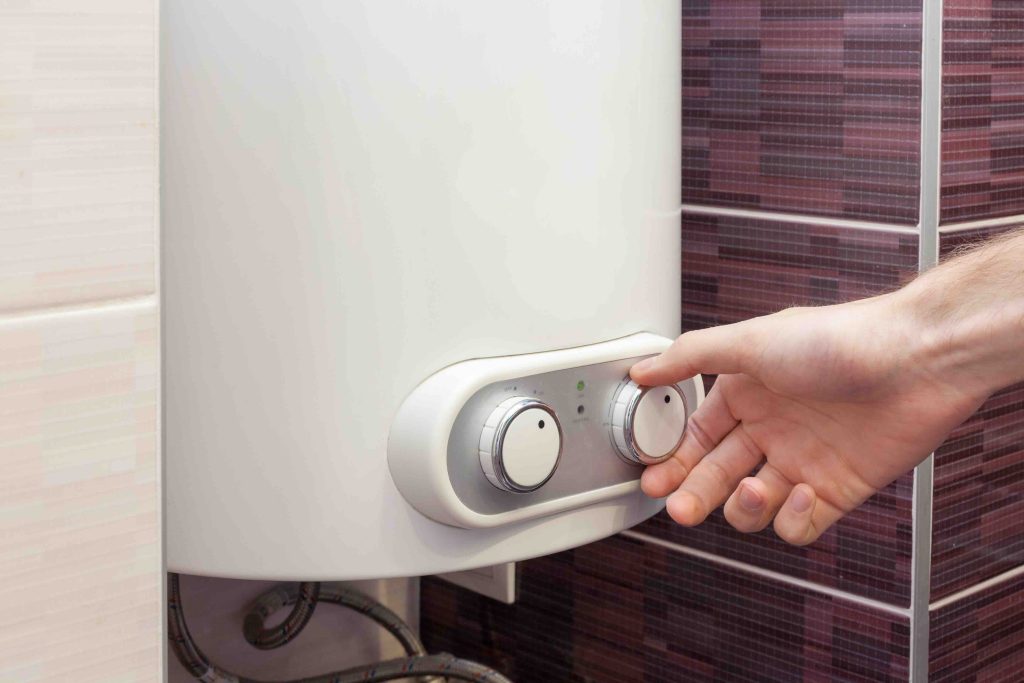
Before calling a professional, there are a few low-risk steps you can take to address a blinking white light on your water heater. Start by resetting the unit. Most water heaters have a reset button, often a red or black button located near the thermostat panel. Pressing it and waiting a few minutes can clear a temporary fault. Next, check your pilot light if you have a gas unit. A pilot that has gone out will typically trigger a diagnostic code. Relighting it according to your manual’s instructions may resolve the issue immediately. Also inspect the area around the unit for any obvious issues: blocked vents, tripped circuit breakers, or water pooling near the base. These visual checks take minutes and can surface an obvious fix without any cost.
The Role of Maintenance in Preventing Water Heater Alerts
A water heater blinking white light is sometimes less about a sudden failure and more about accumulated neglect. Sediment builds up in tanks over time, particularly in areas with hard water. This forces the heating element to work harder, which stresses components and eventually triggers sensor alerts. Flushing your water heater tank once a year removes that sediment and keeps things running efficiently. Replacing the anode rod every three to five years protects the tank interior from corrosion. Checking the pressure relief valve periodically ensures it functions properly and does not become a source of pressure-related error codes. These are not glamorous tasks, but they extend the lifespan of your unit considerably and reduce the frequency of those blinking diagnostic lights.
Tankless Water Heaters and White Blinking Lights
Tankless water heaters deserve a specific mention here because their diagnostic systems tend to be more sophisticated than traditional tank units. These systems are essentially small computers that monitor flow rate, inlet and outlet temperatures, gas pressure, and ignition cycles in real time. A blinking white light on a tankless unit is often paired with a numeric error code displayed on a small screen. These codes are highly specific and can point to anything from a scale buildup on the heat exchanger to a faulty flow sensor. Tankless units also tend to be more sensitive to water quality, so in hard water areas, descaling the unit regularly is not optional, it is required maintenance if you want to avoid recurring error codes and premature replacement.
Water Heater Lifespan and When Replacement Makes More Sense Than Repair
A blinking white light on an aging water heater raises a different kind of question. If your unit is ten years old or more, repeated diagnostic alerts can be a signal that the system is approaching the end of its useful life rather than experiencing a fixable isolated fault. Tank water heaters typically last eight to twelve years. Tankless units can stretch to twenty years with proper maintenance. When repair costs start approaching half the cost of a replacement unit, most professionals recommend replacement. Age combined with recurring error codes, rust-colored water, inconsistent temperature output, or visible corrosion on the tank are all indicators that a diagnostic light is not the core issue anymore, but rather a symptom of systemic decline.
How a Home Warranty Can Cover Water Heater Repairs and Replacements
Here is where things get genuinely useful for homeowners. Water heater repairs and replacements can be expensive, often landing anywhere between a few hundred dollars for a minor component fix and several thousand for a full unit replacement. A home warranty plan is designed to step in when covered systems and appliances fail due to normal wear and tear, which is exactly the kind of failure a blinking diagnostic light often represents. When you have coverage through a reliable provider, a water heater issue that might otherwise require an out-of-pocket emergency repair becomes a managed service call instead. That is a meaningful financial difference, especially when the failure happens at the worst possible time. If you want home warranty protection that covers water heater breakdowns and repairs, Armadillo offers straightforward plans built around the real costs homeowners face. There is no confusing fine print and no runaround when something goes wrong. You can get a free water heater home warranty quote in seconds and see exactly what is covered before you commit to anything. When that white light starts blinking and the repair estimate comes in higher than you expected, having Armadillo in your corner makes the entire situation far more manageable.

Frequently Asked Questions About Water Heater Blinking White Light
These are the questions homeowners ask most often when they notice a blinking white light on their water heater.
What does a blinking white light on a water heater mean?
A blinking white light on a water heater is a diagnostic signal. Depending on the brand and model, it can indicate normal standby operation, an ignition failure, a temperature sensor error, a pressure issue, or a venting problem. The blink pattern, meaning the number and speed of blinks, determines what the unit is communicating. Consult your owner’s manual for the specific blink code chart for your unit.
Is a blinking white light on a water heater dangerous?
It depends on what is causing the blink. In many cases, a blinking white light is informational and not immediately dangerous. However, if the blink code relates to a gas valve failure, ignition error, or pressure buildup, those situations carry more risk and should be addressed promptly by a licensed technician.
How do I reset a water heater with a blinking white light?
Locate the reset button on your water heater, which is usually a red or black button near the thermostat. Press and hold it until you hear a click, then release. Wait several minutes before checking whether the light pattern has changed. If the light continues blinking in an error pattern after a reset, the underlying issue has not been resolved and requires further diagnosis.
Can I fix the issue causing the blinking white light myself?
Some causes, such as a pilot light that has gone out or a tripped reset button, can be addressed by a homeowner following the manufacturer’s instructions. Issues related to gas components, internal sensors, or electrical faults should be handled by a qualified technician to avoid risk of injury or further damage.
Why is my tankless water heater blinking white?
Tankless water heaters use advanced diagnostic systems that blink indicator lights alongside numeric error codes. A blinking white light on a tankless unit often points to a flow sensor issue, scale buildup on the heat exchanger, an ignition problem, or a venting restriction. Check the error code displayed on the unit’s screen and cross-reference it with your manual.
How many times should a water heater light blink for normal operation?
This varies by manufacturer. Many units blink once every three seconds to indicate normal standby operation. Faster sequences or multiple blinks in a pattern typically indicate an error code. Always verify against your specific unit’s documentation rather than assuming a universal standard applies.
Does sediment buildup cause a water heater to blink white?
Yes, it can. Heavy sediment accumulation forces heating elements to overwork, which can cause temperature sensors to register abnormal readings and trigger diagnostic light sequences. Flushing your tank annually reduces sediment and lowers the likelihood of sensor-triggered alerts.
Will a home warranty cover a water heater that is showing a blinking white light error?
A home warranty typically covers water heater failures caused by normal wear and tear, which includes many of the component failures that trigger diagnostic error codes. Coverage specifics vary by plan, so reviewing your contract terms is important. Most reputable home warranty providers include water heaters as a covered system in their standard plans.
How long should a water heater last before error lights become a chronic issue?
Tank water heaters generally last eight to twelve years. Tankless units can last up to twenty years with proper maintenance. If your unit is older than ten years and you are seeing repeated diagnostic alerts, it may be more cost-effective to consider replacement rather than continued repairs.
When should I call a professional about a water heater blinking white light?
Call a professional if the blink code relates to gas ignition, if you smell gas near the unit, if you have no hot water despite attempting a reset, if you notice water pooling around the base, or if the error code returns repeatedly after resets. Persistent diagnostic alerts on an older unit are also a strong indicator that professional assessment is warranted.