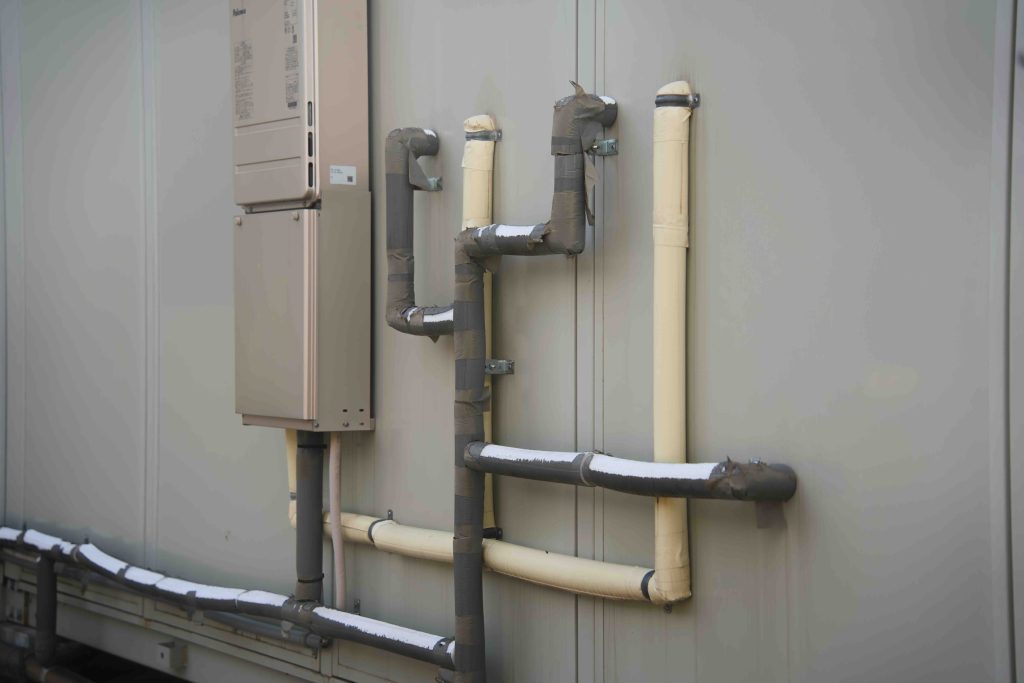
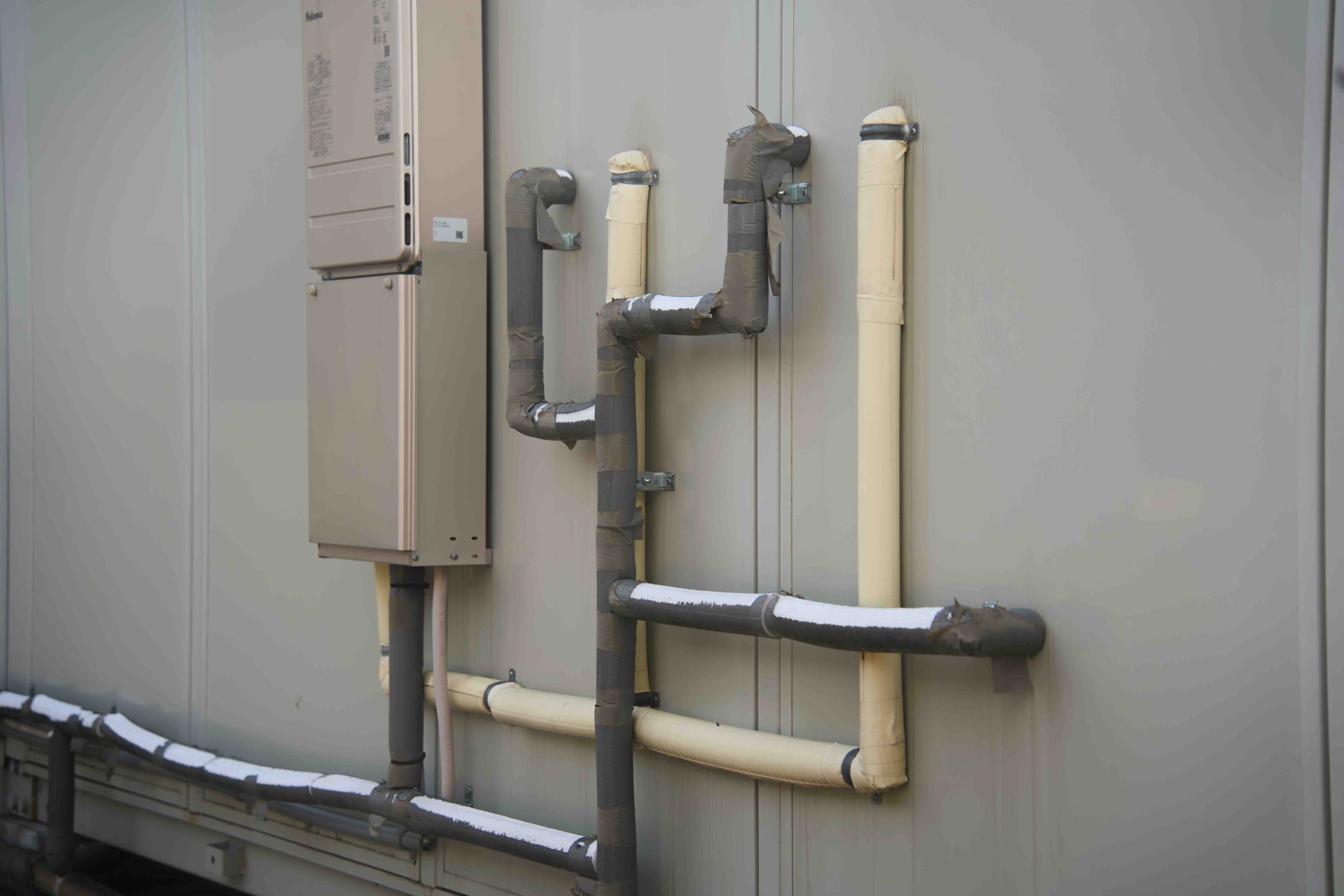
What Is Water Heater Pipe Insulation and Why Should You Care?
Water heater pipe insulation is exactly what it sounds like: a layer of protective material wrapped around the hot and cold water pipes connected to your water heater. It sounds simple, and honestly, it is. But the impact it has on your home’s energy efficiency, your comfort, and even the lifespan of your plumbing is surprisingly significant. Most homeowners never think twice about those exposed pipes running to and from their water heater until something goes wrong. This article is about getting ahead of that moment.
How Water Heater Pipe Insulation Actually Works
The science here is straightforward. When hot water travels through uninsulated pipes, it loses heat to the surrounding air before it even reaches your faucet. That means your water heater has to work harder, run more frequently, and consume more energy just to compensate for that loss. Pipe insulation acts as a thermal barrier, slowing down that heat transfer significantly. The most common material used is foam pipe insulation, which comes in pre-slit tubes that slip directly over the pipe. There are also fiberglass wraps and rubber foam options for areas with higher temperature demands or tighter clearances. The insulation traps the heat inside the pipe, keeping your water warmer for longer and reducing the load on your water heater as a result.
The Key Benefits of Insulating Your Water Heater Pipes
The benefits stack up quickly once you start thinking about them. Energy savings are the most obvious. When hot water pipes are insulated, water arrives at your fixtures at a higher temperature, which means your water heater does not need to reheat as often. Studies and energy efficiency reports have consistently shown that insulating hot water pipes can raise water temperature delivery by two to four degrees Fahrenheit, which adds up over time on your utility bill. Beyond energy savings, pipe insulation also reduces the wait time for hot water to reach your tap, which is a small but genuinely satisfying improvement to daily life. There is also a freeze protection angle worth mentioning, particularly for pipes in unconditioned spaces like garages or crawl spaces. Insulation will not replace heat tape in extreme cold, but it does provide a meaningful buffer against temperature drops.
- Reduces standby heat loss from exposed pipes
- Lowers monthly energy consumption and utility costs
- Delivers hot water to fixtures faster
- Provides a layer of freeze protection in cooler areas
- Extends the working life of your water heater by reducing operating cycles
Common Drawbacks and Limitations to Know Before You Start
No home improvement solution is without its trade-offs, and pipe insulation is no exception. The most common limitation is accessibility. Pipes in tight or hard-to-reach spaces can make proper insulation difficult to apply evenly, which reduces its effectiveness. There is also the matter of material degradation over time. Foam insulation, while affordable and easy to install, can become brittle and cracked after years of exposure to heat, moisture, or ultraviolet light in certain environments. Fiberglass insulation handles heat better but requires more careful handling due to its irritating fibers. And while the DIY installation is manageable for most homeowners, pipes near the flue or in areas with code restrictions may require professional attention. It is worth checking local building codes before starting, especially on gas water heater connections.
What Type of Pipe Insulation Is Right for Your Home
Choosing the right insulation material depends on where your pipes are located and what kind of water heater you have. Foam pipe insulation, often made from polyethylene or neoprene, is the go-to choice for most residential applications. It is affordable, easy to find at any hardware store, and simple to install without any special tools. For pipes that get very hot, like those near a gas water heater flue, you want to look at higher-temperature rated options such as fiberglass pipe wrap. Rubber foam insulation is a solid middle ground, offering better durability and flexibility than basic foam while still being manageable for a DIY install. The thickness of the insulation also matters. A half-inch wall thickness is generally sufficient for pipes in conditioned spaces, but pipes in unconditioned areas benefit from three-quarter-inch or thicker insulation for better thermal retention.

How to Insulate Water Heater Pipes Yourself
For most homeowners, this is a manageable weekend project. Start by measuring the diameter and total length of the pipes you want to insulate, then purchase the appropriate foam pipe insulation at your local hardware store. The pre-slit foam tubes are designed to simply open and press around the pipe, securing with the built-in adhesive strip or with a wrap of foil tape. Cut sections to length with a utility knife, making clean mitered cuts at corners and joints to ensure full coverage with minimal gaps. Pay extra attention to the first three to six feet of both the hot and cold water supply pipes connected to the water heater, as this is where heat loss is most significant. If any pipes run through walls or inaccessible areas, focus on what you can reach. Even partial insulation is meaningfully better than none.
When to Call a Professional Instead
There are scenarios where a DIY approach to pipe insulation is not the right call. If your water heater is older and showing signs of corrosion, leaks, or sediment buildup, those underlying issues need to be addressed before insulation work begins. Wrapping pipes on a water heater that is already struggling just delays the inevitable. Additionally, if you have a gas water heater and the pipes run close to the flue exhaust, professional guidance ensures the insulation materials used are rated for those temperatures and installed safely. Homeowners with complex plumbing configurations, hard-to-access utility rooms, or older homes with mixed pipe materials should also consider getting a plumber involved to make sure the job is done correctly and up to current standards.
How Pipe Insulation Connects to Water Heater Maintenance
Pipe insulation does not exist in isolation. It is one piece of a broader water heater maintenance strategy that keeps your system running efficiently for as long as possible. Flushing your water heater tank annually to remove sediment, checking the anode rod every few years, testing the pressure relief valve, and maintaining proper thermostat settings all work together with pipe insulation to maximize efficiency and longevity. Think of pipe insulation as a support player rather than the star. When combined with regular maintenance, it genuinely helps your water heater perform better and last longer, which directly delays the cost of replacement.
- Flush the tank annually to remove mineral sediment buildup
- Inspect and replace the anode rod every three to five years
- Test the temperature and pressure relief valve regularly
- Set your thermostat to 120 degrees Fahrenheit for optimal efficiency
- Pair pipe insulation with water heater blanket insulation for maximum results
Why a Home Warranty Can Protect Your Water Heater Investment
You have insulated your pipes, maintained your system, and done everything right. And still, water heaters break down. They have a lifespan of eight to twelve years on average, and when they fail, the cost of repair or replacement can hit hard. That is exactly where a home warranty earns its place in your financial toolkit. Armadillo is a trusted home warranty provider for water heater systems and whole-home coverage designed to protect homeowners from the unpredictable costs that come with aging appliances and systems. Pipe insulation adds years to your water heater’s efficiency, but it does not make the system immortal. When the time comes for a repair or replacement, having a plan in place takes the financial sting out of the situation. If you are ready to stop bracing for the next unexpected bill, you can get a personalized home warranty quote that covers your water heater and more in just a few minutes.

Frequently Asked Questions About Water Heater Pipe Insulation
Here are answers to the most common questions homeowners ask about water heater pipe insulation, covering installation, materials, costs, and more.
Does insulating water heater pipes actually save money on energy bills?
Yes, it does. Insulating hot water pipes reduces standby heat loss, which means your water heater runs less frequently to maintain water temperature. Over a full year, this can translate to a measurable reduction in energy costs, particularly in homes where the water heater runs heavily or is located far from frequently used fixtures.
Which pipes should I insulate on my water heater?
Prioritize the first three to six feet of the hot water outlet pipe and the cold water inlet pipe. The hot water pipe loses the most heat in that initial stretch, and insulating the cold water pipe helps prevent condensation and provides minor thermal protection near the tank.
Can I insulate the pipes on a tankless water heater?
Yes, and it is recommended. Tankless water heaters still use supply and outlet pipes that experience heat loss. Insulating those pipes improves delivery efficiency and helps preserve the system’s on-demand performance, particularly in colder climates or homes with longer pipe runs.
What R-value should pipe insulation have for water heater pipes?
For most residential hot water pipes, an R-value between R-3 and R-4 is sufficient. This typically corresponds to foam pipe insulation with a half-inch to three-quarter-inch wall thickness. Higher R-values are beneficial for pipes in unconditioned spaces or colder climates.
Is it safe to insulate pipes near a gas water heater flue?
Standard foam pipe insulation should never be placed near the flue exhaust of a gas water heater because it is not rated for those temperatures. Use high-temperature rated fiberglass insulation for any pipes within six inches of the flue, and consult a licensed plumber or technician if you are unsure about clearances.
How long does foam pipe insulation last?
Foam pipe insulation typically lasts between three and five years in high-heat or UV-exposed environments, and longer in moderate, protected conditions. Inspect it annually for cracks, brittleness, or gaps, and replace sections as needed to maintain consistent thermal protection.
Will pipe insulation prevent my pipes from freezing?
Pipe insulation slows heat loss and provides a moderate buffer against cold temperatures, which can help in mild freeze conditions. However, it is not a substitute for heat tape or pipe heating cables in areas that regularly reach freezing temperatures. It works best as a supplementary layer of protection.
Does pipe insulation affect water pressure?
No. Pipe insulation wraps around the exterior of the pipe and has no effect on water flow or pressure inside the pipe. It purely addresses thermal performance and condensation prevention.
Is water heater pipe insulation covered under a home warranty?
Home warranties typically cover the mechanical components and systems of a home, including the water heater itself. Pipe insulation as a material is generally considered a maintenance item rather than a covered system. However, damage to pipes connected to the water heater may fall within coverage depending on the specific plan terms.
How much does it cost to insulate water heater pipes?
The materials for a basic DIY pipe insulation job typically cost between ten and thirty dollars for most residential water heater setups. Professional installation may cost more depending on the complexity of the plumbing layout, but the return on investment through energy savings generally offsets that cost within the first year.