What Is Water Heater Sediment and Why Should You Care?
Your water heater works quietly in the background every single day, and most homeowners never think about it until something goes wrong. One of the most common and overlooked issues affecting water heaters is sediment buildup inside the tank. This happens gradually over time and can cause real damage if left unaddressed. Understanding what sediment is, where it comes from, and what it does to your system is one of the smartest things you can do as a homeowner. It is not a glamorous topic, but it is an important one.
Where Does Water Heater Sediment Come From?
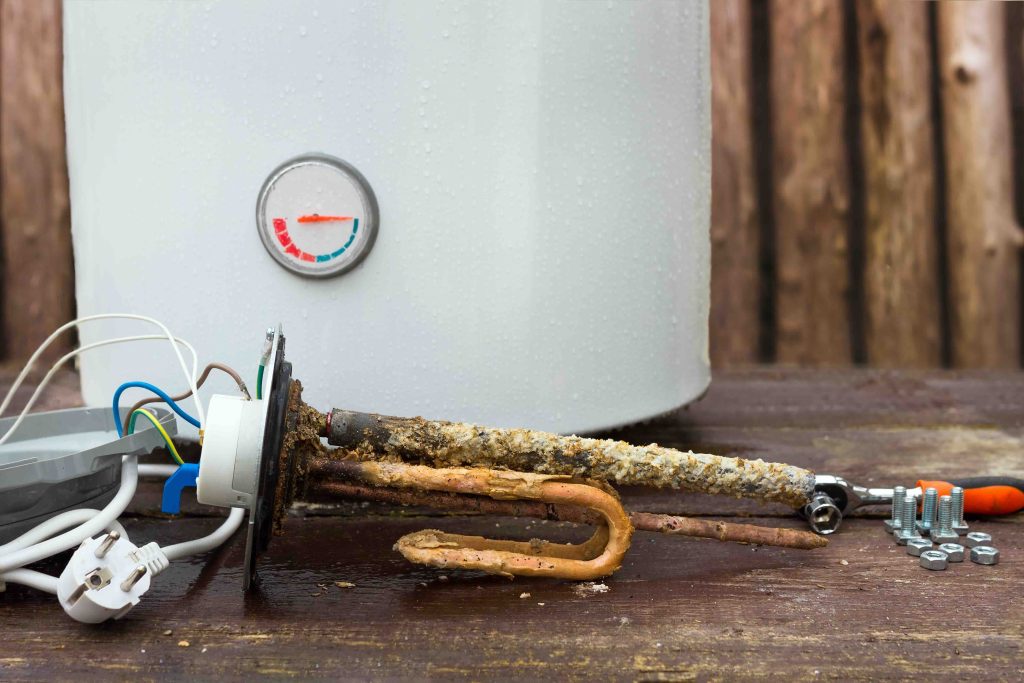
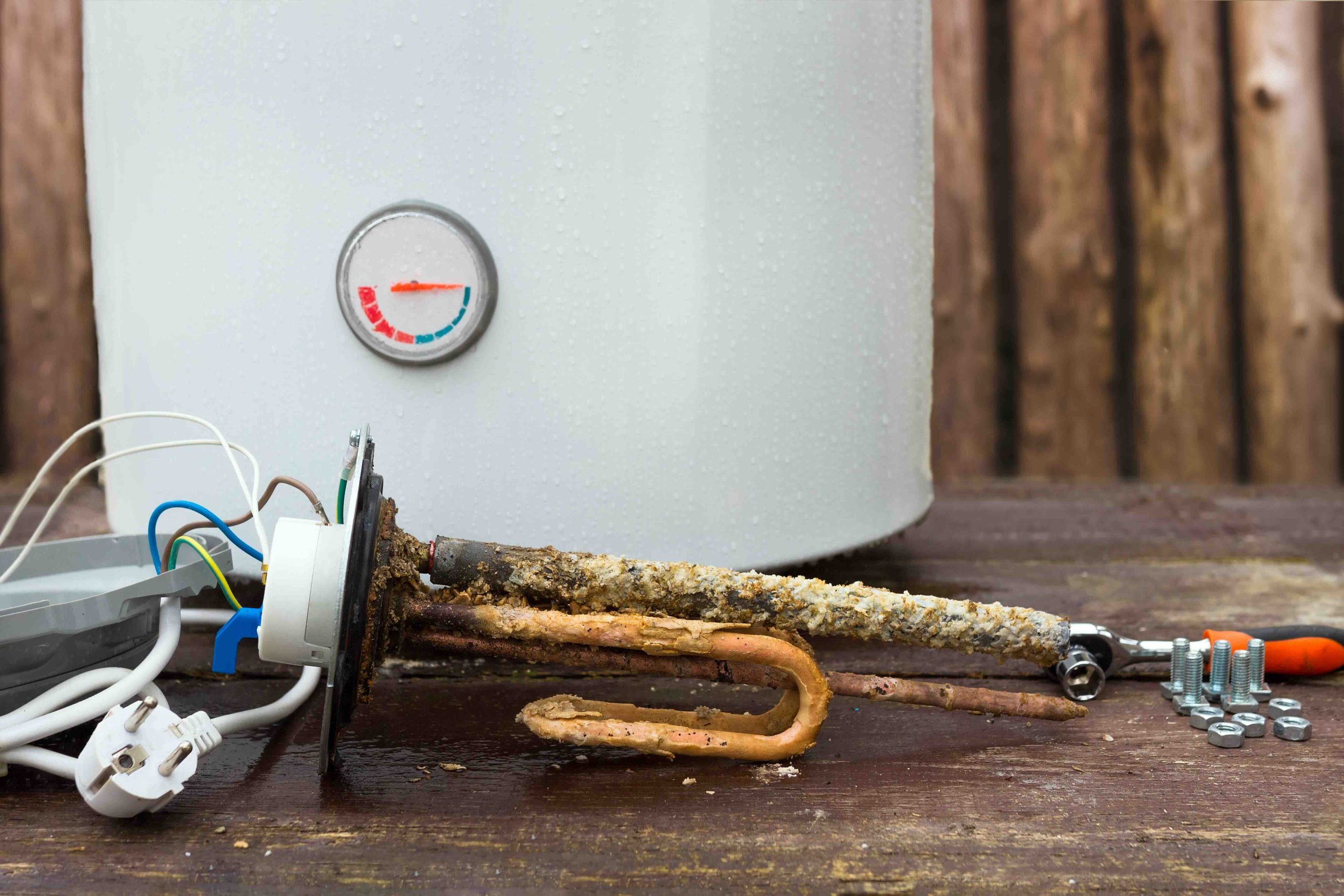
Sediment inside a water heater is mostly made up of minerals that naturally occur in your water supply, primarily calcium and magnesium carbonate. These minerals are dissolved in the water when it enters your home, but once that water is heated, the minerals separate and settle at the bottom of the tank. This is especially common in areas with hard water, which is water with a high mineral content. Over months and years, these deposits accumulate into a thick layer at the bottom of the tank. Sand, rust, and other debris from your pipes can also contribute to the buildup, making the problem worse over time.
How Sediment Affects Your Water Heater’s Performance
Once sediment builds up along the floor of your tank, your water heater has to work significantly harder to heat the water above it. Think of it like trying to heat a pot of water through a thick layer of sand. The burner runs longer, uses more energy, and the heat distribution becomes uneven. Over time, this added strain causes the bottom of the tank to overheat, which can crack the lining, weaken the tank structure, and shorten the overall lifespan of the unit. You may also notice that your hot water runs out faster than it used to, or that it takes longer to heat up. These are both common early warning signs.

Signs That Sediment Has Built Up in Your Tank
There are several tell-tale signs that sediment has accumulated inside your water heater. Catching them early gives you more options and can save you from a costly repair or full replacement. Here are the most common indicators to watch for:
- Rumbling, popping, or banging sounds coming from the water heater during heating cycles
- Discolored or rusty water coming from your hot water taps
- Reduced hot water capacity or faster-than-usual hot water depletion
- Noticeably higher energy bills without a change in usage habits
- Longer recovery time between hot water uses
- Visible flakes or grit coming through hot water fixtures
The Real Cost of Ignoring Sediment Buildup
Ignoring sediment buildup is one of those slow-moving problems that catches homeowners off guard. At first, the signs are easy to dismiss. A little noise here, a slightly higher utility bill there. But over time, the effects compound. The average tank water heater lasts about eight to twelve years under normal conditions. Significant sediment buildup can cut that lifespan down by several years. Beyond replacement costs, there is also the ongoing inefficiency cost. A water heater working against a heavy sediment layer can use considerably more energy each month, which adds up across a year or more. In extreme cases, overheating from sediment can lead to tank failure and water damage to your home.
How to Flush Sediment From a Water Heater
Flushing your water heater is the most effective way to remove sediment and restore performance. Most manufacturers recommend doing this at least once a year, though homes with hard water may benefit from flushing every six months. The process involves turning off the heater, connecting a garden hose to the drain valve at the bottom of the tank, and allowing the water to drain out along with the loose sediment. It sounds simple, but there are a few precautions worth noting. The water inside the tank can be extremely hot, and older drain valves can be brittle or prone to leaking once disturbed. If your water heater is more than five years old and has never been flushed, it is worth calling a licensed plumber rather than attempting it yourself.
Can You Prevent Sediment From Building Up?
Complete prevention is not realistic, but you can absolutely slow the process down. Installing a whole-home water softener is one of the most effective long-term solutions for homes with hard water. Water softeners reduce the mineral content before it ever reaches your water heater, which dramatically slows sediment accumulation. Keeping your water heater temperature set around 120 degrees Fahrenheit also helps, since higher temperatures accelerate mineral precipitation. Annual flushing, as mentioned, goes a long way in managing what does accumulate. Some homeowners also install a sediment filter on the cold water inlet line leading into the tank for an extra layer of protection.
Tank vs. Tankless: How Sediment Affects Each Differently
Tankless water heaters are not immune to sediment and mineral buildup, though the issue presents differently. Instead of collecting at the bottom of a storage tank, mineral scale tends to build up inside the heat exchanger coils of a tankless unit. This restricts water flow and reduces efficiency in a similar way. Tankless units require periodic descaling, which involves running a vinegar or descaling solution through the system using a pump kit. For traditional tank-style heaters, sediment remains the primary concern. The type of water heater you have should determine your maintenance approach, but both require routine attention to stay in good working condition.
Why Home Warranty Coverage Matters for Water Heater Issues
Water heater problems rarely announce themselves at a convenient time, and repair or replacement costs can come as a real financial shock. A failed heating element, a corroded tank, or a malfunctioning thermostat can all result in unexpected expenses ranging from a few hundred to over a thousand dollars. This is exactly where a reliable home warranty plan becomes valuable. When your water heater breaks down due to a covered mechanical failure, a home warranty steps in to cover the cost of repair or replacement, so you are not scrambling to find a contractor and figure out how to pay for it on short notice. It is one of the more practical ways to protect a system you rely on every single day.
If you want to protect your home’s water heater and other essential systems from unexpected repair costs, Armadillo home warranty plans for water heater and appliance protection offer straightforward, transparent coverage designed for real homeowners. No confusing fine print, no surprise runarounds. And if you are ready to see what coverage looks like for your specific home, you can get a free water heater home warranty quote in seconds and find a plan that actually fits your situation.

Frequently Asked Questions About Water Heater Sediment
Here are answers to some of the most common questions homeowners ask about sediment buildup in water heaters.
How do I know if my water heater has sediment buildup?
The most common signs include rumbling or popping sounds during heating, discolored hot water, reduced hot water output, and higher-than-usual energy bills. If your heater is making noise it did not used to make, sediment is often the cause.
How often should I flush my water heater to remove sediment?
Most manufacturers recommend flushing your water heater at least once per year. If you live in an area with hard water, flushing every six months is a better practice to keep mineral deposits from building up significantly.
Is sediment in a water heater dangerous?
Sediment itself is not directly hazardous, but the consequences of ignoring it can be. Overheating caused by thick sediment layers can damage the tank lining, lead to leaks, or cause premature tank failure, which can result in water damage to your home.
Can sediment buildup void my water heater warranty?
Yes, in many cases it can. Most manufacturer warranties require routine maintenance, including periodic flushing. Neglecting maintenance can give the manufacturer grounds to deny a warranty claim if the unit fails due to sediment-related damage.
Does a home warranty cover water heater sediment damage?
Most home warranty plans cover mechanical failures of water heaters but typically exclude damage resulting from lack of maintenance. Keeping up with regular flushing and maintenance helps ensure that legitimate mechanical failures remain covered under your plan.
Will flushing my water heater actually fix the popping noise?
In many cases, yes. The popping or rumbling noise is caused by water bubbling up through the sediment layer at the bottom of the tank. Flushing removes that sediment, which usually eliminates or significantly reduces the noise.
Can I flush my water heater myself or do I need a plumber?
Homeowners comfortable with basic maintenance tasks can often flush a newer water heater themselves. However, if the unit is older, has never been flushed, or the drain valve appears corroded, it is safer to hire a licensed plumber to avoid damage or injury.
Do tankless water heaters get sediment buildup too?
Tankless water heaters do not collect sediment in a tank, but they are susceptible to mineral scale buildup inside their heat exchanger coils. This requires descaling maintenance, typically performed annually, to maintain efficiency and performance.
How long does a water heater last if I keep up with sediment maintenance?
A well-maintained tank water heater typically lasts between ten and fifteen years. Consistent flushing and maintenance can help you reach the higher end of that range, while neglect can reduce the lifespan significantly.
What is the best way to prevent sediment from building up quickly?
Installing a whole-home water softener is the most effective long-term prevention method for homes with hard water. Combined with annual flushing and keeping the temperature set at around 120 degrees Fahrenheit, these steps significantly slow sediment accumulation.