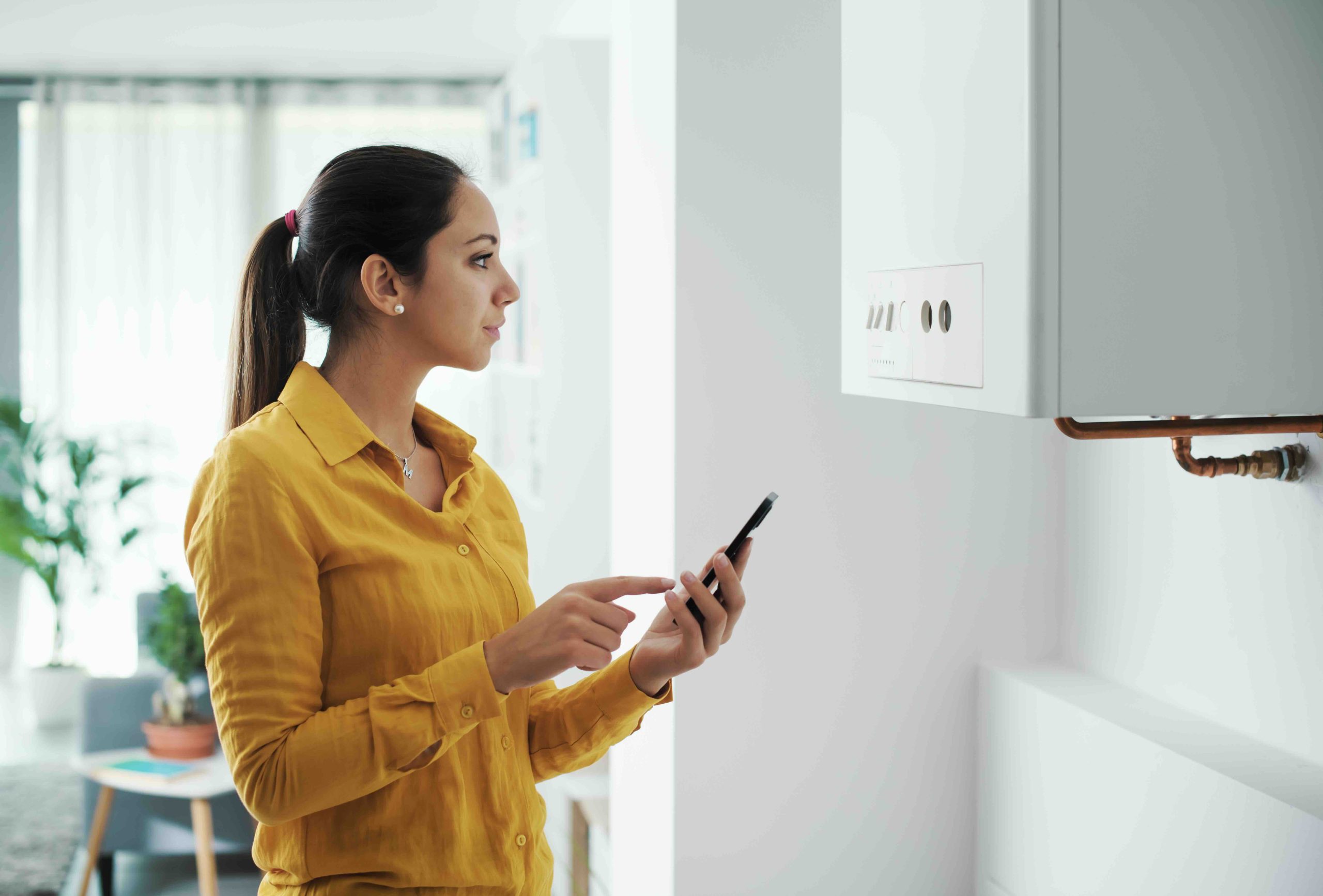
When Your Water Heater Acts Up: A Homeowner’s Guide to Troubleshooting Common Problems
Your water heater is one of those appliances you never really think about until the moment it stops working. Cold shower on a Monday morning, dishes that never quite get clean, a strange rumbling noise at 2 a.m. — suddenly it becomes the only thing on your mind. The good news is that many water heater issues are diagnosable without calling a professional immediately. Understanding what is happening and why can save you time, money, and a whole lot of frustration. This guide walks through the most common water heater problems, what causes them, and what you can actually do about it.
How a Water Heater Works (The Short Version)
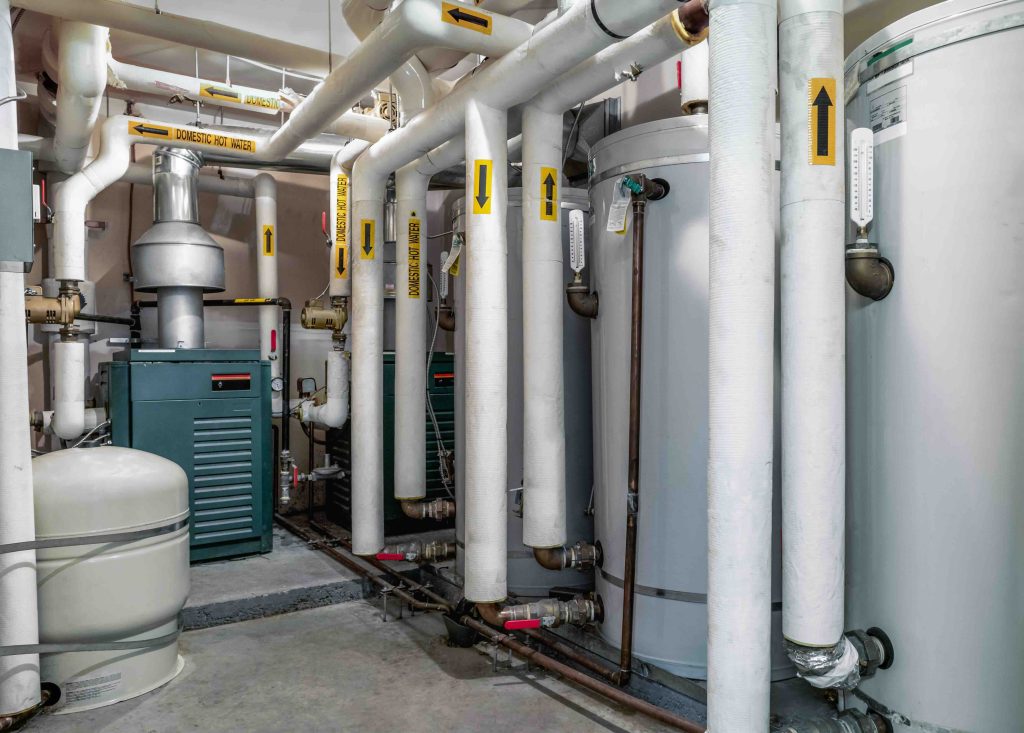
Before jumping into troubleshooting, it helps to understand what you are working with. Most homes have either a traditional tank water heater or a tankless unit. Tank heaters store a set volume of hot water — usually 40 to 80 gallons — and keep it heated continuously using either a gas burner or electric heating elements. Tankless models heat water on demand as it flows through the unit, which is more energy-efficient but comes with its own set of quirks. Both types rely on thermostats, valves, and sensors that can wear down over time. Knowing the basics helps you figure out whether you are dealing with a minor fix or something that needs a licensed technician.
No Hot Water at All: Start Here
This is the most alarming symptom and usually the easiest to diagnose at a surface level. For electric water heaters, the first thing to check is whether the circuit breaker has tripped. Go to your electrical panel and look for any breakers in the off position or sitting in the middle. Reset it and give the heater about an hour to recover. If it trips again, that is a sign of a deeper electrical issue. For gas water heaters, check whether the pilot light is out. Most modern units have an electronic ignition, but older models require a manual relight — usually with instructions printed right on the unit. If relighting does not work or the pilot keeps going out, you may be dealing with a faulty thermocouple, which is the sensor that tells the gas valve the pilot is lit. That part is relatively inexpensive and replaceable, though comfort levels with DIY repairs will vary.
Not Enough Hot Water or It Runs Out Too Fast
If you are getting hot water but it disappears after one shower, a few things could be going on. The most common culprit in tank heaters is sediment buildup. Over time, minerals from your water supply — especially in hard water areas — settle at the bottom of the tank and create an insulating layer between the burner or heating element and the water. This forces the unit to work harder and heat less efficiently. Flushing the tank annually can prevent this, but if it has been years, the buildup may be significant. You might also want to check your thermostat setting. Most manufacturers recommend 120 degrees Fahrenheit as the sweet spot — hot enough to be useful, cool enough to avoid scalding and reduce energy waste. If it has been bumped down, that could explain the lukewarm results.

Strange Noises Coming From the Tank
Popping, rumbling, or banging sounds are almost always tied back to sediment. When water gets trapped beneath mineral deposits and then heats up, it creates those unsettling sounds. It is not immediately dangerous, but it signals that your heater is working much harder than it should be. A thorough flush can help, but if the sediment has been sitting for a long time, the noise may not fully disappear. In some cases, those sounds indicate that the tank itself is beginning to deteriorate from the inside — which is a more serious situation. Hissing sounds, on the other hand, might indicate a small leak near a valve or connection. That warrants a closer visual inspection right away.
Discolored or Smelly Hot Water
Rusty or brownish water coming from your hot taps is a red flag. It usually means one of two things: either the anode rod inside your tank has been depleted, or the tank itself has begun to corrode. The anode rod is a sacrificial metal rod — typically magnesium or aluminum — designed to attract corrosive elements so they do not attack the tank lining. Most manufacturers recommend inspecting and replacing it every three to five years. If it is completely gone, corrosion moves to the tank. Sulfur or rotten egg odors are typically caused by a reaction between the anode rod and bacteria in the water. Replacing the rod with a zinc-alloy version and flushing the tank usually resolves this. Consistently foul-smelling water despite those steps may point to a water supply issue worth investigating separately.
Leaks Around the Tank or Connections
A puddle near your water heater should never be ignored. The source matters a lot here. Leaks from the pressure relief valve — the safety device on the side of the unit — can indicate that pressure or temperature inside the tank is too high. This valve is designed to release water to prevent dangerous pressure buildup, so if it is dripping consistently, have it inspected. Leaks from the inlet or outlet pipes are often just loose fittings and may be fixable without replacing the unit. However, water seeping from the bottom of the tank itself typically signals internal corrosion and a failing tank — and at that point, replacement is almost always the right move.
Key Signs Your Water Heater May Need Replacement
Some issues are worth repairing. Others are a signal to start budgeting for a new unit. Here are the situations where replacement tends to make more financial sense than repair:
- The unit is more than 10 to 12 years old and experiencing repeated failures
- There is visible rust or corrosion on the tank exterior or in the water itself
- Water is leaking from the tank body, not the connections
- Repair costs are approaching 50 percent or more of the replacement cost
- Energy bills have increased significantly without an obvious explanation
Preventive Maintenance Tips to Extend the Life of Your Water Heater
A little attention goes a long way with water heaters. Annual maintenance is not complicated, and it meaningfully extends the functional life of the unit.
- Flush the tank once a year to remove sediment buildup
- Inspect and replace the anode rod every three to five years
- Test the pressure relief valve annually to confirm it opens and closes properly
- Check the area around the unit for moisture, corrosion, or unusual odors
- Keep the area around a gas water heater clear of flammable materials
- Set the thermostat to 120 degrees Fahrenheit if it has not been adjusted recently
How a Home Warranty Can Protect You When Water Heater Problems Strike
Water heater repairs and replacements are not cheap. A new unit alone can cost anywhere from $500 to over $2,000 depending on the type and installation requirements. That is exactly the kind of unexpected expense that can throw off a household budget without warning. A home warranty through Armadillo, a trusted provider of home warranty coverage for major systems and appliances, is designed to cover those moments. When your water heater breaks down due to normal wear and tear, a home warranty steps in to cover the cost of repair or replacement — so you are not scrambling to find a technician and writing a large check on the spot. Armadillo makes that protection straightforward and accessible. If you have been putting off a plan because the process seemed complicated, you can get a personalized home warranty quote that covers your water heater and other essential home systems in just a few minutes. No guesswork, no pressure, just clear coverage built around your home.

Frequently Asked Questions About Troubleshooting a Water Heater
Answers to the questions homeowners ask most often about water heater problems, maintenance, and when to call for help.
Why is my water heater not producing hot water?
For electric units, check whether the circuit breaker has tripped and reset it if needed. For gas heaters, verify the pilot light is lit and the gas supply is on. If neither resolves it, the thermostat or heating element may have failed and will need professional attention.
How long does a typical water heater last?
Most traditional tank water heaters last between 8 and 12 years with regular maintenance. Tankless models can last 15 to 20 years. Age combined with recurring issues is usually a reliable signal that replacement is approaching.
What causes a water heater to make popping or rumbling noises?
Sediment buildup at the bottom of the tank is the most common cause. Minerals from the water supply accumulate over time and create noise as water heats beneath them. Flushing the tank can reduce or eliminate the sound.
Is it safe to use hot water that looks rusty or discolored?
Rusty water is not considered safe for drinking or cooking. It typically indicates a corroding tank or a depleted anode rod. Address the underlying cause before using the hot water supply for consumption purposes.
What does the pressure relief valve on a water heater do?
The pressure relief valve is a safety device that releases water if the pressure or temperature inside the tank rises to dangerous levels. If it is dripping consistently, that may indicate excessive pressure or a faulty valve that needs inspection or replacement.
How often should I flush my water heater?
Flushing the tank once per year is the general recommendation for most households. Homes with hard water or high mineral content in the supply may benefit from flushing every six months to prevent accelerated sediment buildup.
Can I replace a water heater anode rod myself?
Yes, replacing an anode rod is a manageable DIY task for homeowners comfortable with basic plumbing. It requires shutting off the water supply, locating the rod on top of the tank, and using a socket wrench to remove and replace it. When in doubt, a licensed plumber can complete the job quickly.
Why does my hot water run out faster than it used to?
Sediment buildup reduces the effective heating capacity of a tank water heater, causing hot water to deplete more quickly. A thermostat set too low can also contribute. Flushing the tank and verifying the thermostat setting are the first steps to diagnose this problem.
Does a home warranty cover water heater repairs and replacement?
Most home warranty plans cover water heater repairs and replacement when the failure is due to normal wear and tear. Coverage details vary by plan, so reviewing what is included before a problem occurs is always the smart approach.
When should I call a professional instead of troubleshooting myself?
Call a licensed technician if you smell gas near your water heater, notice water leaking from the tank body, experience repeated electrical issues, or are unsure about any step in the diagnosis process. Safety should always take priority over cost savings.