When a Screw Won’t Budge: What It Really Means for Your Home
There is a particular kind of frustration that comes with a screw that simply will not move. You push, you twist, you switch drill bits, and still nothing. That small, seemingly insignificant piece of metal becomes the center of your entire afternoon. But here is what most homeowners do not realize: a stuck screw is rarely just a stuck screw. It is often a signal. It tells you something about the age of a system, the condition of a material, or the accumulated wear that has been quietly building inside your home. Understanding what that signal means can save you a lot more than a sore wrist.
Why Screws Get Stuck in the First Place
Screws seize up for several reasons, and each one points to a different underlying condition in your home. Rust and corrosion are the most common culprits, especially in humid environments, near water heaters, or inside HVAC cabinets. When metal oxidizes, it bonds to surrounding material in a way that makes extraction genuinely difficult. Beyond corrosion, there is also the issue of stripped heads, which happen when the wrong tool is used or when a screw has been overtightened repeatedly over years of maintenance visits. Paint layers can also lock a screw in place, particularly on older homes where trim and fixtures have been painted over multiple times. And then there is galvanic corrosion, which occurs when two dissimilar metals are in contact and moisture accelerates the chemical reaction between them. Each of these scenarios reflects something meaningful about the state of your home’s components.
The Home Systems Most Likely to Have Stuck Screws
You will encounter stuck screws in some home systems far more than others. Knowing which areas are most prone to this issue helps you stay ahead of potential repair complications. The following systems tend to produce the most stubborn fasteners:
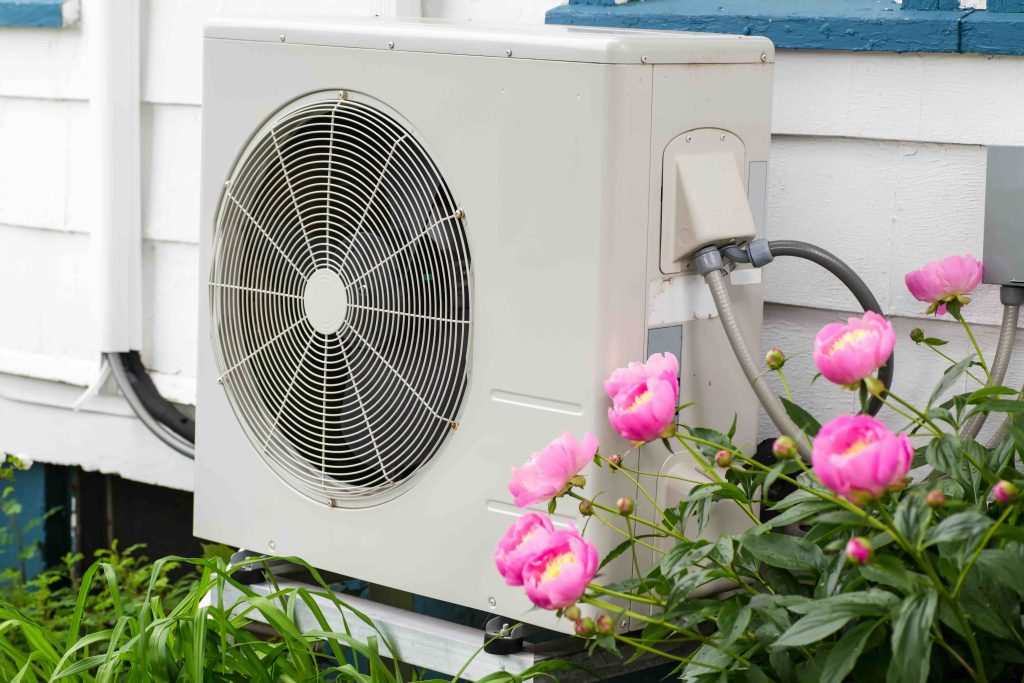
- HVAC units and air handlers, where condensation creates persistent moisture exposure
- Electrical panels and junction boxes, particularly in older homes with aluminum wiring
- Water heater access panels, which sit in warm, humid spaces year-round
- Dishwasher and washing machine mounting brackets, which endure vibration and water simultaneously
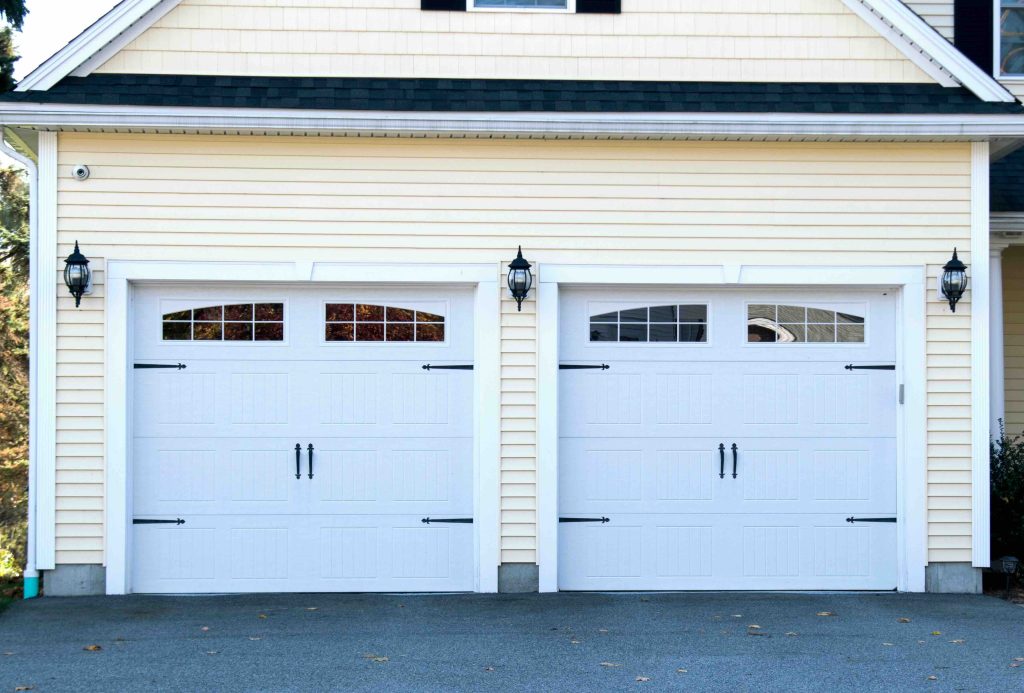
- Garage door hardware, exposed to temperature extremes and seasonal expansion
When a technician encounters a seized screw in any of these areas, the repair timeline and the cost can both increase. A job that should take forty minutes can stretch into two hours once extraction tools, penetrating lubricants, and possible damage remediation are factored in.
What a Stuck Screw Can Tell You About Home Age and Wear
Homes are physical objects, and like any physical object, they accumulate stress over time. A screw that will not come out is a small but telling piece of evidence about how much wear has built up in a given system. If you are pulling the access panel off a water heater and every screw is seized with rust, that appliance has likely been sitting in a state of gradual deterioration for longer than you might think. The rust on those fasteners mirrors what may be happening inside the tank itself. The same logic applies to HVAC components. Corroded screws on a blower motor housing suggest that the internal components have been exposed to similar conditions. In the home warranty world, this kind of wear is something that comes up constantly during service calls, because the physical condition of fasteners is often a leading indicator of what a technician is about to find inside.

Techniques That Actually Work When a Screw Won’t Move
Forcing a seized screw without the right approach almost always makes the situation worse. Strip the head further, snap the shaft, or damage the surrounding material and you have turned a minor inconvenience into a genuine repair project. The professional approach starts with penetrating oil. Products designed for this purpose work by wicking into the threads through capillary action and breaking the bond created by corrosion. Patience matters here because the oil needs time to work, sometimes twenty to thirty minutes. After that, heat can be applied carefully with a heat gun to expand the metal slightly and break the corrosion bond. Impact drivers are also significantly more effective than standard drills for seized fasteners because they deliver rotational force in rapid pulses rather than continuous torque, which is often what finally breaks the grip. For screws with heads that are already partially stripped, screw extractor bits are the next logical step. These are reverse-threaded bits that bite into the damaged head and back the screw out as they turn.
When DIY Becomes a Liability
There is a line between a stuck screw that a homeowner can handle and one that signals a job for a licensed technician. That line is usually drawn at the point where the surrounding system is sensitive, pressurized, or connected to electrical components. Removing the wrong panel on an HVAC unit or water heater without the proper tools and knowledge can lead to refrigerant exposure, flooding, or electrical hazards. In these situations, calling a professional is not an admission of defeat. It is the correct decision. Home warranty coverage is designed in large part for exactly these moments, where what looks like a simple maintenance task reveals a deeper issue that needs professional attention and where the cost of that attention would otherwise land entirely on the homeowner.
The Hidden Cost of Deferred Maintenance
Stuck screws are, in a way, a symptom of deferred maintenance. When homeowners skip regular service intervals on major systems, the hardware that holds those systems together begins to degrade alongside the systems themselves. A water heater that has gone five years without a flush or inspection is far more likely to have corroded access hardware than one that gets annual attention. The same is true for HVAC systems, which benefit from routine filter changes and coil cleanings that keep technicians regularly engaged with the unit. When maintenance slips, small problems compound. By the time a repair is finally necessary, the labor involved is greater, the parts may be harder to source, and the whole job becomes more expensive than it needed to be. Regular maintenance is one of the clearest ways homeowners can protect the long-term value of their property.
Key Advantages of Understanding Your Home’s Hardware
Homeowners who understand their home at a mechanical level, even at something as granular as the condition of fasteners, are better positioned to make informed decisions. They know when to attempt a fix themselves and when to call for backup. They can have more productive conversations with technicians because they have already observed the problem firsthand. And they are less likely to be caught off guard by repair costs because they have been paying attention to the small signals their home sends over time. Building that awareness does not require a trade certification. It requires curiosity and a willingness to look closely at how things actually work inside the spaces you live in.
Common Drawbacks of Tackling Stuck Screw Repairs Without Help
Going it alone on a seized screw repair is not always the wrong call, but it comes with real risks. Consider what can go wrong:
- Stripping the head beyond recovery, which requires drilling out the screw entirely and can damage the surrounding material
- Snapping the screw shaft inside the component, which often requires professional extraction tools
- Causing unintended damage to gaskets, seals, or wiring that surrounds the access point
- Voiding a manufacturer warranty by opening a sealed unit incorrectly
- Misidentifying the underlying problem and assuming the screw was the only issue
These are not hypothetical risks. They are the kinds of outcomes that service technicians encounter regularly when they arrive for a job that a homeowner started and could not finish. The cost of extraction and collateral repair can far exceed what the original job would have cost if a professional had been called from the start.
How Armadillo Home Warranty Fits Into This Picture
A stuck screw might feel like a small thing, but it is often the first moment a homeowner realizes that a covered system is in need of serious attention. That is where having the right home warranty in place makes a genuine difference. When a technician opens an access panel and finds that the water heater is failing or the HVAC blower motor needs replacement, the financial exposure can be significant without coverage. Armadillo home warranty plans for essential home systems and appliances are built to absorb exactly that kind of surprise, so that what starts as a minor repair call does not spiral into a budget emergency. The peace of mind that comes from knowing a professional will handle the job correctly, with coverage backing the cost, is something every homeowner deserves. If you have been putting off getting coverage because the process feels complicated, it does not have to be. You can get a customized home warranty quote that covers aging appliances and home systems in just a few minutes, and start the next repair call with a lot less anxiety about what the technician might find.

Frequently Asked Questions About Stuck Screws and Home System Repairs
Real questions from homeowners who have been there.
Why do screws in my HVAC unit rust so quickly?
HVAC units produce condensation as part of normal operation, and that moisture consistently exposes nearby metal components to conditions that accelerate corrosion. Units in humid climates or poorly ventilated spaces tend to show rust on fasteners faster than those in drier environments.
Is it safe to drill out a stripped screw on an appliance myself?
Drilling out a stripped screw is possible, but it carries risk, particularly if the screw is located near wiring, refrigerant lines, or pressurized components. When in doubt, the job is better handled by a licensed technician who can assess what is around the fastener before proceeding.
Can a home warranty cover the labor involved in removing seized screws during a repair?
Most home warranty plans cover the labor associated with a covered repair, which typically includes the full scope of what a technician must do to access and resolve the issue. This can include extraction of damaged fasteners when it is part of diagnosing or repairing a covered system.
What penetrating oil works best for rusted screws in home appliances?
Products specifically formulated for corrosion penetration and designed to wick into tight threads are generally the most effective. Apply the product generously, allow adequate soak time before attempting to turn the fastener, and repeat if necessary.
How do I know if a stuck screw is a sign of a bigger problem?
Context matters. A single corroded screw on a relatively new appliance is usually not cause for concern. Multiple seized fasteners on an older system, combined with visible rust staining or discoloration, suggest that moisture and age have been affecting the system more broadly and that a closer inspection is warranted.
Does attempting a DIY repair void my home warranty?
This depends on the terms of your specific plan. Many home warranties require that repairs be performed by licensed professionals to remain valid. Attempting a repair yourself on a covered system and causing additional damage can complicate or void a subsequent claim. Always review your coverage terms before proceeding.
What is the best tool for removing a screw with a stripped head?
An impact driver is often the first line of defense because it delivers torque differently than a standard drill and can break the corrosion bond without further damaging the head. If the head is too far gone, a screw extractor kit designed for damaged fasteners is the appropriate next step.
How often should major home systems be inspected to prevent hardware corrosion?
Most major systems benefit from annual professional inspection. Water heaters, HVAC units, and washing machines in particular should be serviced on a regular schedule to catch developing issues, including hardware degradation, before they escalate into larger and more expensive problems.
Are certain screw materials more resistant to corrosion in home environments?
Yes. Stainless steel and coated fasteners hold up significantly better in humid or corrosive environments than standard steel screws. When replacing seized hardware during a repair, upgrading to corrosion-resistant fasteners is a practical way to reduce the likelihood of the same problem recurring.
What should I tell a technician when a screw is already stripped or damaged before they arrive?
Be upfront about what you attempted and what happened. Let the technician know where the stripped or seized fastener is located, what tool you used, and whether any additional damage occurred during your attempt. This helps them arrive prepared with the right extraction tools and manage time on the job more efficiently.