Which Direction Should a Ceiling Fan Go to Cool a Room? A Homeowner’s Guide
It sounds like a small thing, but the direction your ceiling fan spins can make a noticeable difference in how comfortable your home feels — and how hard your HVAC system has to work to keep up. Most homeowners set it and forget it, never realizing there is a summer setting and a winter setting built right into the fan. Getting this one detail right costs nothing and pays off every month on your energy bill. So let us break it all down clearly, because this is genuinely useful stuff.
The Simple Answer: Counterclockwise for Cooling
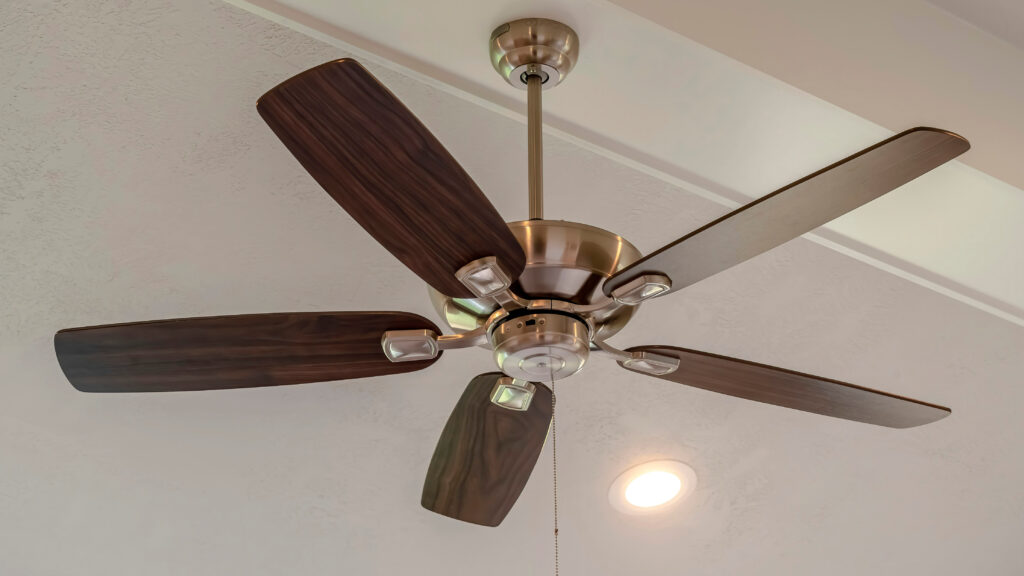
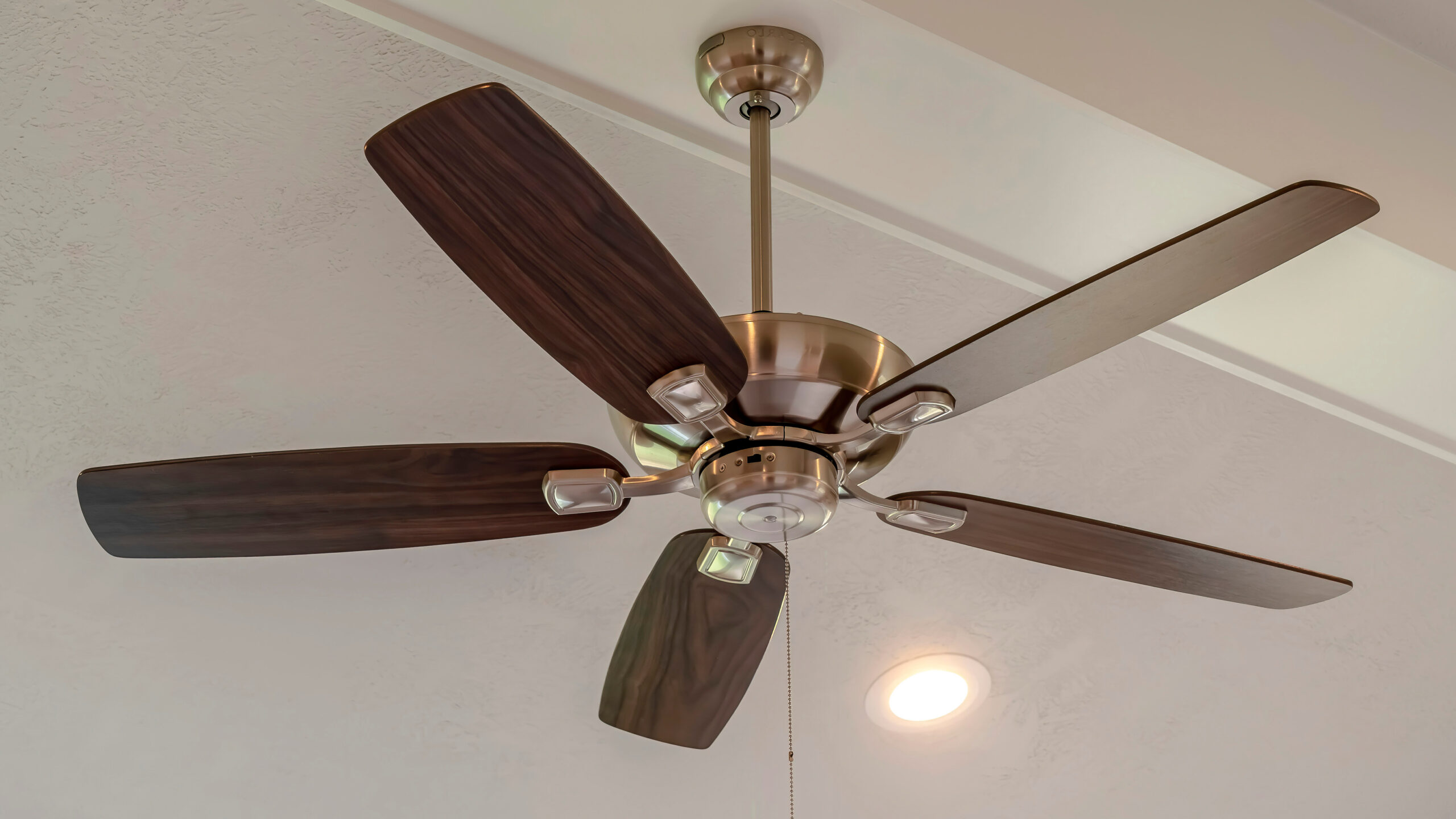
During warmer months, your ceiling fan should spin counterclockwise when viewed from below. That direction pushes air straight down, creating a wind-chill effect across your skin. It does not actually lower the temperature in the room — that is worth repeating — but it makes the air feel cooler against your body, which means you can set your thermostat a few degrees higher without sacrificing comfort. The U.S. Department of Energy has noted that this adjustment alone can allow homeowners to raise thermostat settings by around four degrees without any noticeable difference in comfort level. That adds up over a summer season.

What Happens in the Winter: Clockwise Rotation
Flip the season, flip the direction. In cooler months, ceiling fans should run clockwise at a low speed. This pulls cooler air upward and pushes the warm air that naturally collects near the ceiling back down along the walls. It is a subtle redistribution of heat, but in rooms with high ceilings especially, it can make a real difference in how evenly the space heats. The fan should run slowly in this mode — you are not trying to create airflow you can feel, just gently circulating the air so warm air stops sitting uselessly above your head.
How to Change Your Fan’s Direction
Most ceiling fans have a small switch on the motor housing, usually located on the side of the unit just below the blades. It slides or flips one way for summer, the other for winter. Some newer models handle this through a remote control or a smart home app, which is convenient if the fan is mounted high and difficult to reach. Before you touch the switch, always turn the fan off completely and wait for the blades to stop moving. It takes a few seconds and saves you from wrestling with a spinning fan. Once switched, turn it back on and check the blade direction from below to confirm.
Why This Matters for Your HVAC System
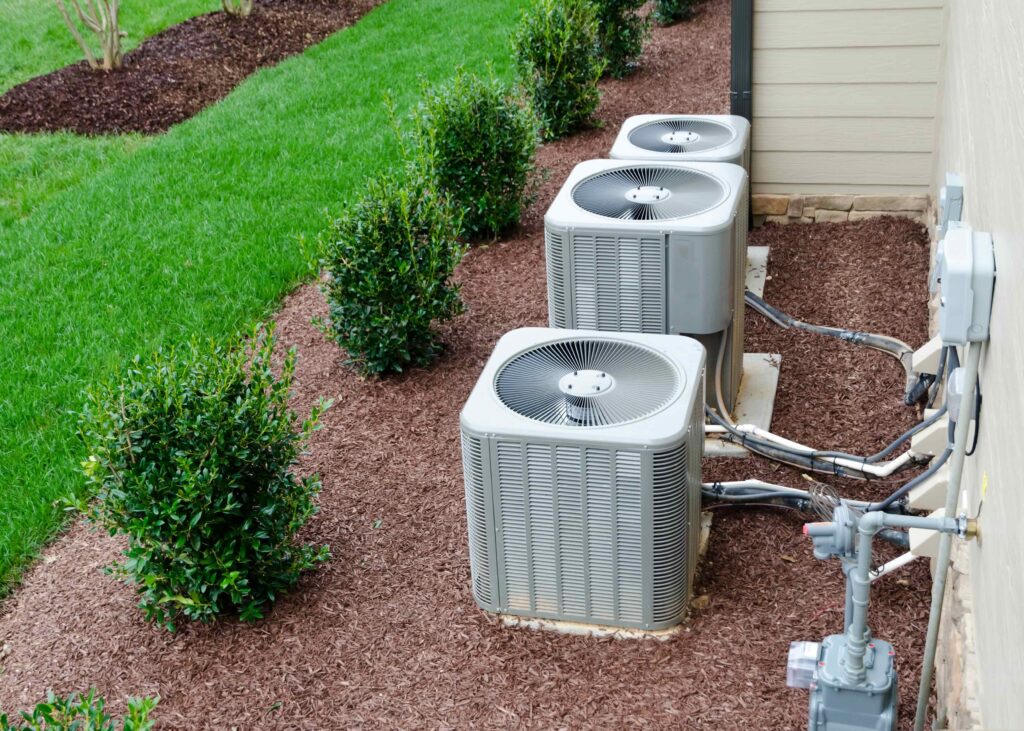
Here is where things connect to the bigger picture of home systems. Your heating and cooling setup is typically one of the most expensive systems in your home to repair or replace. Ceiling fans working in the right direction reduce the workload on your HVAC equipment by supplementing its output. Less runtime means less wear on the compressor, the air handler, and other components that can fail over time. It is a low-effort way to extend the life of major equipment that you are counting on year-round. And if that equipment does eventually break down, you want something protecting you from that cost.
Common Mistakes Homeowners Make With Ceiling Fans
- Leaving the fan running in an empty room — fans cool people, not spaces, so running them in unoccupied rooms just wastes electricity
- Forgetting to switch directions between seasons, negating potential heating efficiency gains in winter
- Running the fan too fast in winter, which creates a cooling effect instead of quietly redistributing warm air
- Installing a fan with the wrong blade pitch, which reduces airflow efficiency regardless of direction
- Ignoring wobbling or noise that could indicate a mounting issue or motor wear that leads to bigger problems
Ceiling Fan Efficiency and Energy Savings: What to Realistically Expect
Ceiling fans use significantly less energy than air conditioning units. A typical ceiling fan runs on somewhere between 15 and 75 watts depending on speed and size. A central air conditioner can consume 3,000 watts or more. When you use your fan correctly to offset some of the demand on your cooling system, the savings are real. Over the course of a full summer, this can translate to meaningful reductions on monthly utility bills. It is not a replacement for your HVAC system, but it is a smart, inexpensive tool that extends the effectiveness of what your system is already doing.
Choosing the Right Ceiling Fan for Maximum Airflow
Not all fans are created equal. Blade span, motor quality, blade pitch, and mounting height all influence how well a fan circulates air. Larger rooms benefit from fans with wider blade spans, typically 52 inches or more. Rooms with standard eight-foot ceilings do well with a flush-mount or low-profile design, while rooms with higher ceilings should use a downrod to position the blades at an optimal height — usually around eight to nine feet from the floor. The blade pitch should ideally fall between 12 and 15 degrees. Anything flatter and the fan moves less air regardless of speed. These are the kinds of details worth knowing before purchasing.

When Your Ceiling Fan or HVAC System Needs More Than a Direction Switch
Sometimes the issue goes beyond blade rotation. If your fan wobbles, makes grinding sounds, or stops responding to controls, those are signs of mechanical wear or electrical problems. Similarly, if your home still feels uncomfortable despite proper fan use, the real culprit might be your HVAC system struggling — a refrigerant issue, a failing compressor, or ductwork problems that no fan setting can fix. Recognizing the difference between a fan problem and a system problem helps you address the right thing quickly. Delayed repairs on HVAC equipment tend to compound into larger failures, which is why proactive coverage matters.
How Armadillo Helps Protect the Systems That Keep Your Home Comfortable
Ceiling fans are a smart, simple tool, but the systems working behind them — your HVAC, electrical components, and home appliances — are where real financial risk lives. When a major system fails, the cost can be sudden and significant. That is exactly the kind of surprise that Armadillo home warranty coverage for HVAC and home cooling systems is built to handle. Armadillo offers straightforward, homeowner-friendly protection that covers the critical systems in your home without the confusion of buried exclusions or difficult claims processes. If your air conditioning unit breaks down mid-summer after running harder than it should have, you want a plan already in place — not a frantic search for coverage after the fact. Taking a few minutes to get a personalized home warranty quote to protect your heating and cooling equipment is one of the more practical things a homeowner can do, and it pairs well with all the other smart maintenance habits you are already building.
Frequently Asked Questions
Which direction should a ceiling fan spin in the summer?
In summer, a ceiling fan should spin counterclockwise when viewed from below. This pushes air downward, creating a wind-chill effect that makes the room feel cooler without actually lowering the temperature.
Which direction should a ceiling fan spin in the winter?
In winter, set your ceiling fan to spin clockwise at a low speed. This gently pulls cooler air up and pushes warm air that has risen to the ceiling back down along the walls, improving heat distribution throughout the room.
Does fan direction actually save energy?
Yes, indirectly. Using the correct fan direction allows you to adjust your thermostat setting, which reduces how long your HVAC system runs. Over time, this translates to measurable savings on energy bills.
How do I know which way my ceiling fan is currently spinning?
Stand below the fan while it is running and look up at the blades. If they are moving counterclockwise, you are in summer mode. If they are moving clockwise, you are in winter mode.
Where is the direction switch on a ceiling fan?
Most ceiling fans have a small toggle or slide switch located on the motor housing, just below the blade assembly. Some newer models use a remote control or smartphone app to change direction. Always turn the fan off before flipping the switch.
Can running a ceiling fan the wrong way make my home hotter?
In summer, running the fan clockwise can push warm air downward instead of creating the desired cooling effect, making the space feel warmer and forcing your air conditioning to work harder.
Should I leave my ceiling fan on all day to keep cool?
Only if someone is in the room. Ceiling fans cool people through the wind-chill effect, not the room itself. Running a fan in an empty room wastes electricity without any cooling benefit.
Does ceiling fan direction affect my home warranty coverage?
Fan direction itself does not impact coverage, but improper maintenance or neglect of home systems can affect claims. Operating fans correctly helps reduce unnecessary strain on your HVAC system, which supports the overall health of covered equipment.
What blade pitch is best for moving air efficiently?
A blade pitch between 12 and 15 degrees is generally considered optimal for airflow. Blades with too shallow a pitch move less air per rotation, reducing the fan’s effectiveness regardless of the direction it spins.
Is ceiling fan installation covered under a home warranty?
Coverage varies by plan and provider. Some home warranty plans cover ceiling fan repairs related to electrical systems, while installation of new equipment typically falls outside standard coverage. Reviewing your specific plan details is always recommended.