Why Does My Breaker Keep Tripping? A Homeowner’s Guide to Electrical Panels and Circuit Protection
There is that sound again. The one where something in the house just goes quiet. The microwave stops humming, the lights cut out, and you already know what happened before you even check. The breaker tripped. Again. If this is becoming a regular occurrence in your home, it is not something to shrug off or just keep resetting without asking why. A circuit breaker that keeps tripping is your home’s electrical system trying to tell you something important, and understanding what it is saying can save you from a much bigger problem down the road.
What Is a Circuit Breaker and What Does It Actually Do
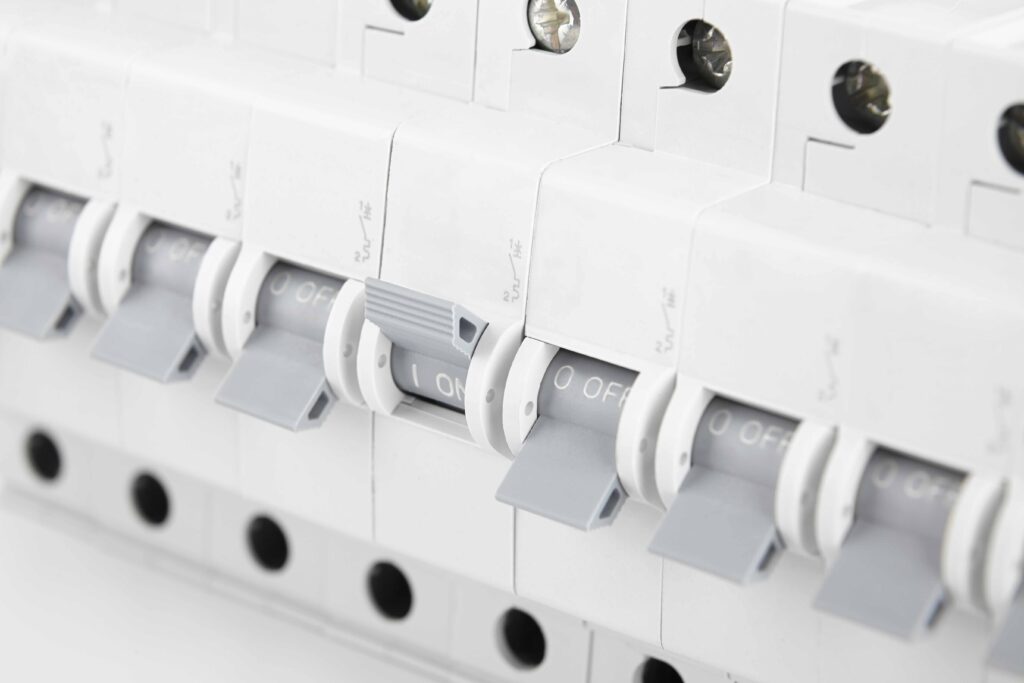
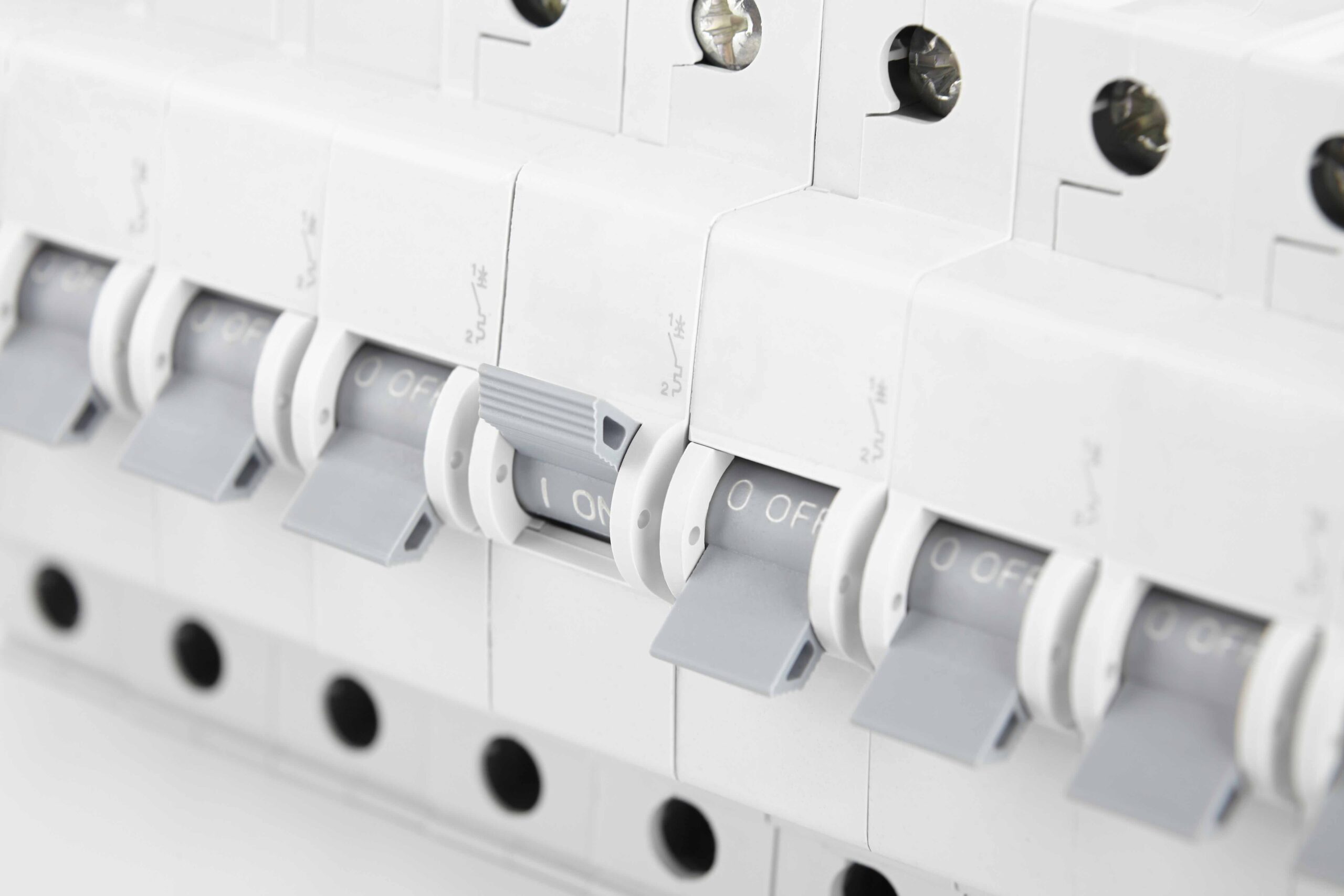
Your electrical panel is essentially the command center of your home’s power system. Inside that metal box on the wall, usually in a utility room, garage, or basement, are rows of switches called circuit breakers. Each one controls a specific circuit in your home, meaning a group of outlets, lights, or appliances all wired together on a shared line. The breaker’s job is to monitor how much electrical current is flowing through that circuit. When the current exceeds a safe level, the breaker trips, which means it automatically shuts off power to that circuit. This is not a malfunction. This is the system working exactly as it should. The breaker is preventing overheating, electrical fires, and damage to your appliances and wiring. So when people get frustrated at a tripping breaker, the frustration is understandable, but the breaker is genuinely protecting your home.
The Most Common Reasons a Breaker Keeps Tripping
Not all tripping breakers are created equal. There are a few distinct causes, and each one points to a different level of concern. The most common culprit is a circuit overload. This happens when too many devices are drawing power from the same circuit at the same time. Think about the kitchen during the holidays, with the toaster, coffee maker, stand mixer, and microwave all running at once on a single circuit. That circuit simply cannot handle that load, and the breaker trips to prevent damage. The fix here is usually redistributing appliances across different circuits or upgrading the panel to support modern energy demands. The second common cause is a short circuit. A short happens when a hot wire touches a neutral wire somewhere in the system, either in an outlet, a switch, or inside an appliance. Short circuits are more serious than overloads and require immediate attention. There is also the ground fault, which is related to a short circuit but specifically occurs when a hot wire touches a grounded part of the system. Ground faults are particularly dangerous in wet areas like bathrooms and kitchens. Finally, a breaker can trip simply because it is worn out. Breakers are mechanical devices with a lifespan, and an aging breaker may start tripping under normal loads just because it has degraded over time.
What It Means When a Breaker Is Grounded
Grounding is a term that comes up often in electrical conversations, and it is worth understanding what it actually means in the context of your home’s safety system. A grounded circuit includes a third wire, the ground wire, that provides a safe path for electrical current to travel in the event of a fault. If something goes wrong and electricity starts flowing somewhere it should not, the ground wire redirects that current safely away from people and materials. When someone says a circuit is grounded, that is a good thing. It means there is a layer of protection built into the wiring. However, when a breaker trips due to a ground fault, it means that protection has been activated because something went wrong. Ground fault circuit interrupter outlets, often called GFCI outlets, are designed to detect these faults and cut power almost instantly. You will usually find them in bathrooms, kitchens, garages, and outdoor areas. If your breaker keeps tripping in one of these zones, a ground fault is a very likely explanation.
Signs Your Electrical Panel May Need Attention
Beyond the tripping breaker itself, there are other indicators that your electrical panel or wiring system deserves a professional evaluation. If you notice a burning smell near the panel, that is an immediate red flag. Discoloration, scorch marks, or warmth around outlets or the panel itself all point to potential hazards. A buzzing or crackling sound coming from the panel is another warning sign that should not be ignored. Flickering lights throughout the house, especially when large appliances cycle on, can suggest that your panel is undersized for your home’s current electrical demands. Older homes that still have fuse boxes rather than breaker panels, or panels made by manufacturers with documented safety issues, may also be operating at a higher risk level. None of this is meant to create alarm, but these are the kinds of details that matter when it comes to keeping your home safe and functional.
When to Reset the Breaker and When to Call a Professional
If a breaker trips once and there is an obvious reason, like a temporary overload from running too many things at once, resetting it is perfectly reasonable. To reset a tripped breaker, locate your panel, find the breaker that is in the middle or off position, switch it fully to off, and then flip it back to on. If it trips again immediately or shortly after, do not keep resetting it. That repeated tripping is telling you the problem has not gone away. At that point, it is time to call a licensed electrician. Signs that a professional should be involved right away include a burning smell, visible damage, a breaker that feels hot to the touch, and any situation involving water exposure or a suspected short circuit. Electrical issues are not an area where trial and error is a good strategy.
How Home Age and Electrical Demand Have Changed the Equation
Homes built before the 1980s were designed around a very different set of electrical demands. Fewer appliances, no home charging stations for electric vehicles, no smart home devices, no multiple large-screen televisions. Today, the average household consumes significantly more electricity than those older homes were ever wired to support. This is why panel upgrades have become increasingly common, particularly in homes that are being renovated or that have added significant square footage or high-draw appliances. A 100-amp service panel, which was once considered sufficient, may now be genuinely inadequate for a modern family’s needs. Many electricians recommend a 200-amp service as the standard for today’s homes. If your breakers are tripping regularly and your home is older, the electrical load demands of modern living may simply have outpaced your system’s capacity.
Practical Steps Homeowners Can Take Right Now
There are a few things you can do today to reduce the chances of a tripping breaker and to better understand your home’s electrical situation.
- Audit which appliances and devices are on the same circuit and redistribute high-draw items across multiple circuits where possible.
- Avoid using extension cords as a permanent solution, particularly with large appliances or space heaters.
- Test your GFCI outlets regularly using the test and reset buttons built into the outlet face.
- Schedule a panel inspection with a licensed electrician if your home is over 25 years old or if you have never had the panel evaluated.
- Note which specific breaker trips and under what conditions, this information is valuable when reporting the issue to a professional.
What Home Warranties Typically Cover When It Comes to Electrical Systems
This is where things get practical from a financial standpoint. A home warranty is a service contract that covers the repair or replacement of major home systems and appliances when they fail due to normal wear and tear. When it comes to electrical systems, coverage typically includes the interior wiring, circuit breaker panels, and related components. However, coverage details vary significantly between providers. Some plans cover the full panel replacement if it fails, while others may limit coverage to specific components or exclude certain types of failures. It is important to read the terms carefully and ask direct questions before purchasing a plan. Ground faults, short circuits, and breaker failures resulting from normal aging are commonly covered scenarios. Damage caused by external events, improper installation, or pre-existing conditions may be excluded. Knowing what your plan covers before something breaks is far less stressful than finding out afterward.
Why Armadillo Is the Right Partner for Electrical System Protection
When a breaker keeps tripping or an electrical panel starts showing its age, the last thing a homeowner wants is uncertainty about who to call or what it is going to cost. That is exactly the kind of stress that a well-structured home warranty is designed to eliminate. Armadillo offers straightforward, homeowner-focused coverage that does not bury the important details in confusing fine print. If you are looking for a home warranty that covers electrical systems and circuit breaker failures, Armadillo is built around the principle that homeowners deserve clear terms, responsive service, and real coverage when real problems happen. Electrical repairs are not inexpensive, and panel work especially can run into the hundreds or thousands of dollars depending on the scope. Having a plan in place before the problem occurs is simply a smarter way to own a home. Take a few minutes to get a free home warranty quote for electrical panel and breaker protection and see what coverage looks like for your specific home. It is a quick step that can make a significant difference when something unexpected goes wrong.

Frequently Asked Questions About Tripping Breakers and Electrical Coverage
These are the questions homeowners ask most often when dealing with a tripping breaker or trying to understand their electrical system and home warranty options.
Why does my breaker keep tripping even when nothing is plugged in?
A breaker that trips without any obvious load may indicate a failing breaker, a short circuit somewhere in the wiring, or a ground fault. This warrants a professional inspection, as the issue is likely within the wiring itself rather than the devices connected to it.
Is it dangerous to keep resetting a tripping breaker?
Repeatedly resetting a breaker without identifying the root cause can be dangerous. If the underlying issue is a short circuit, ground fault, or overloaded wiring, resetting the breaker without addressing the cause leaves the hazard in place and can increase the risk of overheating or fire.
What does a grounded circuit mean in my home?
A grounded circuit includes a ground wire that provides a safe path for electrical current during a fault condition. Grounding is a safety feature that helps prevent electric shock and reduces fire risk by redirecting stray current away from people and materials.
How do I know if my electrical panel needs to be replaced?
Signs that a panel may need replacement include frequent tripping, visible corrosion or burn marks, a buzzing sound from the panel, breakers that do not reset properly, or a panel that is more than 25 to 30 years old. A licensed electrician can evaluate the panel and recommend next steps.
Does a home warranty cover circuit breaker replacement?
Many home warranty plans do cover circuit breakers and electrical panels when they fail due to normal wear and tear. Coverage specifics vary by provider, so reviewing the terms of any plan before purchase is important to confirm exactly what is and is not included.
What is the difference between a short circuit and a ground fault?
A short circuit occurs when a hot wire contacts a neutral wire, creating an unintended low-resistance path for current. A ground fault occurs when a hot wire contacts a grounded surface or wire. Both are hazardous and will typically cause a breaker to trip, but they have different causes and locations within the electrical system.
Can I upgrade my electrical panel myself?
Panel upgrades and replacements should always be performed by a licensed electrician. Electrical panel work involves live wiring connected to the utility service and presents serious risks of electric shock, arc flash, and fire. This is not a DIY project regardless of general handyman skill level.
How long do circuit breakers typically last?
Circuit breakers are generally rated for a lifespan of 30 to 40 years under normal conditions, though they can degrade faster with frequent tripping or in environments with heat and humidity. An older breaker may begin to trip under normal loads simply due to mechanical wear.
What size electrical panel does a modern home need?
Most electricians recommend a 200-amp service panel as the standard for modern homes. Homes with electric vehicles, large HVAC systems, multiple large appliances, or home additions may benefit from an even larger service capacity depending on the total electrical load.
Will a home warranty cover electrical repairs caused by a ground fault?
Ground fault-related repairs may be covered under a home warranty if they involve the covered electrical system components and result from normal wear and tear rather than external damage, improper installation, or a pre-existing condition. Reviewing the specific terms of your warranty plan is the best way to confirm coverage for your situation.