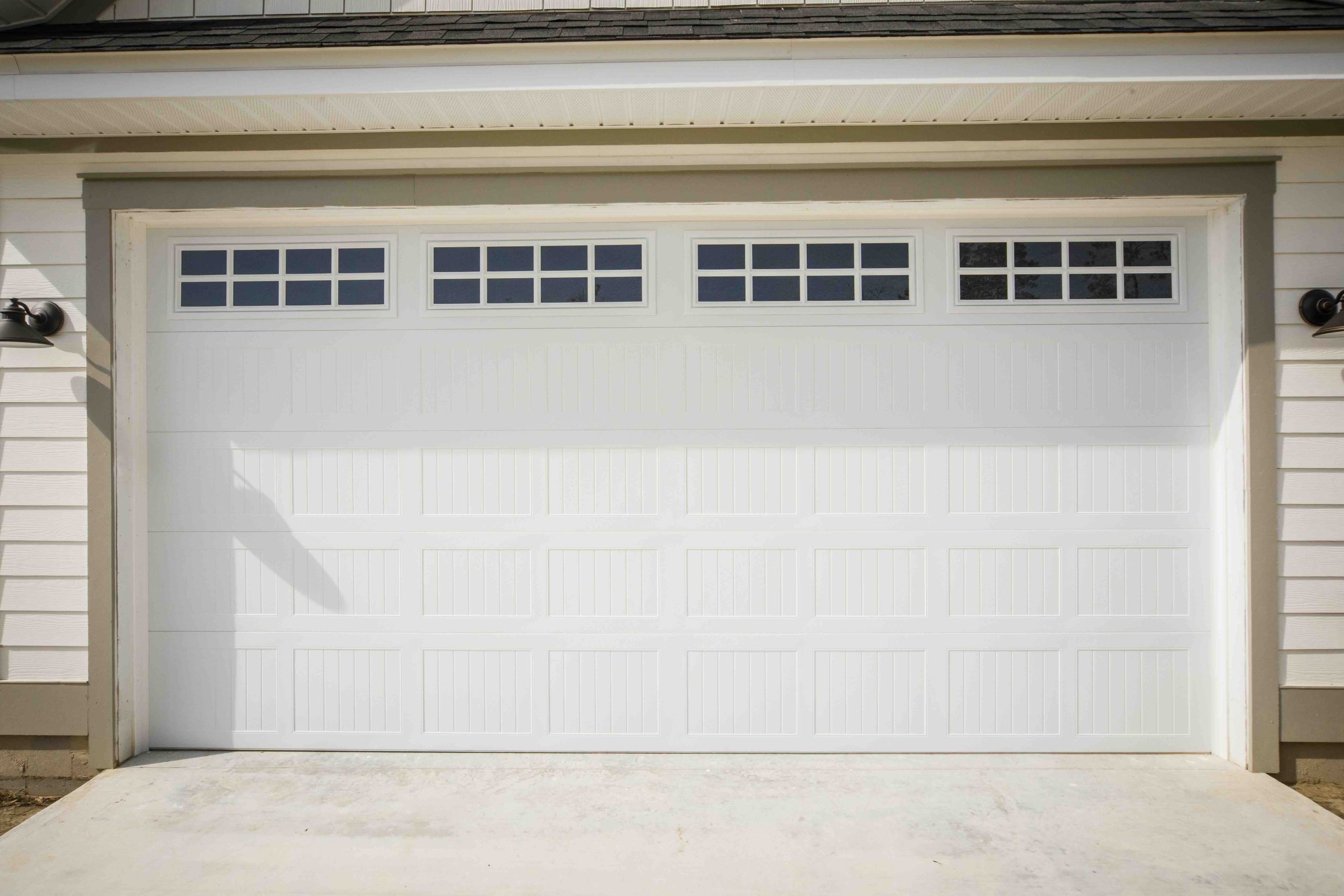
Why Your Garage Door Jerks When Opening and What You Can Do About It
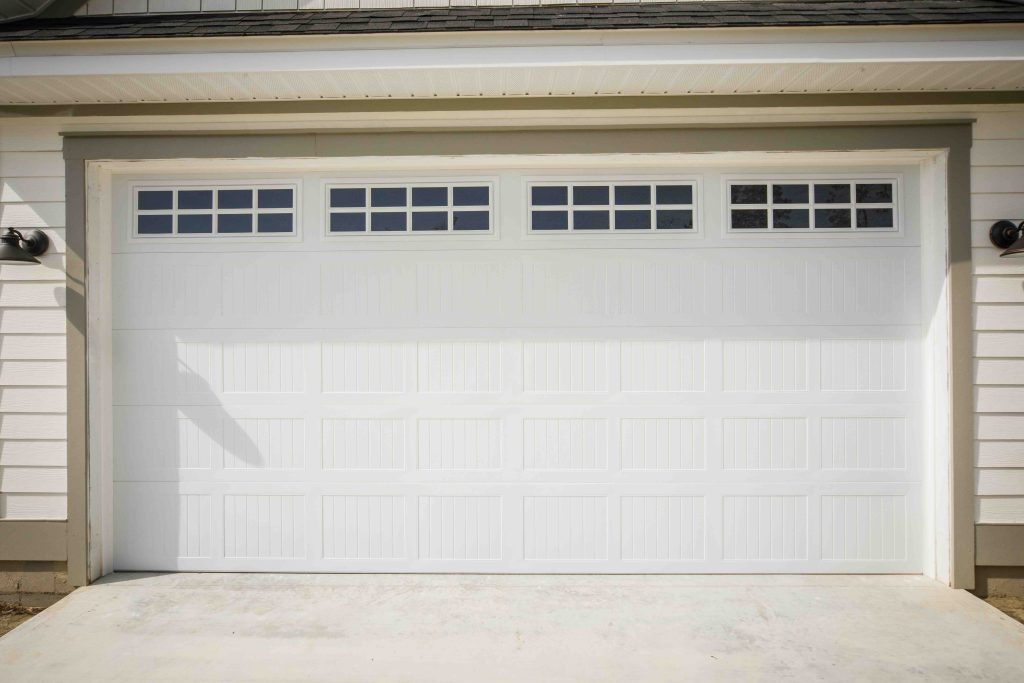
You hit the button, the door starts to move, and then it does that thing. That stuttering, shuddering, jerking motion that makes you wonder if something is about to snap. If your garage door jerks when opening, you are not alone, and more importantly, you are not out of options. This is one of the more common garage door complaints homeowners deal with, and the causes range from simple fixes you can handle yourself to repairs that genuinely need a professional. Understanding what is happening inside your garage door system is the first step toward getting it moving smoothly again.
How a Garage Door System Actually Works
Before diving into causes, it helps to understand what a garage door is doing when it opens. The door itself is heavy, often weighing between 130 and 400 pounds depending on material and size. It relies on a carefully balanced system of springs, cables, rollers, and tracks to move up and down without putting that full weight on the motor. The opener provides the signal and the mechanical pull, but the springs do the heavy lifting, literally. When everything is in balance and well-maintained, the door glides open smoothly. When something is off, even slightly, you start to feel it in the form of jerking, hesitation, or uneven movement.
The Most Common Reasons a Garage Door Jerks When Opening
There is rarely one universal answer here, but there are several causes that come up repeatedly. Knowing which one applies to your situation helps you prioritize the fix.
- Worn or damaged rollers that no longer roll smoothly inside the tracks
- Dirty or misaligned tracks that cause the door to catch as it moves
- Unlubricated or binding hinges that create resistance at regular intervals
- Torsion or extension springs that are losing tension unevenly
- A cable that has frayed, slipped, or is no longer seated properly on its drum
- A worn garage door opener that is struggling to maintain consistent speed
- Loose hardware, including bolts and brackets, that causes the track to shift under load
Each of these issues creates a different kind of jerking sensation. Roller and track problems tend to cause a rhythmic jerk that happens at the same point in the door’s travel. Spring and cable issues often produce a more dramatic lurch at the start of movement. Opener problems can cause inconsistent behavior that is harder to predict.
Dirty and Misaligned Tracks Are Often the First Place to Look
Tracks accumulate grime, dust, and debris over time. That buildup creates friction and causes the rollers to drag rather than roll. A quick visual inspection can tell you a lot. Look for visible dirt along the inside of the track, any bending or warping, and gaps between the track and the wall bracket. Cleaning the tracks with a damp cloth and checking that all brackets are tightly fastened is a reasonable starting point and something most homeowners can do without any special tools. If the tracks are visibly bent or warped, that is a repair job that needs professional attention.
Roller and Hinge Wear Is More Common Than People Realize
Rollers are small, often overlooked components, but they are doing real work every single time your door moves. Standard nylon rollers typically last between 10,000 and 15,000 cycles. If your door opens and closes twice a day, that is roughly 1,460 cycles per year. Do the math and you can see that rollers on an older door may be well past their service life. Worn rollers wobble inside the track instead of rolling cleanly, and that wobble is exactly what produces the jerking sensation. Replacing rollers is a moderate DIY project for some homeowners, but if multiple rollers need replacing or the door feels significantly off-balance, calling a technician is the safer call.
Spring Problems Deserve Serious Attention
Torsion springs sit above the door and wind up under tremendous tension. If one spring is losing tension or is partially broken, the door will not lift evenly, and that imbalance translates directly into jerking movement. A fully broken torsion spring is unmistakable since the door will feel extraordinarily heavy or may not open at all. Partial spring wear is subtler and often shows up first as that jerking or lurching motion. Spring repair and replacement is not a DIY job. The tension stored in these springs is significant enough to cause serious injury if the spring releases unexpectedly. This is one area where professional service is strongly recommended.

Lubrication Is a Simple Fix That Makes a Real Difference
A surprising number of jerking garage doors simply need lubrication. Metal components that rub against each other without proper lubrication create resistance and vibration that can feel like a mechanical problem even when the underlying parts are in perfectly good condition. Applying a silicone-based lubricant or a product specifically designed for garage doors to the hinges, rollers, springs, and the top of the tracks is a fast and inexpensive maintenance step. Avoid using WD-40 as a primary lubricant since it is more of a solvent than a long-lasting lubricant and can actually attract more dirt over time. A proper garage door lubricant applied twice a year can extend the life of your components significantly.
When the Opener Itself Is the Problem
Garage door openers have a lifespan too, typically between 10 and 15 years for most standard models. As the motor and drive mechanism wear, the opener can lose the ability to maintain a consistent pull on the door. Chain-drive openers are particularly prone to this since the chain can stretch over time, creating slack that results in an uneven, jerking motion. Belt-drive openers are generally smoother but not immune to wear. If your opener is older and the jerking started gradually rather than suddenly, the opener itself may be contributing to the problem. A technician can assess whether the issue is the drive mechanism, the motor, or simply a calibration issue with the travel limits and force settings.
Preventive Maintenance Goes a Long Way
Most garage door issues, including the frustrating problem of a door that jerks when opening, are preventable with consistent maintenance. Homeowners who stay on top of a basic maintenance schedule tend to avoid the more costly repair calls that come from ignored wear and tear. Here is a practical maintenance checklist to follow at least once or twice a year.
- Visually inspect all rollers, hinges, cables, and springs for signs of wear or damage
- Clean the tracks and check for alignment issues
- Apply garage door lubricant to all moving metal components
- Tighten any loose bolts or bracket fasteners
- Test the door’s balance by disconnecting the opener and lifting the door manually to about waist height, then releasing it. It should hold position without drifting up or falling
- Test the auto-reverse safety feature by placing a flat board under the door and letting it close
How a Home Warranty Can Protect You When Garage Door Repairs Come Up
Garage door repairs can catch homeowners off guard, especially when the issue turns out to be a failed spring, a worn opener, or a combination of problems that adds up quickly. This is where having a reliable home warranty in place makes a meaningful difference. When you choose home warranty coverage that includes garage door opener protection, you are not left calculating repair costs out of pocket every time a component wears out. Armadillo’s approach to home warranty coverage is built around the reality of how homes actually function, including the mechanical systems that get daily use like your garage door. If your garage door jerks when opening and the diagnosis points to a covered component, your plan goes to work so you are not stuck managing an unexpected expense alone. Taking a few minutes to get a personalized home warranty quote for garage door and system coverage is a straightforward way to make sure your home is protected before the next repair call happens.

Frequently Asked Questions About Garage Door Jerking When Opening
These are the questions homeowners ask most often when dealing with a garage door that jerks, stutters, or moves unevenly during operation.
Why does my garage door jerk when opening but not when closing?
This often points to a spring tension issue since the springs assist with lifting but not with lowering. It can also indicate that the opener’s force settings are calibrated unevenly for the up and down cycles, which a technician can adjust.
Is a jerking garage door dangerous?
It can be. Jerking motion may indicate a failing spring or frayed cable, both of which can snap without warning. A door that moves unpredictably is also a safety risk for people and vehicles nearby. Do not ignore the symptom.
Can I fix a jerking garage door myself?
Some causes, like dirty tracks or lack of lubrication, are safe DIY fixes. Spring repair and cable replacement should always be handled by a trained technician due to the risk of injury from stored tension.
How much does it cost to fix a garage door that jerks when opening?
Costs vary widely depending on the cause. Lubrication and minor adjustments may cost little to nothing. Roller replacement runs roughly $100 to $200. Spring replacement can range from $150 to $350 or more. Opener replacement typically runs $200 to $500 including installation.
How do I know if my garage door springs are causing the jerking?
Disconnect the opener and try to lift the door manually. If it feels extremely heavy or rises unevenly, the springs are likely the issue. A properly balanced door should lift smoothly and hold its position when released at mid-height.
Can worn rollers really cause my garage door to jerk?
Yes. Worn rollers wobble inside the track instead of rolling cleanly, and that movement creates a rhythmic jerking sensation that often gets more pronounced as the rollers continue to degrade.
How often should I lubricate my garage door?
Twice a year is the standard recommendation for most climates. If you live in an area with extreme temperature swings or high humidity, lubricating every three to four months is a reasonable precaution.
Does a home warranty cover garage door repairs?
It depends on the plan. Many home warranty providers cover the garage door opener as a mechanical component. Coverage for springs, cables, and tracks varies by provider and plan tier, so reviewing the terms of your specific plan is important.
What type of lubricant should I use on my garage door?
Use a silicone-based spray lubricant or a product specifically formulated for garage doors. Apply it to hinges, rollers, springs, and the top section of the tracks. Avoid petroleum-based products that can attract debris and degrade plastic components.
When should I replace my garage door opener instead of repairing it?
If your opener is more than 10 to 15 years old, requires frequent repairs, lacks modern safety features like auto-reverse, or is consistently causing uneven door movement, replacement is often the more cost-effective long-term decision.