Why Your Dishwasher Runs But Leaves Dishes Dirty
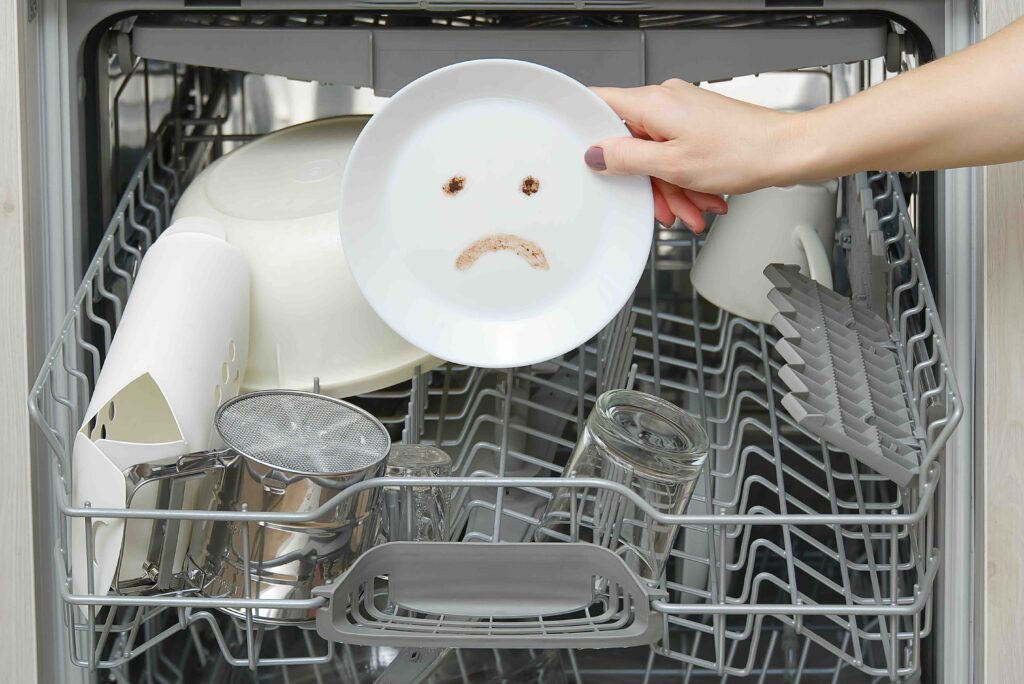
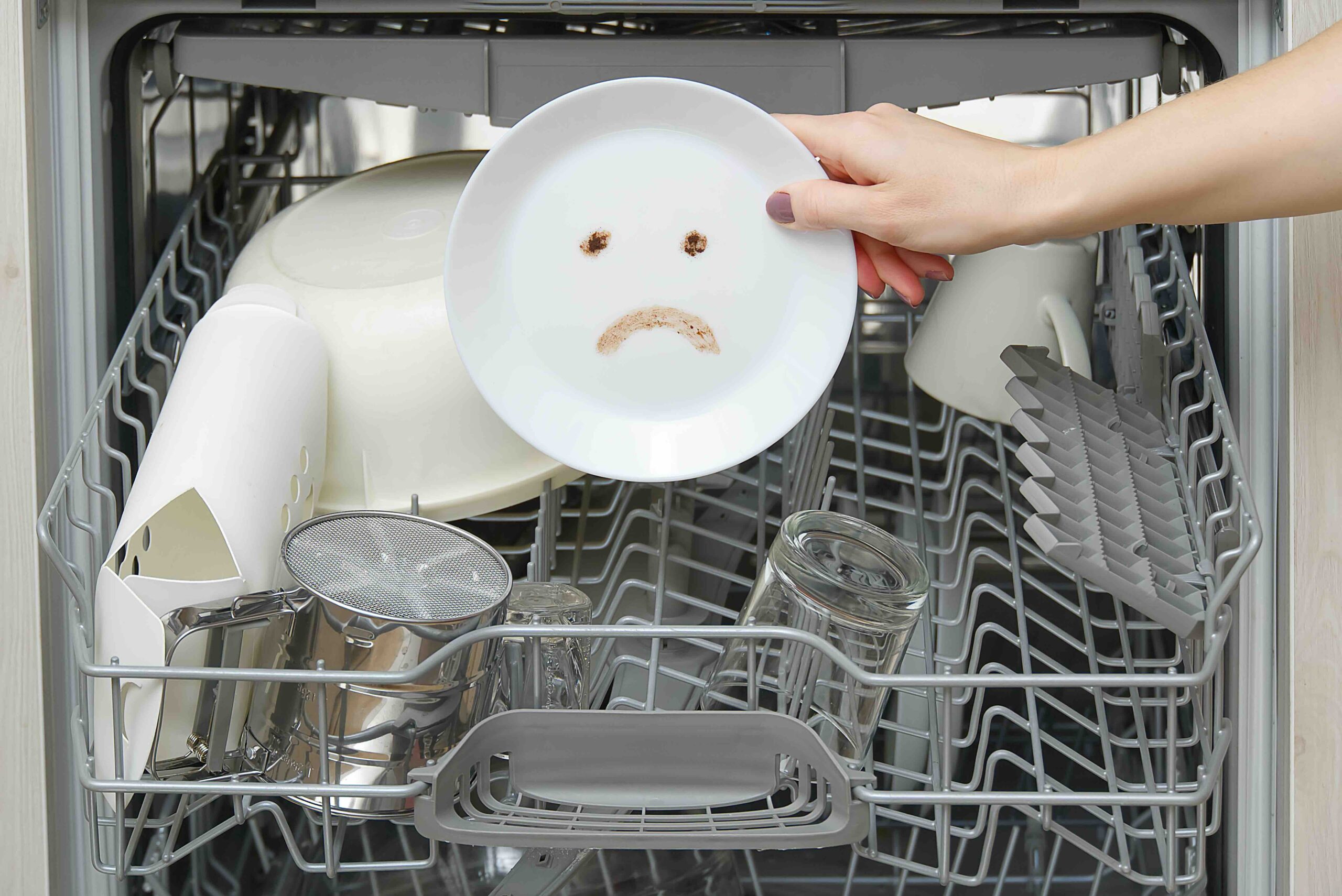
There are few things more frustrating than unloading a full dishwasher only to find food still caked on the plates. The machine ran its full cycle, water was used, the detergent is gone — and yet somehow, the dishes look like they skipped the whole process entirely. This is one of the most common appliance complaints homeowners deal with, and the good news is that it is usually diagnosable without calling a technician on the spot. Understanding how a dishwasher actually cleans dishes helps clarify what can go wrong and what it actually costs to fix it — which is where a home warranty can quietly save the day.
How a Dishwasher Actually Works
Most people assume dishwashers work like a sink with jets. The reality is a bit more nuanced. The machine fills the bottom basin with water, heats it to an effective cleaning temperature, and then pumps it through spray arms that rotate and blast water across every rack level. Detergent is released at a specific point in the cycle, and the entire process depends on water pressure, heat, mechanical function, and the right chemical balance working together. When any one of those elements underperforms, the cleaning outcome suffers. It is a system, not just a spray-and-rinse appliance, and treating it like one changes how you approach troubleshooting.
The Most Common Reasons a Dishwasher Does Not Clean Properly
Before jumping to conclusions about a broken machine, it helps to walk through the most frequent causes. Some are simple user-side fixes; others signal a mechanical problem that warrants professional attention.
- Clogged or blocked spray arms that prevent water from rotating and reaching all dish surfaces
- A dirty or congested filter at the base of the dishwasher that restricts water flow
- Low water temperature that prevents detergent from activating properly
- Faulty water inlet valve that limits how much water enters the tub
- Worn or failing wash pump that cannot generate adequate water pressure
- Improper loading that blocks spray arms or creates dead zones in the wash pattern
- Old or clumped detergent that does not dissolve or clean effectively
Each of these causes a specific type of failure. Spotty glasses, greasy film on plates, or food residue concentrated in one section of the rack often points directly to one of the items above. Working through them systematically saves time and avoids unnecessary repair calls.
Start With the Filter and Spray Arms
This step gets skipped more often than it should. The dishwasher filter — usually located at the bottom of the tub — traps food debris over time. If it is not cleaned regularly, it recirculates dirty water throughout the entire cycle. Most modern dishwashers have a removable cylindrical filter that twists out for rinsing. Running it under warm water and scrubbing lightly with a soft brush takes about two minutes. Spray arms deserve the same attention. The small holes can clog with mineral deposits or food particles, which disrupts the spray pattern significantly. Removing the arms and clearing the holes with a toothpick or thin wire often restores full cleaning performance on its own.
Water Temperature and the Inlet Valve Connection
Dishwasher detergent is engineered to activate within a specific temperature range — typically between 120 and 150 degrees Fahrenheit. If the water entering the machine is too cool, the detergent does not fully dissolve, and the cleaning chemistry never fully engages. A quick way to test this is to run the hot water tap at the sink nearest to the dishwasher before starting a cycle. This purges cooler water from the supply line and ensures the machine fills with properly heated water from the start. If that does not help, the water inlet valve may be partially failing. This valve controls water entry into the machine, and when it underperforms, low fill levels reduce both spray pressure and rinse effectiveness. Replacing an inlet valve is a legitimate repair covered under many home warranty plans.

When the Problem Is the Wash Pump
The wash pump is the mechanical heart of the cleaning cycle. It is responsible for drawing water from the basin and pushing it through the spray arms at sufficient pressure to actually dislodge food. When the pump motor begins to wear out, pressure drops, and the result is dishes that look rinsed but not cleaned. A weak pump can also cause the dishwasher to sound different than usual — quieter in some cases, or straining in others. This is not a DIY repair for most homeowners. Pump replacement involves accessing internal components and reassembling water-tight connections, and it typically runs between $150 and $350 in repair costs before labor. This is exactly the type of repair that catches homeowners off guard and strains a household budget with no warning.
Detergent and Rinse Aid Matter More Than Expected
Using the wrong detergent, too much of it, or detergent that has been sitting open and exposed to humidity can undermine an otherwise functioning dishwasher. Pods tend to perform more consistently than powder in most machines. Rinse aid is often overlooked but plays a direct role in preventing film and spotting on dishes by reducing water surface tension during the final rinse. If the rinse aid dispenser is empty or clogged, the visual result on glassware especially can look like a cleaning failure when the underlying machine is actually working fine. Keeping both the detergent and rinse aid compartments properly maintained is a low-cost, high-return maintenance habit.
Loading Technique Has a Real Impact
Dishwasher design is not arbitrary. The racks, tine angles, and rack positions are configured to direct water at the most common dish orientations. Loading dishes so they face inward toward the spray source, avoiding nesting of bowls or cups, and keeping tall items on the sides rather than blocking the central spray arm all contribute to even water coverage. Overcrowding is one of the leading causes of uneven cleaning and frequently gets misread as a machine malfunction. Running a lighter load or adjusting placement before assuming the appliance is broken is always worth attempting first.
Knowing When a Repair Is Required
Once the DIY troubleshooting steps have been exhausted — clean filter, cleared spray arms, proper detergent, correct loading — and the dishwasher still fails to clean properly, the issue is mechanical. At that point, the repair path involves diagnosing the pump, heating element, control board, or inlet valve, each of which carries meaningful replacement costs. Dishwasher repairs can range from a modest $100 service call to several hundred dollars depending on the component involved. Without a protection plan in place, that expense arrives with no notice and no cushion.
How a Home Warranty Protects You When the Dishwasher Fails
This is where planning ahead makes a measurable difference. When a covered appliance like a dishwasher has a mechanical or electrical failure, a home warranty steps in to cover the repair or replacement cost beyond a service call fee. Armadillo is a home warranty provider built for homeowners who want straightforward dishwasher and appliance breakdown coverage without complicated exclusions or confusing claim processes. When a wash pump fails or a water inlet valve gives out, you make a call, a qualified technician is dispatched, and the covered repair cost is handled — not passed entirely to you. If you have been putting off appliance protection, now is a practical moment to reconsider. You can get a personalized home warranty quote that covers dishwasher mechanical failures and more in just a few minutes. The cost of a plan is often less than a single unexpected appliance repair, and the peace of mind compounds across every covered system in your home.

Frequently Asked Questions About Dishwashers That Run But Do Not Clean
Answers to the most common questions homeowners ask when their dishwasher completes a cycle but leaves dishes dirty.
Why are my dishes still dirty after a full dishwasher cycle?
The most likely causes are a clogged filter, blocked spray arms, low water temperature, or an underperforming wash pump. Start with the filter and spray arms before assuming a mechanical failure is involved.
How often should I clean my dishwasher filter?
For average household use, cleaning the dishwasher filter once a month is a reasonable maintenance schedule. Heavy use or households that pre-rinse infrequently may benefit from cleaning it every two weeks.
Can the type of detergent I use affect cleaning performance?
Yes. Detergent pods typically perform more consistently than powder or gel in most dishwasher models. Old or humidity-exposed detergent loses effectiveness and should be replaced.
What temperature does dishwasher water need to reach for effective cleaning?
Most dishwashers clean most effectively when water reaches between 120 and 150 degrees Fahrenheit. Running the hot water at a nearby sink before starting the dishwasher helps ensure the machine fills with properly heated water.
How do I know if my dishwasher spray arms are clogged?
Remove the spray arms by twisting or unclipping them from their mounts. Hold them up to light and look through the spray holes. If any are visibly blocked, clear them with a toothpick or thin wire and rinse thoroughly before reinstalling.
What does a failing dishwasher pump sound like?
A dishwasher with a weakening pump may sound noticeably quieter than usual during the wash cycle, or it may produce a low humming or straining noise as the motor works harder to maintain pressure.
Is a dishwasher that runs but does not clean covered by a home warranty?
It depends on the cause. Mechanical and electrical failures such as a broken wash pump, faulty inlet valve, or failed heating element are typically covered by home warranty plans. Cosmetic issues or damage from misuse generally are not.
Can improper loading cause dishes to come out dirty?
Yes. Blocking the spray arm rotation by overcrowding or placing tall items in the center of the lower rack creates areas of the dishwasher that receive little to no water coverage. Adjusting the load configuration often resolves the issue without any repair needed.
What is the average cost to repair a dishwasher that is not cleaning properly?
Repair costs vary by component. A service call alone typically runs between $75 and $150. Pump replacement can add $150 to $350 in parts and labor. Inlet valve repairs are generally on the lower end, while control board replacements can exceed $400.
When should I repair versus replace a dishwasher that is not cleaning?
If the dishwasher is under ten years old and the repair cost is less than half the price of a comparable new unit, repair is usually the more economical choice. Older machines with multiple failing components are generally better candidates for replacement.