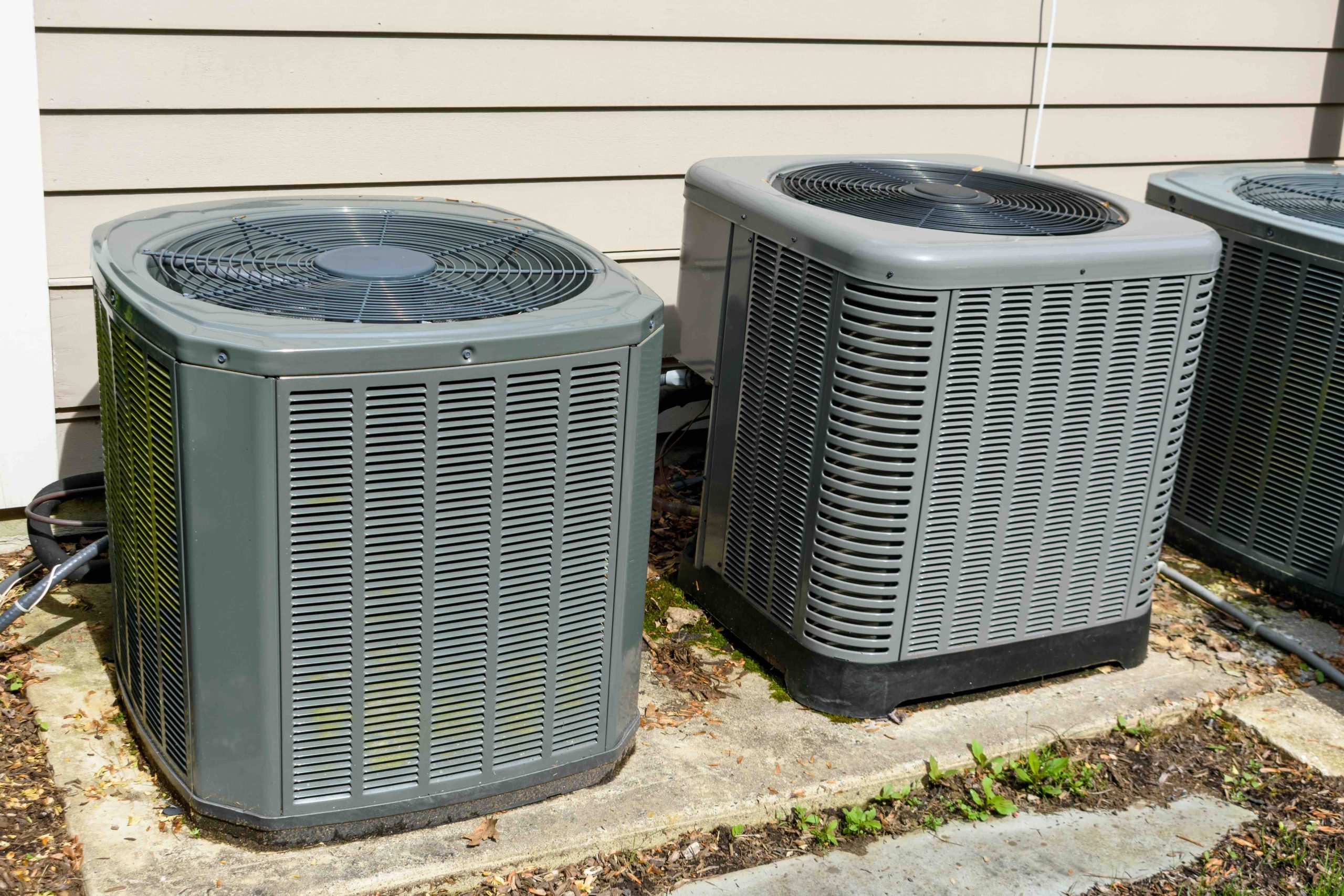
What Is an 800 Sq Ft Air Conditioning Unit and Do You Actually Need One?
If you have ever stood in a room that just refuses to cool down no matter how low you set the thermostat, you already know the frustration of a mismatched air conditioning system. Sizing an AC unit correctly is one of the most important decisions a homeowner can make, and yet it is one of the most commonly overlooked. An 800 square foot air conditioning unit refers to a cooling system specifically sized to handle the thermal load of a space that measures approximately 800 square feet. Understanding what that means for your home, your comfort, and your wallet is where the real conversation begins.
How Air Conditioning Units Are Sized and Why Square Footage Matters
Air conditioners are measured in BTUs, which stands for British Thermal Units. This number tells you how much heat a unit can remove from a space per hour. For a space around 800 square feet, most HVAC professionals recommend a unit rated between 18,000 and 20,000 BTUs, which translates to roughly 1.5 tons of cooling capacity. Square footage is the starting point for this calculation, but it is not the only factor. Ceiling height, insulation quality, sun exposure, the number of occupants, and local climate all influence how much cooling power a space actually needs. That said, 800 square feet is a well-defined benchmark that gives you a reliable starting point when evaluating your options.
Types of AC Units That Work Well for 800 Square Feet
There is more than one way to cool an 800 square foot space, and the right option depends heavily on your home’s existing setup. Here is a look at the most common choices:
- Window AC units rated around 18,000 BTUs are a budget-friendly solution for single rooms or open-concept spaces up to 800 square feet.
- Portable air conditioners offer flexibility but tend to be less efficient for larger spaces and may struggle with humidity control.
- Mini-split systems, also called ductless units, are highly efficient and ideal for additions, garages, or spaces without existing ductwork.
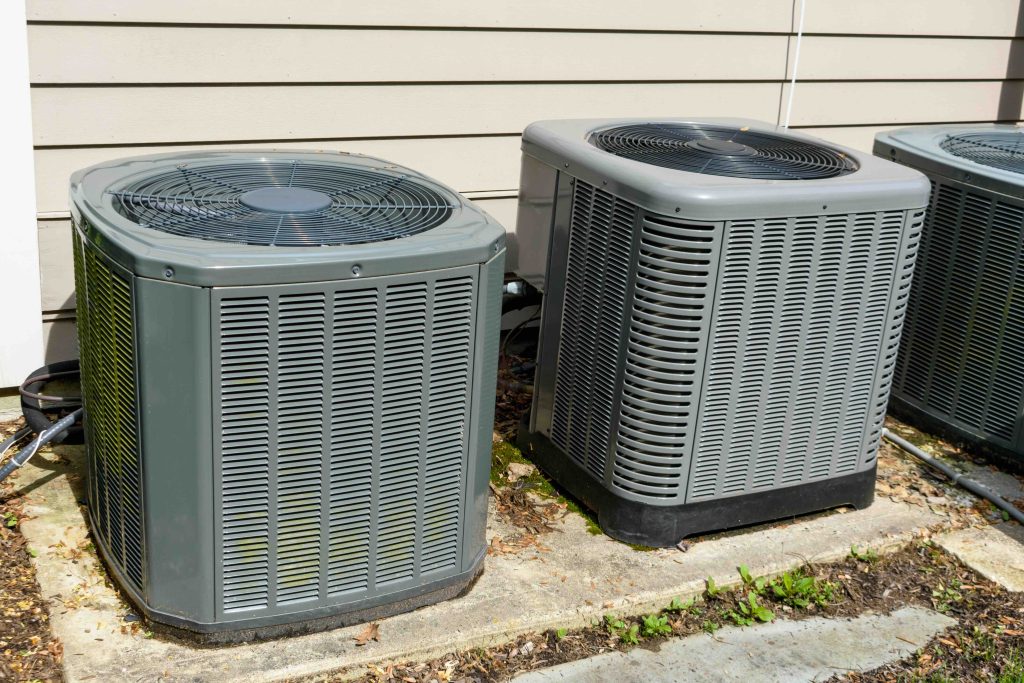
- Central air conditioning systems that are properly zoned can effectively serve an 800 square foot area as part of a whole-home solution.
Each of these options carries its own installation requirements, price range, and long-term maintenance needs. Knowing the differences upfront saves you from a costly mistake down the road.
The Key Advantages of Choosing the Right Sized AC Unit
Getting the sizing right is not just about comfort, it is about efficiency and longevity. A properly sized unit for 800 square feet will cycle on and off at the correct intervals, which is exactly how it is designed to operate. This means the compressor is not overworked, the system removes humidity effectively rather than just blowing cold air, and your energy bills reflect reasonable usage rather than constant overcorrection. Homeowners who invest in correctly sized systems also report fewer repair calls over time, which is a significant financial benefit when you consider how expensive HVAC service can be.
Common Drawbacks and Mistakes to Avoid
Here is where things get interesting, because this is where a lot of homeowners go sideways. The two most common mistakes are buying a unit that is too large or one that is too small. Bigger is not always better in the HVAC world. An oversized unit will cool the space quickly but will short-cycle, meaning it turns off before it has had time to dehumidify the air properly. The result is a room that feels cold but clammy. On the flip side, an undersized unit runs constantly, wears out faster, and never quite catches up on the hottest days. Additional drawbacks include poor installation, which can reduce efficiency by as much as 30 percent, and neglecting regular maintenance, which shortens the lifespan of even the highest-quality systems.

Energy Efficiency Ratings and What to Look For
When shopping for an AC unit sized for 800 square feet, pay close attention to two key efficiency ratings: SEER and EER. SEER stands for Seasonal Energy Efficiency Ratio and measures performance over an entire cooling season. EER measures performance at a specific set of conditions. The higher the number, the more efficient the unit. Current federal standards require a minimum SEER rating of 14 in most regions, but units with SEER ratings of 16 or higher will deliver meaningfully lower energy costs over time. For an 800 square foot space where the unit runs frequently, even a small jump in efficiency can translate to noticeable savings on your monthly utility bill.
Installation Considerations Every Homeowner Should Know
Even the best air conditioning unit will underperform if it is installed incorrectly. For window units, proper sealing around the unit is critical to prevent warm outside air from seeping in around the edges. For mini-split systems, line sets must be correctly sized and refrigerant levels precisely charged. Central air systems require balanced ductwork to distribute air evenly without pressure imbalances. It is always worth hiring a licensed HVAC technician for anything beyond a basic window unit installation. The upfront cost of professional installation is almost always recovered through better performance and fewer early repairs.
Maintenance Tips to Keep Your AC Running at Peak Performance
Routine maintenance is the single most effective thing you can do to extend the life of any air conditioning system. For a unit serving an 800 square foot space, the following practices are non-negotiable:
- Replace or clean air filters every 30 to 90 days depending on usage and indoor air quality.
- Clean the evaporator and condenser coils annually to prevent efficiency loss caused by dirt buildup.
- Check and clear the condensate drain line to prevent water damage and mold growth.
- Schedule a professional tune-up once a year before the cooling season begins.
- Inspect refrigerant levels and electrical connections during each annual service visit.
Skipping these steps is one of the fastest ways to turn a reliable system into an expensive problem. Consistent care is what separates a unit that lasts 15 years from one that gives out in 8.
When to Repair Versus Replace Your AC Unit
At some point, every homeowner faces the repair versus replace decision. For air conditioning units, a commonly used guideline is the 5,000 rule: multiply the age of the unit by the estimated repair cost. If that number exceeds 5,000, replacement is generally the smarter financial move. For an 800 square foot unit that has been in service for more than 10 to 12 years, efficiency has likely declined significantly due to natural wear, even with solid maintenance. Newer units offer dramatically better energy performance, quieter operation, and smarter thermostat compatibility, all of which add real value to your home and daily comfort.
How Armadillo Helps Protect Your Home’s Cooling System
When your AC unit fails during a heat wave, the last thing you want is an unexpected repair bill that runs into the hundreds or even thousands of dollars. That is exactly the kind of financial shock that a home warranty is designed to absorb. Armadillo home warranty coverage for air conditioning systems gives homeowners real peace of mind, with plans built to cover the mechanical failures that happen to even well-maintained systems over time. Whether you have a window unit, a mini-split, or a central system cooling your 800 square foot space, having a warranty in place means you are not facing that repair bill alone. If you are ready to stop worrying about what a compressor replacement or refrigerant leak might cost you, take a few minutes to get a free home warranty quote for AC unit protection and see exactly what coverage looks like for your home. Armadillo keeps things straightforward, with no confusing fine print and real support when something breaks down.

Frequently Asked Questions About 800 Sq Ft Air Conditioning Units
These are the questions homeowners ask most often when sizing, buying, or maintaining an air conditioning unit for an 800 square foot space.
What size air conditioner do I need for 800 square feet?
For an 800 square foot space, you typically need an air conditioner rated between 18,000 and 20,000 BTUs, which equals approximately 1.5 tons of cooling capacity. This estimate can shift based on ceiling height, insulation, climate, and sun exposure in your specific space.
Is a 1.5 ton AC unit enough for 800 square feet?
Yes, in most standard residential conditions, a 1.5 ton unit is the appropriate size for 800 square feet. However, if the space has high ceilings, poor insulation, or significant sun exposure, you may benefit from consulting an HVAC technician before purchasing.
How much does it cost to install an AC unit for 800 square feet?
Installation costs vary by unit type. Window units can range from a few hundred dollars including the unit itself, while mini-split systems typically cost between $1,500 and $4,000 installed. Central air system additions or replacements for this square footage can range from $3,000 to $7,000 or more depending on the existing infrastructure.
What is the most energy-efficient AC option for an 800 square foot space?
Mini-split ductless systems are generally the most energy-efficient option for an 800 square foot space because they eliminate duct losses and allow precise temperature control. Look for units with a SEER rating of 16 or higher for the best long-term efficiency.
How long should an AC unit last when used for 800 square feet?
A properly maintained air conditioner should last between 12 and 20 years depending on the unit type, quality of installation, and consistency of maintenance. Window units tend to have shorter lifespans of 8 to 12 years, while mini-split and central systems can last 15 to 20 years with proper care.
How often should I service an AC unit for an 800 square foot space?
You should schedule professional maintenance once a year, ideally in the spring before the cooling season begins. In addition, filters should be checked monthly and cleaned or replaced every 30 to 90 days based on usage and indoor air quality conditions.
Does a home warranty cover AC units for 800 square foot spaces?
Most home warranty plans cover air conditioning systems regardless of the square footage they serve, as long as the unit was in proper working condition at the start of the warranty period. Coverage typically includes mechanical and electrical components like the compressor, fan motor, and refrigerant lines.
Can a portable AC unit cool 800 square feet effectively?
A portable AC unit can cool 800 square feet in mild climates, but it is generally not the most effective solution. Portable units are less efficient than window or mini-split systems, tend to struggle with humidity removal in larger spaces, and often require venting that can reduce their overall cooling output.
What happens if my AC unit is oversized for 800 square feet?
An oversized unit will cool the space too quickly and shut off before properly removing humidity from the air. This short-cycling causes the room to feel clammy and uncomfortable, increases wear on the compressor, and leads to higher energy bills over time.
Should I replace or repair my 800 sq ft AC unit when it breaks down?
If your unit is more than 10 years old and the repair cost is significant, replacement is often the smarter investment. A useful rule of thumb is to multiply the unit’s age by the repair estimate; if the result exceeds $5,000, replacement typically offers better long-term value and improved energy efficiency.