What Is Air Duct Mold and Why Should Homeowners Take It Seriously
Air duct mold is exactly what it sounds like: mold growth that develops inside the ductwork of your home’s heating, ventilation, and air conditioning system. It is not a rare issue, and it is not a minor one either. When mold takes hold inside your ducts, it gets distributed through every vent in your home each time the system runs. That means the air your family breathes every day could be carrying mold spores from room to room without any visible sign of the problem. Many homeowners never even know it is happening until someone starts experiencing respiratory symptoms or a musty odor becomes impossible to ignore. Understanding what causes it, how to spot it, and what to do about it is one of the more practical things a homeowner can know.
How Mold Gets Into Your Air Ducts in the First Place
Mold needs three things to survive: moisture, a food source, and the right temperature. Your HVAC system, unfortunately, provides all three under the right conditions. Condensation is one of the most common culprits. When warm, humid air meets the cooler surfaces inside metal ductwork, moisture forms. If that moisture does not dry out quickly, mold spores already floating in the air can settle and begin to grow. Dust and debris inside the ducts serve as the food source. Poor insulation, high indoor humidity, and leaky duct connections all accelerate the process. Homes in humid climates are at higher risk, but any home with a poorly maintained HVAC system can develop mold growth in the ductwork over time.
Signs You May Have Mold Growing in Your Ductwork
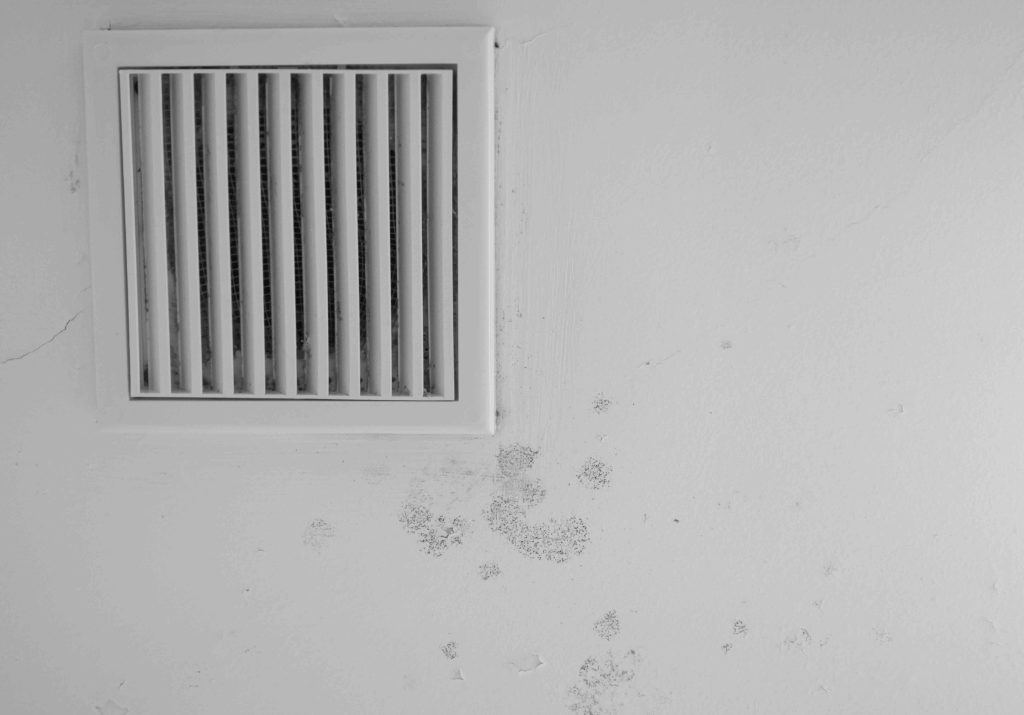
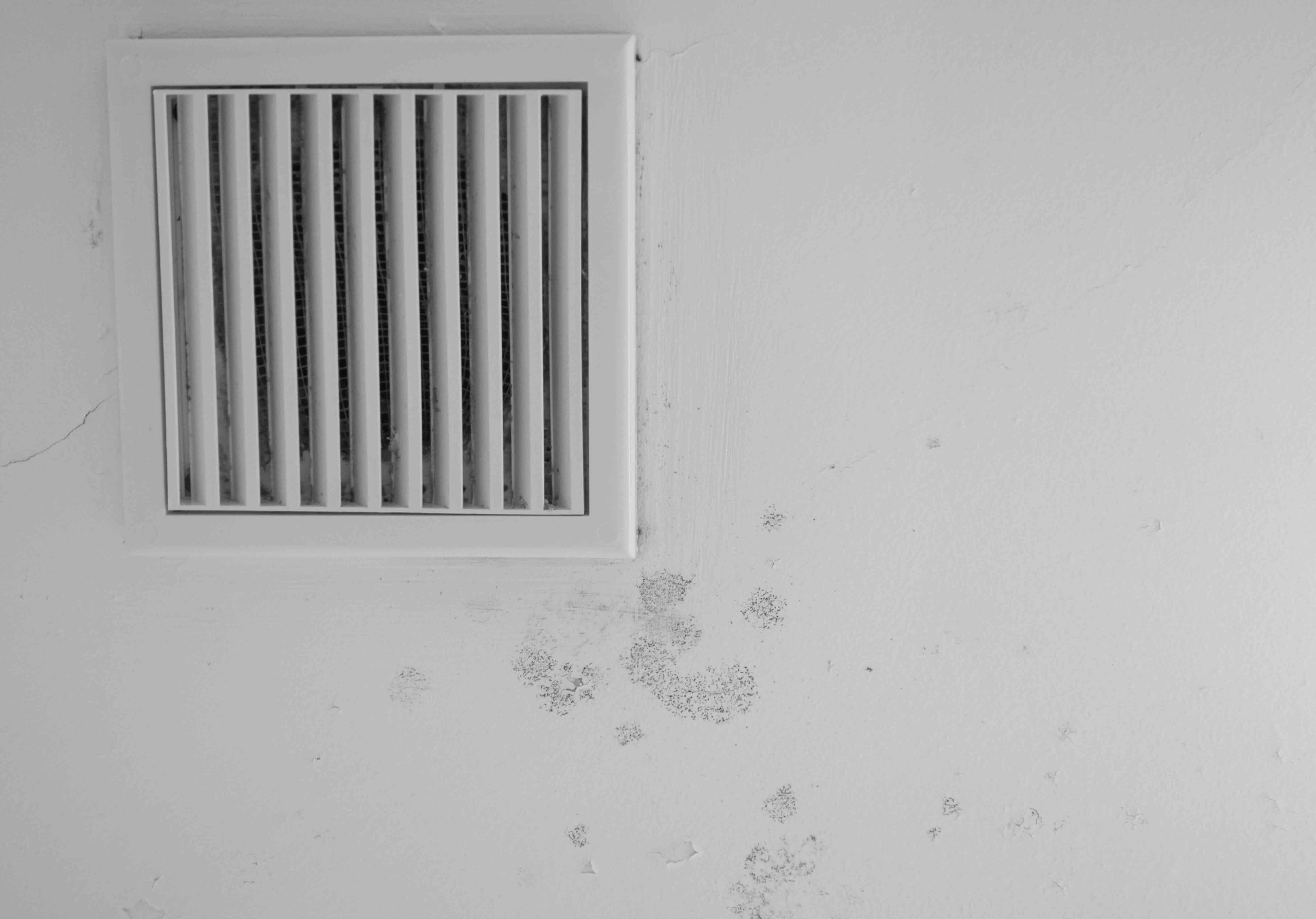
Catching mold early is the goal, but the problem is that ductwork is mostly hidden behind walls, ceilings, and floors. Still, there are reliable warning signs worth watching for. A persistent musty or stale smell that appears when the HVAC system kicks on is one of the clearest indicators. Visible black, green, or white spots near vent covers or on the vents themselves are another. If household members are experiencing unexplained allergy-like symptoms, headaches, or worsening respiratory issues indoors, mold contamination in the air supply is worth investigating. Some homeowners also notice an increase in dust settling on surfaces faster than usual after the system runs. These signs alone are not conclusive proof, but they are strong enough reasons to schedule a professional inspection.

How Air Duct Mold Removal Actually Works
Professional air duct mold removal is a multi-step process that goes well beyond spraying a surface and wiping it down. A certified HVAC technician or indoor air quality specialist will typically begin with a thorough inspection, sometimes using cameras to assess the interior condition of the ductwork. If mold is confirmed, the technician will seal off the vents and work areas to prevent spores from spreading further through the home during cleaning. Specialized equipment, including HEPA vacuums and negative air pressure machines, is used to remove debris and pull contaminated air out of the system. The duct surfaces are then treated with EPA-approved antimicrobial solutions that kill mold at the root rather than just cleaning the visible growth. After treatment, many professionals apply a mold-inhibiting coating to discourage future regrowth.
The Key Advantages of Addressing Mold in Your Ductwork
There are real, measurable benefits to having air duct mold professionally removed, and they extend well beyond simply eliminating an odor.
- Improved indoor air quality, which directly benefits household members with asthma, allergies, or compromised immune systems
- Reduced risk of mold spreading to other areas of the home through the air supply
- Extended lifespan of HVAC components, since mold and moisture contribute to corrosion and system degradation
- Lower energy costs in some cases, as clean ducts allow the system to operate more efficiently
- Greater peace of mind knowing the air circulating through your home is not actively working against your health
Common Drawbacks and Limitations to Be Aware Of
Air duct mold removal is not a one-time permanent fix if the underlying moisture problem is not resolved. This is the most important limitation homeowners need to understand. If the source of humidity or condensation inside the ductwork is still present after cleaning, mold will return. Additionally, the process is not inexpensive. Professional remediation can range from a few hundred dollars for a minor case to several thousand for extensive contamination. Not every contractor is equally qualified, and some may use products or methods that are not effective long-term. It is also worth noting that some older duct systems made from fiberglass duct board are particularly difficult to remediate because the porous material retains mold even after cleaning. In those cases, duct replacement may be the more practical solution.
DIY vs. Professional Mold Remediation: What Homeowners Should Know
It is tempting to reach for a spray bottle and handle this yourself, especially if the visible mold seems limited. However, DIY air duct mold removal carries real risks. Without the right equipment, attempting to clean mold inside ductwork can dislodge spores and push them further into the system or release them into the living space. Consumer-grade antifungal sprays are also generally not formulated for the scale or conditions found inside ductwork. Professional remediators bring containment barriers, industrial-grade tools, and the training to identify the full scope of contamination. For surface mold on visible vent covers or register plates, careful cleaning with an appropriate solution is reasonable. But for anything inside the duct system itself, professional remediation is the right call.
Preventive Measures That Reduce the Risk of Duct Mold Returning
Prevention is where homeowners have the most control. Once mold has been removed, the goal is creating an environment inside the ductwork where it simply cannot thrive. A few consistent habits go a long way.
- Change HVAC filters on schedule, typically every one to three months depending on household conditions
- Keep indoor humidity levels between 30 and 50 percent using a dehumidifier if needed
- Schedule annual HVAC maintenance to catch condensation issues, leaky connections, and drainage problems early
- Ensure all duct connections are properly sealed and insulated, particularly in unconditioned spaces like attics and crawl spaces
- Consider a UV germicidal light installed near the air handler, which can help inhibit microbial growth in the system
How Home Warranties Factor Into HVAC and Duct-Related Issues
This is a question that comes up often, and it is worth addressing directly. Standard home warranty plans typically cover HVAC system components, including the furnace, air handler, and central air conditioning unit. However, mold remediation specifically is generally considered a maintenance issue rather than a mechanical breakdown, which means it often falls outside the scope of traditional home warranty coverage. That said, the HVAC components that contribute to moisture problems, such as a failing evaporator coil or a malfunctioning condensate drain, may well be covered under a solid home warranty plan. Addressing those mechanical failures before they create secondary issues like mold growth is exactly the kind of proactive protection a home warranty is designed to support.
Why Armadillo Is the Smart Choice for Protecting Your Home’s HVAC System
When it comes to protecting the systems that keep your home running, having the right coverage in place before something goes wrong is what separates a manageable repair from a genuinely stressful one. Armadillo offers straightforward, homeowner-friendly home warranty coverage designed for the way real people actually live in their homes. If a mechanical failure in your HVAC system, such as a broken evaporator coil or a failed condensate pump, contributes to moisture buildup and costly downstream damage, having a plan that covers those components means you are not absorbing that expense alone. For homeowners who want to understand what comprehensive protection actually looks like, explore Armadillo’s home warranty plans for HVAC and whole-home system coverage to see exactly what is included. And if you are ready to take the next step, you can get a personalized home warranty quote to protect your HVAC system against unexpected breakdowns in just a few minutes. Mold remediation is a real cost, and while a home warranty is not a substitute for proper maintenance, it is a meaningful layer of protection for the mechanical systems that, when they fail, create the conditions for problems like this to develop in the first place.

Frequently Asked Questions About Air Duct Mold Removal
How do I know if I actually have mold in my air ducts?
The most common indicators include a persistent musty odor when your HVAC system runs, visible discoloration near vent covers, and unexplained allergy-like symptoms in household members. A professional inspection with camera equipment can confirm whether mold is present inside the ductwork.
Is air duct mold dangerous to my health?
Yes, mold spores circulated through your HVAC system can irritate the respiratory system, trigger allergy symptoms, and pose greater health risks for individuals with asthma or weakened immune systems. Prolonged exposure without remediation can worsen these effects over time.
How much does professional air duct mold removal cost?
Costs vary depending on the size of the home, the extent of contamination, and local labor rates. Most homeowners spend between $500 and $3,000 for professional remediation, though severe cases involving duct replacement can exceed that range.
Can mold in air ducts spread to other parts of my home?
Yes. Because your HVAC system circulates air throughout the entire home, mold spores inside the ductwork can be deposited on walls, furniture, and other surfaces, creating the potential for secondary mold growth in other areas if not addressed promptly.
Will a home warranty cover air duct mold removal?
Most standard home warranty plans do not cover mold remediation as a standalone service because it is typically categorized as a maintenance issue. However, mechanical failures that contribute to moisture problems, such as a faulty condensate drain or damaged evaporator coil, may be covered under your HVAC coverage.
How long does air duct mold remediation take?
For an average-sized home, professional remediation typically takes one to two days. Larger homes with more extensive contamination or those requiring partial duct replacement may take longer depending on the scope of work.
Can I remove mold from my air ducts myself?
Cleaning visible mold from vent covers is manageable for most homeowners, but attempting to remediate mold inside the ductwork without professional equipment risks spreading spores throughout the home. Professional remediation is strongly recommended for anything beyond surface-level cleaning.
What type of mold is most commonly found in air ducts?
Cladosporium, Penicillium, Aspergillus, and in more severe cases Stachybotrys chartarum (commonly called black mold) are among the mold types found in residential ductwork. Professional testing can identify the specific strain present.
How can I prevent mold from returning after duct cleaning?
The most effective prevention strategies include maintaining indoor humidity below 50 percent, replacing HVAC filters regularly, scheduling annual HVAC maintenance, ensuring ducts are properly sealed and insulated, and considering a UV germicidal light installation near the air handler.
How often should air ducts be inspected for mold?
A professional HVAC inspection once per year is a reasonable baseline for most homes. Homes in humid climates, older properties, or households where someone has experienced chronic respiratory issues may benefit from more frequent assessments.