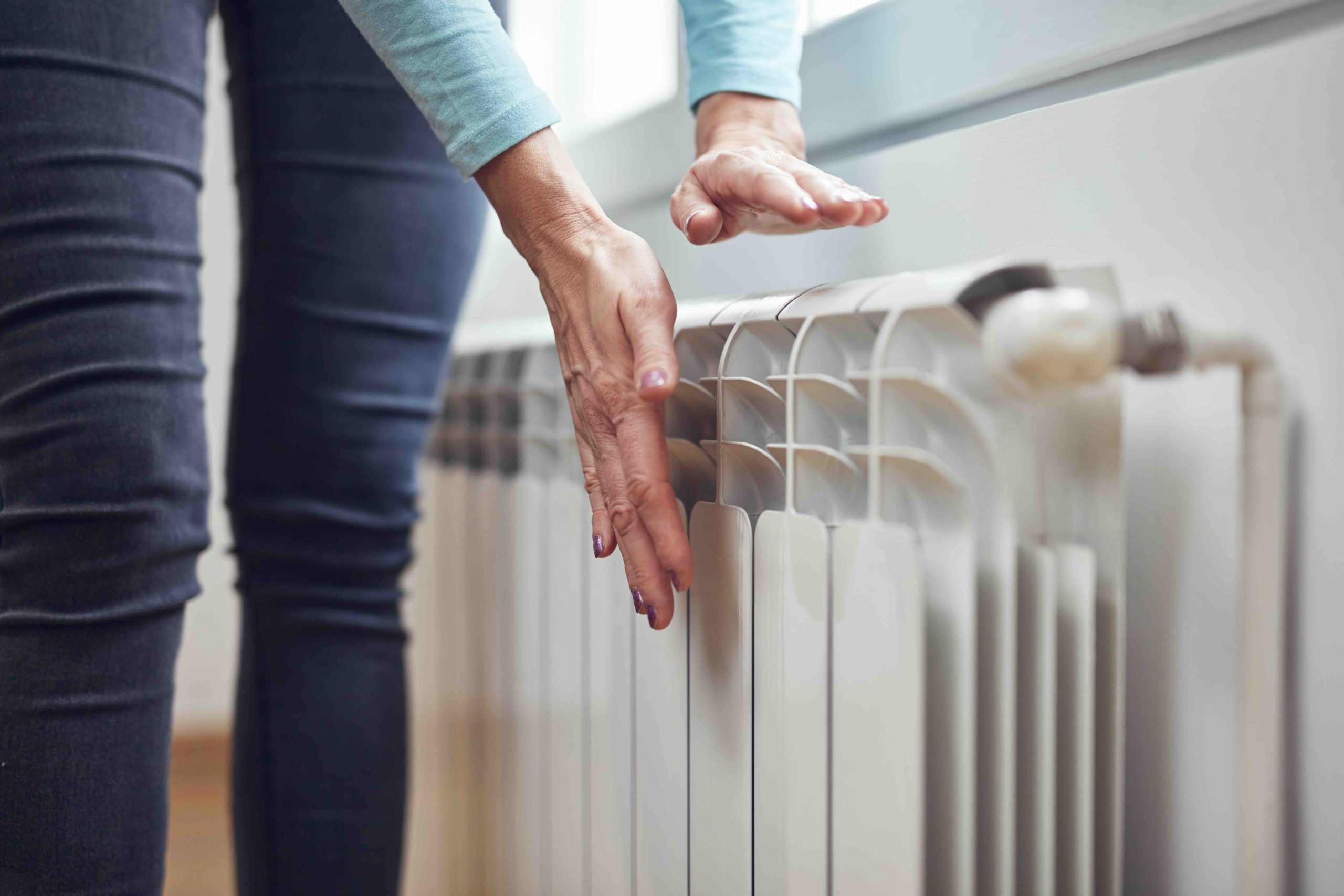
Is Your Heater Not Working? Here Is What Every Homeowner Should Know First
There is something uniquely stressful about waking up to a cold house. You shuffle to the thermostat, bump it up a few degrees, and then — nothing. No warm air. No familiar hum. Just silence and a sinking feeling. Before you call anyone or spend a single dollar, it helps to understand what you are actually dealing with. Your home heating system is one of the most important and most complex systems in the house, and knowing how it works can save you time, money, and a lot of unnecessary panic.
How Your Home Heating System Actually Works
Most homes in the United States rely on a forced-air heating system powered by a furnace. The furnace burns fuel, typically natural gas or propane, or uses electric heating elements to generate heat. That heat transfers to air, which then travels through a network of ducts and gets pushed by a blower motor into each room. A thermostat acts as the brain of the operation, telling the furnace when to kick on and when to shut off. When every component in that chain is functioning correctly, you get consistent, reliable warmth. When one piece breaks down, the whole system can fail to deliver. Other home heating types include heat pumps, boilers, and electric baseboard heaters, but the furnace remains the most common, so that is the focus here.
Common Reasons Your Heater Stops Working
This is where most homeowners start, and honestly, sometimes the fix is simpler than you think. A few of the most frequent culprits behind a heater that is not working include the following:
- A dirty or clogged air filter restricting airflow and causing the system to overheat and shut down
- A tripped circuit breaker cutting power to the furnace or blower
- A thermostat set to the wrong mode, such as cooling instead of heating, or simply having dead batteries
- A pilot light or ignitor that has failed and is preventing the furnace from firing
- A clogged condensate drain line on high-efficiency furnaces triggering a safety shutoff
- Closed or blocked vents reducing circulation throughout the home
Start with the simple stuff before assuming you need a major repair. Check the filter, confirm the thermostat settings, verify the breaker, and make sure all supply and return vents in the home are open and unobstructed. These small checks solve a surprising number of problems without any professional involvement.
When to Call a Professional for Heater Repairs
Once you have ruled out the easy fixes, there are situations that genuinely require a licensed HVAC technician. If your furnace is making unusual noises like banging, rattling, or squealing, that typically indicates a mechanical problem inside the unit. A cracked heat exchanger is particularly serious because it can allow carbon monoxide to leak into your living space — that is a safety issue, not just a comfort issue. Persistent short cycling, where the furnace turns on and off rapidly without completing a full heat cycle, also warrants professional attention. Any time you smell gas near your furnace, leave the house and contact your gas utility company immediately. Do not attempt to troubleshoot a gas smell on your own.
The Real Cost of Heater Repairs and Replacements
Repair costs vary widely depending on what failed and how old the system is. A simple ignitor replacement might run a couple hundred dollars. A blower motor repair or replacement can fall anywhere between three hundred and six hundred dollars. A heat exchanger, on the other hand, can cost over a thousand dollars to replace, and at that price point, many HVAC professionals will recommend replacing the entire furnace instead. A new furnace installation typically ranges from two thousand five hundred to five thousand dollars or more depending on the unit size, efficiency rating, and local labor costs. These are not small numbers, which is exactly why proactive planning matters so much for homeowners.
Key Advantages of Understanding Your Heating System
Homeowners who take the time to understand how their heating system works are consistently better positioned to catch small problems before they become expensive ones. Regular filter changes, typically every one to three months depending on the filter type and household conditions, keep the system running efficiently and extend the life of the equipment. Scheduling annual preventive maintenance with a licensed HVAC contractor, ideally before the heating season begins, gives a technician the chance to identify worn components, test safety controls, and clean internal parts that accumulate debris over time. These proactive steps genuinely reduce breakdown risk and can extend the lifespan of a furnace by years.
Common Drawbacks and Limitations of DIY Heater Fixes
There is a point where DIY heater troubleshooting becomes risky, and it is worth naming that clearly. Gas-related repairs should never be attempted by someone who is not licensed and trained to work with gas lines and combustion systems. Electrical components inside a furnace carry real hazard potential. And beyond physical safety, incorrect repairs can void manufacturer warranties, create compliance issues if you ever sell your home, and sometimes make the underlying problem worse. The filter swap and thermostat battery check are fair game for any homeowner. The internal mechanical and gas components are not.
Signs Your Heater May Need Full Replacement
Age is a significant factor when evaluating a heater. Most gas furnaces have a functional lifespan of fifteen to twenty years. If yours is approaching or past that range and requiring repairs with increasing frequency, replacement often makes more financial sense than continued patching. Visible rust or corrosion, frequent cycling on and off, uneven heat distribution across the home, and a noticeable increase in energy bills are all indicators that the system is working harder than it should to deliver the same output. An HVAC professional can run efficiency diagnostics and give you a clear picture of where your system stands.
How Home Warranties Factor Into Heater Repairs and Coverage
This is where a lot of homeowners get caught off guard. A homeowners insurance policy typically covers damage caused by sudden events, like a fire or a burst pipe, but it does not cover mechanical breakdowns due to normal wear and tear. That gap is exactly what a home warranty is designed to fill. A home warranty plan can cover the cost of repairing or replacing a heating system when it fails due to normal use, subject to the specific terms and conditions of the plan. For homeowners who own older systems or simply want predictable costs when something breaks, a home warranty adds a meaningful layer of financial protection that insurance alone cannot provide.
Why Armadillo Is the Right Choice When Your Heater Breaks Down
When your heating system fails in the middle of January, the last thing you want is paperwork, confusing exclusions, and a company that is hard to reach. That is where Armadillo home warranty coverage for heating systems and major appliances sets itself apart. Armadillo was built with the homeowner experience in mind — transparent plans, straightforward terms, and real support when you actually need it. No one should have to navigate a heating breakdown while also trying to decode fine print. Armadillo makes the process clear and accessible so you can focus on getting your home warm again rather than fighting with your coverage provider. If you want to understand exactly what your heating system coverage could look like before something goes wrong, you can get a personalized home warranty quote that covers furnace repair and replacement costs in just a few minutes. Planning ahead is always the better move.

Frequently Asked Questions About Home Heater Problems and Coverage
These are the questions homeowners ask most often when their heating system stops working or when they are trying to figure out how to protect themselves from unexpected repair costs.
Why is my heater running but not producing warm air?
This is commonly caused by a dirty air filter restricting airflow, a malfunctioning ignitor, a failed heat exchanger, or a thermostat issue. Check the filter first, then inspect the thermostat settings before calling a technician.
How do I reset my home furnace?
Most furnaces have a reset button located on the burner housing. Turn off the furnace, wait about thirty seconds, press the reset button once, and restart the system. If it trips again, do not press reset multiple times, as that can flood the system with gas.
How often should a furnace be serviced?
A furnace should receive professional maintenance at least once per year, ideally in the fall before the heating season begins. Annual service helps catch developing issues early and keeps the system running efficiently.
What does it mean when my furnace short cycles?
Short cycling means the furnace turns on and off repeatedly without completing a full heating cycle. This can be caused by an overheating unit, a dirty filter, an oversized furnace, or a failing thermostat, and it should be evaluated by a technician.
Is a cracked heat exchanger dangerous?
Yes. A cracked heat exchanger can allow carbon monoxide to enter your home’s air supply. If you suspect a cracked heat exchanger, shut the system down and contact an HVAC professional immediately. Install carbon monoxide detectors on every level of your home if you have not already.
Does homeowners insurance cover furnace repairs?
Standard homeowners insurance does not cover furnace breakdowns caused by normal wear and tear. Insurance covers damage from covered events like fires or storms. A home warranty plan is specifically designed to cover mechanical failures in heating systems and other home equipment.
How long does a furnace typically last?
Most gas furnaces have a lifespan of fifteen to twenty years with proper maintenance. Electric furnaces can last slightly longer. Systems that are not regularly serviced tend to fail earlier and require more frequent repairs toward the end of their life.
What are signs that I need a new furnace rather than a repair?
Key signs include a furnace that is more than fifteen years old, increasing energy bills, frequent repairs over the past two years, uneven heating throughout the home, and persistent strange noises or smells during operation.
Can I change my own furnace filter?
Yes. Replacing a furnace filter is a straightforward task most homeowners can handle without professional help. Turn off the system, locate the filter compartment near the air handler or return air duct, note the filter size printed on the frame, and insert a new one with the airflow arrow pointing toward the blower.
What is the difference between a home warranty and homeowners insurance for heating coverage?
Homeowners insurance covers damage from unexpected events, while a home warranty covers the cost of repairing or replacing systems and appliances that fail due to normal wear and tear. For heating system protection, a home warranty plan fills the gap that insurance leaves behind.