Basement Flooding Solutions Every Homeowner Should Know
Water in the basement is one of those problems that seems manageable right up until it is not. A little seepage after a heavy rain can quickly escalate into thousands of dollars in structural damage, ruined belongings, and mold that spreads faster than most people expect. The good news is that basement flooding is not a mystery. There are proven, well-understood solutions that work, and knowing what they are before disaster strikes makes all the difference. This guide breaks down the most effective basement flooding solutions, how they work, what they cost, and what home warranty coverage can actually do to protect you when things go wrong.
What Causes Basement Flooding in the First Place
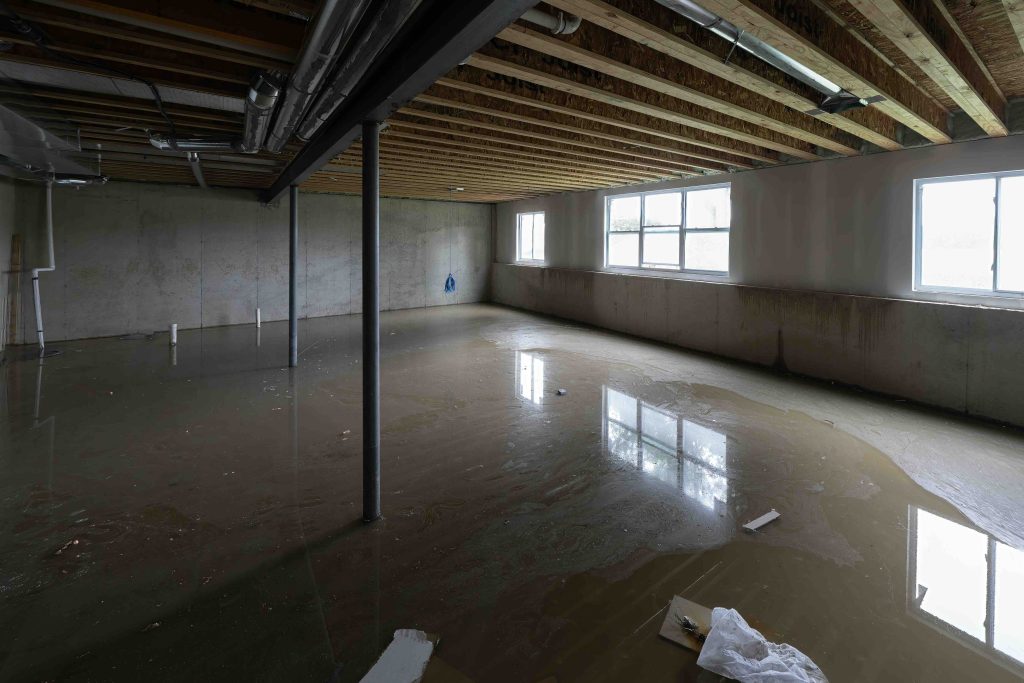
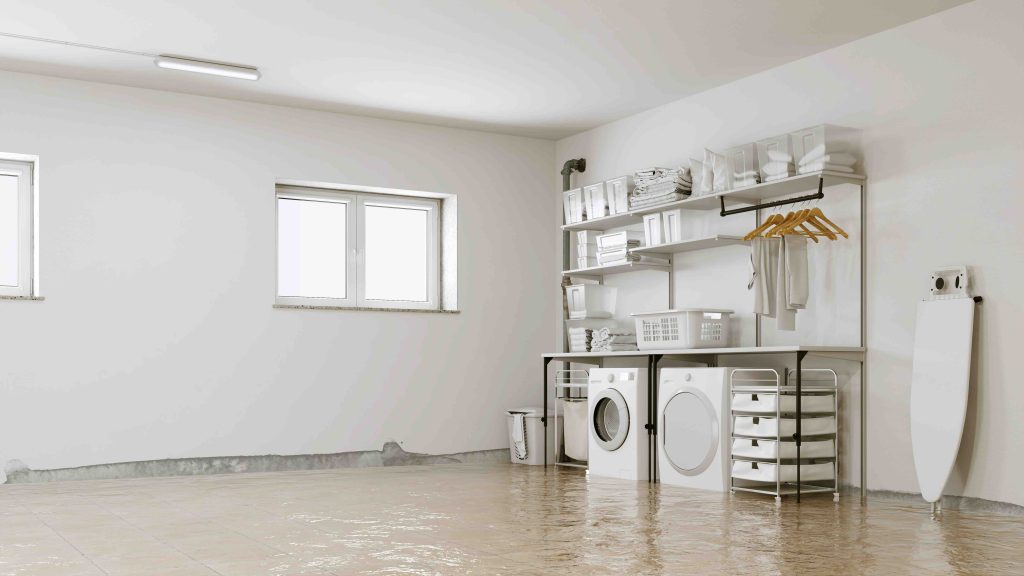
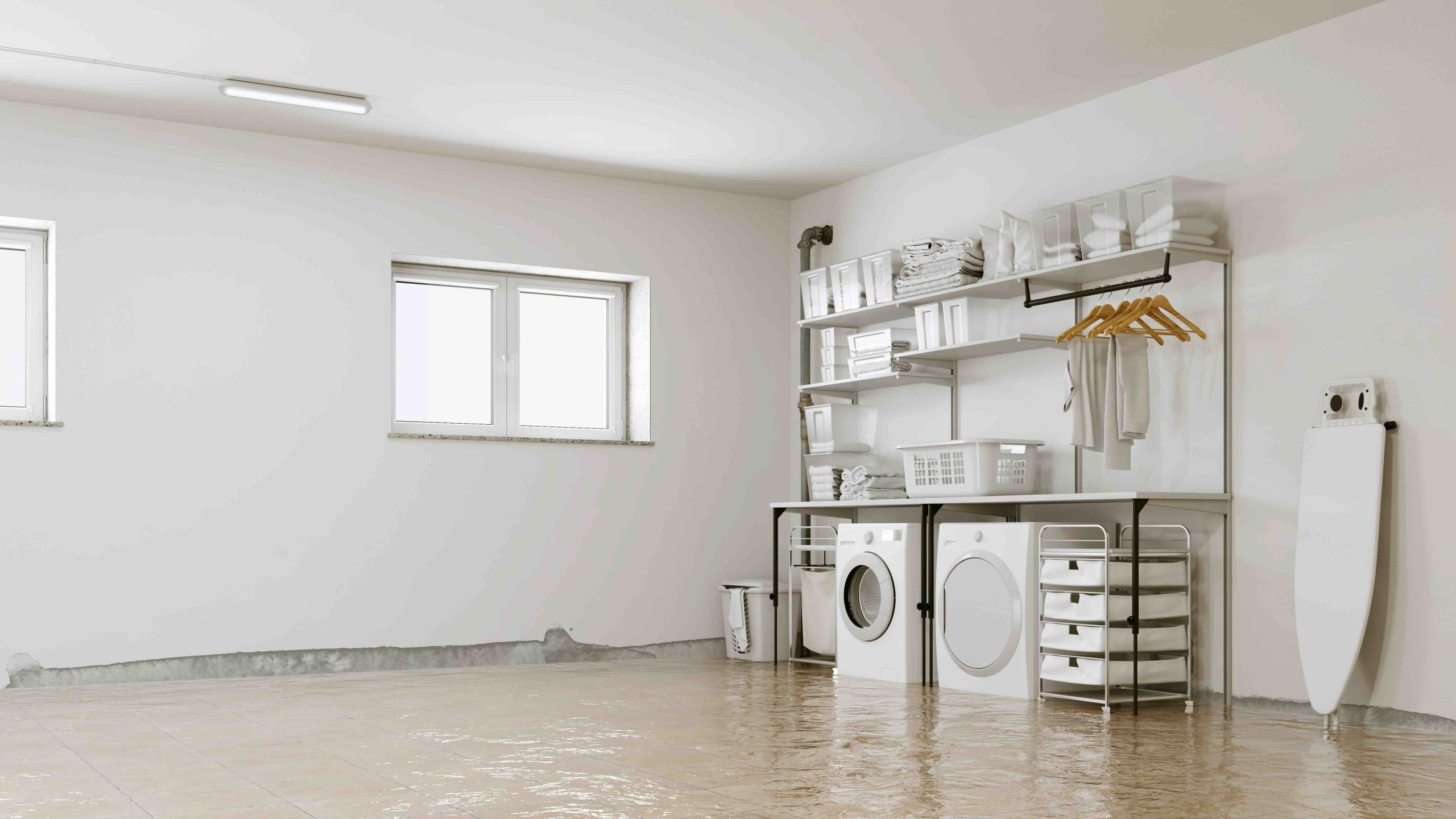
Before you can fix the problem, it helps to understand where the water is actually coming from. Basement flooding typically falls into one of three categories: surface water intrusion, groundwater seepage, or internal plumbing failures. Surface water enters when rainwater pools around the foundation due to poor grading or clogged gutters. Groundwater seepage happens when the water table rises and pushes moisture through foundation walls and floor cracks. Internal flooding is different entirely because it comes from inside the home, usually from a burst pipe, failed water heater, or a sump pump that gave up at the worst possible moment. Each source requires a different solution, which is why diagnosing the cause before investing in a fix matters significantly.
Interior Drainage Systems and How They Work
Interior drainage systems are one of the most widely recommended solutions for chronic basement moisture. The concept is straightforward: rather than trying to stop water from entering, you redirect it before it can cause damage. A contractor installs a drainage channel along the perimeter of the basement floor, just inside the foundation walls. Water that seeps through the walls or floor flows into this channel and gets directed toward a sump pit. From there, a sump pump pushes the water out and away from the home. Interior drainage does not waterproof your basement in a literal sense, but it manages water intrusion effectively and reduces hydrostatic pressure on your foundation. Installation typically runs between two thousand and seven thousand dollars depending on the square footage and the complexity of the job.
Exterior Waterproofing: The More Aggressive Approach
Exterior waterproofing is the most thorough solution available, though it comes with the highest cost and the most disruption. The process involves excavating the soil around the entire foundation, applying a waterproof membrane or coating to the outer walls, and installing an exterior drain tile system that directs groundwater away from the home. When done correctly, exterior waterproofing addresses the problem at the source rather than managing water after it enters. Costs can range from eight thousand dollars to over twenty thousand dollars for a full perimeter treatment on an average-sized home. Most contractors recommend this approach for homes with significant foundation cracking, persistent hydrostatic pressure, or a history of repeated flooding that interior methods have not resolved.

Sump Pumps: The Frontline Defense Against Water Intrusion
If you only install one basement flooding solution, most waterproofing professionals would tell you to make it a sump pump. A sump pump sits in a pit at the lowest point of your basement floor. When water accumulates in that pit, the pump activates automatically and pushes water through a discharge pipe that routes it away from the foundation. There are two main types: submersible pumps, which sit inside the pit and operate quietly underwater, and pedestal pumps, which have a motor mounted above the pit and tend to be easier to service. Battery backup sump pumps are an important addition because power outages and heavy rainstorms tend to arrive together. A quality sump pump installation runs between five hundred and fifteen hundred dollars, making it one of the most cost-effective protective measures available.
Grading, Gutters, and Downspout Extensions
Sometimes the most effective basement flooding solutions are the least glamorous ones. Improper yard grading is a surprisingly common culprit. If the ground around your home slopes toward the foundation rather than away from it, water from rain or irrigation naturally flows toward your basement walls. Correcting the grade so that the soil slopes away from the home at a rate of at least six inches over ten feet can make a dramatic difference. Gutters and downspouts deserve equal attention. A clogged gutter forces water to overflow and pool directly against the foundation. Downspouts that terminate too close to the house deposit large volumes of water right where you do not want it. Extending downspouts at least four to six feet from the foundation is a low-cost fix that homeowners can often handle themselves.
Window Well Covers and Foundation Crack Repair
Basement windows are an overlooked entry point for water, particularly during heavy rain or snowmelt. Window wells that lack proper drainage can fill with water and eventually allow it to seep through window frames or deteriorating seals. Installing fitted window well covers prevents accumulation and is a relatively inexpensive fix. Foundation cracks are another common source of water intrusion. Hairline cracks in poured concrete walls can be sealed with hydraulic cement or polyurethane injection, while larger structural cracks require professional evaluation. Not every crack signals a structural emergency, but ignoring them allows water channels to widen over time. Addressing cracks early is significantly cheaper than dealing with the damage they cause when left unattended.
Key Advantages and Common Drawbacks of Basement Waterproofing
Understanding what you are getting into before committing to a waterproofing project helps set realistic expectations. Here is a quick look at the benefits and limitations most homeowners encounter:
- Interior drainage systems are minimally invasive and highly effective for ongoing moisture management
- Exterior waterproofing offers the most comprehensive protection but requires significant excavation and investment
- Sump pumps provide reliable automated protection and are among the most cost-effective solutions available
- Grading corrections and gutter maintenance can resolve many flooding issues without major construction
- Waterproofing solutions generally increase home resale value and improve indoor air quality by reducing mold risk
The drawbacks are worth acknowledging too. Waterproofing contractors vary widely in quality, and some solutions are oversold as permanent when they require ongoing maintenance. Sump pumps can fail, especially during the storms when they are needed most. Exterior waterproofing is disruptive and expensive. And while these measures protect against water intrusion, they do not necessarily cover the appliances and systems inside your basement that sustain water damage when flooding occurs.
Where Home Warranty Coverage Fits Into the Picture
Basement waterproofing and home warranty coverage address different aspects of the same broad problem. Waterproofing solutions protect your home’s structure from water damage. A home warranty, by contrast, protects the mechanical systems and appliances that keep your home running, including the very equipment that basement flooding can destroy. Sump pumps, water heaters, and HVAC systems located in basements are all vulnerable to flood-related failures. Standard homeowners insurance typically covers sudden and accidental water damage but does not cover mechanical breakdowns. A home warranty fills that gap by covering repair or replacement costs when covered systems and appliances fail due to normal wear and tear, which is often what leads to the flooding in the first place.
Why Armadillo Is the Right Partner for Protecting Your Home
Dealing with basement flooding is stressful enough without having to worry about what happens when the systems meant to protect your home stop working. That is exactly where a dependable home warranty provider makes a tangible difference. Armadillo offers straightforward, transparent home warranty plans designed for real homeowners who want real protection without confusing exclusions or drawn-out claims processes. If your sump pump fails, your water heater gives out, or another covered system breaks down after a flooding event, Armadillo is built to respond quickly and get your home back to normal. Homeowners who want to understand what protection looks like before committing can explore comprehensive home warranty plans for basement systems and appliances and see exactly how coverage works. When you are ready to take the next step, you can get a free home warranty quote for sump pump and water damage protection in just a few minutes. Protecting your home from the inside out starts with having the right coverage in place before the next heavy rain arrives.

Frequently Asked Questions About Basement Flooding Solutions
Here are answers to the questions homeowners ask most often when dealing with basement water issues and exploring their protection options.
What is the most effective solution for a chronically wet basement?
For most homes with persistent moisture, a combination of interior drainage and a high-quality sump pump provides the most reliable long-term results. Exterior waterproofing is more comprehensive but is typically reserved for severe cases involving significant hydrostatic pressure or foundation damage.
Does a home warranty cover sump pump repairs or replacement?
Many home warranty plans do cover sump pumps, though coverage terms vary by provider. It is important to review your specific plan details to confirm that sump pumps are included and to understand any limitations that may apply.
How much does it cost to waterproof a basement?
Costs range widely depending on the method. Basic interior drainage systems start around two thousand dollars, while full exterior waterproofing can exceed twenty thousand dollars. Sump pump installation typically falls between five hundred and fifteen hundred dollars.
Can poor yard grading really cause basement flooding?
Yes. If the ground around your home slopes toward the foundation, rainwater flows directly toward your basement walls. Correcting the grade so soil slopes away from the home is one of the simplest and most cost-effective preventive measures available.
How often should a sump pump be replaced?
Most sump pumps have a lifespan of seven to ten years with proper maintenance. If your pump is approaching that age or has not been tested recently, it is worth having it inspected, especially before a wet season.
Does homeowners insurance cover basement flooding?
Standard homeowners insurance typically covers sudden and accidental water damage from internal sources like a burst pipe. It generally does not cover flooding from groundwater, surface water runoff, or sewer backups unless you have added specific endorsements or a separate flood insurance policy.
What is the difference between a home warranty and homeowners insurance when it comes to basement flooding?
Homeowners insurance covers damage caused by covered events such as sudden water intrusion. A home warranty covers the mechanical breakdown of systems and appliances like sump pumps and water heaters. They serve different purposes and ideally work together to provide complete protection.
Are basement waterproofing warranties from contractors reliable?
Contractor warranties vary significantly in their terms and transferability. Some cover materials and labor for a limited period while others are lifetime warranties that transfer to new owners. Always read the fine print and research the contractor’s reputation before relying on their warranty as your primary protection.
What should I do immediately after my basement floods?
Turn off electricity to the affected area if it is safe to do so, remove standing water as quickly as possible using a wet vac or pump, and begin drying the space with fans and dehumidifiers within 24 to 48 hours to prevent mold growth. Document the damage thoroughly before beginning any cleanup for insurance purposes.
Can mold develop quickly after basement flooding?
Mold can begin developing within 24 to 48 hours of water exposure under the right temperature and humidity conditions. Prompt water removal and thorough drying are critical to preventing mold growth, and in cases of significant flooding, professional remediation is often the safest course of action.