When Your Microwave Stops Working: What Every Homeowner Should Know
It happens fast. You press the button, nothing happens, and suddenly your entire morning routine is off. A microwave that stops working is one of those home appliance failures that feels minor until it is not. And depending on what caused the breakdown, the repair or replacement cost can catch you completely off guard. Whether your microwave just quit on you or you are doing some advance planning, understanding why these appliances fail and what your options are can save you time, money, and a lot of frustration.
How a Microwave Actually Works
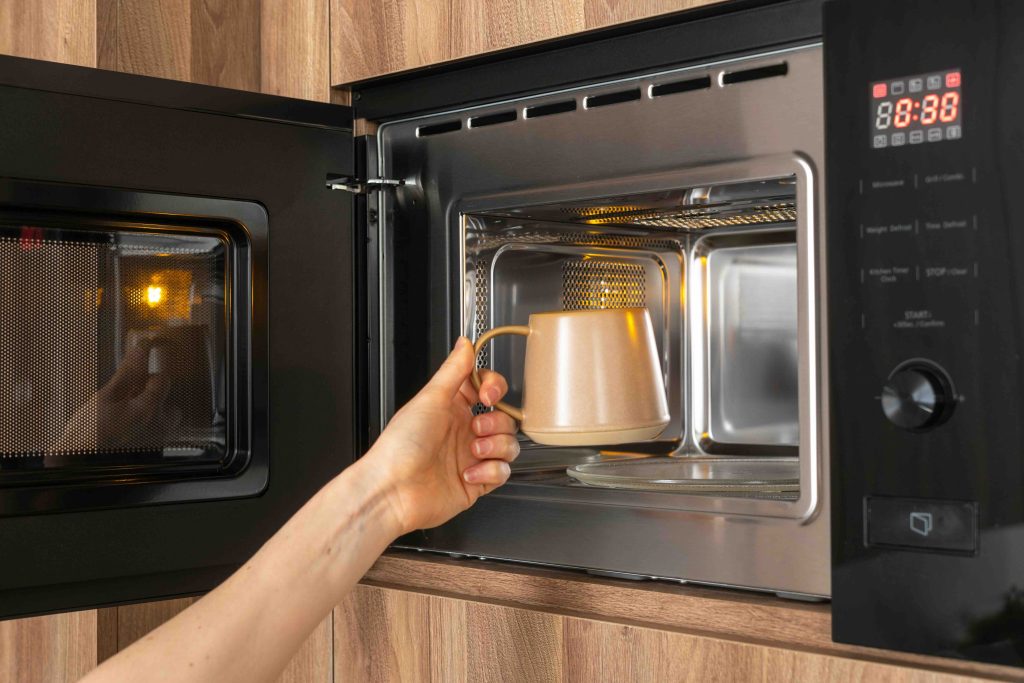
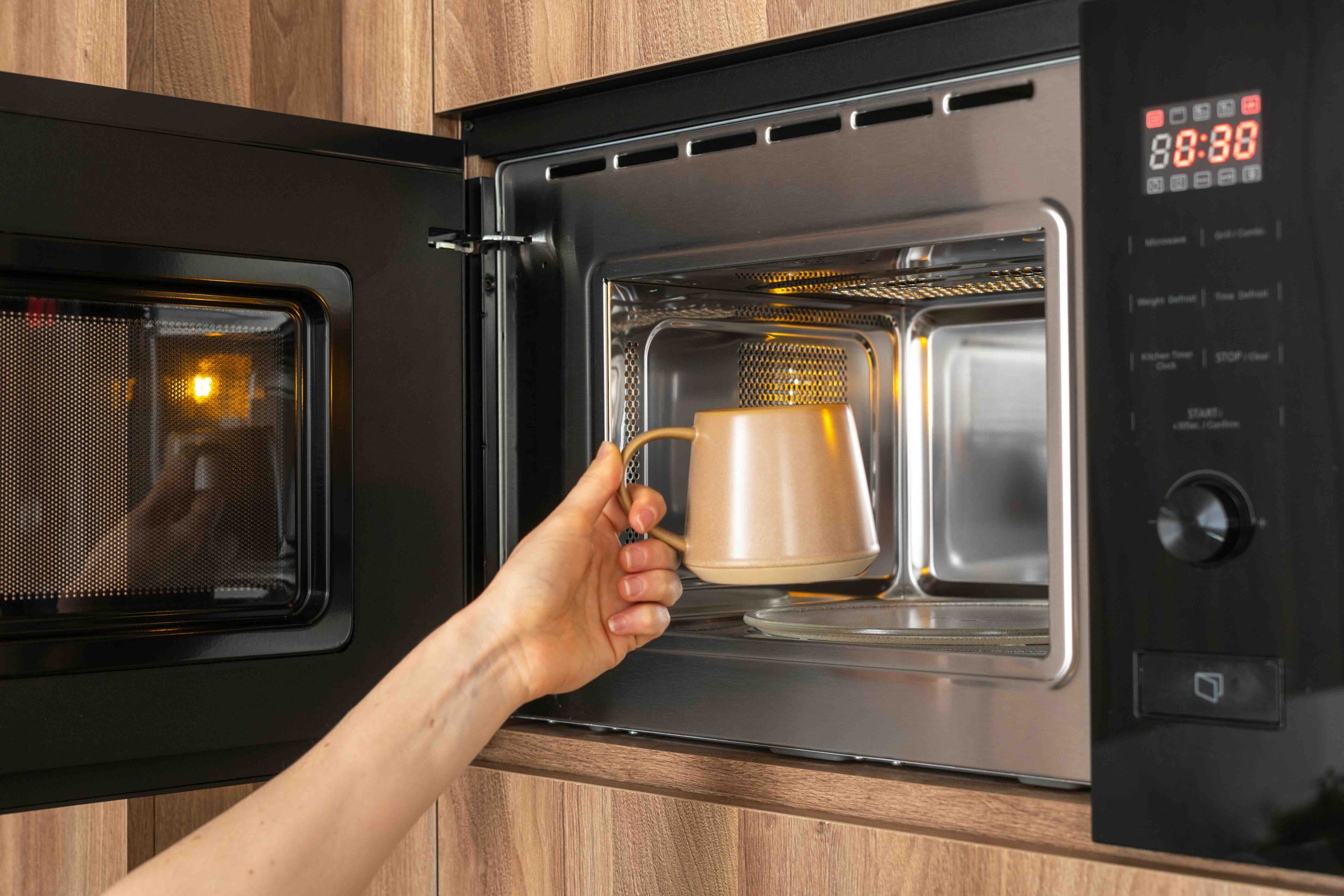
Most homeowners use their microwave daily without ever thinking about what is happening inside. At its core, a microwave oven uses a component called a magnetron to convert electrical energy into microwave radiation. That radiation excites water molecules inside your food, generating heat from the inside out. The control board manages the timing and power levels. A door interlock system ensures the unit only operates when the door is properly closed. A high-voltage capacitor stores and releases electrical charge to power the magnetron. There is also a cooling fan, a turntable motor, and in built-in models, a ventilation system. It is more complex than it looks, and any one of these components can be the reason your microwave suddenly stops doing its job.
The Most Common Reasons Microwaves Stop Working
Not all microwave failures are created equal. Some are simple fixes, and others mean the appliance has reached the end of its life. Knowing the difference matters, especially when you are deciding whether to repair or replace.
- Blown internal fuse caused by a power surge or door interlock failure
- Faulty door switches that prevent the unit from recognizing the door is closed
- Failed magnetron, which is often the most expensive component to replace
- Burned-out control board or touchpad that stops responding to input
- Capacitor failure, which can also pose a safety risk if handled improperly
- Turntable motor failure, which affects even cooking but does not stop the unit entirely
- Overheating due to blocked ventilation, common in over-the-range models
Some of these issues are inexpensive to fix. Others, particularly magnetron and control board failures, can cost nearly as much as a new unit. That cost equation is something every homeowner needs to think through carefully before calling a repair technician.
Countertop vs. Built-In vs. Over-the-Range: Does the Type Matter?
It absolutely does, and this is where repair versus replacement decisions get more complicated. A countertop microwave that stops working is relatively simple to swap out. You unplug it, recycle the old one, and buy a new one. Built-in and over-the-range models are a different situation. These units are integrated into your kitchen cabinetry or ventilation system, which means installation and removal involve additional labor and sometimes modifications to surrounding structures. Replacing an over-the-range microwave can cost anywhere from several hundred to over a thousand dollars when you factor in the appliance itself and professional installation. That context matters enormously when you are weighing your options after a breakdown.

The Repair vs. Replace Decision: A Practical Framework
Industry guidance generally suggests that if a repair costs more than fifty percent of the cost of a new appliance, replacement is the smarter financial move. For microwaves, this threshold gets reached quickly. A magnetron replacement alone can run between one hundred fifty and five hundred dollars in parts and labor. When you add in diagnostic fees and the age of the appliance, replacement often wins. That said, built-in models sometimes make repair worth pursuing simply because of the high installation cost of a new unit. The practical rule is this: get a repair estimate first, factor in the age of the appliance, and then decide. Most microwaves have a functional lifespan of nine to ten years. If yours is approaching or past that range, replacement is almost always the right call.
Safety Concerns You Should Not Ignore
A microwave that stops working is frustrating. A microwave that fails in a way that creates a hazard is a different level of problem entirely. Capacitors inside microwave ovens can retain a lethal electrical charge even after the unit is unplugged. This is not a situation where amateur repair attempts are a good idea. If you open a microwave for any reason beyond cleaning the interior, you are entering territory that requires proper training and tools. Beyond electrical hazards, a microwave that sparks, produces unusual smells, or makes grinding noises before it quits may indicate an arcing event or component failure that left residual damage. In those cases, do not attempt to use the unit again until it has been inspected by a qualified technician.
What Home Warranties Cover When It Comes to Microwaves
This is where a lot of homeowners realize they were either better protected than they thought, or significantly less protected than they assumed. Home warranties vary widely in their appliance coverage. Some plans cover built-in microwaves as a standard kitchen appliance. Others limit coverage to specific components or exclude certain failure types. Countertop microwaves are frequently excluded from coverage because they are considered portable appliances rather than fixed home systems. If you have a built-in or over-the-range microwave and a home warranty, it is worth reviewing your contract carefully to understand exactly what is and is not covered, and what the service call and coverage limits look like.
Key Advantages of Having Home Warranty Coverage for Appliances
When a built-in microwave fails and you are facing installation costs on top of the appliance price, having a home warranty can make a meaningful financial difference. Beyond the cost protection, there is real value in not having to find and vet a repair technician on your own. Home warranty companies work with networks of pre-screened service professionals, which removes some of the guesswork from a stressful situation. Coverage also tends to be more valuable as appliances age, since older units are more likely to experience component failures. For homeowners managing multiple aging appliances simultaneously, the cumulative protection of a home warranty plan becomes even more relevant.
Common Drawbacks to Be Aware Of
Home warranty coverage is not without its limitations, and it is important to go in with clear expectations. Coverage exclusions are common, and pre-existing conditions are almost never covered. There are often caps on how much a plan will pay out for a given appliance, which may not fully cover replacement and installation costs for higher-end built-in models. Service call fees apply each time a technician visits, and some homeowners find the claims process slower than they would like. Reading the contract carefully before purchasing a plan is not optional. It is the single most important thing you can do to avoid disappointment later.
Why Armadillo Is Worth Considering When Your Microwave Fails
When a built-in or over-the-range microwave stops working unexpectedly, the last thing you want is a home warranty company that makes the claims process feel like a second job. Armadillo was built with a different standard in mind. If you are looking for reliable home warranty coverage that actually protects your kitchen appliances, Armadillo offers straightforward plans with transparent terms so you know exactly what you are getting before you commit. There are no surprise exclusions buried in fine print and no runaround when something breaks. You can get a home warranty quote for microwave and appliance coverage in seconds and see exactly what a plan would look like for your home. When that microwave gives out at the worst possible time, having the right coverage already in place means one less problem to solve from scratch.

Frequently Asked Questions About Microwave Failures and Home Warranty Coverage
Below are answers to some of the most common questions homeowners ask when their microwave stops working and they are trying to figure out what to do next.
Does a home warranty cover a microwave that stopped working?
It depends on the plan and the type of microwave. Built-in and over-the-range microwaves are more commonly covered under home warranty plans. Countertop microwaves are usually excluded because they are considered portable appliances. Always review your specific contract to confirm what is and is not included.
Why did my microwave suddenly stop working with no warning?
Sudden failure is often caused by a blown internal fuse, a failed door interlock switch, or a power surge that damaged the control board. These failures can happen without any visible signs beforehand, which is what makes them feel so unexpected.
Is it worth repairing a microwave or should I just replace it?
If the repair cost exceeds fifty percent of the cost of a comparable new unit, replacement is typically the smarter financial decision. For built-in models where installation adds significantly to replacement costs, repair may still be worth pursuing depending on the component that failed.
Can I fix my microwave myself?
Basic issues like replacing a fuse or turntable motor can sometimes be handled by a confident DIYer. However, internal components like the capacitor and magnetron carry serious safety risks even when the unit is unplugged. Professional repair is strongly recommended for anything beyond surface-level maintenance.
How long do microwaves typically last?
The average lifespan of a microwave is nine to ten years. Built-in and over-the-range models may last slightly longer with proper maintenance, particularly keeping vents clear and avoiding overuse of the highest power settings.
What is the most expensive microwave repair?
Magnetron replacement is typically the most costly microwave repair, often ranging from one hundred fifty to five hundred dollars or more depending on the model and labor costs. When this component fails in an older unit, replacement is almost always the more cost-effective option.
Will my home warranty cover installation of a new microwave?
Some home warranty plans cover both the replacement appliance and installation, while others cover only parts and labor for repair. Coverage limits vary significantly between providers, so it is important to understand your specific plan terms before assuming full replacement costs are included.
What should I do immediately after my microwave stops working?
Unplug the unit if it is a countertop model. For built-in units, you do not need to cut power at the breaker unless the unit showed signs of sparking or burning. Document the failure, check your home warranty plan if you have one, and contact either your warranty provider or a qualified appliance technician before attempting any inspection yourself.
Are microwaves covered under homeowners insurance?
Standard homeowners insurance does not cover appliance breakdowns due to normal wear and tear or mechanical failure. Coverage may apply if the microwave was damaged by a covered peril such as fire or a power surge caused by a lightning strike, depending on your specific policy terms.
How do I know if my built-in microwave is worth replacing versus repairing?
Consider the age of the unit, the nature of the failure, and the total cost of repair including labor and parts. Compare that to the cost of a new unit plus professional installation. If repair gets you close to or past replacement cost, and the unit is more than seven years old, replacement is generally the better long-term investment.