Your Oven Stopped Working: Here Is What You Need to Know Before Calling a Tech
The oven is one of those appliances you never really think about until it fails you mid-roast on a Sunday evening. One minute everything is fine, the next you are staring at a cold oven and a raw chicken. Oven repairs can feel overwhelming, especially when you are not sure what broke, how serious it is, or what it is going to cost. This guide walks you through everything a homeowner should know about oven repair, from understanding how your oven actually works to figuring out when a home warranty makes the whole situation a lot less stressful.
How Your Oven Actually Works
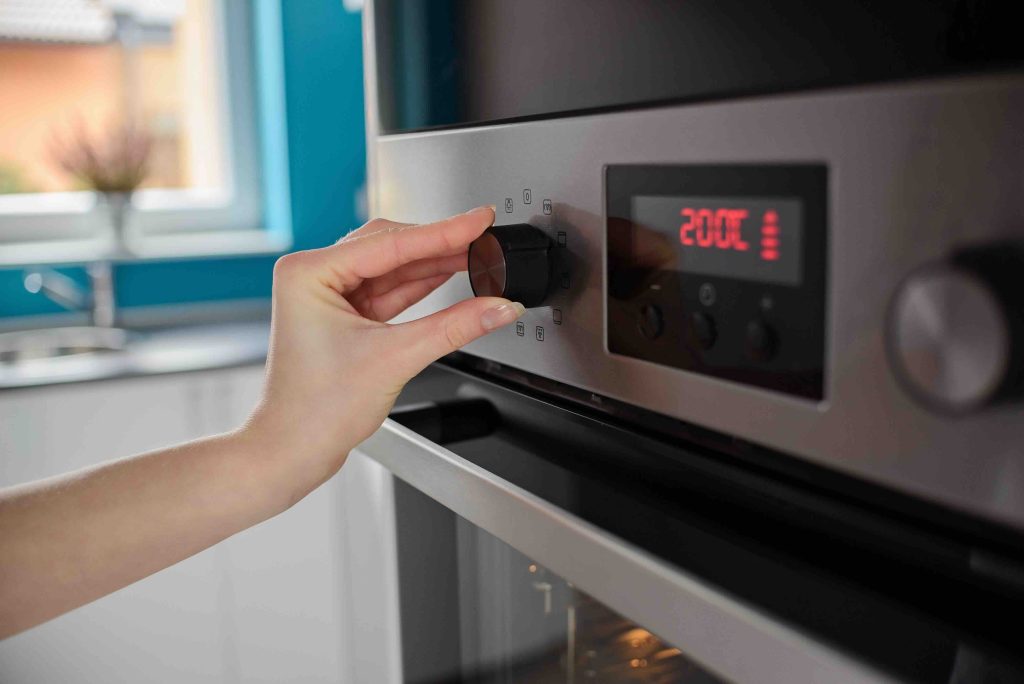
Most residential ovens fall into two categories: gas and electric. Gas ovens use a burner ignited by a spark igniter or standing pilot light, and they rely on a gas valve to control fuel flow. Electric ovens use heating elements, typically one on the bottom for baking and one on the top for broiling, powered directly through your home’s electrical circuit. Both types use a thermostat or temperature sensor to regulate heat and maintain the temperature you set on the control panel. Convection ovens add a fan to circulate hot air more evenly, which is great for cooking but also adds one more component that can eventually need attention. The more you understand the basic mechanics, the easier it becomes to describe a problem accurately when a technician arrives.
The Most Common Oven Problems Homeowners Face
Oven issues tend to cluster around a handful of repeat offenders. Knowing what they are helps you troubleshoot faster and avoid panic.
- Oven not heating at all, which in electric models usually points to a failed bake element, and in gas models often traces back to a faulty igniter
- Oven not reaching the correct temperature, commonly caused by a worn-out temperature sensor or a miscalibrated thermostat
- Uneven cooking, which can result from a failing convection fan, a partially burned-out heating element, or poor door seal insulation
- The oven door not closing properly, often due to a worn door gasket or damaged hinge
- Control board failure, which affects digital displays and temperature regulation and tends to be one of the pricier fixes
- Self-cleaning cycle issues, where the oven locks but never completes the cycle or triggers error codes
Any one of these problems can disrupt your kitchen routine significantly. Some are straightforward repairs a technician can complete in under an hour. Others, like a control board replacement, take more time and carry a higher parts cost.
What Oven Repair Actually Costs Without Coverage
Let’s get into numbers because that is usually the part that causes the most anxiety. A basic igniter replacement on a gas oven typically runs between $150 and $300 including labor. Replacing a bake element on an electric oven can land anywhere from $100 to $250. A temperature sensor swap is usually on the lower end, around $100 to $200. However, if the issue is a control board, expect to pay $200 to $600 or more depending on your oven brand and model. And if you own a high-end range, those figures can climb even higher. The labor rate alone for appliance repair technicians in most markets sits between $75 and $150 per hour, and that is before any parts are factored in. Without some form of financial protection in place, a single oven repair can genuinely put a dent in your monthly budget.

How to Diagnose an Oven Problem Before the Tech Arrives
You do not need to be an appliance repair expert to do a little detective work before your service appointment. Start by checking the obvious: Is the oven properly plugged in? Has a circuit breaker tripped? For gas ovens, is the gas supply valve fully open? If the oven turns on but heats unevenly, try placing an oven thermometer inside to check whether the actual temperature matches the set temperature. A difference of more than 25 to 35 degrees Fahrenheit suggests a sensor or calibration issue. Listen for the clicking sound that indicates a gas igniter trying to fire. If it clicks repeatedly but never lights, the igniter is likely worn out. Document any error codes that appear on the display panel, as those codes often correspond directly to a specific component failure. The more information you can hand a technician upfront, the faster and more efficiently the repair gets done.
When to Repair Versus When to Replace Your Oven
This is the question homeowners wrestle with most, and honestly it comes down to three factors: the age of the appliance, the cost of the repair, and the overall condition of the unit. A general rule of thumb in the appliance industry is the 50 percent rule. If the repair cost equals or exceeds 50 percent of the cost of a comparable new appliance, replacement starts to make more financial sense. For most standard ovens, if the unit is under ten years old and in otherwise good condition, repair is almost always the smarter short-term investment. Once an oven crosses the twelve to fifteen year mark and starts requiring multiple repairs within a short window, that is a signal that the appliance is entering the end of its useful life. A home warranty can simplify this decision by covering the repair cost, and in some cases, providing a replacement benefit when a covered appliance is deemed irreparable.
Key Advantages of Addressing Oven Issues Early
Ignoring a small oven issue is one of those things that almost always costs more in the long run. A failing igniter that gets left unaddressed does not just stay a minor inconvenience. It can cause incomplete combustion in a gas oven, which raises legitimate safety concerns around gas buildup. A worn door gasket reduces the oven’s efficiency, causing it to work harder and consume more energy to maintain temperature. A compromised temperature sensor leads to overcooked or undercooked meals, which is frustrating but also signals that other components are under more strain than they should be. Catching problems early keeps repair costs lower, extends the life of the appliance, and keeps your kitchen running safely. There is also the comfort factor, a reliable oven is not something most households can go without for long.
What a Home Warranty Covers When It Comes to Oven Repair
A home warranty is a service contract that covers the repair or replacement of major home systems and appliances when they break down due to normal wear and tear. Most home warranty plans that include appliance coverage will cover the oven and range as a standard item. This typically means that if a covered component fails, you pay a set service fee when a technician is dispatched, and the warranty provider handles the cost of parts and labor beyond that amount. Covered components generally include heating elements, igniters, thermostats, temperature sensors, control boards, and the interior wiring associated with those parts. It is worth reading the specific terms of any plan carefully, as some providers exclude cosmetic damage, damage from misuse, or issues that existed before the coverage started.
Common Drawbacks and Limitations to Be Aware Of
Home warranties are genuinely useful tools, but they are not without limitations and homeowners deserve a clear-eyed picture. Most plans have a waiting period after purchase, often 30 days, before coverage activates. Some plans cap the payout amount per appliance or per claim, which matters if you own a premium range. Pre-existing conditions are generally excluded, meaning if your oven was already malfunctioning when you enrolled, that particular issue likely will not be covered. The repair timeline can also vary. You are typically required to use a technician from the warranty provider’s network, which means you may not be able to call your preferred repair company. Understanding these limitations upfront allows you to choose a plan that genuinely fits your home and your expectations rather than being caught off guard during a claim.
Why Armadillo Is Worth Considering for Oven and Appliance Protection
If an unexpected oven repair bill is the kind of thing that would genuinely disrupt your financial planning, having a solid home warranty in place is not just a nice-to-have, it is a practical move. Armadillo offers straightforward, transparent home warranty coverage built around how real homeowners actually live. There are no confusing tiers designed to obscure what is actually covered. When your oven breaks down, you should be focused on getting it fixed, not deciphering contract language. If you want to understand how home warranty protection for kitchen appliances and major home systems actually works, explore Armadillo’s home warranty coverage options for homeowners and see why simplicity and reliability matter so much in this category. When you are ready to stop guessing at repair costs and start building a plan that actually fits your home, you can get a free oven and appliance home warranty quote from Armadillo in just a few minutes. Protecting your home should feel manageable, and with the right plan in place, it genuinely is.

Frequently Asked Questions About Oven Repair and Home Warranty Coverage
These are the questions homeowners ask most often when dealing with oven problems and figuring out whether a home warranty makes sense for their situation.
How do I know if my oven igniter needs to be replaced?
If your gas oven clicks repeatedly but does not light, takes an unusually long time to ignite, or you notice the oven temperature is lower than expected, a failing igniter is the most likely cause. A technician can test the igniter’s resistance with a multimeter to confirm the diagnosis.
Does a home warranty cover oven repairs caused by normal wear and tear?
Yes, most home warranty plans cover oven repairs resulting from normal wear and tear. This includes failed heating elements, faulty igniters, and defective temperature sensors. Damage caused by misuse, physical impact, or pre-existing conditions is typically excluded.
How long does a typical oven repair take?
Most standard oven repairs take between one and two hours once a technician is on-site and the parts are available. If a specific part needs to be ordered, the total repair timeline can extend to several days depending on parts availability and your location.
Is it safe to use my oven if it is not heating evenly?
Uneven heating is generally safe in the short term but indicates a component is failing. In a gas oven, uneven heat combined with unusual smells should be addressed immediately. For electric ovens, uneven cooking is primarily a performance issue, though continued use can accelerate further component wear.
What is the average lifespan of a residential oven?
Most residential ovens last between 13 and 17 years with regular use and basic maintenance. Gas ovens tend to have a slightly longer lifespan than electric models. Ranges that receive proper cleaning and prompt minor repairs generally reach the higher end of that range.
Will a home warranty cover my self-cleaning oven feature?
Coverage for the self-cleaning function varies by provider. Most plans cover the mechanical and electrical components tied to the self-cleaning cycle, such as the door lock motor and control board functions. Check your specific plan’s terms to confirm what is included.
Can I choose my own repair technician under a home warranty plan?
Most home warranty providers require you to use technicians within their service network. Some providers offer out-of-network reimbursement options in areas with limited technician availability, but this varies by plan. Confirm network requirements before enrolling in a plan.
How much does it cost to replace an oven bake element?
Replacing a bake element in an electric oven typically costs between $100 and $250 including parts and labor. The exact cost depends on your oven brand, model, and local labor rates. With a home warranty, you would typically only pay the service call fee for this type of repair.
What should I do if my oven displays an error code?
Write down the error code exactly as it appears and consult your oven’s user manual or the manufacturer’s website to identify what the code indicates. Share that code with your technician when scheduling service, as it often points directly to the failed component and speeds up the repair process.
Does a home warranty make sense if my oven is already older?
A home warranty can still be valuable for an older oven, particularly if the unit is otherwise functional and you want protection against costly repairs. However, be aware that if the oven is deemed too old or the repair cost exceeds the plan’s coverage cap, replacement coverage may be offered instead. Review the plan terms carefully before enrolling with an older appliance.