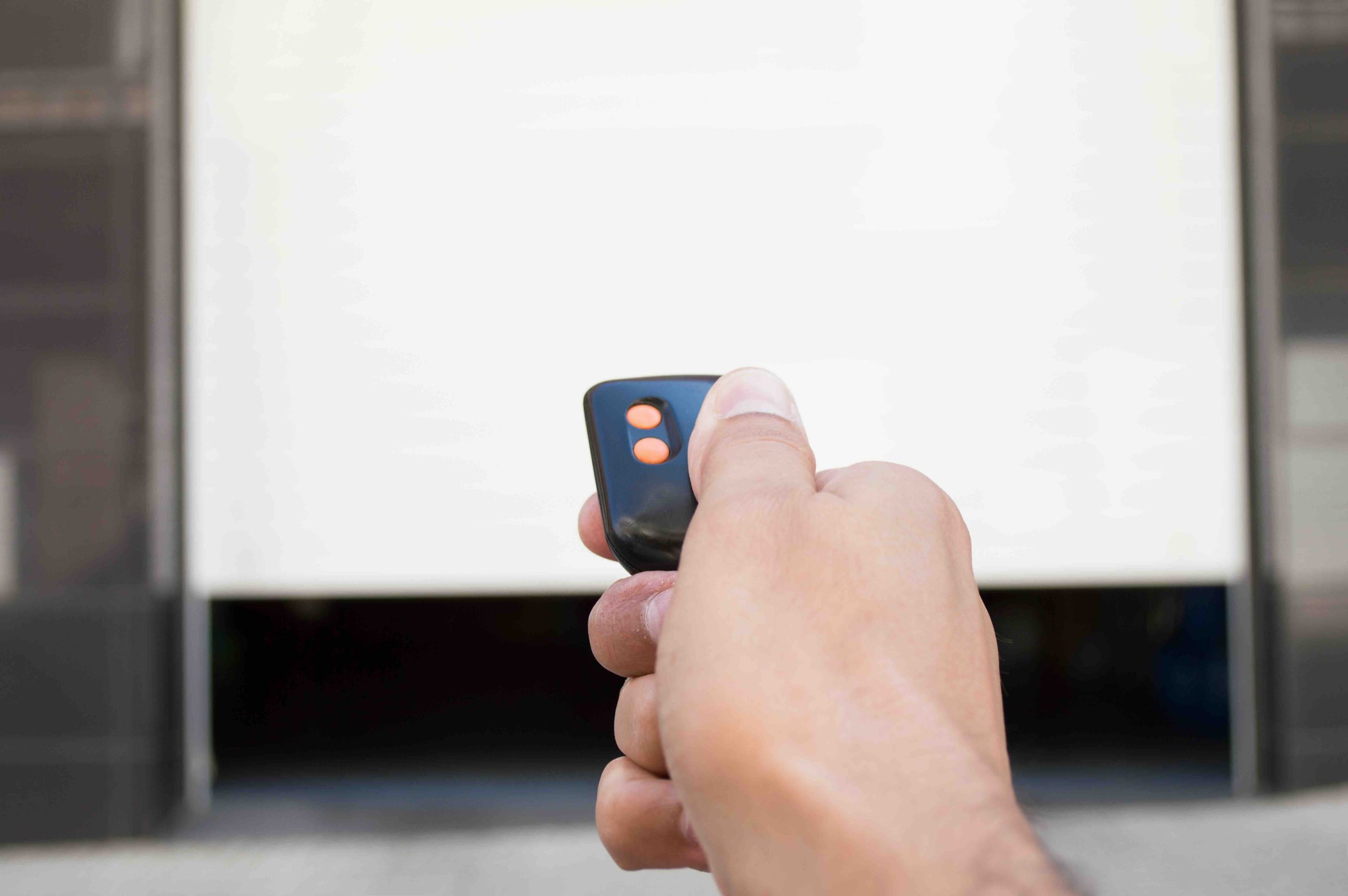
What Is a Garage Door Remote Keypad and Why Does It Matter?
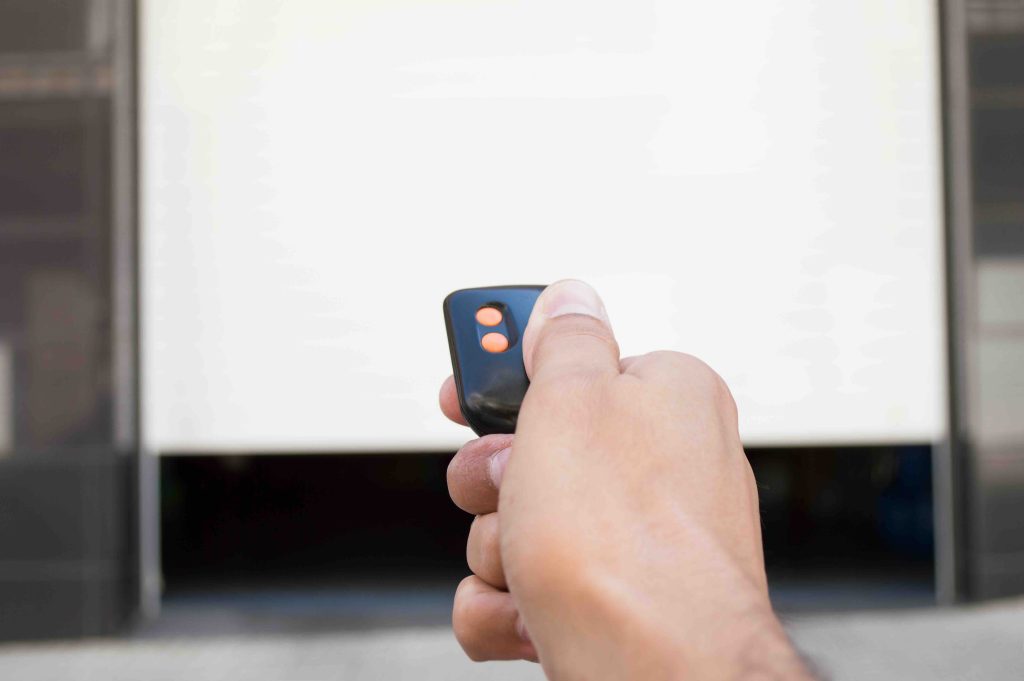
If you have ever stood in your driveway juggling groceries, trying to fish your remote out of your pocket, you already understand the appeal of a garage door remote keypad. It is that small, weatherproof number pad mounted near your garage door that lets you open and close your garage with a PIN code rather than a physical remote. No fob, no app, no fumbling. Just punch in your code and you are in. Simple concept, genuinely useful piece of technology, and something a lot of homeowners overlook until the day they actually need one.
How a Garage Door Remote Keypad Actually Works
Here is the short version: the keypad communicates wirelessly with your garage door opener using a radio frequency signal. When you enter the correct PIN and press the enter or send button, the keypad transmits that signal to the opener unit mounted on your garage ceiling. The opener receives the signal, verifies it, and activates the motor to raise or lower the door. Most modern systems use rolling code technology, which means the access code changes automatically after every use. That rotating encryption makes it significantly harder for someone to intercept the signal and replicate it. Older systems used fixed codes, which were much easier to compromise, so if you are working with an opener that is more than fifteen years old, that is worth knowing.
The Programming Process: What to Expect
Programming a garage door remote keypad is one of those tasks that sounds more intimidating than it actually is. Most homeowners can complete the process in under ten minutes once they understand the basic steps. The process varies slightly depending on the brand of your garage door opener, but the general flow tends to follow the same pattern. You will typically need access to the “Learn” button on your opener unit, which is usually located on the back or side of the motor housing. From there, you enter a sequence that pairs the keypad with the opener using your chosen PIN. A few things worth knowing before you start:
- Keep a ladder handy since the Learn button is often positioned higher up on the opener unit
- Have the keypad’s instruction manual nearby, even if you do not think you will need it
- Know your current opener brand and model number before purchasing a replacement keypad
- Test the keypad from multiple positions outside your garage to confirm signal strength
If your opener is a newer smart model, you may be able to program the keypad through a connected app, which simplifies the process further. Some systems even allow you to set temporary or time-restricted PINs for guests, service workers, or contractors, which is genuinely useful if you have regular deliveries or house cleaners coming in while you are at work.
Key Advantages of Having a Garage Door Keypad
There is more going on here than just convenience, though that alone is worth something. A garage door remote keypad gives you flexible, keyless access to your home without creating physical security liabilities. Lost remotes happen. Keys get copied. A PIN-based entry system eliminates both of those problems in one move. You can also share access with family members without handing over a physical device. If you have children who come home before you do, a keypad means they are never locked out and you are never scrambling to arrange a spare key handoff. For households with elderly relatives or anyone who might struggle to keep track of a small remote, a mounted keypad is a genuinely practical solution. On top of that, rolling code technology has made these systems far more secure than their older counterparts, so you are not trading convenience for safety.
Common Drawbacks Worth Knowing About
No home system is without its limitations, and garage door keypads are no exception. Battery life is probably the most common headache. Most keypads run on standard batteries that last anywhere from one to three years depending on usage, weather exposure, and battery quality. In cold climates, battery performance degrades faster, which means you might find yourself locked out on the one day temperatures actually drop. Keypad buttons can also wear down over time, especially if the same PIN is used repeatedly, since the most-pressed buttons show visible wear and could give away part of your code to someone paying close attention. Compatibility is another consideration worth watching. Not every aftermarket keypad works with every opener, and purchasing the wrong unit is a frustrating and avoidable waste of time. Always verify compatibility before buying.
How to Choose the Right Keypad for Your Garage Door Opener
Choosing the right keypad starts with identifying your garage door opener brand and model. Major manufacturers like Chamberlain, LiftMaster, Genie, Craftsman, and Linear all have their own compatible keypads, and many are available through the same brand. Universal keypads also exist and can work across multiple brands, but compatibility is not always guaranteed, so read the product specifications carefully. Look for keypads with backlit displays if you use your garage at night regularly. Weather resistance ratings matter too, especially in regions with extreme temperatures, heavy rain, or high humidity. If you are replacing an existing keypad, take note of the mounting position and wiring setup, since some units are hardwired while others are battery-powered wireless options.
Maintenance Tips to Keep Your Keypad Working Reliably
Garage door keypads do not require much maintenance, but a little attention goes a long way toward avoiding unexpected failures. Replace batteries proactively on a regular schedule rather than waiting for the keypad to stop working. Clean the keypad surface periodically to prevent dirt and moisture from degrading the buttons or interfering with signal transmission. If your keypad has a protective cover or flip-up panel, keep that closing properly to shield the buttons from weather exposure. Every year or so, it is worth re-examining your PIN. Choosing a new code periodically is a simple security habit that reduces the risk of unauthorized access, particularly if contractors, houseguests, or service providers have had access to your garage over time.
When to Replace Your Garage Door Keypad vs. Repair It
Most garage door keypad issues fall into two categories: software-related problems and hardware failures. Software issues, like a keypad that has lost its programming, are usually fixable by running through the setup process again. Hardware failures, like cracked casing, broken buttons, or water damage, typically warrant a full replacement. Keypads are not expensive components, so replacement is often the more practical route when physical damage is involved. If you are dealing with an older opener system that has become incompatible with currently available keypads, that may also be a signal that an opener upgrade is worth considering. Modern openers offer smart home integration, quieter motors, and stronger security protocols that can justify the investment over the long term.
How Garage Door Systems Fit Into Your Broader Home Warranty Coverage
Your garage door system is one of the more frequently used mechanical components in your entire home. The average garage door opens and closes over a thousand times per year, which puts real wear on the motor, springs, sensors, and electrical components over time. A garage door keypad is a small but connected part of that larger system. When the opener fails, everything connected to it stops working, including your keypad. That is exactly the kind of unexpected mechanical breakdown that a home warranty plan is designed to address. Understanding where your garage door system fits within your home’s coverage picture is a smart move, especially as the system ages.
Why Armadillo Is the Right Choice for Home Warranty Coverage
When your garage door opener goes down, or any of the other essential systems in your home decide to stop cooperating, you do not want to spend hours tracking down contractors, negotiating repair costs, or wondering what your coverage actually includes. That is where having the right home warranty partner changes everything. Armadillo home warranty coverage for garage door systems and essential home appliances is built around transparency and simplicity, with clear plan terms and a straightforward claims process that does not leave you guessing. From your HVAC system to your garage door opener, Armadillo covers the mechanical breakdowns that catch homeowners off guard. If you are ready to protect your home from the costs and stress of unexpected repairs, get a free home warranty quote for garage door opener coverage today and see exactly what a plan looks like for your home. Peace of mind does not have to be complicated.
Frequently Asked Questions About Garage Door Remote Keypads
Here are answers to the most common questions homeowners have about garage door remote keypads, programming, and maintenance.
How do I program a garage door remote keypad?
Press the Learn button on your garage door opener unit, then enter your desired PIN on the keypad and press the Send or Enter button within 30 seconds. The opener light will typically flash or click to confirm successful pairing. Exact steps vary by brand, so consult your opener’s instruction manual for model-specific guidance.
Why is my garage door keypad not working after I changed the batteries?
A fresh battery swap occasionally causes the keypad to lose its programmed PIN. Re-program the keypad using the Learn button process on your opener unit. Also confirm that the new batteries are installed with correct polarity and that the battery contacts are clean and free of corrosion.
How do I reset my garage door keypad PIN?
To reset your PIN, you will need to clear the existing programming from your opener using the Learn button, then re-pair the keypad with a new code. The process is the same as initial programming. Some smart garage door systems also allow PIN changes through a connected mobile app.
Are garage door keypads compatible with all garage door openers?
Not universally. Brand-specific keypads are designed to work with openers from the same manufacturer. Universal keypads offer broader compatibility but may not work with all models. Always verify compatibility by checking the opener brand, model number, and the keypad’s listed compatibility specifications before purchasing.
How long do garage door keypad batteries typically last?
Most garage door keypads run on standard alkaline batteries that last between one and three years depending on usage frequency, climate, and battery quality. Cold weather significantly shortens battery life, so homeowners in colder regions should replace batteries more frequently as a precaution.
Can I program multiple PINs on a single garage door keypad?
Many modern keypads and smart garage door openers support multiple PIN codes, including temporary access codes that expire after a set time. This feature varies by model, so check your opener and keypad specifications. Smart-enabled systems typically offer the most flexibility for multi-user PIN management.
Is a garage door keypad secure?
Modern garage door keypads using rolling code technology are considered highly secure for residential use. The code changes automatically after each use, making signal interception ineffective. To maintain security, update your PIN periodically and avoid using easily guessable number sequences like birthdays or sequential digits.
What should I do if my garage door keypad buttons are worn or unresponsive?
Worn or unresponsive buttons are a hardware issue and typically indicate that the keypad needs replacement. Keypads are relatively inexpensive and straightforward to replace. When selecting a replacement, match it to your existing opener brand and model to ensure compatibility.
Does a home warranty cover garage door opener repairs?
Many home warranty plans include coverage for garage door opener systems, including the motor and mechanical components. Coverage terms vary by provider and plan, so it is important to review what is specifically included before assuming the keypad or opener is covered under your policy.
Can a garage door keypad work if the power goes out?
The keypad itself runs on batteries and does not require household power to transmit a signal. However, the garage door opener motor requires electricity to operate. Most openers include a manual release cord that allows you to open the door by hand during a power outage, but the motorized function will not work until power is restored unless the opener has a built-in battery backup system.