What to Do When Your Basement Floods: A Step-by-Step Drying Guide
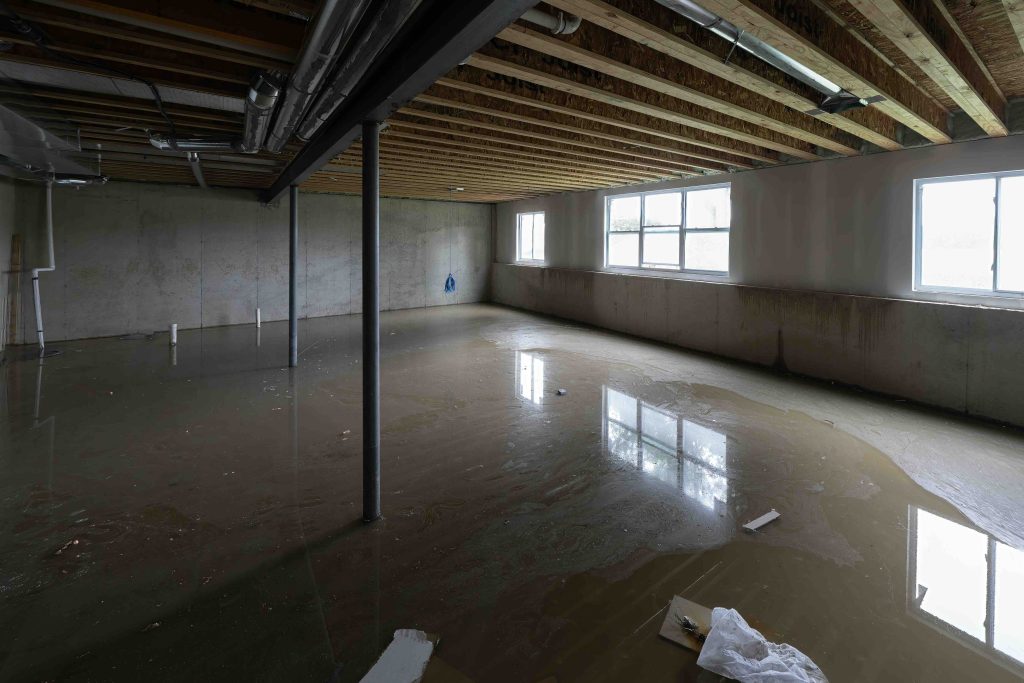
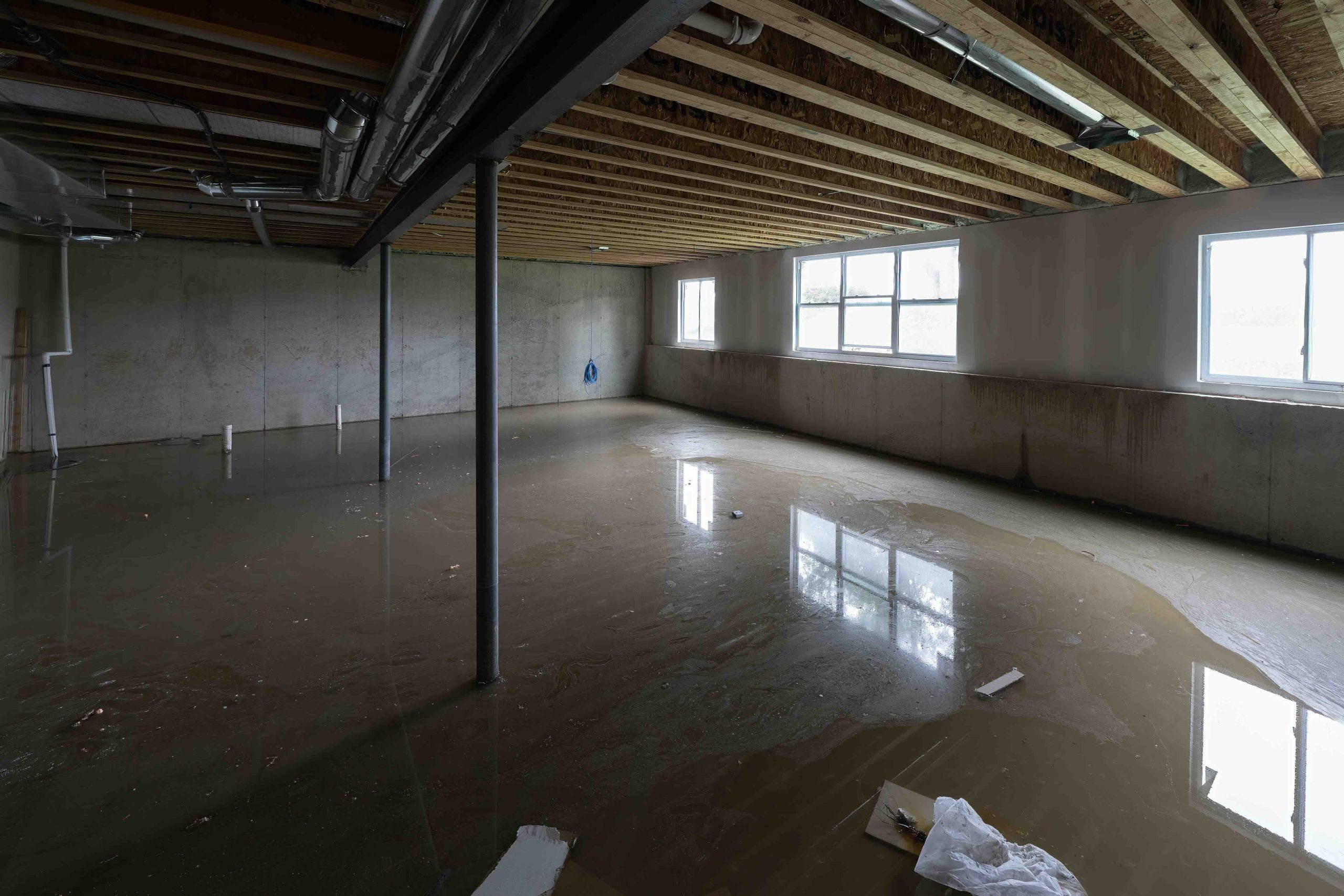
A flooded basement is one of those home emergencies that has a way of making an already stressful day feel completely unmanageable. Whether it happened because of a heavy storm, a burst pipe, or a sump pump that gave out at the worst possible moment, the reality is the same: standing water in your basement demands fast, methodical action. The longer moisture sits, the more damage it causes, and the more expensive the recovery becomes. This guide walks you through exactly what to do, from the first moment you discover water to the final steps of preventing it from happening again.
Understanding Why Basements Flood in the First Place
Before jumping into the drying process, it helps to understand the common causes of basement flooding. Hydrostatic pressure from saturated soil can force water through foundation cracks and walls. Sump pump failure during a major storm is another frequent culprit, as is improper grading around the home that directs water toward the foundation rather than away from it. Interior water sources like burst pipes, failed water heaters, and leaking appliances also contribute significantly. Knowing the source matters because it shapes how you approach the cleanup and what you should inspect once the water is gone. A basement that flooded due to a plumbing failure has different implications than one that flooded due to exterior drainage problems.
Safety First: Before You Touch Anything
This part is non-negotiable. Before you step foot into a flooded basement, you need to address two immediate hazards: electricity and contamination. Water and live electrical circuits are a potentially fatal combination. If your electrical panel is in the basement or if you have any doubt about whether outlets or appliances are submerged, do not enter until a licensed electrician clears the area or until you have shut off power from an exterior disconnect. Additionally, floodwater from storms or sewage backups can carry bacteria, chemicals, and other contaminants. Wear rubber boots, waterproof gloves, and eye protection. If the water source is a sewage backup, a respirator is also advisable. Once safety is confirmed, you can move into action.

Removing Standing Water: Your First Priority
The goal here is speed. Every hour that water remains in your basement increases the risk of structural damage, mold growth, and ruined belongings. For significant water accumulation, a submersible pump or a wet-dry vacuum is your best tool. Submersible pumps can move large volumes of water quickly and are available at most hardware stores or through equipment rental companies. Wet-dry vacuums work well for smaller amounts. Direct the water away from your home’s foundation to avoid it cycling back in. Once the bulk of the water is removed, use mops and towels to absorb the remaining surface moisture. Do not skip this step; residual moisture on concrete floors and walls extends the drying timeline considerably.
Ventilation and Dehumidification: The Core of the Drying Process
After water removal, drying the space thoroughly is where the real work begins. Open every window and door in the basement to create airflow, and position box fans to push humid air out. If your HVAC system has a basement return, running it on fan mode can also help circulate air. Industrial dehumidifiers are significantly more effective than residential units in this context, and many homeowners choose to rent them for this exact situation. Target a relative humidity level below 50 percent to inhibit mold growth. Depending on the severity of the flooding, this drying phase can take anywhere from 24 hours to several days. Do not rush it. Walls, subfloors, and structural framing can hold moisture long after surfaces appear dry.
What to Remove, What to Save, and What to Discard
Not everything in a flooded basement can be salvaged, and making the right call quickly reduces health risks and speeds up drying. Here is a practical breakdown of how to evaluate your belongings and materials:
- Drywall and insulation that has been submerged should generally be removed, as both absorb water readily and become a breeding ground for mold within 24 to 48 hours.
- Carpeting and carpet padding in a flooded basement almost always need to go, especially if the water source was anything other than clean water from a supply line.
- Wood furniture can sometimes be dried and salvaged if acted on quickly, but pressed wood or particleboard typically swells beyond repair.
- Electronics, documents, and sentimental items should be removed from the space immediately and assessed individually.
- Concrete floors and walls can be cleaned, dried, and treated with antimicrobial solutions to prepare for restoration.
Mold Prevention: Acting Within the Critical Window
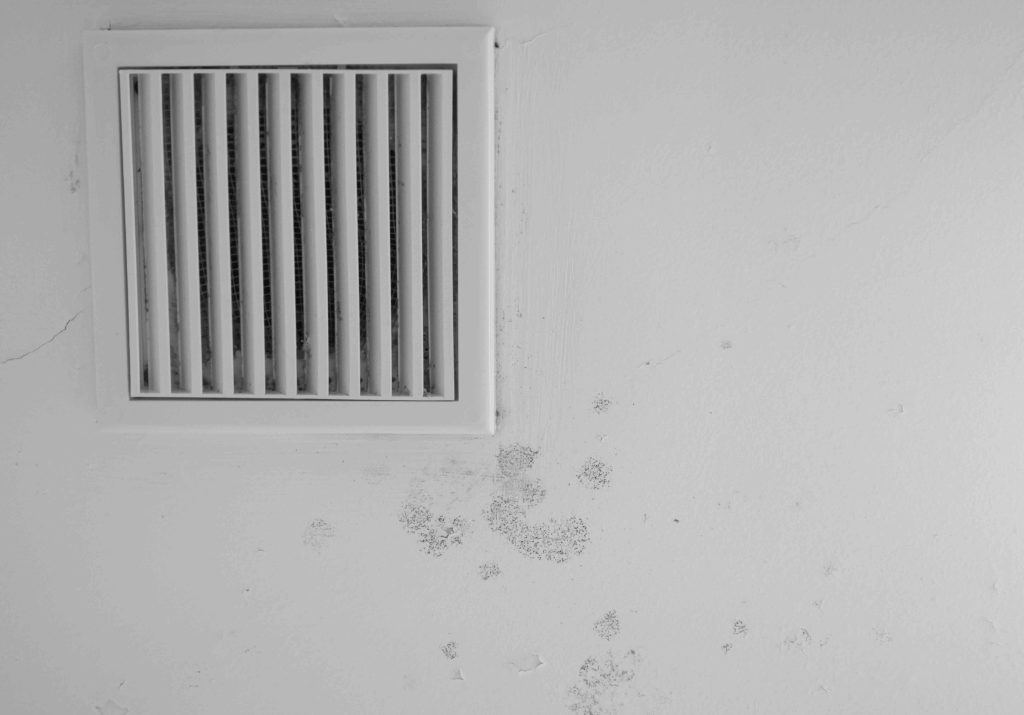
Mold can begin developing within 24 to 48 hours of water exposure, which is why the drying timeline is so critical. Once surfaces are dry, treat all affected areas with an EPA-approved antimicrobial or mold-inhibiting solution. Pay particular attention to wall cavities, floor joists, and any organic material like wood framing that remained wet for an extended period. If you discover active mold growth during the cleanup process, that is a strong indicator that the flooding may have begun before you noticed it, or that moisture has been present for longer than expected. In cases of significant mold presence, professional mold remediation is the safer and more effective path forward.
Repairing the Damage and Restoring the Space
Once the basement is fully dry and any mold concerns have been addressed, restoration can begin. Replacing drywall, repainting with moisture-resistant paint, installing new flooring, and addressing any structural repairs to the foundation are all part of this phase. It is also the right time to evaluate what caused the flooding and implement solutions to prevent recurrence. This might mean installing or replacing a sump pump with a battery backup, improving exterior grading, sealing foundation cracks with hydraulic cement or epoxy, or adding a French drain system around the perimeter. These preventive investments are almost always less costly than the next flood cleanup.
How a Home Warranty Fits Into Flood Recovery and Prevention
A flooded basement often reveals an underlying failure in one or more home systems, and that is exactly where a home warranty becomes relevant. Sump pump failures, water heater leaks, and burst pipes are among the most common causes of basement flooding, and they are also among the most expensive to repair or replace without coverage. trusted home warranty protection for water-related system failures can mean the difference between a manageable repair bill and a financial shock that catches you completely off guard. If your basement flooded because a covered system failed, having a warranty in place means your service call and repair or replacement costs are significantly reduced. Armadillo offers straightforward, homeowner-friendly coverage plans designed to protect the systems and appliances most likely to fail, including those that contribute to basement water damage. If basement water damage prevention and system reliability matter to you, now is the time to get a home warranty quote to cover sump pumps and plumbing systems before the next storm season arrives.

Frequently Asked Questions About Drying Out a Flooded Basement
The following questions address the most common concerns homeowners have when dealing with a flooded basement, from immediate steps to long-term prevention strategies.
How long does it take to dry out a flooded basement?
The drying timeline depends on the severity of the flooding, the materials present, and the equipment being used. A lightly flooded basement with good airflow and a commercial dehumidifier can dry in 24 to 48 hours. More significant flooding involving walls, framing, or subfloor materials can take three to five days or longer.
Can I dry out a flooded basement myself, or do I need a professional?
Many homeowners can handle the drying process themselves if the flooding is minor, the water source is clean, and no structural damage is present. However, professional water damage restoration is strongly recommended for sewage backups, extensive flooding, suspected mold, or when walls and structural materials have been saturated.
What is the fastest way to remove water from a flooded basement?
A submersible pump is the most efficient tool for removing large volumes of standing water. For smaller amounts, a wet-dry vacuum works well. After pumping, use mops and fans to address residual moisture on floors and walls.
Will a regular dehumidifier work in a flooded basement?
A standard residential dehumidifier may not be sufficient for significant flooding. Industrial or commercial dehumidifiers, which can be rented, are far more effective at pulling large amounts of moisture from the air and surfaces in a reasonable timeframe.
How do I know if mold is growing after a basement flood?
Visible discoloration on walls, floors, or framing, a musty odor, and any black or greenish spots are indicators of mold growth. Mold can also develop inside wall cavities where it is not immediately visible, which is why proper drying and antimicrobial treatment are essential after any flooding event.
Does homeowners insurance cover a flooded basement?
It depends on the cause. Damage from a burst pipe or appliance failure is typically covered under standard homeowners insurance. Flooding from external sources like heavy rain or rising groundwater generally requires separate flood insurance. A home warranty, meanwhile, covers the repair or replacement of the failed system itself, such as the sump pump or plumbing.
How do I prevent my basement from flooding again?
The most effective preventive measures include installing a sump pump with a battery backup, improving exterior drainage and grading, sealing foundation cracks, adding window well covers, and having your plumbing and water-related appliances inspected regularly. A home warranty can help offset the cost of unexpected system failures that lead to flooding.
Is it safe to use a regular fan to dry out a flooded basement?
Box fans and standard floor fans can support the drying process by improving air circulation, but they are most effective when used alongside a dehumidifier and open windows. Fans alone will not remove moisture from the air; they simply move it around, which is why dehumidification is a critical component of the process.
What should I do if my sump pump failed during a flood?
First, address the immediate flooding using a submersible pump or wet-dry vacuum. Once the water is removed, have the sump pump inspected or replaced before the next rain event. Consider upgrading to a model with a battery backup or water-powered backup system to ensure operation during power outages, which often coincide with severe storms.
When should I call a water damage restoration company?
If the flooding involved sewage-contaminated water, if the affected area is larger than you can manage safely, if structural materials like framing or subfloor are extensively saturated, or if mold is already present, calling a professional restoration company is the right decision. Acting quickly reduces the overall scope of damage and the final cost of recovery.