Why Bath Safety for Seniors Belongs at the Top of Every Home Improvement Conversation
The bathroom is, statistically speaking, one of the most hazardous rooms in the home for adults over 65. Falls account for a staggering number of emergency room visits each year, and a large portion of those happen on wet tile floors or in slippery tubs. That is not a scare tactic. That is just the reality of how bathroom design has historically prioritized aesthetics over accessibility. The good news is that bath safety for seniors has evolved into a genuine industry with smart, effective, and even attractive solutions that do not require a full renovation to implement. Whether you are aging in place, preparing a home for an elderly parent, or simply thinking ahead, understanding how these upgrades work puts you in a far stronger position to protect the people you care about most.
What Bath Safety for Seniors Actually Means
Bath safety for seniors is an umbrella term that covers a wide range of products, modifications, and design principles aimed at reducing the risk of falls, slips, and injury in the bathroom environment. It includes everything from grab bars and non-slip mats to walk-in tubs, roll-in showers, handheld showerheads, raised toilet seats, and tub transfer benches. The goal is to maintain independence and dignity for older adults while significantly reducing the physical risks that come with standard bathroom layouts. It is not about making a home look like a medical facility. Done well, these modifications are subtle, functional, and sometimes even beautiful.
How These Safety Features Work
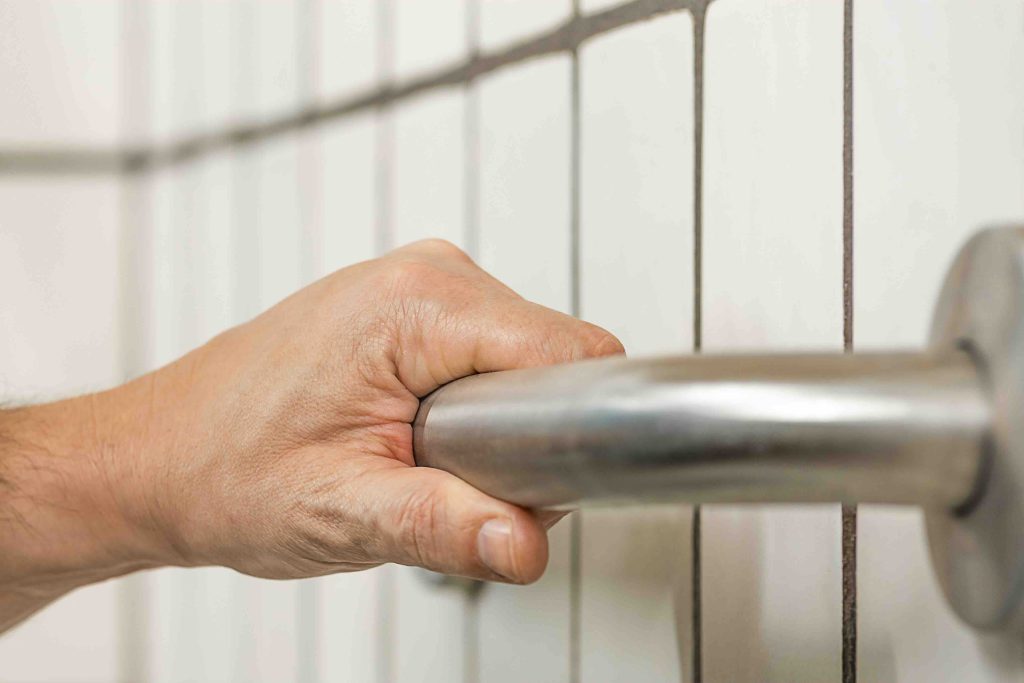
Each bath safety modification addresses a specific vulnerability in the bathroom environment. Grab bars, for example, are installed directly into wall studs or with specialized anchors to provide a secure handhold when stepping in or out of a tub or moving from a seated to a standing position. Walk-in tubs feature a door built into the side of the tub, eliminating the need to step over a high tub wall. Handheld showerheads allow a person who is seated to bathe comfortably without needing to stand under a fixed fixture. Non-slip flooring and adhesive strips create friction on surfaces that become dangerously slick when wet. Shower chairs and transfer benches provide stable seating so that bathing does not require prolonged standing on a wet surface. Each element is designed to interrupt the chain of events that typically leads to a fall.
Key Advantages of Investing in Senior Bath Safety
The benefits of upgrading your bathroom for senior safety go well beyond injury prevention, though that alone is reason enough. Here is what most homeowners find compelling about making these changes:
- Reduced fall risk translates directly into fewer injuries and hospitalizations, which can be financially and emotionally devastating for families
- Aging in place becomes a realistic option, allowing seniors to remain in their own homes longer without transitioning to assisted living
- Caregiver burden is reduced when the bathroom environment supports more independent functioning
- Many modifications increase home value and appeal to a broader range of buyers, particularly as the population ages
- Peace of mind for both seniors and their families is genuinely difficult to put a price on
Beyond the practical benefits, there is a psychological dimension worth acknowledging. Maintaining independence in personal hygiene is closely tied to a person’s sense of dignity and self-worth. A safer bathroom is not just a physical upgrade. It is an investment in quality of life.
Common Drawbacks and Limitations to Know
No home improvement solution is without trade-offs, and bath safety modifications are no exception. Cost is often the first hurdle. Walk-in tubs, for instance, can range from two thousand to ten thousand dollars or more depending on features and installation complexity. Structural modifications like grab bars require proper anchoring, which means knowing where your studs are and sometimes patching tile or drywall. Some products, like tub transfer benches, require clear space and a compatible tub layout to work correctly. There is also the reality that not every modification suits every person’s physical condition or home layout. What works well for someone with limited mobility on one side may not work for someone with a different set of challenges. Consulting with an occupational therapist before making significant changes is always a smart move.

The Most Effective Bath Safety Products for Seniors
If you are not sure where to start, prioritizing the modifications that deliver the highest safety return for the investment is a reasonable approach. Grab bars near the toilet and inside the shower or tub are consistently cited by occupational therapists as among the most impactful single additions. A handheld showerhead costs relatively little and makes a significant difference in bathing comfort and safety. Non-slip flooring treatments or mats address the surface-level risk immediately and inexpensively. For seniors with more significant mobility challenges, a walk-in shower conversion or walk-in tub may be worth the larger investment. Raised toilet seats and toilet safety frames are also highly effective and require no installation at all in most cases.
DIY vs. Professional Installation for Bath Safety Upgrades
Some bath safety modifications are genuinely within the reach of a reasonably handy homeowner. Adhesive non-slip strips, removable grab bars with pressure-mount systems, and shower chairs require no professional installation whatsoever. Others demand professional work. Grab bars that will bear real weight in a real emergency must be anchored into studs or with appropriate hardware, and doing that incorrectly creates a false sense of security that is arguably worse than having no bar at all. Walk-in tub installation involves plumbing, potentially electrical work for jetted models, and precise fitting. These are not weekend projects for most homeowners. When in doubt, hire a licensed contractor who has specific experience with accessibility modifications.
How to Plan a Senior-Friendly Bathroom Remodel
Planning matters enormously here. A piecemeal approach tends to produce a bathroom that feels cluttered with add-ons rather than thoughtfully designed. Starting with an honest assessment of the user’s current and anticipated future needs is essential. Consider the layout of the bathroom and how a person moves through the space. Think about lighting, which is frequently overlooked but critical for seniors with reduced vision. Think about door width if wheelchair or walker access may eventually be needed. Think about the height of fixtures and whether they will still be usable as mobility changes. A bathroom designed with aging in mind does not have to look institutional. Thoughtful material choices, cohesive color schemes, and intentional product selection can result in a space that is both beautiful and safe.
What Home Warranty Plans Cover in the Bathroom
Home warranties and bath safety modifications intersect in ways that are worth understanding clearly. A standard home warranty plan typically covers mechanical systems and appliances, which in the bathroom context would include things like plumbing systems, water heaters, and potentially certain fixtures. The safety modifications themselves, such as grab bars, walk-in tubs, or non-slip treatments, are generally considered home improvements rather than mechanical systems and would not typically fall under standard coverage. However, the plumbing components of a walk-in tub or shower system may well be covered if they fail due to mechanical breakdown. Understanding exactly what your plan covers in the bathroom can prevent surprises and help you budget more accurately for both safety upgrades and system maintenance.
Why Armadillo Is the Right Partner for Homeowners Who Think Ahead
If you are the kind of homeowner who is already thinking about bath safety upgrades, you are clearly someone who plans proactively. That mindset translates well to home warranty coverage too. Armadillo was built for homeowners who want honest, straightforward protection without the runaround. When a plumbing system falters or a water heater connected to that newly installed walk-in tub stops working, you want a warranty provider that actually delivers. Armadillo home protection plans for aging-in-place homeowners are designed with clarity and real coverage at the center, not buried exclusions and fine print designed to frustrate you. The process is transparent, the coverage is legitimate, and the experience is built around making your life easier, not harder. If you are ready to take the next step in protecting your home and everything in it, you can get a free home warranty quote for senior-friendly home protection in just a few minutes and see exactly what kind of coverage makes sense for your situation. Armadillo handles the mechanical breakdowns so you can stay focused on the improvements that actually matter.

Frequently Asked Questions About Bath Safety for Seniors
Answers to the questions homeowners ask most often about senior bathroom safety, modifications, and related home protection.
What are the most important bath safety modifications for seniors?
Grab bars near the toilet and inside the shower or tub are the highest priority, followed by non-slip flooring treatments, a handheld showerhead, and adequate lighting. These four changes address the most common causes of bathroom falls.
How much does it cost to make a bathroom safer for a senior?
Costs vary significantly based on the scope of changes. Simple modifications like grab bars, non-slip mats, and a handheld showerhead can cost a few hundred dollars. A full walk-in tub installation or roll-in shower conversion can range from three thousand to fifteen thousand dollars or more.
Are walk-in tubs worth the investment for seniors?
For seniors with significant mobility limitations who enjoy soaking baths, walk-in tubs can provide meaningful independence and safety. However, they have a notable drawback: the user must enter before filling and wait inside while draining. A roll-in or walk-in shower may be a more practical solution for many people.
Can grab bars be installed without damaging tile?
Suction-cup grab bars exist and require no drilling, but they should not be relied upon in a genuine fall scenario. Properly anchored grab bars require drilling into studs or using specialized anchors, which may affect tile. This is a trade-off where safety must take priority over aesthetics.
Does Medicare or insurance cover bathroom safety modifications for seniors?
Traditional Medicare generally does not cover home modification costs. Some Medicare Advantage plans may offer limited coverage for safety equipment. Medicaid waiver programs in certain states can provide assistance. Veterans may have access to home modification grants through the VA. Always check with your specific plan for details.
At what age should homeowners start thinking about bath safety modifications?
There is no universal threshold, but most aging-in-place specialists recommend beginning to evaluate bathroom safety around age 60 or at any point when a mobility, balance, or vision change occurs. Planning earlier allows for more thoughtful, integrated design choices rather than reactive add-ons.
Does a home warranty cover a walk-in tub?
Home warranties typically cover the plumbing components and mechanical systems associated with a walk-in tub if they fail due to normal wear and breakdown. The tub itself as a structural fixture and the installation costs for modifications are generally not covered under standard home warranty plans.
What is the difference between a walk-in tub and a walk-in shower for seniors?
A walk-in tub has a door built into the side, allowing entry without stepping over a high wall, and is designed for soaking. A walk-in or roll-in shower eliminates barriers entirely, making it easier to enter with a walker or wheelchair. Showers are often the more accessible and practical option for seniors with significant mobility challenges.
Should I hire an occupational therapist to assess bathroom safety?
Yes, this is a highly recommended step. Occupational therapists are trained to evaluate how a person’s specific physical capabilities and limitations interact with their home environment. Their recommendations tend to be far more targeted and effective than a general product list.
Can bath safety modifications increase home resale value?
Well-executed accessibility modifications, particularly those that look intentional rather than retrofitted, can appeal to a growing segment of buyers who are either aging themselves or purchasing for a family member. Features like curbless showers and wider doorways are increasingly considered desirable design choices, not just accommodations.