What Is a Condensate Drain Line and Why Should Homeowners Care?
Your air conditioning system does more than cool the air inside your home. It also pulls humidity out of that air, and that moisture has to go somewhere. That somewhere is your condensate drain line. It is a pipe, usually made of PVC, that carries the water your AC unit collects during normal operation away from the system and out of your home. Simple enough, right? Well, it is, until it is not. When that drain line gets clogged or improperly grounded, you are looking at water damage, mold risk, system shutdowns, and a repair bill that could have been avoided. Understanding how this component works, what can go wrong, and what your home warranty may or may not cover is genuinely useful information for any homeowner.
How the Condensate Drain Line Actually Works
When warm, humid air passes over your AC system’s evaporator coil, the moisture in that air condenses into water droplets, similar to the way a cold glass of water sweats on a hot day. Those droplets collect in a drain pan located beneath the coil and then flow through the condensate drain line, eventually exiting through a drain outside your home, into a utility sink, or through your plumbing system. The process runs continuously whenever your AC is operating. On a humid summer day, a typical residential AC system can produce anywhere from five to twenty gallons of condensate water. That is a lot of water moving through a relatively small pipe every single day.
What Does It Mean When a Condensate Drain Line Is Clogged?
Clogs develop over time as algae, mold, mildew, dirt, and debris accumulate inside the drain line. Because the pipe is dark, damp, and warm, it is basically a perfect environment for biological growth. Once the line is fully or even partially blocked, water backs up into the drain pan. Many modern HVAC systems have a float switch in the drain pan that shuts the system down automatically when water reaches a certain level, which is actually a helpful safety feature. But if that switch fails, or if your system is older and does not have one, water will overflow and start damaging whatever is nearby. Ceilings, walls, flooring, insulation, and even electrical components can all take a hit. What started as a dirty pipe becomes a much bigger problem.

Understanding Condensate Drain Line Grounding Issues
Here is one that surprises a lot of homeowners. In some HVAC installations, the condensate drain line is used as part of the system’s electrical grounding setup. When this is done incorrectly, or when the grounding becomes faulty over time, it creates a situation that your home warranty provider will likely flag immediately. A grounded condensate drain line typically refers to an installation where the drain line is making contact with an electrical component or has been configured in a way that ties into the system’s grounding circuit. This is generally considered an improper or non-standard installation. Home warranty companies frequently cite this as a basis for denying coverage because it indicates the system was not installed according to manufacturer specifications or local code. If a technician finds this during a service call, it can complicate your claim significantly.
Why Home Warranty Companies Flag This Issue
Home warranty plans are designed to cover failures that result from normal wear and tear. What they are specifically not designed to cover are problems that stem from improper installation, code violations, or pre-existing conditions. A clogged condensate drain line sits in a gray area. Some warranties cover the clearing of a clogged drain line as part of HVAC coverage, while others explicitly exclude it or consider it routine maintenance. A grounded condensate drain line, on the other hand, is almost universally treated as an installation defect, which falls outside the scope of standard coverage. Knowing the distinction before you file a claim, and ideally before you purchase a warranty plan, saves a lot of frustration.
Common Signs Your Condensate Drain Line Needs Attention
You do not always need a technician to tell you something is wrong. There are some pretty reliable signs that your condensate drain line is due for attention.
- Water pooling around the indoor air handler or furnace unit
- Visible moisture or water stains on the ceiling near the air handler
- Your AC system shutting off on its own without explanation
- A musty or moldy smell coming from your vents
- Standing water in the drain pan beneath the evaporator coil
- Gurgling sounds coming from near the unit
Any one of these signs warrants a closer look. Catching a clog early is significantly cheaper and less disruptive than dealing with the downstream damage it can cause.
How to Prevent Condensate Drain Line Clogs
Maintenance here is genuinely easy and inexpensive. Most HVAC professionals recommend pouring a small amount of distilled white vinegar, roughly a quarter cup, into the condensate drain line access point every one to three months. This helps kill algae and prevent the buildup that leads to clogs. You can also purchase condensate drain line tablets that dissolve slowly and do the same job with less effort. Beyond that, changing your air filter on a regular schedule keeps debris from entering the system in the first place and reduces the load on the entire condensate management process. These are small habits with a meaningful impact on system longevity and reliability.
What to Do When You Find a Clogged or Grounded Drain Line
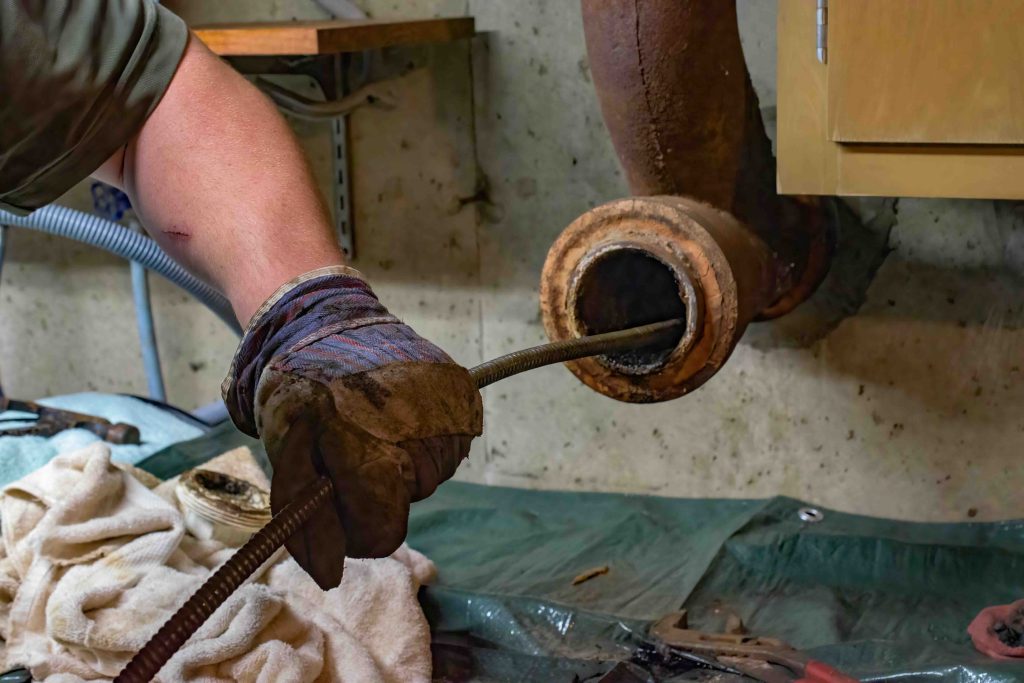
If you suspect a clog, your first move should be to turn off the system and contact an HVAC technician. Attempting to clear a clog with a shop vacuum attached to the exterior drain line exit is a common DIY approach, and it works in some situations, but you need to be careful not to force debris further into the line or damage any connected components. If the system has been flagged for a grounding issue, this is not a DIY repair. You need a licensed HVAC professional, and potentially an electrician depending on how the grounding was configured. Document everything with photos before any work begins, especially if you plan to file a home warranty claim or pursue any kind of reimbursement.
Why Armadillo Is the Right Home Warranty Partner When HVAC Issues Arise
Dealing with a clogged or improperly grounded condensate drain line is stressful enough without having to wonder whether your home warranty will actually come through. That is where Armadillo home warranty coverage for HVAC systems and condensate drain issues stands apart. Armadillo offers straightforward plans with clear language, so you are never left guessing about what is covered when something goes wrong with your cooling system. No vague exclusions buried in dense policy documents. No runaround when you file a claim. If you want to understand exactly what your home is protected against before the next HVAC surprise, you can get a free home warranty quote for HVAC and condensate drain line protection in just a few minutes. Armadillo is built around the idea that home protection should feel like a relief, not another source of stress.

Frequently Asked Questions About Condensate Drain Lines and Home Warranties
Homeowners tend to have a lot of questions once they realize how central this small component is to their HVAC system’s health. Here are the most common ones, answered directly.
What causes a condensate drain line to clog?
Algae, mold, mildew, and accumulated dirt are the primary culprits. The dark, damp interior of the drain line creates an ideal environment for biological growth, which gradually restricts and eventually blocks water flow.
Does a home warranty cover a clogged condensate drain line?
It depends on the warranty provider and the specific plan. Some home warranties include drain line clearing as part of HVAC coverage, while others categorize it as routine maintenance and exclude it. Always review your plan’s terms carefully.
What does it mean when a condensate drain line is grounded?
A grounded condensate drain line typically refers to a non-standard installation in which the drain line is improperly connected to or in contact with an electrical grounding component. This is generally considered a code violation and is usually excluded from home warranty coverage.
Will a home warranty cover repairs related to a grounded condensate drain line?
In most cases, no. Home warranties exclude coverage for problems resulting from improper installation or code violations. A grounded condensate drain line falls into that category and is typically denied as a covered claim.
How often should I clean my condensate drain line?
Most HVAC professionals recommend cleaning the condensate drain line every one to three months, particularly during heavy-use seasons. Pouring a small amount of distilled white vinegar into the access point is a simple and effective method.
What happens if a clogged condensate drain line goes untreated?
Left unaddressed, a clogged drain line causes water to back up into the drain pan and eventually overflow. This can lead to water damage to ceilings, walls, flooring, insulation, and nearby electrical components, and it can also trigger mold growth.
How do I know if my condensate drain line is clogged?
Common indicators include water pooling near the indoor air handler, musty odors from the vents, the AC system shutting off unexpectedly, visible water stains on ceilings or walls near the unit, and standing water in the drain pan.
Can I clear a condensate drain line clog myself?
In some cases, yes. Attaching a wet-dry vacuum to the exterior drain line exit and applying suction can dislodge a clog. However, if the clog is severe or if there is a grounding issue involved, a licensed HVAC technician should handle the repair.
Is a grounded condensate drain line a safety hazard?
It can be. Improper grounding associated with a condensate drain line may create electrical risks depending on how the system was configured. A licensed HVAC technician and possibly an electrician should evaluate the situation promptly.
Does a condensate drain line issue affect my AC system’s performance?
Yes. A clogged drain line can cause the system’s float switch to shut down the unit entirely, meaning your AC will not run at all until the issue is resolved. Even partial clogs can reduce system efficiency and contribute to humidity problems inside the home.