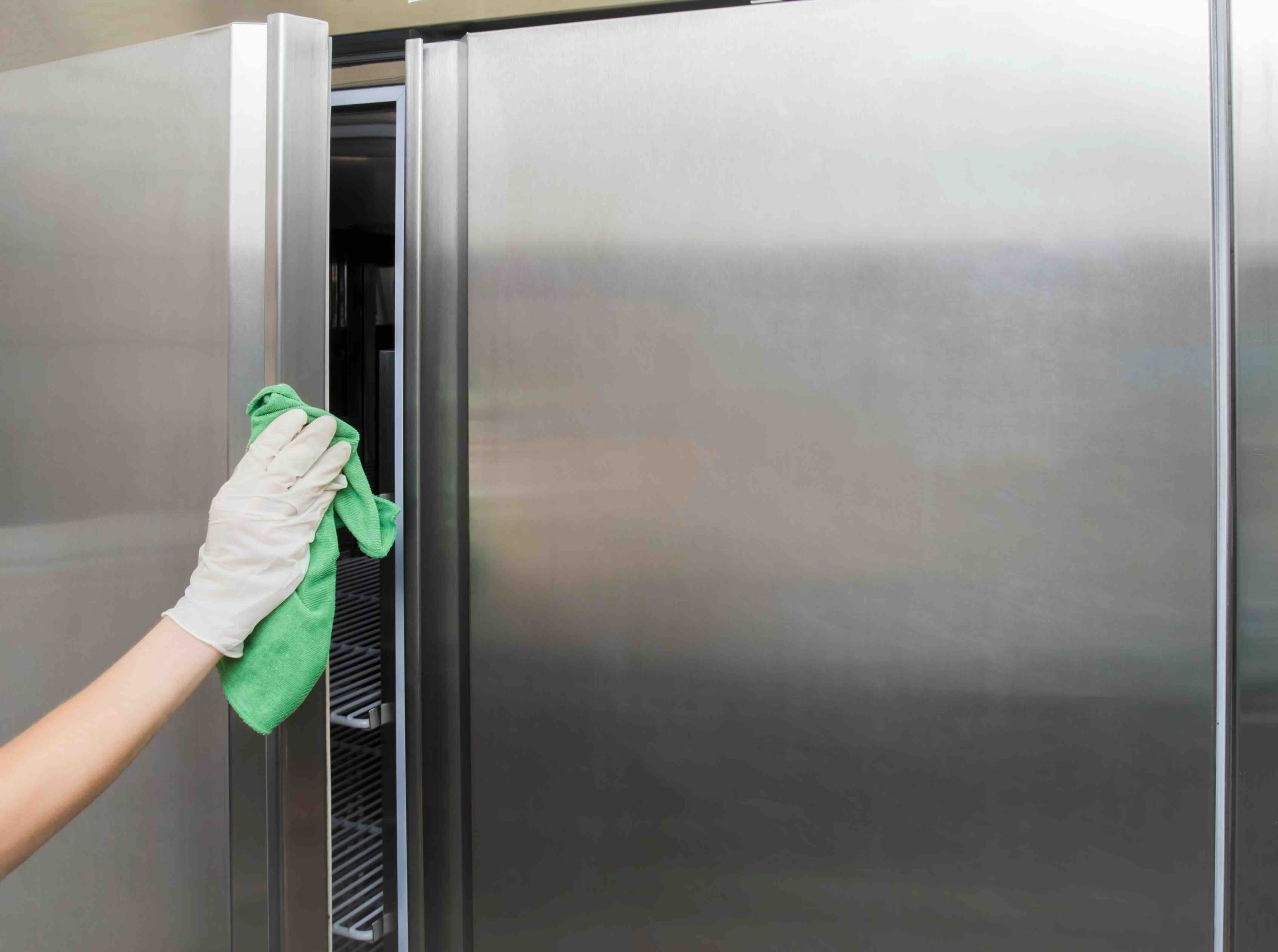
Why Keeping Your Stainless Steel Appliances Clean Actually Matters More Than You Think
Stainless steel appliances are one of those things homeowners fall in love with at the showroom and then spend the next several years trying to maintain. Fingerprints, water spots, grease streaks — the finish that looked so sleek in the store becomes a daily reminder of how much your kitchen actually gets used. But here is the thing: cleaning stainless steel the right way is not just about appearances. It is about preserving the integrity of your appliances, extending their lifespan, and protecting a significant home investment. When you understand what stainless steel actually is and what it responds well to, the whole process becomes a lot less frustrating.
What Is Stainless Steel and Why Does It Need Special Care
Stainless steel is an alloy, meaning it is made from a combination of materials — primarily iron, chromium, and in many cases nickel. The chromium content is what gives stainless steel its corrosion-resistant properties. When chromium is exposed to oxygen, it forms a thin invisible layer on the surface called a passive layer, which protects the metal underneath. The problem is that this layer is sensitive. Harsh chemicals, abrasive scrubbing, and even leaving salt or chlorine residue on the surface for too long can compromise that layer. Once it is damaged, you are looking at rust, pitting, and discoloration — none of which are covered because they result from improper maintenance rather than mechanical failure. So cleaning stainless steel the right way is genuinely important.
The Best Cleaner for Stainless Steel Appliances
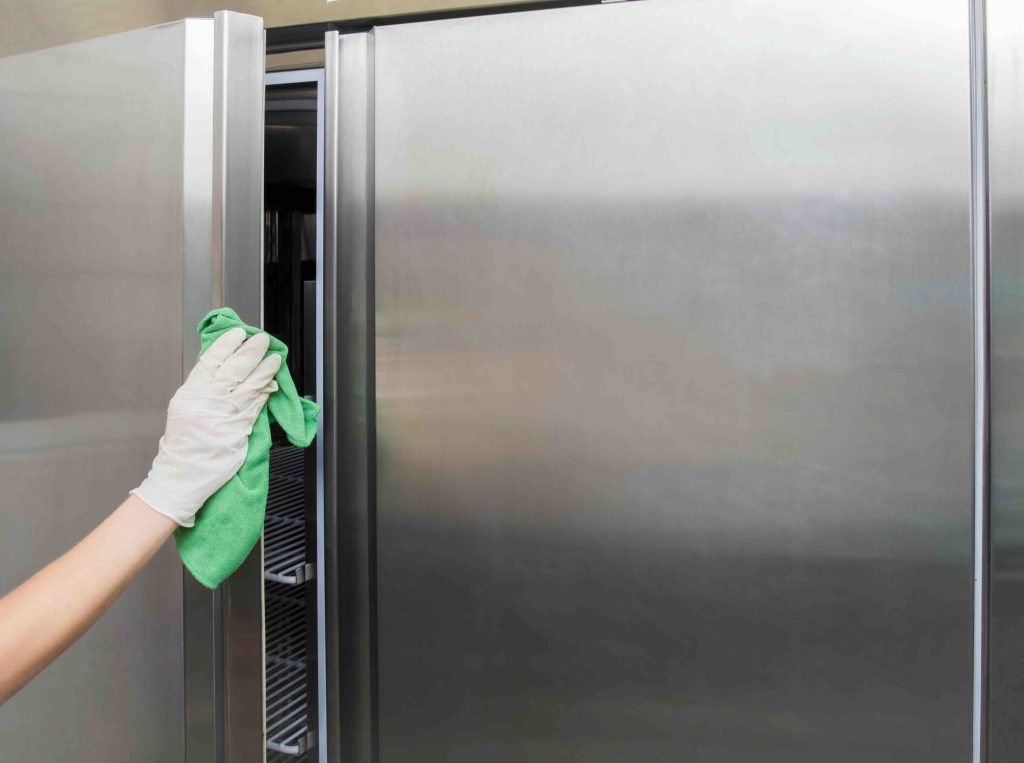
The consensus among appliance care professionals and manufacturers is fairly consistent here. The best cleaner for stainless steel appliances is one that is specifically formulated for the material — something like Bar Keepers Friend Soft Cleanser or Weiman Stainless Steel Cleaner and Polish. These products are designed to clean without scratching, and they often leave behind a protective layer that resists future smudging. For everyday maintenance between deeper cleanings, a small amount of dish soap mixed with warm water applied with a microfiber cloth is genuinely effective and very unlikely to cause any damage. The key detail most people miss is that you always need to wipe in the direction of the grain — stainless steel has a directional finish, and wiping against it pushes grime deeper into the surface rather than lifting it away.
What to Avoid When Cleaning Stainless Steel
Knowing what not to use is just as important as knowing what works. Several common household cleaners can cause real damage to stainless steel over time, and some of the culprits are ones you might reach for without thinking. Here is what to keep off your stainless steel appliances:
- Steel wool or abrasive scrubbing pads, which create micro-scratches that trap bacteria and moisture
- Bleach-based products, which break down the passive layer and accelerate corrosion
- Chloride-containing cleaners, for the same reason as bleach
- Oven cleaners applied to exterior stainless steel surfaces
- Tap water left to air-dry on the surface, which deposits minerals and causes water staining
It sounds like a long list of things to avoid, but in practice it mostly means sticking to purpose-made products or simple soap-and-water solutions. The cleaning process itself does not need to be complicated.

How Often Should You Clean Stainless Steel Appliances
This depends a lot on how actively you use your kitchen. For most households, a quick wipe-down with a damp microfiber cloth every couple of days keeps fingerprints and surface residue from building up. A more thorough cleaning with a dedicated stainless steel product once a week or every two weeks is usually enough to keep the finish looking polished. High-traffic appliances like refrigerators and dishwashers tend to accumulate smudges faster than less-touched surfaces, so those may need more attention. Ranges and oven exteriors are a different story since grease and heat can bake residue onto the surface, which makes timely cleaning much easier than delayed cleaning.
The Role of Stainless Steel Polish and Protective Coatings
One step that homeowners often skip is applying a protective polish after cleaning. Products like Weiman Stainless Steel Polish or even a very small amount of mineral oil buffed into the surface create a thin barrier that makes future cleaning significantly easier. This protective layer also gives the appliance that showroom sheen that is so satisfying and so hard to maintain otherwise. Apply it sparingly, buff it in the direction of the grain, and buff off any excess with a clean cloth. Done right, this step takes about two minutes and makes a noticeable difference in how long the surface stays clean after each wipe-down.
Common Stainless Steel Appliance Problems That Go Beyond Cleaning
Keeping the surface clean is one part of appliance care. But stainless steel appliances are still complex machines with internal components that wear out over time. A refrigerator that is spotless on the outside can still develop a failing compressor. A dishwasher with a gleaming exterior can still have a worn door seal or a malfunctioning wash arm. The aesthetics of the appliance are within your control as a homeowner, but the mechanical and electrical components operate on their own timeline. This is where the broader picture of home appliance care comes in — and where home warranty coverage starts to make a lot of sense as part of a long-term strategy.
Key Advantages of Proper Stainless Steel Maintenance
There are real, measurable benefits to staying consistent with stainless steel care beyond the obvious visual appeal. Regular maintenance protects the finish from permanent damage, which preserves resale value. It also prevents the buildup of bacteria that can accumulate in surface scratches over time. Additionally, keeping grease and residue off exterior surfaces reduces the risk of those materials migrating into adjacent components like vents and seals. Well-maintained appliances also tend to perform more efficiently because their components are not working against hidden obstructions or environmental stress. And perhaps most practically, consistent maintenance catches surface changes early — like rust spots forming near seams or discoloration around handles — that could signal a more significant issue developing underneath.
Stainless Steel Appliances and Home Warranty Coverage
Here is something worth understanding clearly: home warranties cover the mechanical failure of appliances, not cosmetic damage. If your stainless steel refrigerator stops cooling because the compressor fails, that is a warranty-eligible event. If the exterior surface develops rust stains because it was cleaned with bleach, that is a maintenance issue and falls outside the scope of coverage. This distinction matters because it reinforces why proper cleaning and care is a homeowner responsibility that complements, rather than replaces, warranty protection. Together, the two approaches — good maintenance habits and solid coverage — give you comprehensive protection for your appliances from both directions.
Why Armadillo Is the Smart Choice for Protecting Your Home Appliances
You can do everything right when it comes to maintaining your stainless steel appliances — wipe in the direction of the grain, use the right cleaner, apply protective polish — and still face an unexpected mechanical failure that costs hundreds or even thousands of dollars to repair. That is just the nature of owning appliances. Armadillo home warranty plans built for modern homeowners exist precisely for moments like that. Armadillo covers the mechanical failures that no amount of good cleaning habits can prevent, offering straightforward plans with transparent terms and no confusing fine print. If you have invested in quality stainless steel appliances for your home, it only makes sense to back that investment with coverage that actually shows up when something goes wrong. Whether your refrigerator, dishwasher, or range unexpectedly breaks down, you want a plan already in place rather than scrambling for repair quotes. Take a few minutes to get a free home warranty quote for your stainless steel appliances and home systems and see what a well-designed plan looks like before you need it.

Frequently Asked Questions About Cleaning Stainless Steel Appliances
Here are answers to the questions homeowners ask most often about caring for stainless steel appliances and understanding how that care connects to home protection.
What is the best cleaner for stainless steel appliances?
The best cleaners for stainless steel appliances are purpose-formulated products such as Bar Keepers Friend Soft Cleanser, Weiman Stainless Steel Cleaner and Polish, or a simple mixture of dish soap and warm water applied with a soft microfiber cloth. Always wipe in the direction of the metal grain.
Can I use vinegar to clean stainless steel appliances?
Diluted white vinegar can be used occasionally to cut through grease and water spots, but it should be rinsed off thoroughly and not left on the surface. Prolonged exposure to acidic substances can degrade the protective chromium layer on stainless steel over time.
How do I remove fingerprints from stainless steel appliances?
A small amount of rubbing alcohol applied to a microfiber cloth works well for removing fingerprints quickly. For a longer-lasting result, follow up with a light application of stainless steel polish, which helps resist future smudging.
Will bleach damage stainless steel appliances?
Yes. Bleach and any cleaners that contain chlorine can break down the passive layer that protects stainless steel from corrosion. Even brief exposure followed by inadequate rinsing can lead to pitting and rust over time. Avoid bleach-based cleaners on stainless steel surfaces entirely.
Does a home warranty cover stainless steel appliance damage from cleaning?
No. Home warranties cover mechanical and electrical failures, not cosmetic or maintenance-related damage. Surface issues like rust from improper cleaning, scratches from abrasive pads, or discoloration from harsh chemicals are considered homeowner negligence and fall outside the scope of coverage.
How do I get rid of rust spots on stainless steel appliances?
For minor surface rust, a paste made from Bar Keepers Friend and water applied gently in the direction of the grain can remove early rust spots. For more significant corrosion, a professional appliance technician should assess the surface, as deep rust may indicate a structural issue.
Should I use olive oil or baby oil to clean stainless steel?
Some homeowners use a small amount of mineral oil or baby oil to polish stainless steel, and this can work as a short-term solution for buffing out light smudges and adding shine. Olive oil is generally not recommended because it can go rancid and attract more grime over time.
How do I know which direction the grain runs on my stainless steel appliances?
Look closely at the surface under a good light source. The grain appears as very fine, parallel lines running either horizontally or vertically across the panel. Always wipe parallel to those lines, never across them.
Does stainless steel need to be dried after cleaning?
Yes. Allowing water to air-dry on stainless steel leaves behind mineral deposits that create water spots and can eventually contribute to surface corrosion. Always dry the surface immediately after cleaning with a clean, dry microfiber cloth.
What does a home warranty actually cover on kitchen appliances?
A standard home warranty covers the mechanical and electrical components of built-in kitchen appliances — things like compressors, motors, heating elements, control boards, and internal wiring. Coverage applies when these components fail due to normal wear and use, not due to improper maintenance, physical damage, or cosmetic issues.