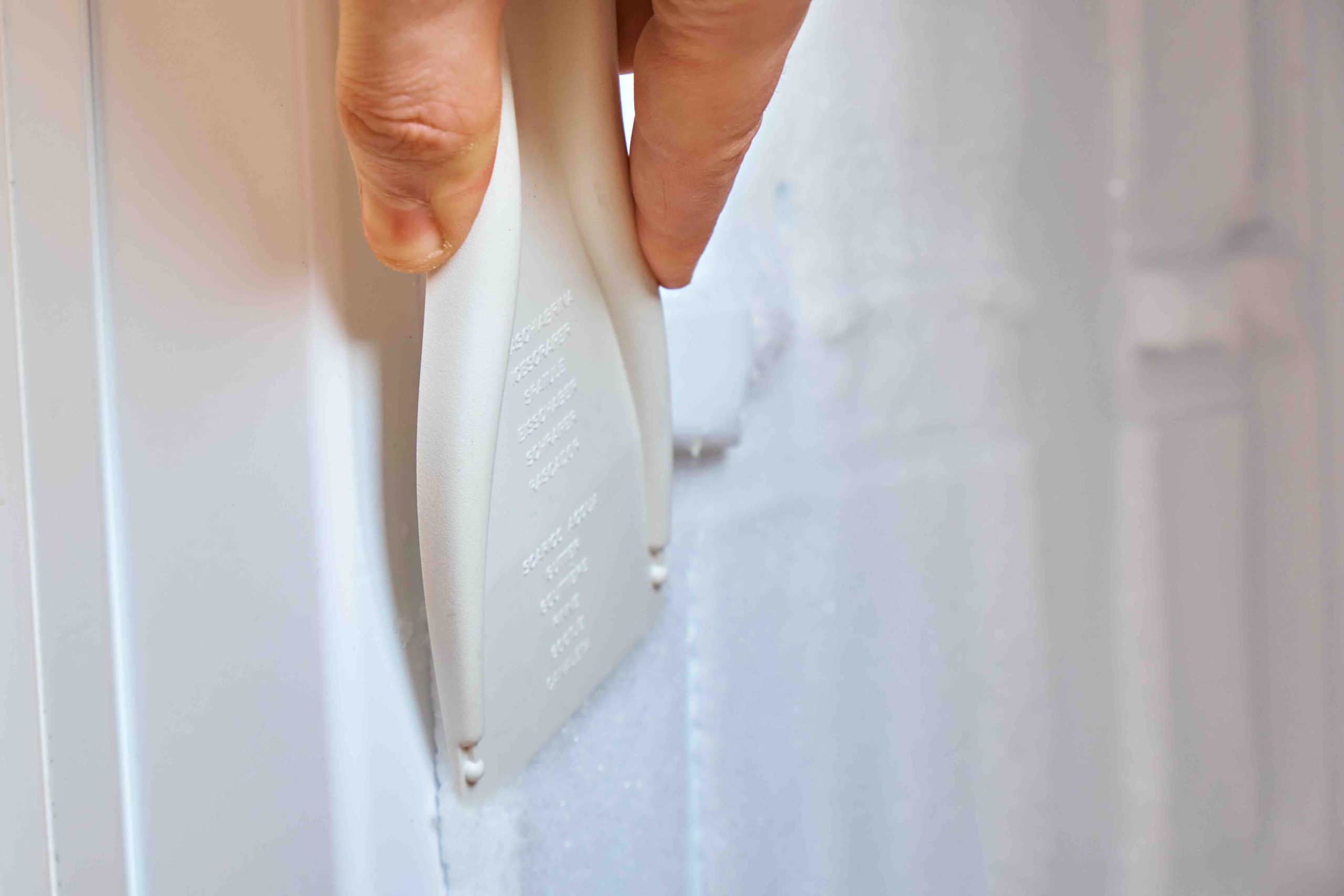
Why Is My Freezer Frosting Up and What Can You Do About It?
You open the freezer to grab some ice cream and instead find the inside looking like a miniature Arctic tundra. Frost buildup is one of those household annoyances that sneaks up on you gradually, and by the time you notice it, things have already gotten out of hand. The good news is that freezer frosting is usually preventable, and in many cases, it comes down to a few simple habits and the condition of some key components. Understanding what causes the problem is the first step toward fixing it for good.
What Causes Frost to Build Up Inside a Freezer?
Frost forms when warm, moisture-laden air enters the freezer and meets the cold interior surfaces. That moisture condenses and freezes, gradually accumulating over time. The root causes range from user habits to mechanical failures. Leaving the freezer door open too long, placing warm food directly inside, or using the appliance in a humid environment can all accelerate frost formation. But when frost builds up even when you are doing everything right, that points to a potential issue with the appliance itself, such as a faulty door gasket or a malfunctioning defrost system.
How a Freezer Is Supposed to Manage Frost
Most modern freezers are equipped with an automatic defrost system, sometimes called frost-free technology. This system runs a heating element on a timer, typically once or twice a day, to melt any frost that has accumulated on the evaporator coils. The resulting water drains through a drain tube and into a pan beneath the appliance where it evaporates. When this system is working correctly, you should rarely, if ever, see significant frost accumulation. The moment that cycle breaks down, frost starts to win.
Common Reasons Your Freezer Keeps Frosting Over
There are several culprits worth investigating when frost becomes a recurring problem in your freezer. Pinpointing the cause saves you time and money before calling a repair technician.
- Damaged or worn door gaskets that no longer create an airtight seal
- A faulty defrost timer, thermostat, or heating element
- A clogged or frozen defrost drain line
- Overpacking the freezer, which restricts airflow around the evaporator coils
- Leaving the door open frequently or for extended periods
- Storing hot or warm food items directly in the freezer
- High ambient humidity in the surrounding environment
How to Stop Your Freezer from Frosting Up
Preventing frost buildup is mostly about controlling moisture and making sure the appliance’s mechanical components are in good working order. Start by checking the door gasket. Close the door on a piece of paper and try to pull it out. If it slides out without resistance, the seal is compromised and needs to be replaced. Keep the freezer no more than about three-quarters full to allow air to circulate properly. Always let hot food cool to room temperature before placing it inside, and avoid lingering with the door open while you decide what you want. These small behavioral adjustments go a long way.

How to Defrost a Freezer That Has Already Iced Over
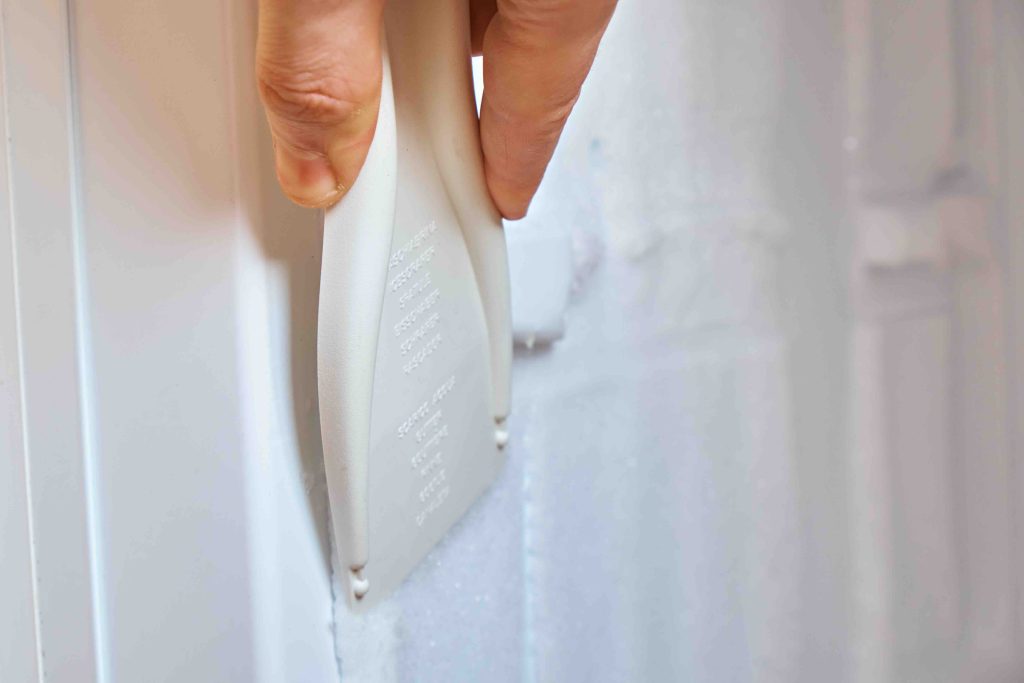
If frost has already taken hold, manual defrosting is the way to go. Unplug the appliance, remove all food items and pack them in coolers with ice, then leave the freezer door open so the ice can melt naturally. Place towels around the base to catch the water. Never use a sharp object to chip away ice since that can easily puncture the interior lining or damage the coils. A bowl of hot water placed inside can speed up the melting process. Once the interior is clear and dry, wipe everything down before plugging it back in and restocking.
Signs the Problem Is Mechanical, Not Behavioral
If frost returns within days of a full manual defrost, the issue is almost certainly mechanical. A defrost heater that has burned out will not melt ice off the evaporator coils, and frost will pile up fast. A broken defrost timer may prevent the cycle from initiating altogether. The defrost thermostat, which regulates when the heater turns on and off, can also fail and disrupt the entire system. These are not DIY-friendly repairs for most homeowners. They require a technician with the right diagnostic tools and replacement parts.
The Real Cost of Ignoring Freezer Frost Buildup
Letting frost accumulate is not just a cosmetic inconvenience. Excessive frost reduces the usable storage space inside your freezer, forces the appliance to work harder to maintain the correct temperature, and drives up energy consumption. Over time, that added strain shortens the lifespan of the compressor and other vital components. Food quality also suffers when the temperature becomes inconsistent, which can lead to freezer burn. Addressing frost issues promptly protects both your appliance investment and the food inside it.
Maintenance Tips to Keep Frost Away Long-Term
Routine maintenance is the single best defense against chronic freezer frosting. A few consistent habits make a meaningful difference over the life of the appliance.
- Inspect door gaskets every six months and clean them with mild soap and water
- Keep the freezer in a location away from direct sunlight or heat sources
- Check that the appliance is level, since an unlevel freezer can prevent the door from sealing properly
- Clean the condenser coils annually to improve efficiency
- Monitor the temperature setting and keep it at 0 degrees Fahrenheit for optimal performance
How Armadillo Home Warranty Can Help When Your Freezer Fails
When a freezer frost problem turns into a full mechanical breakdown, repair costs can add up quickly. Defrost heaters, thermostats, and timers are not expensive parts on their own, but labor costs and diagnostic fees can push a simple repair into several hundred dollars. That is where having a reliable home warranty makes a real difference. Armadillo home appliance warranty coverage is built around protecting homeowners from exactly these kinds of unexpected appliance repair bills. When your freezer stops working correctly, whether it is a defrost system failure or a compressor issue, Armadillo connects you with qualified service professionals and handles the coordination so you are not left scrambling. If you want straightforward coverage without confusing fine print, you can get a free freezer and appliance protection quote from Armadillo in just a few minutes. Peace of mind should not be complicated, and with Armadillo, it genuinely is not.

Frequently Asked Questions About Freezer Frost Buildup
Here are answers to the questions homeowners ask most often about freezer frosting, defrost systems, and appliance protection.
Why does my frost-free freezer still have frost in it?
Frost-free freezers can still accumulate frost if the automatic defrost system has a failing component such as the defrost heater, timer, or thermostat. A damaged door gasket is another common cause because warm air infiltrates the unit and creates moisture even when the defrost cycle is running normally.
How often should I manually defrost a freezer?
If your freezer is not a frost-free model, manual defrosting is recommended once frost buildup reaches approximately a quarter inch in thickness, which typically occurs every one to two months depending on usage patterns and humidity levels in your home.
Can a freezer frost up because of a bad door seal?
Yes, a worn or damaged door gasket is one of the most common reasons a freezer frosts up. When the seal is not airtight, warm humid air enters the compartment and freezes on contact with interior surfaces, leading to rapid frost accumulation.
Is frost in a freezer a sign that something is broken?
Not always. Light frost can result from normal use, especially if the door is opened frequently. However, heavy or persistent frost buildup, particularly if it returns quickly after defrosting, usually indicates a mechanical issue with the defrost system or door seal that should be inspected by a professional.
What temperature should a freezer be set at to prevent frost?
A freezer should be set to 0 degrees Fahrenheit for optimal food preservation and appliance efficiency. Setting it too cold wastes energy, while setting it too warm can result in inconsistent temperatures and increased moisture retention.
Does overpacking a freezer cause frost?
Overpacking restricts airflow around the evaporator coils, which can interfere with the defrost system and lead to uneven temperatures inside the unit. This creates conditions that promote frost buildup, so it is best to keep the freezer reasonably stocked without blocking the vents.
Will a home warranty cover freezer defrost system repairs?
Many home warranty plans cover major appliance components including refrigerators and freezers. Coverage specifics vary by provider and plan, so it is important to review what components are included. Defrost heaters, thermostats, and timers are typically considered mechanical components that may qualify for coverage under an appliance protection plan.
Can I use a hair dryer to defrost my freezer faster?
Using a hair dryer near water and ice is a safety hazard and is not recommended. A bowl of warm water placed inside the freezer or a fan directed at the open unit are safer alternatives for accelerating the defrost process without risking electrical shock or damage to the appliance.
How do I know if my freezer’s defrost heater is broken?
The clearest sign of a failed defrost heater is a thick layer of frost or ice covering the evaporator coils at the back of the freezer compartment. You may also notice the appliance running constantly, struggling to maintain temperature, or ice forming in unusual patterns. A technician can confirm the diagnosis with a continuity test.
How long does a freezer typically last before major repairs are needed?
The average lifespan of a freezer is between 12 and 20 years, depending on the brand, usage, and maintenance history. Components like door gaskets and defrost system parts can wear out sooner, often within 8 to 10 years, making proactive maintenance and appliance protection coverage worth considering early on.