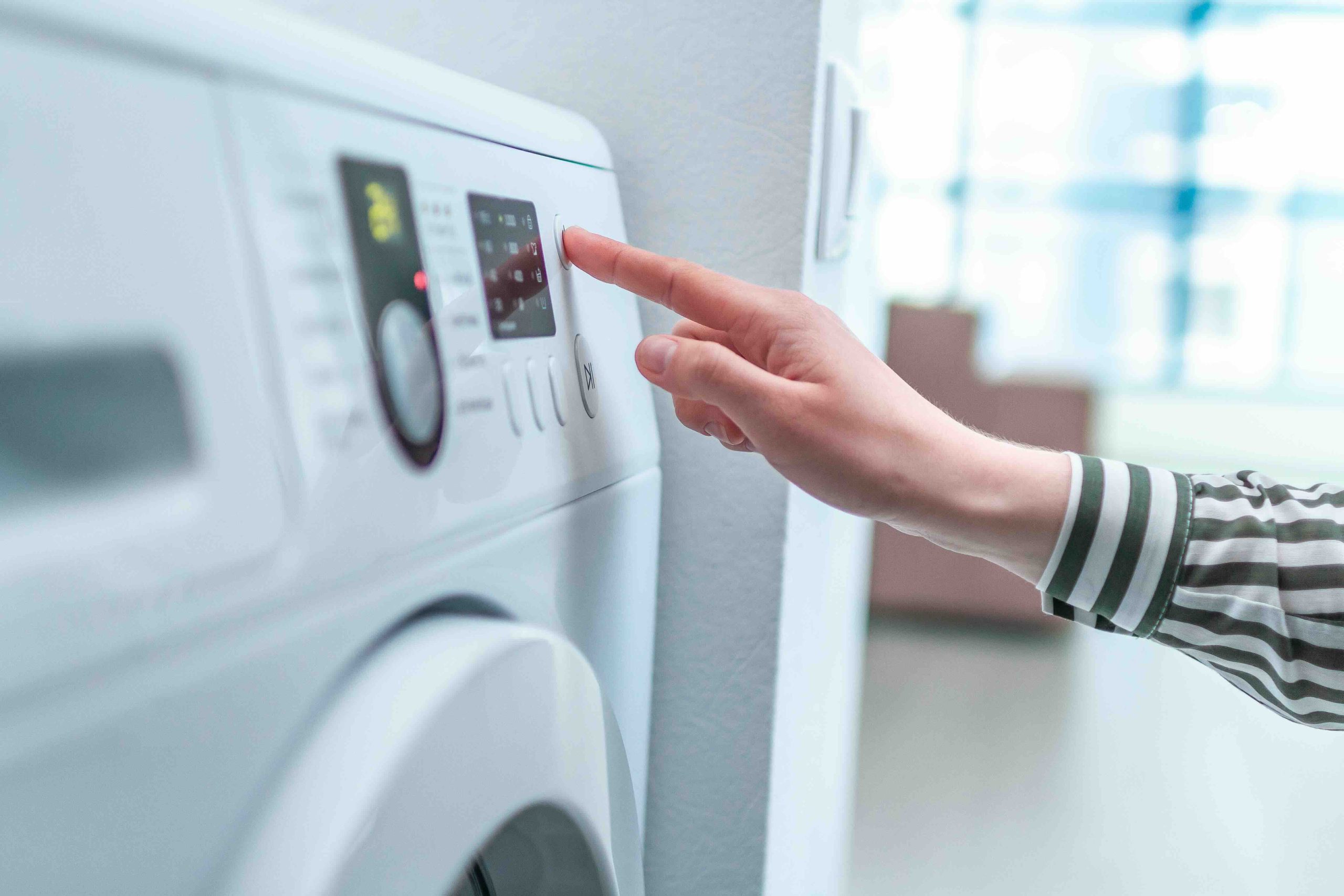
Why Your Washing Machine Won’t Spin and What You Can Do About It
You loaded the laundry, pressed start, and walked away. Simple enough. But when you came back, the clothes were sitting in a soaking wet heap and the drum was completely still. A washing machine that won’t spin is one of those problems that feels minor at first and then quickly becomes a real disruption to your week. The good news is that this issue is actually one of the more diagnosable appliance problems a homeowner can face. Understanding why it happens, what causes it, and what it costs to fix can save you a lot of frustration and money.
How the Spin Cycle Actually Works
Before diving into what goes wrong, it helps to understand what’s supposed to go right. The spin cycle is the phase of a wash where the drum rotates at high speed to force water out of your clothes through centrifugal force. The water gets pushed outward through the drum’s holes and drains out of the machine. This process depends on several components working in sync: the motor, the drive belt or direct drive mechanism, the lid switch or door latch, the control board, the drain pump, and the motor coupler. If any one of these parts fails or even partially malfunctions, the machine may refuse to spin entirely, or it may spin poorly enough that clothes come out dripping wet. It is a chain reaction system, which is why one small failure can bring the whole cycle to a halt.
The Most Common Reasons a Washing Machine Won’t Spin
There are several culprits that technicians encounter repeatedly when diagnosing this issue. Some are simple and inexpensive to address, while others are more involved. The most frequently seen causes include:
- A broken or worn drive belt that can no longer transfer power from the motor to the drum
- A faulty lid switch or door latch that prevents the machine from recognizing it is fully closed
- An overloaded drum that causes the machine to go off balance and stop mid-cycle
- A clogged or malfunctioning drain pump that leaves standing water in the tub, preventing spinning
- A worn motor coupler that connects the motor to the transmission in direct-drive models
- A failed control board that sends incorrect or no signals to the spin mechanism
- A damaged or misaligned drum bearing that creates too much friction for the motor to overcome
Each of these issues has different repair costs and different levels of complexity. Some homeowners can address an overloaded drum or a clogged pump filter on their own. Others, like a failing control board or a worn bearing, typically require a professional appliance technician.
Quick Checks You Can Do Before Calling a Technician
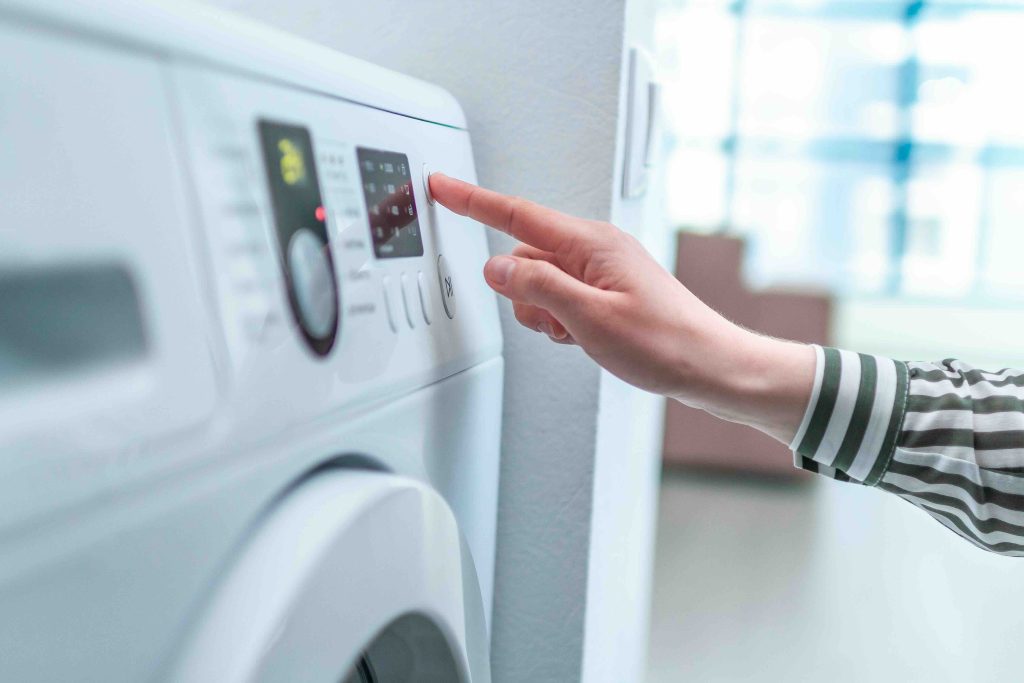
Not every spin problem requires an immediate service call. There are a few things worth checking first. Start by redistributing the load. Washing machines are designed to handle balanced loads, and a single heavy item like a comforter or a pair of jeans bunched to one side can trigger an imbalance detection that stops the spin cycle entirely. Try rearranging the clothes evenly and running the cycle again. Next, check the lid switch on top-loaders by pressing it manually to see if it clicks. A lid that doesn’t register as closed will often prevent spinning as a safety measure. Also inspect the drain hose for kinks or blockages, since a machine that cannot drain will not proceed to spin. These are low-effort steps that occasionally resolve the issue without any additional expense.

What Repairs Typically Cost Without Coverage
If the problem goes beyond a simple fix, repair costs can vary considerably depending on the component involved and the age of the machine. A drive belt replacement typically runs between $100 and $200 including parts and labor. A lid switch repair can range from $85 to $150. Replacing a drain pump usually falls between $150 and $300. A motor coupler replacement is often in that same general range. However, if the issue is the control board or the motor itself, you may be looking at $300 to $600 or more, at which point the repair cost starts to compete seriously with the cost of a new machine. Labor rates for appliance technicians vary by region and can add $75 to $150 per hour on top of parts. These numbers add up quickly, especially when the failure comes without warning.
Top-Load vs. Front-Load Washers: Does the Type Matter Here
The short answer is yes, it does matter, at least when it comes to which specific components tend to fail. Top-loading machines are more prone to motor coupler failures and lid switch issues. Front-loading machines tend to see more problems with door latches, bearings, and drain pumps. Front-loaders also spin at higher RPMs, which means their bearings are under greater stress over time. That higher spin speed is a genuine advantage for drying efficiency, but it does come with the trade-off of more wear on certain components. Knowing which type of washer you own helps narrow down the diagnostic process when something goes wrong.
When to Repair and When to Replace
This is the question that comes up every single time a major appliance breaks down. A general rule of thumb in the appliance repair industry is to avoid spending more than 50 percent of the cost of a new unit on repairing an old one. If your washer is more than eight to ten years old and the repair estimate is climbing toward the $400 range or higher, replacement may be the more financially sound decision. That said, a well-maintained machine that is only a few years old and experiencing a relatively minor issue is almost always worth repairing. The age and brand of the machine, along with the specific component that failed, should all factor into that decision.
How to Extend the Life of Your Washing Machine
Preventive care really does make a difference with washers. Overloading is one of the leading causes of early component failure, so following the manufacturer’s load guidelines consistently is worth the effort. Using the correct amount and type of detergent matters too, since excess suds can strain the drain pump over time. Periodically cleaning the machine, including the drum, filter, and door seal on front-loaders, reduces buildup that can interfere with drainage and spinning. Leaving the lid or door open after cycles allows moisture to escape, which protects seals and prevents mold. These habits are simple and take very little time, but they genuinely extend the functional life of the appliance.
The Role of a Home Warranty in Appliance Breakdowns
Here is where things get interesting from a financial planning perspective. A home warranty is a service contract that covers the repair or replacement of major home systems and appliances when they break down due to normal wear and tear. Unlike homeowner’s insurance, which covers sudden damage from events like fires or floods, a home warranty is specifically designed for mechanical failures. That means a washing machine that stops spinning because the motor coupler wore out or the drive belt snapped is exactly the type of scenario a home warranty is built to handle. Without coverage, that repair comes directly out of your pocket. With a solid home warranty in place, you pay a service call fee and the contract covers the rest, up to the terms of your specific plan.
Why Armadillo Is Worth Considering for Appliance Protection
When your washing machine decides to stop spinning on laundry day, the last thing you want is to navigate a complicated claims process or wonder whether your warranty provider will actually follow through. That is where Armadillo stands apart. Armadillo offers straightforward, homeowner-friendly home warranty plans designed to cover exactly the kind of appliance failures that disrupt daily life without warning. If you are researching home warranty coverage for washing machine repairs and other major appliances, Armadillo makes the process transparent from the start, with clear terms and no confusing fine print. When a covered appliance breaks down, the process is simple: you file a claim, a qualified technician is dispatched, and the covered repair gets handled. It is a practical, cost-effective way to protect your household budget from unpredictable appliance failures. If you are ready to stop guessing what a repair might cost and start protecting yourself with a plan that actually works, take a few minutes to get a free home warranty quote for appliance and system protection and see what plan makes sense for your home.

Frequently Asked Questions About Washing Machines That Won’t Spin
Here are answers to the questions homeowners most commonly ask when their washing machine stops spinning.
Why does my washing machine fill with water but not spin?
This usually indicates a problem with the drain pump, lid switch, or motor. If the machine cannot drain properly, it will not proceed to the spin cycle. A faulty lid switch can also prevent spinning even when water is present.
Can an unbalanced load really stop a washing machine from spinning?
Yes. Modern washing machines have sensors that detect load imbalance and will pause or stop the spin cycle to prevent damage. Redistributing the load evenly and restarting the cycle often resolves this without any repair needed.
Is it safe to run a washing machine that won’t spin?
Running the machine repeatedly when it has a mechanical issue can worsen the underlying problem. It is best to diagnose the cause before continuing to use the appliance.
How long do washing machines typically last?
Most washing machines have a functional lifespan of 10 to 14 years with normal use and proper maintenance. High-efficiency and front-load models tend to have slightly shorter lifespans due to more complex components.
What does a broken drive belt sound like before it fails completely?
A worn drive belt often produces a squealing or burning rubber smell during the spin cycle before it breaks entirely. If you notice either of those signs, having a technician inspect it promptly can prevent a complete failure.
Will a home warranty cover a washing machine that won’t spin?
Most home warranty plans that include appliance coverage will cover mechanical failures like a broken drive belt, faulty lid switch, or failed motor coupler, as long as the failure is due to normal wear and tear and not misuse or neglect.
How much does it cost to replace a washing machine motor?
Replacing a washing machine motor typically costs between $300 and $600 including parts and labor, depending on the brand and model. At that price point, it is worth evaluating whether repair or replacement is the better financial decision.
Can I fix a washing machine that won’t spin myself?
Some repairs, like clearing a clogged pump filter or replacing a lid switch, are within reach for a homeowner comfortable with basic tools. However, motor, bearing, and control board repairs generally require a trained appliance technician.
Does the brand of washing machine affect how often it needs repairs?
Yes, brand and build quality do influence repair frequency. Some brands have stronger reputations for reliability and more readily available parts, which can also affect repair costs and turnaround times when something goes wrong.
What is the difference between a home warranty and appliance insurance?
A home warranty is a service contract that covers repairs or replacements due to mechanical breakdown from normal wear and tear. Appliance insurance, sometimes bundled with homeowner’s policies, typically covers damage from specific events like fire or theft rather than everyday mechanical failure.