What Is Foam Weatherstripping and Why Does It Matter for Your Home?
If you have ever noticed a draft sneaking under your front door on a cold night, or felt a thin stream of warm outdoor air slipping inside during summer, there is a good chance your door weatherstripping has seen better days. Foam weatherstripping is one of those quiet, underappreciated parts of a home that handles a surprisingly large workload. It seals the gaps around doors, keeps conditioned air inside, and blocks outdoor elements from making themselves comfortable in your living space. It is simple by design, but it does a lot of heavy lifting when it comes to energy efficiency, comfort, and even pest control. Understanding what it is, how it works, and when it needs attention can save you money and a fair amount of frustration down the road.
How Foam Weatherstripping Actually Works
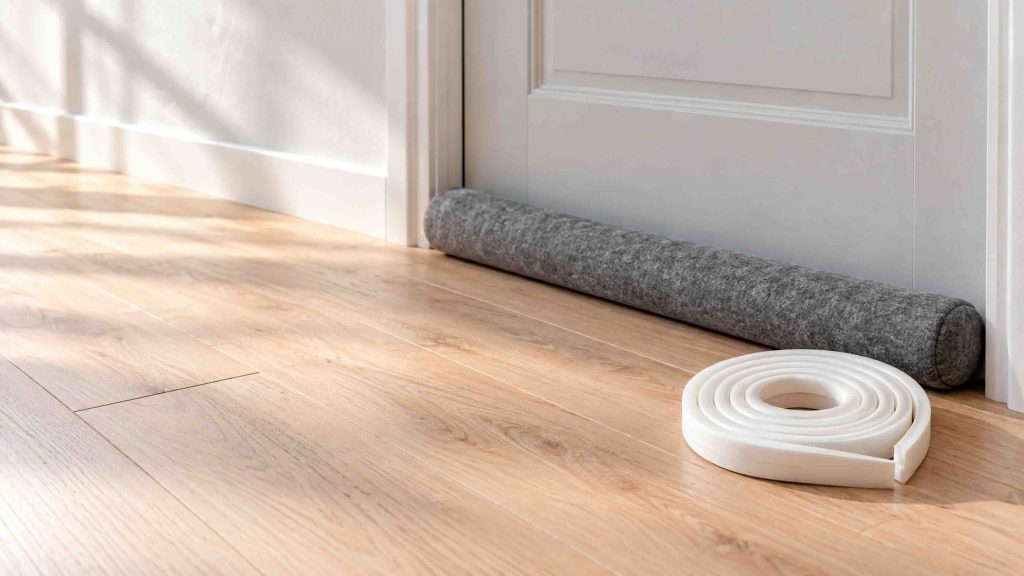
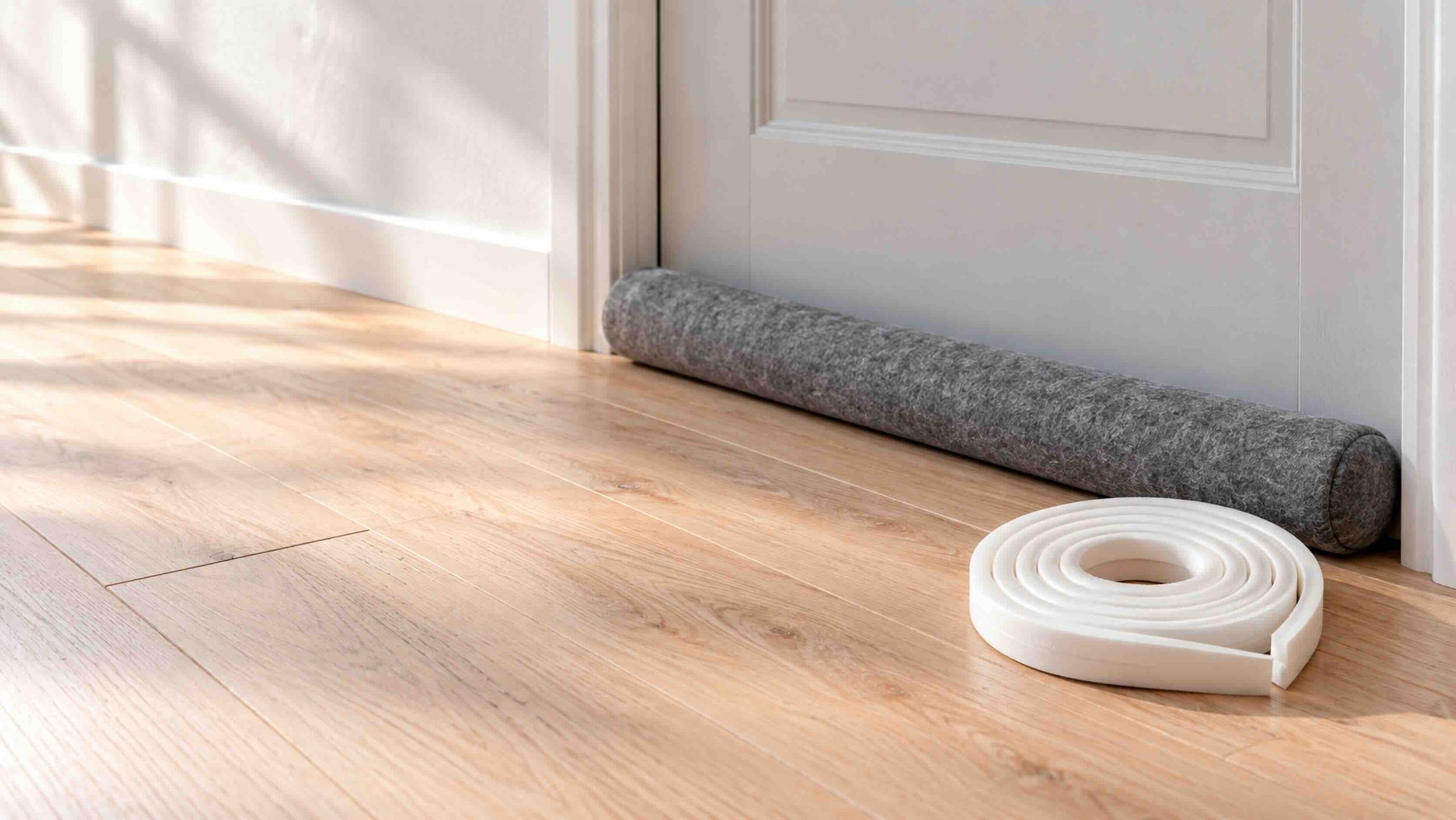
Foam weatherstripping is a compressible sealing material installed along the edges of a door frame, typically on the stop molding where the door makes contact when closed. When the door shuts, the foam compresses to fill any irregular gaps between the door and the frame. This creates a physical barrier against air infiltration, moisture, dust, insects, and sound. Most foam weatherstripping is made from open-cell or closed-cell polyurethane or EPDM rubber foam, and it usually comes with a self-adhesive backing that makes installation relatively accessible for most homeowners. The compression and rebound cycle is what gives it sealing power, and that is also, eventually, what causes it to wear out over time.
The Different Types of Foam Weatherstripping Available
Not all foam weatherstripping is the same, and choosing the right type for your door makes a noticeable difference in performance and longevity. Here is a quick breakdown of the most common options:
- Open-cell foam: Softer and more compressible, but absorbs moisture more easily, making it better suited for interior applications or low-moisture climates.
- Closed-cell foam: Denser and more moisture-resistant, which makes it a stronger choice for exterior doors exposed to rain or humidity.
- EPDM rubber foam: Often considered the most durable option, it handles temperature extremes well and resists compression set better than standard polyurethane foam.
- Vinyl foam hybrid strips: A combination material that offers decent durability at a lower price point, though it tends to degrade faster in direct sunlight.
Selecting the right material depends on where the door is located, how much weather exposure it sees, and how often it is used throughout the day. An exterior front door in a high-traffic household will need something more resilient than a garage access door used once a week.
Key Advantages of Foam Weatherstripping for Homeowners
Foam weatherstripping is a genuinely practical home improvement for several reasons. First, it is inexpensive. A roll of quality foam tape can cost just a few dollars at a hardware store, making it one of the most cost-effective upgrades a homeowner can make. Second, installation does not require professional help in most cases. Clean the surface, measure, cut, peel, and stick. That is the process. Third, the energy savings can be meaningful. According to the U.S. Department of Energy, drafts around doors and windows can account for a significant portion of heating and cooling loss in a home. Sealing those gaps keeps your HVAC system from working overtime, which translates directly to lower utility bills. And fourth, it acts as a barrier against insects and dust, which is a benefit that rarely gets the attention it deserves.

Common Drawbacks and Limitations to Know About
Foam weatherstripping is not without its weaknesses. The most common issue is compression set, which is when the foam gets compressed so many times that it no longer bounces back to its original shape. Once that happens, the seal becomes uneven or disappears entirely. Depending on the quality of the material and how frequently the door is used, this can happen within one to three years. Foam is also vulnerable to UV degradation if exposed to direct sunlight, so doors that face west or south may see faster deterioration. Additionally, foam weatherstripping does not perform as well as V-strip or door sweeps when it comes to sealing the bottom gap of a door. It is best used on the sides and top of the door frame, while a separate door sweep handles the bottom edge more effectively.
How to Install Foam Weatherstripping the Right Way
Getting the installation right is important because even the best foam will fail if it is applied to a dirty or uneven surface. Start by removing any old weatherstripping completely and cleaning the door stop surface with rubbing alcohol or a mild cleaner. Let it dry fully before applying anything new. Measure the door frame carefully, cut the foam strips to length, and press them firmly along the stop molding where the door makes contact. Close the door slowly to check for even compression around the entire frame. If you see daylight anywhere, you have a gap that needs attention. One common mistake is applying foam that is too thick, which can make the door difficult to close and strain the hinges over time. Choose a thickness that compresses to fill the gap without forcing the door shut.
Signs That Your Door Weatherstripping Needs Replacing
Many homeowners do not realize their weatherstripping has failed until they notice a secondary symptom like a spike in energy costs, a drafty room, or insects finding their way inside. Knowing what to look for makes it easier to catch the problem early. Visible crumbling or flaking foam is an obvious indicator. So is foam that has gone flat and no longer holds its shape. If you can feel airflow around a closed door on a windy day, that is a strong sign the seal has broken down. Holding a lit candle near the door frame and watching the flame flicker is an old diagnostic trick that still works. Any consistent flicker indicates air movement and a compromised seal.
Foam Weatherstripping in the Context of Home Maintenance
Weatherstripping falls into the category of routine home maintenance, much like changing HVAC filters or cleaning gutters. It is easy to overlook because it does not announce its failure loudly. But the cumulative effect of ignoring worn weatherstripping adds up over time in higher energy bills, more pest activity, and increased strain on your heating and cooling equipment. Treating it as part of an annual home inspection walkthrough is a smart habit. Check every exterior door in the home, including side doors, garage access doors, and sliding glass doors, which use a different type of seal but follow the same maintenance logic. A few minutes of inspection each year can prevent a much more expensive problem later.
Where Foam Weatherstripping Fits Into a Broader Home Warranty Strategy
Foam weatherstripping itself is a straightforward maintenance item that most homeowners can handle independently. But it is a reminder of how many small systems and components work together to keep a home running efficiently. When one element starts to fail, it often creates pressure on the systems around it. A drafty door forces the HVAC system to compensate, which accelerates wear on the unit. That is where a home warranty becomes genuinely useful. At Armadillo, a trusted home warranty provider for modern homeowners, the focus is on protecting the systems and appliances that matter most, so that when something bigger does break down, you are not facing an unexpected repair bill. If your HVAC system has been quietly overworking itself because of poor door seals, having that kind of protection in place is simply smart planning. You can take a few minutes right now to get a customized home warranty quote that fits your home and budget and see what kind of coverage makes sense for where you are in your homeownership journey. Armadillo keeps things transparent, practical, and genuinely helpful because that is what homeowners actually need.

Frequently Asked Questions About Foam Weatherstripping for Doors
Here are answers to the most common questions homeowners have about foam weatherstripping, how it works, and how to maintain it effectively.
How long does foam weatherstripping typically last?
Most foam weatherstripping lasts between one and three years depending on the material quality, the climate, and how frequently the door is used. Closed-cell foam and EPDM rubber foam tend to last longer than standard open-cell polyurethane options.
Can I install foam weatherstripping myself or do I need a professional?
In most cases, foam weatherstripping is a straightforward DIY project. It requires no special tools, just a clean surface, accurate measurements, and a sharp utility knife to cut the strips to length. A professional is generally not necessary for a standard door.
What thickness of foam weatherstripping should I use for my door?
The right thickness depends on the size of the gap between your door and the frame. A gap of roughly one eighth of an inch typically calls for a thinner foam, while larger gaps need a thicker strip. The foam should compress slightly when the door closes without making the door difficult to shut.
Does foam weatherstripping help reduce noise?
Yes, to a degree. Foam weatherstripping creates a physical seal that reduces air and sound transmission through door gaps. It is not a substitute for acoustic insulation, but it does help dampen outside noise when installed correctly across all sides of the door frame.
Why does my door still feel drafty after installing new weatherstripping?
A few things could be causing this. The foam may be too thin for the gap, the surface it was applied to may not have been clean enough for the adhesive to bond properly, or the bottom of the door lacks a door sweep. Check each edge of the door individually to identify where the air is getting through.
Can foam weatherstripping cause mold or moisture problems?
Open-cell foam can absorb moisture over time, which may create conditions where mold develops if the door frame is already exposed to high humidity. Choosing closed-cell foam for exterior doors significantly reduces this risk, and replacing weatherstripping at regular intervals helps as well.
Is foam weatherstripping the same as a door sweep?
No, they serve different purposes. Foam weatherstripping seals the top and sides of the door frame where the door contacts the stop molding. A door sweep is a separate component that attaches to the bottom of the door to seal the gap between the door and the threshold.
How do I know if my weatherstripping is the cause of my high energy bills?
You can perform a simple draft test by holding your hand near the door frame edges on a windy day or by using a candle to check for air movement. If your energy bills have risen without a clear explanation, worn weatherstripping is worth investigating before assuming the issue lies with your HVAC system.
Can foam weatherstripping be used on sliding glass doors?
Sliding glass doors use a different sealing system, typically pile weatherstripping or foam with a fin design, to accommodate the sliding motion. Standard adhesive-backed foam strips are not the right fit for sliding doors and may interfere with how the door moves along its track.
Does replacing weatherstripping qualify for any energy tax credits?
In some cases, air sealing improvements including weatherstripping may qualify for federal energy efficiency tax credits. Requirements and credit amounts change periodically, so it is worth checking the current IRS guidelines or consulting a tax professional to see whether your specific project qualifies.