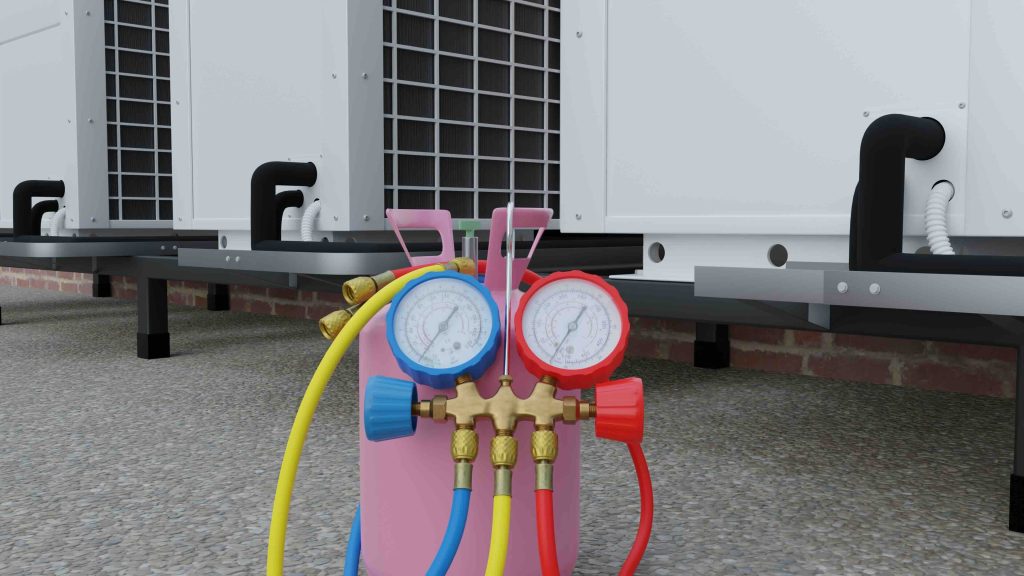
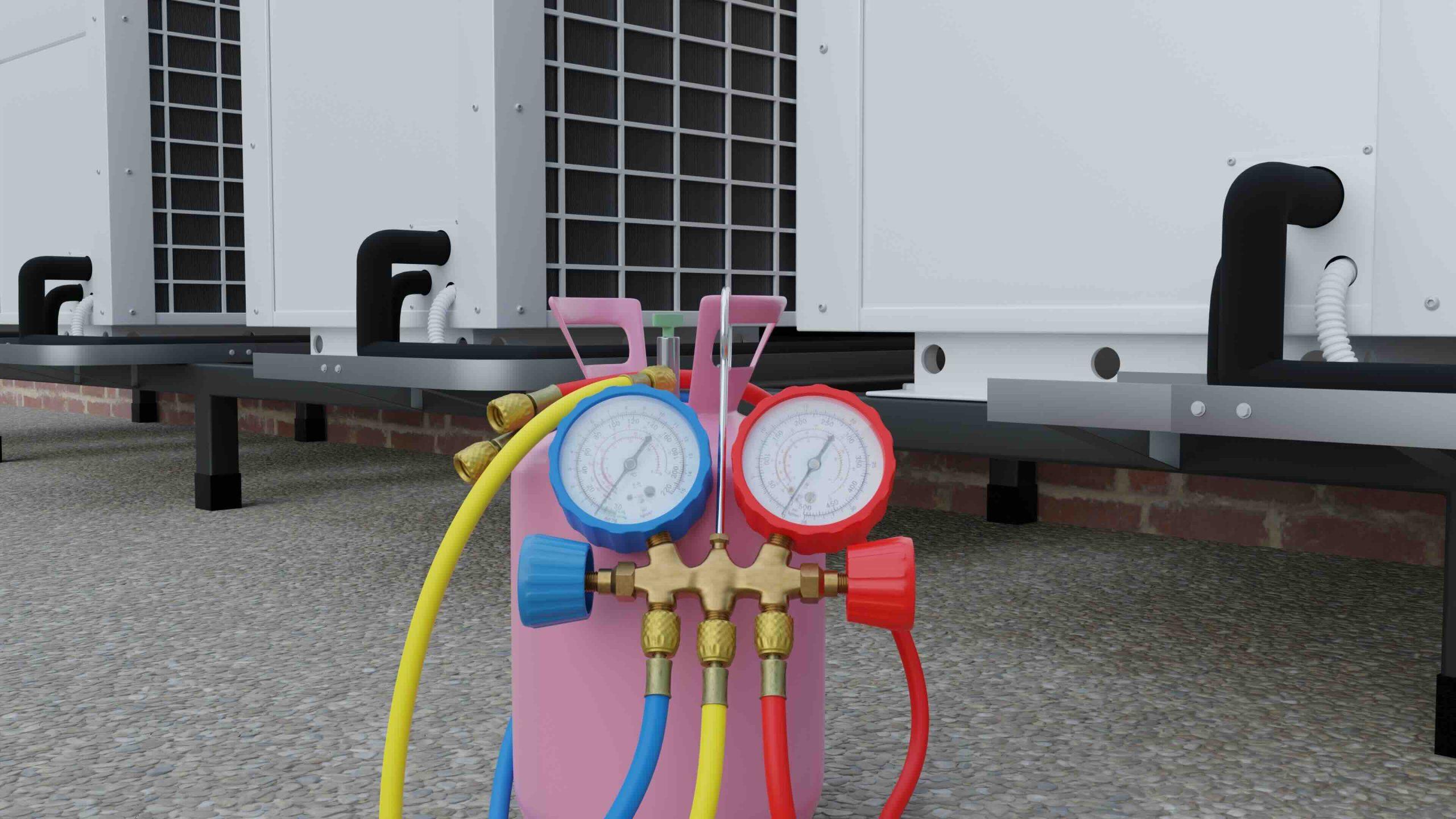
Can You Add Freon to a Portable Air Conditioner? What Homeowners Need to Know
It happens every summer. Your portable air conditioner starts blowing warm air, the room stays stuffy no matter how long the unit runs, and someone on the internet says the fix is simple: just add more Freon. But is that actually true? And more importantly, is it even possible? The honest answer is a little more complicated than a quick forum post might suggest, and understanding what is really going on inside your unit could save you time, money, and a lot of frustration. This guide walks you through everything you need to know about refrigerant in portable air conditioners, how these systems actually work, and what your options are when cooling performance drops.
How Portable Air Conditioners Actually Work
Before jumping to solutions, it helps to understand the system. A portable air conditioner operates using a refrigerant cycle, which is essentially the same basic process used in central air systems and window units. Warm air from your room is pulled over an evaporator coil containing refrigerant. That refrigerant absorbs the heat, transitions from liquid to gas, gets compressed, releases the heat through a condenser coil, and cycles back again. The refrigerant itself does not get used up in this process. It circulates continuously within a sealed system. That point matters a lot, because it changes the entire conversation around adding refrigerant to a portable unit.
The Truth About Refrigerant in a Sealed System
Portable air conditioners, unlike window or central air systems, are designed as fully sealed units from the factory. There are no service ports, no access valves, and no built-in way to add refrigerant after purchase. If your unit is low on refrigerant, that almost always means there is a leak somewhere in the system. And if there is a leak, simply adding more refrigerant without locating and repairing the source will only result in losing it again. This is why the idea of topping off a portable AC like you would top off a car’s coolant does not quite work the same way. The system is not designed for that kind of field service.
What Is Freon, and Is It Even Used Anymore?
Freon is a brand name that has become a catch-all term for refrigerants used in cooling systems. The most commonly referenced type, R-22, was phased out of production in the United States as of January 2020 due to its environmental impact on the ozone layer. Most modern portable air conditioners manufactured after that transition use refrigerants like R-410A or R-32, which have different chemical compositions and pressure requirements. If someone is advising you to add Freon to your portable unit, it is worth clarifying which refrigerant your specific unit uses, because they are not interchangeable and using the wrong type can damage the compressor or cause safety issues.

Signs Your Portable AC May Have a Refrigerant Problem
Not all performance issues trace back to refrigerant, so it pays to rule out simpler problems first. That said, there are some signals worth paying attention to when refrigerant is the likely culprit.
- The unit runs continuously but fails to cool the room to the set temperature
- Ice or frost forms on the evaporator coil or the air vents
- You notice a hissing or bubbling sound coming from inside the unit
- The air coming out feels only slightly cooler than room temperature
- The unit cycles on and off more frequently than usual without cooling results
If you are seeing one or more of these symptoms consistently, and basic maintenance like cleaning filters and checking exhaust hoses has not helped, a refrigerant issue may be the root cause. At that point, the unit needs professional evaluation, not a DIY fix.
Can a Technician Add Refrigerant to a Portable AC?
Technically, yes, a certified HVAC technician can add refrigerant to a portable air conditioner, but the process is far from straightforward. Because these units are sealed without service ports, the technician would need to cut into the refrigerant lines, install a service port, locate and repair any leak, evacuate the system, and then recharge it with the correct refrigerant type and amount. This is labor-intensive work, and the cost often rivals or exceeds the price of buying a new unit. For most homeowners with a portable AC in the mid-range price bracket, this repair simply does not make economic sense. Higher-end units might be worth pursuing, but it requires an honest cost-benefit conversation.
EPA Regulations and Why This Is Not a DIY Project
Handling refrigerants is regulated by the Environmental Protection Agency under Section 608 of the Clean Air Act. Intentionally venting refrigerants into the atmosphere is illegal, and purchasing certain refrigerants without proper certification is restricted. This means the DIY refrigerant recharge kits you might find online are not a legal or safe option for most refrigerant types used in portable air conditioners. Attempting this without certification and proper equipment can result in fines, personal injury, and voiding of any remaining warranty on the unit. The regulations exist for good reason, and they apply to homeowners just as much as contractors.
Common Maintenance Steps That Actually Help
Before assuming refrigerant is the problem, walk through these practical maintenance steps, because they resolve the majority of portable AC performance issues.
- Clean or replace the air filter every two to four weeks during peak use
- Check and drain the water reservoir if your model requires manual draining
- Inspect the exhaust hose for kinks, gaps, or poor sealing at the window kit
- Ensure the unit is appropriately sized for the square footage of the room
- Keep doors and windows closed while the unit is running
- Clean the condenser coils annually to maintain heat transfer efficiency
These steps cost nothing or very little, and they address the most common reasons a portable AC underperforms. If cooling is still weak after thorough maintenance, then a professional inspection is the appropriate next move.
When Replacement Makes More Sense Than Repair
Portable air conditioners typically have a useful lifespan of eight to ten years with proper care. If your unit is nearing the end of that range, is out of warranty, and is showing signs of refrigerant loss or compressor failure, replacement is usually the smarter investment. Newer models are significantly more energy-efficient, many use environmentally friendlier refrigerants, and features like smart controls and dual-hose designs have improved considerably. The repair versus replace calculation is rarely about emotion. It is about what actually delivers reliable comfort at a reasonable cost over time.
How Armadillo Helps Protect Your Home Cooling Systems
Dealing with a failing portable air conditioner is frustrating enough without also worrying about what else in your home might need attention. That is where having solid home warranty coverage makes a real difference. Armadillo home warranty plans for cooling systems and major appliances are built specifically to reduce the financial unpredictability that comes with homeownership. When something breaks, you should not have to choose between making rent and fixing your AC. Armadillo steps in to help cover repair and replacement costs for covered systems, so you are not scrambling every time something goes wrong. If you want to stop dreading the next breakdown before it happens, take a moment to get a free home warranty quote to cover your air conditioning and home systems today. Coverage is straightforward, pricing is transparent, and the process is designed to feel nothing like the fine-print nightmare you might expect from the warranty industry.

Frequently Asked Questions About Portable AC Refrigerant
Answers to the most common questions homeowners ask about refrigerant, Freon, and portable air conditioner performance.
Can I add Freon to my portable air conditioner myself?
No. Portable air conditioners are sealed units with no service ports, and handling refrigerants without EPA certification is illegal for most refrigerant types. Attempting a DIY recharge is unsafe and can result in fines or equipment damage.
Why is my portable air conditioner not cooling even though it is running?
The most common causes are a dirty air filter, a kinked or improperly sealed exhaust hose, an undersized unit for the room, or a refrigerant leak. Start with filter cleaning and hose inspection before assuming refrigerant is the issue.
How do I know if my portable AC is low on refrigerant?
Signs include the unit running constantly without reaching the set temperature, ice forming on the coils or vents, a hissing noise from inside the unit, and air output that feels only slightly cooler than the ambient room temperature.
Is Freon the same as R-410A or R-32?
No. Freon is a brand name historically associated with R-22, which has been phased out in the US. Most modern portable air conditioners use R-410A or R-32, which are different refrigerants with different properties and are not interchangeable with R-22.
How much does it cost to recharge refrigerant in a portable air conditioner?
Because portable units lack service ports, a technician must cut into the refrigerant lines, install access valves, repair any leak, and recharge the system. The total cost often ranges from several hundred dollars, which frequently exceeds the value of the unit itself.
Is it worth repairing a portable air conditioner with a refrigerant leak?
In most cases, no. Unless the unit is high-end or relatively new, the cost of professional repair typically approaches or exceeds the cost of a replacement unit. Consult a technician for an honest assessment before committing to repair costs.
Does a portable air conditioner use up refrigerant over time?
No. Refrigerant circulates in a closed loop and is not consumed during normal operation. If refrigerant levels are low, there is a leak in the system. The refrigerant does not deplete on its own through regular use.
What type of refrigerant does my portable air conditioner use?
The refrigerant type is listed on the manufacturer label, usually found on the back or bottom of the unit. Common types in modern portable ACs include R-410A and R-32. Check your owner’s manual or the unit label for the exact specification.
Will a home warranty cover a portable air conditioner?
Coverage depends on the specific home warranty provider and plan. Some plans cover portable cooling units while others focus on central air systems. Review the terms of your plan carefully or speak with your provider to confirm what is included.
How long do portable air conditioners typically last?
With proper maintenance, a portable air conditioner can last between eight and ten years. Units that are regularly cleaned, properly sized for the space, and stored correctly during the off-season tend to reach the higher end of that range.