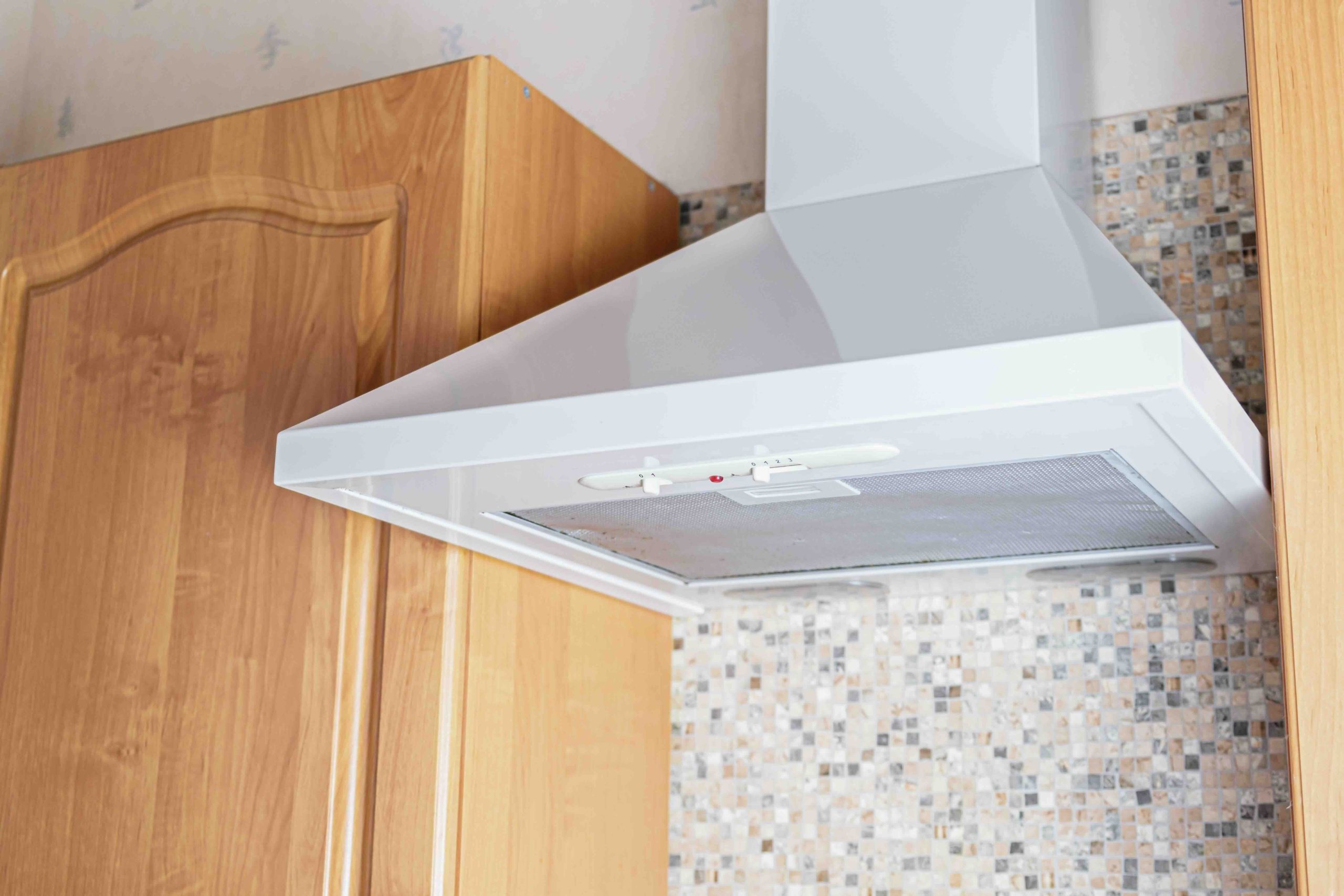
What Is a Ceiling Stove Exhaust System and Why Does It Matter?
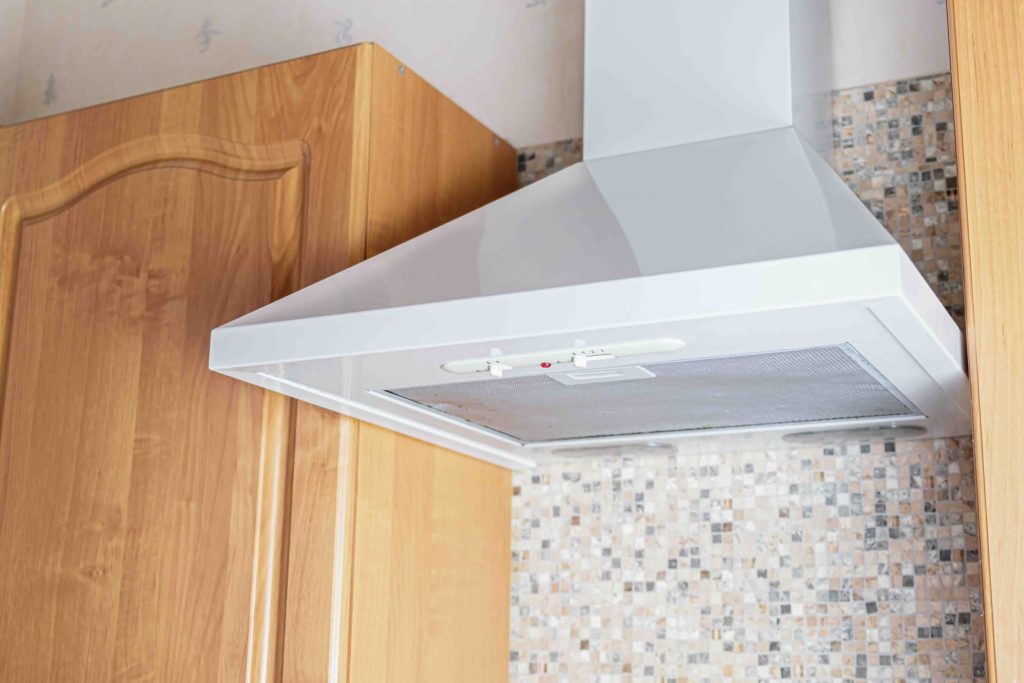
If you have ever stood over a sizzling pan and watched smoke curl toward the ceiling, you already understand the basic problem a ceiling stove exhaust system is designed to solve. These systems, sometimes called ceiling-mounted range hoods or island vent hoods, are ventilation units installed directly into the ceiling above a cooking surface rather than mounted to a wall or cabinet. They pull smoke, steam, grease particles, and cooking odors upward and out of the living space, either venting them outside the home or filtering and recirculating the air back into the kitchen. For homeowners with kitchen islands, open floor plans, or architectural constraints that prevent wall installation, a ceiling stove exhaust is often the most practical and visually striking solution available.
How a Ceiling Stove Exhaust System Actually Works
The mechanics are more straightforward than the installation. A motorized fan unit sits inside a housing mounted to the ceiling, positioned directly above the cooktop. When activated, the fan draws air upward through a filter system. In ducted models, that air travels through ductwork routed through the ceiling and attic space before exiting the home through an exterior vent. In ductless or recirculating models, the air passes through charcoal and grease filters before being pushed back into the room. The key performance metric to understand here is CFM, or cubic feet per minute, which measures how much air the fan can move. For most residential kitchens, a range of 400 to 600 CFM is considered adequate, though high-output gas ranges may benefit from 900 CFM or more. The positioning of a ceiling exhaust is critical because it must capture rising air efficiently without the assistance of surrounding cabinetry to help direct the airflow.
The Key Advantages of Going with a Ceiling-Mounted Exhaust
There are genuinely good reasons why ceiling stove exhaust systems have become a popular feature in modern kitchen design. They are not just a workaround for tricky layouts. They offer real, tangible benefits that wall-mounted or under-cabinet hoods simply cannot match in certain situations.
- Design flexibility: They work above kitchen islands and peninsula setups where no wall exists to support a traditional hood.
- Visual impact: Ceiling-mounted hoods, particularly statement models in stainless steel or custom finishes, serve as focal points in open kitchens.
- Improved air capture: When properly sized and positioned, ceiling exhausts can draw air from all four sides of the cooktop rather than just from the front and sides.
- Better suited for open layouts: In homes where the kitchen flows directly into living or dining areas, a ceiling exhaust helps contain cooking air before it migrates throughout the home.
- Lighting integration: Many ceiling exhaust units include built-in LED task lighting that illuminates the cooking surface below.
Common Drawbacks Homeowners Should Know About
No home system is without its complications, and ceiling stove exhaust installations come with a few worth understanding before committing. The most significant challenge is the ductwork. Routing ducts through the ceiling and attic requires careful planning, proper insulation to prevent condensation buildup, and compliance with local building codes. This makes professional installation essentially non-negotiable, and the costs reflect that. Installation expenses for ceiling-mounted systems routinely run higher than wall-mounted alternatives, sometimes significantly so depending on the complexity of the duct path. Noise is another consideration. Because these units must work harder to capture rising air without the directional assistance of surrounding walls, they often require higher fan speeds, which can translate to more noise during cooking. Maintenance is also slightly more involved since filters are overhead and may require a step stool or ladder to access comfortably.
Ducted vs. Ductless Ceiling Exhaust: Which One Is Right for You
This is a question that comes up almost every time someone starts researching ceiling ventilation, and the answer depends almost entirely on your home’s existing structure and your renovation budget. Ducted systems are almost universally preferred by ventilation professionals because they physically remove contaminated air from the home rather than filtering and recirculating it. The difference in performance, particularly for households that cook frequently or use high-heat methods like searing and stir-frying, is noticeable. However, ducted installation requires access to an exterior wall or roof for the exhaust terminus, and that path must be as short and straight as possible to maintain efficiency. Ductless ceiling exhausts are far easier to install and can work in spaces where ducted routing is impractical, but they require more frequent filter replacement and will not handle heavy grease or moisture as effectively. If your kitchen layout and home structure allow for ducted installation, that route is generally the stronger long-term investment.

Sizing Your Ceiling Exhaust Hood Correctly
Getting the sizing wrong is one of the most common and costly mistakes homeowners make when selecting a ceiling stove exhaust. The hood itself should extend at least three inches beyond each side of the cooktop to capture rising plumes effectively. So if your island cooktop is 36 inches wide, your hood should be no smaller than 42 inches. Mounting height matters just as much. Most manufacturers recommend a ceiling exhaust be positioned between 30 and 36 inches above the cooking surface, though this can vary by model and ceiling height. If the hood is mounted too high, capture efficiency drops significantly. Too low, and it becomes a physical obstacle. For kitchens with very high ceilings, some manufacturers offer extended chimney sections or drop-ceiling mounting kits to bring the unit to an appropriate working height.
Installation Considerations and What to Expect from the Process
A ceiling stove exhaust installation is not a weekend DIY project for most homeowners. Beyond the physical complexity of cutting into a ceiling, running ductwork, and connecting electrical components, there are code requirements and structural considerations that vary by municipality. A licensed contractor will typically assess your ceiling joists to determine the best route for ductwork, evaluate whether your electrical panel can support the unit’s power requirements, and ensure that the exterior exhaust cap is properly sealed and weather-resistant. Expect the full installation process to take anywhere from a few hours for a simpler ductless setup to a full day or more for a complex ducted configuration. Pulling the appropriate permits before work begins is an important step that protects your home value and ensures the work meets safety standards.
Maintenance Tips to Keep Your System Running at Its Best
A ceiling exhaust system that is well maintained performs dramatically better and lasts far longer than one that is neglected. The grease filters, whether metal mesh or baffle style, should be cleaned at least once a month if you cook regularly. Most are dishwasher safe, which simplifies the process considerably. Charcoal filters in ductless models are not washable and need to be replaced every three to six months depending on cooking frequency. The exterior portion of the exhaust, particularly the damper flap and termination cap, should be inspected annually to ensure it opens and closes properly and has not become blocked by debris or pests seeking shelter. The fan motor and internal components generally require little attention, but if you notice a drop in suction power or unusual noise, that is worth investigating sooner rather than later.
How Ceiling Exhaust Systems Relate to Your Home Warranty Coverage
This is where things get practical in a way that directly affects your wallet. When a ceiling stove exhaust fan motor fails, a control board shorts out, or internal wiring stops functioning, repair or replacement costs can be substantial. Parts alone for a quality ceiling hood can run into the hundreds of dollars, and labor for overhead electrical work adds to that quickly. This is exactly the kind of unexpected, inconvenient repair that a home warranty is designed to address. Homeowners who carry a plan that includes kitchen appliances and built-in systems are far better positioned to handle these failures without absorbing the full financial hit out of pocket. Understanding what your plan covers, and specifically whether it includes ventilation systems like ceiling exhausts, is a conversation worth having before something stops working.
Why Armadillo Is Worth Considering for Home Warranty Protection on Your Kitchen Systems
When a ceiling exhaust system fails, the last thing you want to be doing is scrambling to find a technician while also figuring out how to cover an unexpected repair bill. That kind of stress is exactly what a good home warranty plan is designed to eliminate. Armadillo home warranty plans for kitchen ventilation and appliance coverage are built with real homeowner needs in mind, offering straightforward coverage that does not leave you guessing about what is and is not included. The process is clear, the response is fast, and the focus is on getting your home back to functioning the way it should. If your ceiling exhaust system is a meaningful part of your daily cooking routine, protecting it with a reliable warranty plan is a reasonable and smart decision. Take a few minutes to get a customized home warranty quote that covers your kitchen exhaust and ventilation systems and see exactly what protection looks like for your specific home setup.

Frequently Asked Questions About Ceiling Stove Exhaust Systems
Answers to the questions homeowners ask most often about ceiling-mounted kitchen ventilation.
What is the difference between a ceiling stove exhaust and a standard range hood?
A standard range hood mounts to a wall or beneath a cabinet directly behind the cooking surface, while a ceiling stove exhaust hangs from the ceiling above the cooktop. Ceiling models are designed for island or freestanding cooktop configurations where no wall support is available.
Do ceiling exhaust hoods require professional installation?
Yes, in nearly all cases. Ceiling installations involve ceiling joist assessment, ductwork routing through the ceiling cavity, and electrical work, all of which should be handled by a licensed contractor to meet code requirements and ensure safe operation.
How much CFM do I need for my ceiling exhaust hood?
A general guideline is 100 CFM per 10,000 BTUs of cooking power for gas ranges, or 1 CFM per square foot of kitchen space for electric cooktops. Most residential kitchens fall comfortably in the 400 to 600 CFM range, though high-output ranges may require more.
Are ductless ceiling exhaust hoods effective?
They are effective at reducing odors and light smoke, but they do not physically remove air from the home. Ducted systems outperform ductless models for grease capture and moisture control, particularly in households with frequent or high-heat cooking habits.
How often should I clean the filters in my ceiling exhaust system?
Metal mesh and baffle grease filters should be cleaned monthly if you cook regularly. Charcoal filters in ductless models need replacement every three to six months and cannot be washed and reused.
Can a ceiling stove exhaust be installed in a home with low ceilings?
It depends on the specific ceiling height, but most units require a minimum of 30 inches of clearance between the cooking surface and the bottom of the hood. Kitchens with very low ceilings may struggle to accommodate standard ceiling exhaust models.
What causes a ceiling exhaust fan to stop working?
Common causes include motor failure, faulty wiring or control boards, clogged or damaged filters restricting airflow, and failed capacitors. In some cases, a tripped circuit breaker or a loose electrical connection is the culprit and the fix is straightforward.
Does a home warranty cover ceiling stove exhaust systems?
Coverage varies by plan and provider. Many home warranty plans that include kitchen appliances will cover the mechanical components of a built-in ventilation system, including the fan motor and electrical components. Reviewing your specific plan terms is the best way to confirm what is included.
How long does a ceiling stove exhaust system typically last?
With regular maintenance and proper use, a quality ceiling exhaust system should last between 10 and 15 years. Fan motors and filters are the components most likely to need attention or replacement before the unit itself reaches end of life.
Is it worth upgrading from a wall-mounted hood to a ceiling exhaust system?
If you are reconfiguring your kitchen layout to incorporate an island cooktop, or if your current wall-mounted hood is undersized or aging, upgrading to a ceiling exhaust is often worth the investment. The combination of design flexibility and performance makes it a compelling option for modern kitchen renovations.