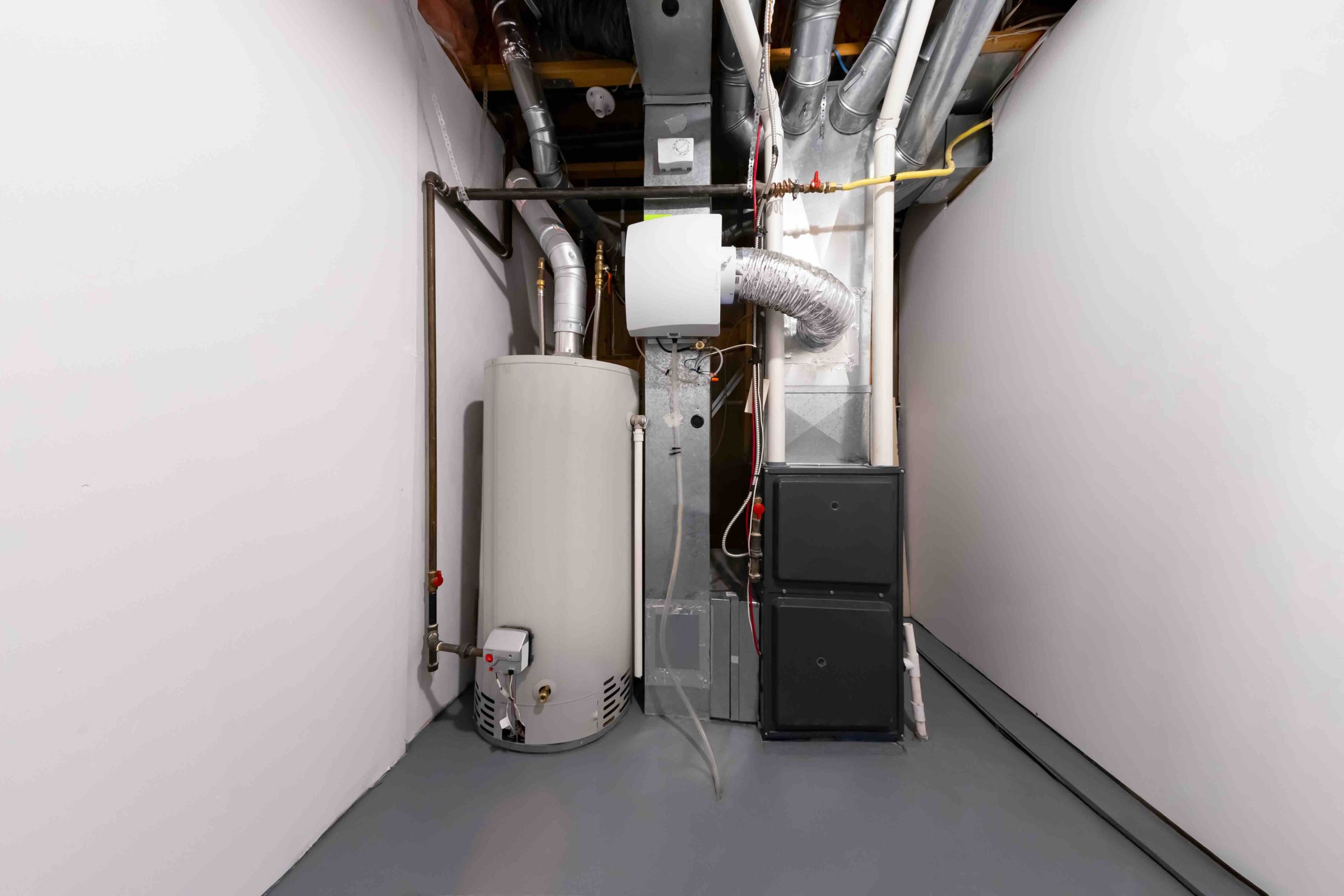
Why Your Water Heater Keeps Tripping the Circuit Breaker
You go to take a shower, and the water is cold. You check the water heater, and sure enough, the circuit breaker has tripped again. This is one of those home problems that feels minor until it keeps happening, and then it starts to feel like something bigger is going on. The truth is, a water heater that repeatedly trips a breaker is your home trying to tell you something. And the sooner you understand what that message is, the sooner you can actually do something about it.
How an Electric Water Heater Actually Works
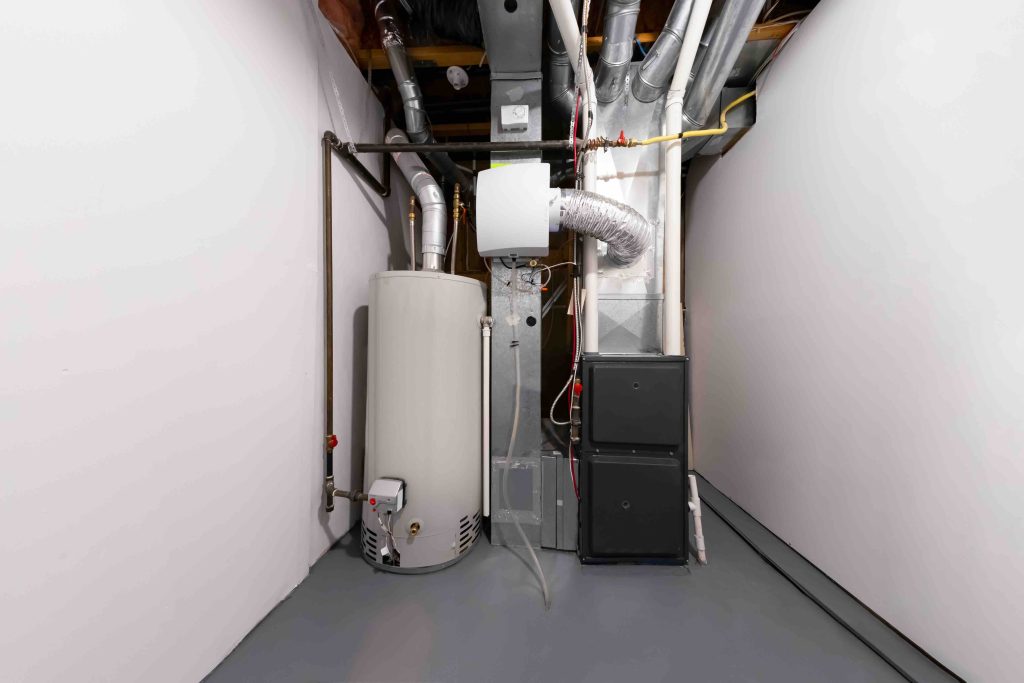
Before diving into the tripping issue, it helps to have a basic picture of what your water heater is doing behind the scenes. An electric water heater uses one or two heating elements submerged inside the tank to heat the water. A thermostat monitors the temperature and signals those elements to switch on or off depending on what the water needs. All of that draws electricity, which is why your water heater is wired to its own dedicated circuit. That dedicated circuit exists specifically because the appliance pulls a significant electrical load, and it needs a stable, protected power supply to do that safely.
What It Means When the Breaker Keeps Tripping
A circuit breaker is a safety device. Its entire job is to cut power before something dangerous happens. When your water heater keeps tripping the breaker, the breaker is doing exactly what it was designed to do. The problem is not the breaker itself in most cases. The problem is whatever the breaker is responding to. Repeated tripping is a signal that something downstream is drawing more power than the circuit can safely handle, or that an electrical fault is occurring somewhere in the system. Ignoring this pattern is not a great idea.
The Most Common Reasons a Water Heater Trips the Breaker
There are several well-documented causes behind this issue, and some are more serious than others. Understanding the range of possibilities gives you a better starting point before calling in a technician.
- A faulty heating element that is shorting out and drawing excessive current
- A failed or failing thermostat that is not regulating temperature correctly, causing the element to run continuously
- A loose or deteriorated wiring connection inside the unit or at the breaker panel
- A bad reset button on the high-limit switch that keeps triggering unnecessarily
- A weakened circuit breaker that trips too easily and simply needs to be replaced
- Water leaking into electrical components, which is a serious safety concern
What Grounding Has to Do With It
Grounding is one of those electrical concepts that gets mentioned a lot but rarely explained well. In simple terms, grounding gives electricity a safe path to follow in the event of a fault. Your water heater is grounded through its wiring to prevent the tank or any metal components from becoming energized. If that ground connection is compromised or missing, a fault in the heating element or wiring can cause the breaker to trip repeatedly as the system tries to protect itself. In some cases, improper grounding can create a situation where the appliance seems to work intermittently but keeps shutting off without a clear reason. A licensed electrician can test ground continuity and confirm whether this is contributing to the problem.
The High-Limit Switch and What It Does
Most electric water heaters include a high-limit switch, sometimes called the thermal cutoff or reset button. This component monitors water temperature inside the tank and is programmed to cut power if the temperature gets dangerously high. It is a backup safety feature, and when it triggers, you will typically find a small red button on the upper thermostat panel that needs to be manually reset. If that button keeps tripping, it is not something to reset over and over without investigation. It is tripping because something is causing the water to overheat, which points back to a thermostat or heating element problem that needs to be diagnosed properly.
When to Call a Professional Versus When to Wait
Some homeowners reset the breaker and move on, hoping the problem resolves itself. That approach works exactly zero percent of the time for recurring issues. There are specific situations where you should call a licensed plumber or electrician without delay. If you smell burning near the water heater or the panel, stop using the appliance immediately. If the breaker trips the first time you restore power after a reset, that is an active fault and not a coincidence. If you notice discoloration around wiring, corrosion on the panel, or evidence of moisture near electrical components, those are all reasons to get a professional involved quickly. Routine tripping that happens gradually over time can still wait a day or two to schedule a visit, but it should not be pushed off indefinitely.
How Age and Wear Factor Into the Problem
Water heaters have a typical lifespan of eight to twelve years for tank-style electric units. As they age, heating elements corrode, sediment builds up in the tank, thermostats lose accuracy, and wiring connections loosen over time due to repeated thermal expansion and contraction. A water heater that is eight years or older and starts tripping breakers is often showing early signs of overall decline rather than one isolated failure. Repairing individual components is still a reasonable option depending on cost, but it is worth having a technician give you an honest assessment of whether repairs make financial sense relative to the remaining useful life of the unit.
Practical Steps Homeowners Can Take Before the Technician Arrives
There are a few safe, practical things you can do without touching electrical components yourself. Start by resetting the circuit breaker once and observing what happens. If it holds, note whether the water heats normally or remains lukewarm, which can indicate a specific element problem. Check around the base of the water heater for any signs of water pooling, which might suggest a leak affecting electrical components. Review when the unit was last serviced, since flushing sediment and testing thermostats annually can prevent some of these issues from developing. Do not attempt to open the access panels and test electrical components unless you are trained to do so safely. The risk is not worth the information you might gather.
Why Home Warranty Coverage for Your Water Heater Matters
When your water heater starts tripping breakers and the diagnosis comes back as a failed heating element or a faulty thermostat, repair costs can range from a few hundred dollars to over a thousand depending on the unit and what needs to be addressed. If the unit needs full replacement, that cost climbs significantly higher. This is exactly the kind of unexpected expense that a home warranty is designed to absorb. Armadillo home warranty plans that cover electric water heater repairs and replacements can keep a frustrating appliance failure from turning into a financial disruption. Armadillo keeps the process simple, connects you with qualified service professionals, and handles covered repairs without putting the burden back on you to figure out next steps. If you are ready to stop wondering what a breakdown might cost you, now is a good time to get a personalized water heater warranty quote and protect your home today. Coverage that actually works when something goes wrong is the kind of peace of mind that is hard to put a price on, and with Armadillo, you do not have to.

Frequently Asked Questions About Water Heaters Tripping Breakers
These are the questions homeowners ask most often when dealing with a water heater that keeps tripping the circuit breaker. The answers here are meant to give you clear, direct information you can actually use.
Why does my water heater keep tripping the circuit breaker?
The most common causes are a faulty heating element, a failed thermostat, a bad high-limit switch, loose wiring, or a weakened circuit breaker. Repeated tripping means an underlying issue needs to be diagnosed, not just reset.
Is it safe to reset the breaker and keep using the water heater?
Resetting it once to observe the behavior is reasonable. Repeatedly resetting without addressing the root cause is not safe, as it can mask a serious electrical fault or fire risk.
What does a bad heating element do to a water heater?
A failing heating element can short circuit, drawing more current than the circuit breaker allows and causing it to trip. It can also cause the water to heat unevenly or not at all.
Can a water heater trip a breaker because of sediment buildup?
Yes, indirectly. Sediment buildup at the bottom of the tank forces heating elements to work harder and longer, which can overheat the thermostat and trigger the high-limit switch, which then cuts power.
What is the high-limit switch and why does it keep tripping?
The high-limit switch is a safety device that shuts off power when water temperature exceeds a safe threshold. If it keeps tripping, the thermostat is likely not regulating temperature correctly and is allowing the water to overheat.
How do I know if my water heater is grounded correctly?
A licensed electrician can test ground continuity using a multimeter. If the ground connection is missing or compromised, it can contribute to electrical faults that cause the breaker to trip repeatedly.
How much does it cost to repair a water heater that keeps tripping the breaker?
Costs vary depending on the component. A heating element replacement typically runs between one hundred and three hundred dollars. Thermostat replacements are often in a similar range. Full unit replacement can run anywhere from eight hundred to over two thousand dollars installed.
Does a home warranty cover a water heater that trips the breaker?
Most home warranty plans that include water heater coverage will cover mechanical failures like bad heating elements and thermostats. Coverage specifics vary by plan, so reviewing what is included before a claim is always the right move.
How long should an electric water heater last before problems like this occur?
Most electric tank water heaters have a useful lifespan of eight to twelve years. Electrical and mechanical problems become more common as the unit approaches or exceeds that range.
Should I repair or replace a water heater that keeps tripping the breaker?
If the unit is under eight years old and the repair cost is reasonable, fixing it usually makes sense. If the unit is older and experiencing multiple issues, replacement is often the more cost-effective long-term decision.