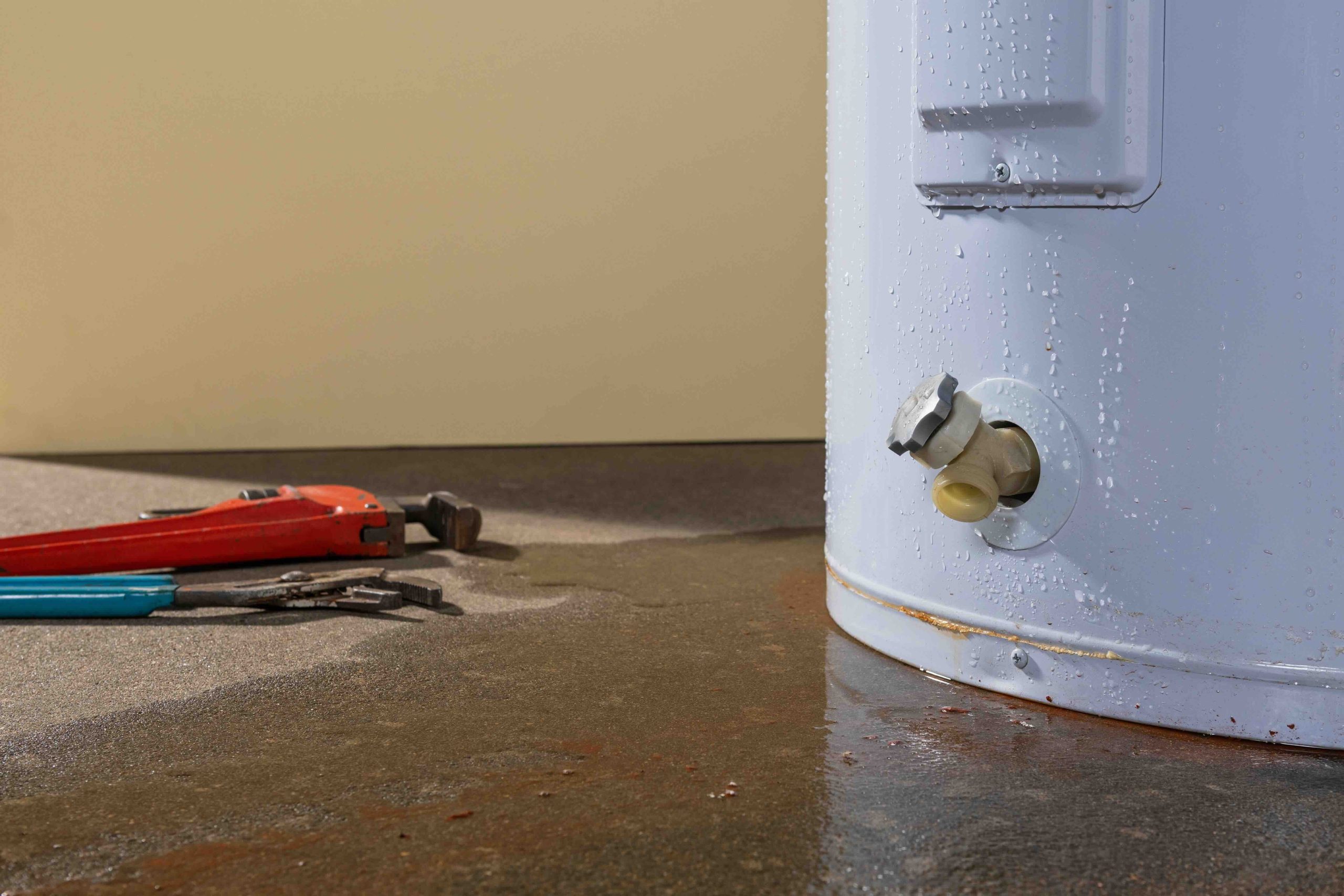
When Your Water Heater Stops Filling Up: What Homeowners Need to Know
You turn on the hot water tap, wait a few seconds, and nothing happens. Not warm. Not even lukewarm. Just cold water running through while you mentally brace for a cold shower. If your water heater is not filling up with water, that single problem can cascade into a surprisingly disruptive situation for your entire household. Before you call the first plumber you find online or start pricing out replacement units, it helps to understand exactly what is going on, why it happens, and what your options actually look like. This guide walks you through all of it in plain language, without the jargon overload.
How a Water Heater Actually Works
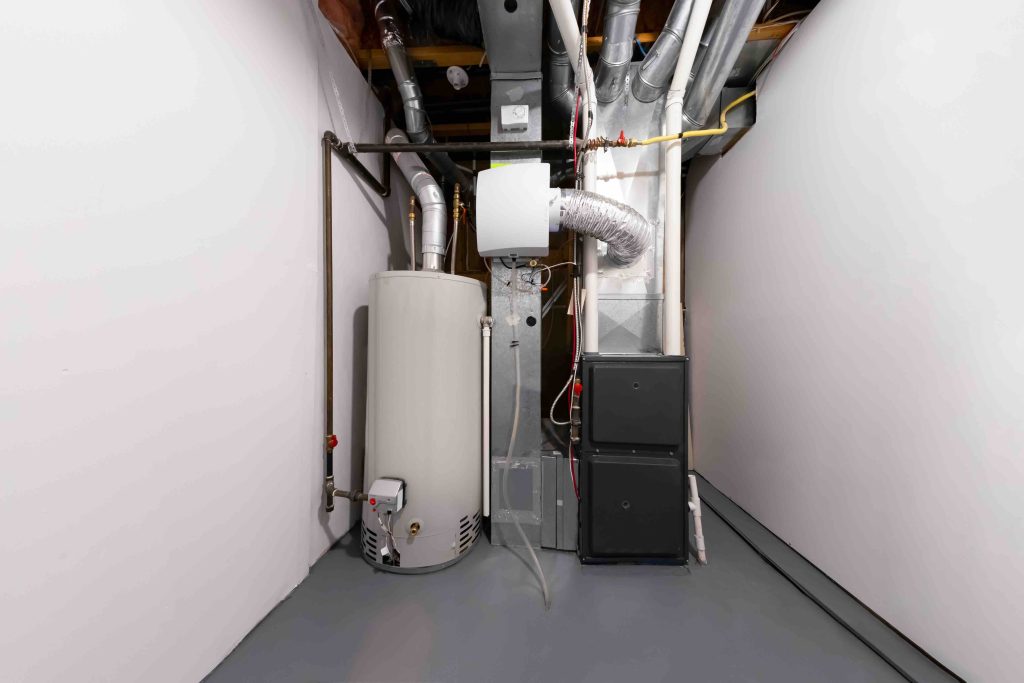
Most homes use a traditional tank-style water heater, which is essentially a large insulated tank that stores a set volume of water, typically between 30 and 80 gallons, and keeps it heated to a set temperature until you need it. Cold water enters through an inlet pipe at the bottom or top of the tank, gets heated by either a gas burner or electric heating elements, and exits through the hot water outlet whenever you open a faucet or run an appliance. There is also a pressure relief valve, a thermostat, and in gas models, a thermocouple and pilot light involved. When any one of those components fails, the whole system can stall. A water heater not filling up is one of the more common complaints homeowners deal with, and the fix can range from a simple valve adjustment to a full unit replacement.
Common Reasons a Water Heater Stops Filling With Water
There is not just one reason this happens, and narrowing it down usually requires a quick inspection of several components. Some causes are easy to identify on your own, while others genuinely need a licensed technician to diagnose safely. Here are the most frequent culprits:
- A closed or partially closed cold water supply valve, which controls the flow of water into the tank
- A faulty or stuck fill valve that prevents water from entering even when supply pressure is adequate
- Sediment buildup inside the tank that has accumulated to the point of interfering with water flow and sensor accuracy
- A damaged or failed dip tube, which is the plastic tube that directs cold incoming water to the bottom of the tank
- A malfunctioning pressure relief valve that is releasing water before the tank can fill properly
- Low water pressure from the municipal supply or a home-side pressure regulator issue
How to Check the Basics Before Calling a Technician
Before anything else, locate the cold water supply valve connected to your water heater. It is typically found directly above or beside the unit. If it has been accidentally turned to the closed position, that is your answer right there. Open it fully and give the tank time to fill, usually around 30 to 40 minutes depending on tank size. Also check for any active water shutoffs in other parts of your home that might be reducing pressure to the heater. If the valve is fully open and the tank still is not filling, that is when you start looking at the mechanical components. At that stage, it is worth calling a professional rather than attempting to disassemble pressure-sensitive parts without the right experience or tools.

The Sediment Problem: Invisible and Surprisingly Destructive
Sediment buildup is one of those things that happens slowly enough that most homeowners never notice it until the damage is already done. Hard water deposits, primarily calcium and magnesium minerals, settle at the bottom of the tank over time. Eventually that layer gets thick enough to insulate the heating element from the water, force the unit to work harder than it should, and in some cases physically restrict water flow into the tank. Flushing the tank once a year is the standard maintenance recommendation, and it genuinely extends the life of the unit. If you have never flushed your water heater and it is several years old, sediment is almost certainly part of whatever problem you are experiencing right now.
When the Dip Tube Fails
The dip tube is a component that does not get discussed much, but it plays a surprisingly important role. This plastic tube runs from the cold water inlet down to the bottom of the tank, ensuring that incoming cold water is pushed to the lower portion of the tank where it gets heated first. When a dip tube cracks, breaks, or degrades, cold water mixes directly with hot water near the top of the tank. The result is lukewarm water at best, and in some cases, the unit behaves as though it is not filling correctly because the heating cycle never completes as designed. Replacing a dip tube is a relatively affordable repair, but it does require draining the tank and accessing the inlet connection, so it is a job best handled by a professional.
Pressure Relief Valve Issues and What They Signal
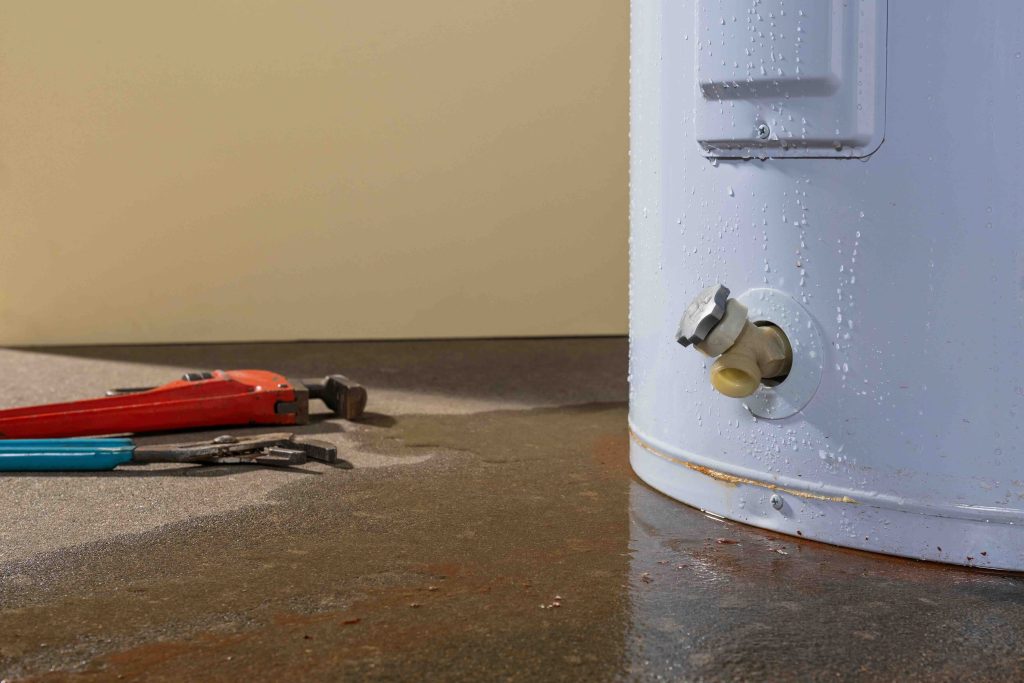
The temperature and pressure relief valve, often abbreviated as the T and P valve, is a critical safety mechanism. It is designed to release water and pressure if the tank overheats or pressure builds beyond safe levels. If this valve is faulty or has been triggered repeatedly, it can cause unexpected water loss that makes it appear as though the tank is not filling properly. You might notice a small discharge pipe near the bottom of the unit dripping constantly, which is often a sign the valve is not seating correctly. This is not something to ignore. A failing pressure relief valve is both a functional problem and a safety concern, and it should be addressed promptly by a qualified technician.
Repair vs. Replace: How to Make the Right Call
The average lifespan of a traditional tank water heater is 8 to 12 years. If your unit is within that range or approaching the upper end of it, the cost-benefit math on major repairs starts to shift. A repair that costs several hundred dollars on a unit that is already 10 years old may only delay an inevitable replacement by a year or two. On the other hand, if your water heater is relatively new and the issue is a single failed component like a dip tube or a stuck valve, repair almost always makes more financial sense than replacement. Get a written estimate before authorizing any work, and ask your technician to assess the overall condition of the unit at the same time.
What a Home Warranty Covers When Your Water Heater Fails
This is where a home warranty becomes genuinely useful. Many homeowners do not realize that a quality home warranty plan can cover water heater repairs and, in many cases, full replacements when the unit fails due to normal wear and tear. That includes mechanical failures like a broken dip tube, a faulty thermostat, or a failed heating element, which are the kinds of issues that often cause a water heater to stop filling or heating correctly. It is worth noting that home warranties typically do not cover issues caused by lack of maintenance, pre-existing conditions, or improper installation. Reading the coverage details carefully before you need them is always the smarter move.
Why Armadillo Should Be Your First Call for Water Heater Protection
When a water heater fails, the timing is never convenient and the costs add up faster than expected. Having a home warranty in place before something breaks is exactly the kind of preparation that turns a stressful situation into a manageable service call. Armadillo is built around transparent coverage, straightforward claims, and support that actually shows up when you need it. If protecting your water heater and the other major systems in your home sounds like a reasonable priority, explore Armadillo’s home warranty plans for water heater and appliance coverage to see what fits your home. And if you are ready to stop guessing what a plan might cost, you can get a free home warranty quote for water heater protection in seconds with no commitment required. This is the kind of coverage that pays for itself the first time you need it.

Frequently Asked Questions About Water Heaters Not Filling Up
These are the questions homeowners ask most often when their water heater stops filling with water, along with direct, practical answers to help you move forward with confidence.
Why is my water heater not filling up with water?
The most common reasons include a closed or partially closed cold water supply valve, a faulty fill valve, low incoming water pressure, a broken dip tube, or significant sediment buildup inside the tank restricting water flow and function.
How long does it take for a water heater tank to fill up?
A standard tank water heater typically takes between 30 and 40 minutes to fill completely from empty, depending on tank size and incoming water pressure. Smaller tanks may fill faster, while larger units can take longer.
Can sediment buildup prevent a water heater from filling properly?
Yes. Heavy sediment accumulation at the bottom of the tank can interfere with sensors, restrict water movement, and reduce heating efficiency to the point where the unit behaves as though it is not filling or heating correctly.
What is a dip tube and how does it affect water heater performance?
A dip tube is a plastic tube inside the tank that directs incoming cold water to the bottom of the unit. When it breaks or degrades, cold and hot water mix near the top of the tank, resulting in lukewarm output and inconsistent heating cycles.
Is a water heater not filling up covered by a home warranty?
In many cases, yes. Most home warranty plans cover mechanical failures related to water heater components such as heating elements, thermostats, and internal valves. Coverage varies by plan, so reviewing your contract details is essential.
Should I repair or replace my water heater if it stops filling?
If the unit is under 8 years old and the issue is an isolated component failure, repair is typically the better financial decision. If the unit is older than 10 years or requires multiple repairs, replacement is usually the more cost-effective long-term choice.
What is the pressure relief valve and why does it matter?
The temperature and pressure relief valve is a safety device that releases water and pressure when levels inside the tank exceed safe thresholds. A malfunctioning valve can cause continuous water loss, making the tank appear unable to fill, and poses a legitimate safety risk if left unaddressed.
How often should I flush my water heater to prevent filling problems?
Most manufacturers and plumbing professionals recommend flushing your water heater tank once per year. Regular flushing removes sediment buildup, extends the life of the unit, and helps maintain consistent water flow and heating performance.
Can low water pressure cause a water heater to not fill up?
Yes. Insufficient incoming water pressure from the municipal supply or a malfunctioning home pressure regulator can significantly slow or prevent tank filling. If you notice low pressure throughout your home, the issue may be upstream from the water heater itself.
How do I know if my water heater needs professional service?
If the supply valve is fully open and the tank still is not filling, or if you notice discolored water, unusual noises, visible leaks, or the pressure relief valve is actively dripping, those are clear signals to contact a licensed technician rather than attempt further DIY troubleshooting.