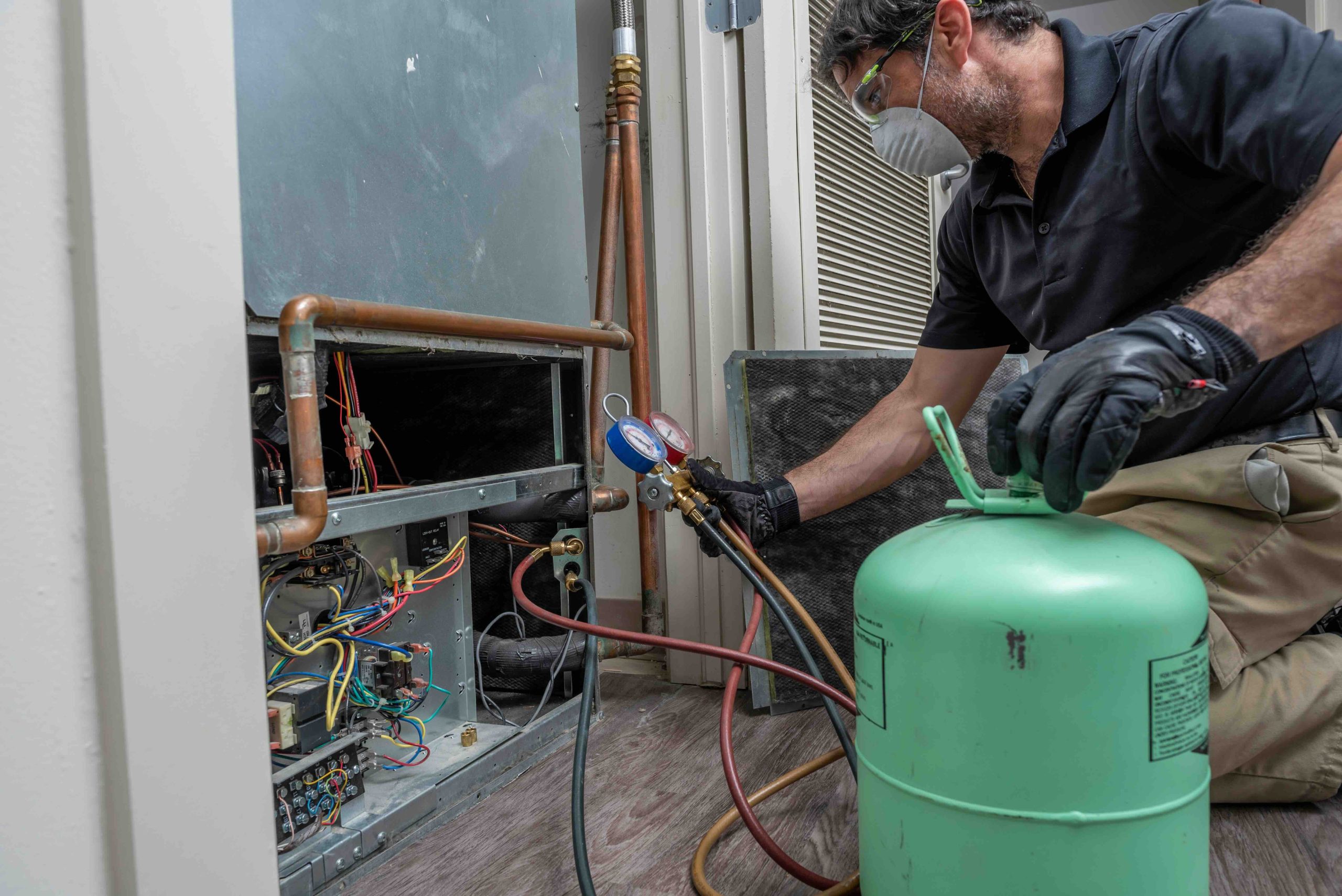
What Does It Actually Cost to Charge Your AC at Home?
If you have ever walked over to your thermostat mid-July, cranked it down to 72, and then quietly panicked when your electric bill arrived, you are not alone. Running central air conditioning is one of the biggest energy expenses a homeowner faces, and understanding what drives those costs is genuinely useful information. This is not just about saving money, though that is obviously a nice outcome. It is about knowing your system, knowing your home, and making smarter decisions throughout the year. So let us get into it.
How Air Conditioning Actually Works in Your Home
Before getting into cost specifics, it helps to understand the basics of how an AC system operates. Your central air conditioner works by pulling warm air from inside your home, running it over a set of refrigerant-filled coils that absorb the heat, and then pushing cooled air back through your ductwork. The refrigerant cycles between your indoor air handler and your outdoor condenser unit continuously. That outdoor unit is the one doing the heavy lifting energetically speaking, which is why it draws so much electricity. The system does not generate cold air exactly; it moves heat out of your home, which is a subtle but important distinction.
What Determines How Much It Costs to Run Your AC
There is no single flat number here, and that can be a little frustrating when you just want a straight answer. The cost of running your air conditioner depends on several converging factors that vary by household. The biggest variables include the size of your unit measured in tons or BTUs, the age and efficiency rating of the system, your local electricity rate, how often the unit cycles on, the square footage of your home, and how well your home is insulated. A 2,000 square foot home in Phoenix is going to tell a very different story than the same size home in Minneapolis.
Breaking Down the Average Monthly and Annual AC Costs
On average, homeowners in the United States spend between $75 and $200 per month running central air conditioning during peak cooling months. Annually, that figure tends to land somewhere between $300 and $1,200 depending on climate zone and usage habits. A standard 3-ton central AC unit with a SEER rating around 14 to 16 running in a moderately hot climate for about eight hours a day will typically consume between 1,200 and 1,800 kilowatt hours per month during the summer. Multiply that by your local electricity rate, which averages around 13 to 16 cents per kilowatt hour nationally, and you get a rough monthly range. That said, rates vary significantly by state, so checking your local utility rate is always worth doing.

The Role of SEER Ratings in Your Energy Bill
SEER stands for Seasonal Energy Efficiency Ratio, and it is essentially a miles-per-gallon figure for your AC unit. The higher the SEER rating, the more efficiently the system converts electricity into cooling. Older units from the early 2000s often have SEER ratings as low as 8 or 10. Modern systems are required to be at least 14 SEER in most of the country, and high-efficiency units can reach 20 SEER or higher. Upgrading from an older 10 SEER unit to a modern 18 SEER system could realistically cut your cooling costs by 40 to 50 percent. That is not a trivial difference over a full summer season.
Smart Thermostat Strategies That Reduce Cooling Costs
One of the easiest ways to manage AC operating costs is through smarter thermostat behavior. A programmable or smart thermostat can make a meaningful dent in your monthly bill without requiring any hardware upgrades to your actual AC system. The Department of Energy estimates that setting your thermostat 7 to 10 degrees higher for eight hours per day when no one is home can reduce annual cooling costs by up to 10 percent. Some practical habits that help include:
- Setting the thermostat to 78 degrees when you are home and higher when you are away
- Using ceiling fans to support the AC rather than replace it, allowing you to set the thermostat a few degrees higher
- Closing blinds or curtains on south and west facing windows during peak afternoon hours
- Scheduling cooling to ramp up just before you arrive home rather than running all day
Maintenance Costs That Affect Overall AC Operating Efficiency
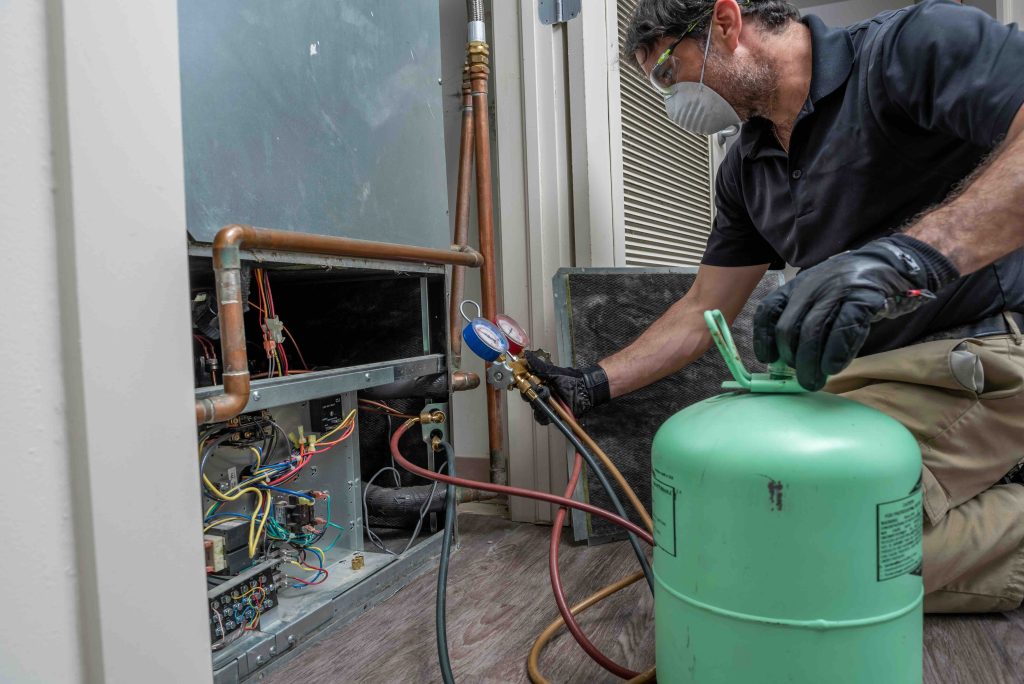
Here is something homeowners sometimes overlook. A poorly maintained AC system does not just break down more often; it also costs more to run day to day. A clogged air filter forces the system to work harder to pull air through, increasing energy consumption. Dirty coils reduce heat transfer efficiency. Low refrigerant levels cause the compressor to strain. Routine maintenance, which typically costs between $75 and $200 per visit depending on your area, keeps all of those components operating at peak efficiency. Skipping a tune-up to save $100 can easily cost you two or three times that in higher electricity bills over a season.
Common AC Cost Drawbacks Homeowners Should Know
Running central air conditioning is not without its frustrations. Beyond the monthly utility impact, there are a few recurring challenges that catch homeowners off guard:
- Older homes with poor insulation or single-pane windows lose conditioned air rapidly, forcing the system to cycle more frequently
- Duct leakage in unconditioned spaces like attics or crawl spaces can waste 20 to 30 percent of cooled air before it reaches living areas
- Oversized AC units cool spaces too quickly without properly dehumidifying, creating clammy indoor conditions and higher wear on components
- Refrigerant leaks, when they develop, are not a DIY fix and require a certified technician, adding unexpected service costs
When AC Repair Costs Become More Than Just Maintenance
There is a point where the cost of maintaining an aging AC system tips over into territory that makes replacement the more sensible financial decision. A common industry benchmark is the 5,000 rule: multiply the age of the unit by the estimated repair cost. If the result exceeds $5,000, replacement is generally the more economical path forward. A 12-year-old unit facing a $500 repair scores a 6,000, which suggests replacement deserves serious consideration. Compressor failures, refrigerant line replacements, and evaporator coil issues are the repair categories most likely to push homeowners toward that decision point.
How a Home Warranty Can Protect You from Unexpected AC Costs
AC systems fail at the worst possible times, usually in peak heat when they are working their hardest. That is exactly the scenario where having a solid home warranty plan becomes genuinely valuable rather than just a theoretical safety net. Armadillo home warranty coverage for air conditioning systems is built to handle the kind of unexpected repair and replacement costs that catch homeowners without a plan completely off guard. Whether it is a failing compressor, a refrigerant issue, or a blower motor that decides to quit in August, having coverage means you are not scrambling to find $1,500 on short notice. If you are thinking about what a plan like that actually looks like for your home, you can get a personalized home warranty quote for AC and HVAC protection in just a few minutes. Armadillo keeps things straightforward, the coverage is transparent, and the process does not require a phone call or a sales pitch to get started.

Frequently Asked Questions About AC Costs for Homeowners
These are some of the questions homeowners ask most often when trying to get a handle on what their air conditioning system actually costs to run and maintain.
How much does it cost per hour to run central air conditioning?
Most central AC units cost between $0.15 and $0.50 per hour to operate depending on the size of the unit, its efficiency rating, and your local electricity rate. A 3-ton unit at average efficiency in a typical climate will land around $0.25 to $0.35 per hour during active cooling cycles.
Does running the AC all day cost more than running it for a few hours?
Generally yes, though a smart thermostat that allows the home to warm slightly while you are away and then pre-cool before your return can offset a meaningful portion of that cost compared to running the system continuously at a fixed setpoint.
What is the most efficient temperature to set my thermostat in summer?
The Department of Energy recommends 78 degrees Fahrenheit when you are home and awake. Every degree lower than that increases cooling costs by approximately 3 percent.
How often does a central AC unit need to be serviced?
Once per year is the standard recommendation, typically in the spring before the cooling season begins. Regular service helps maintain efficiency, extends the life of the system, and catches small issues before they become expensive repairs.
Does a home warranty cover air conditioning systems?
Many home warranty plans do include coverage for central air conditioning components including the compressor, refrigerant lines, and electrical components. Coverage specifics vary by provider and plan tier, so reviewing what is included before purchasing is important.
How long does a central AC unit typically last?
Most central air conditioning systems have a lifespan of 15 to 20 years with proper maintenance. Units in climates that require heavy usage may reach the lower end of that range sooner, while well-maintained systems in moderate climates can push past 20 years.
Is it cheaper to replace an old AC unit or keep repairing it?
When repair costs multiplied by the age of the unit exceed $5,000, replacement is generally the more cost-effective decision. Additionally, a modern high-efficiency unit can reduce monthly operating costs significantly enough to help offset the replacement investment over time.
Can a dirty air filter really affect my electricity bill?
Yes, noticeably so. A clogged filter restricts airflow, forcing the system to run longer cycles to reach the target temperature. Replacing filters every 30 to 90 days depending on your household conditions is one of the simplest and lowest-cost ways to maintain efficiency.
What causes AC electricity bills to spike unexpectedly?
Common causes include refrigerant leaks reducing cooling capacity, a failing capacitor causing the compressor to draw excess power, dirty condenser coils reducing heat exchange efficiency, and duct leaks sending conditioned air into unconditioned spaces before it reaches living areas.
Does home warranty coverage help with AC refrigerant costs?
Some home warranty plans include coverage for refrigerant recharge as part of AC system coverage, though this varies by provider. Refrigerant work must be performed by a certified technician, so having coverage that includes that service call can prevent a significant out-of-pocket expense.