What Is the City Water Shut Off Valve and Why Every Homeowner Should Know Where It Is
There is a small but critically important piece of your home’s plumbing infrastructure that most homeowners never think about until something goes very wrong. The city water shut off valve, sometimes called the main water shut off valve, is the single point of control that stops all water from entering your home. It sounds simple, and honestly, it is. But the number of homeowners who have no idea where theirs is located, or how to operate it, is genuinely surprising. Knowing this valve exists, where to find it, and how it works is one of the most practical things you can do as a homeowner. When a pipe bursts at two in the morning, that knowledge is worth a lot.
How the City Water Shut Off Valve Actually Works
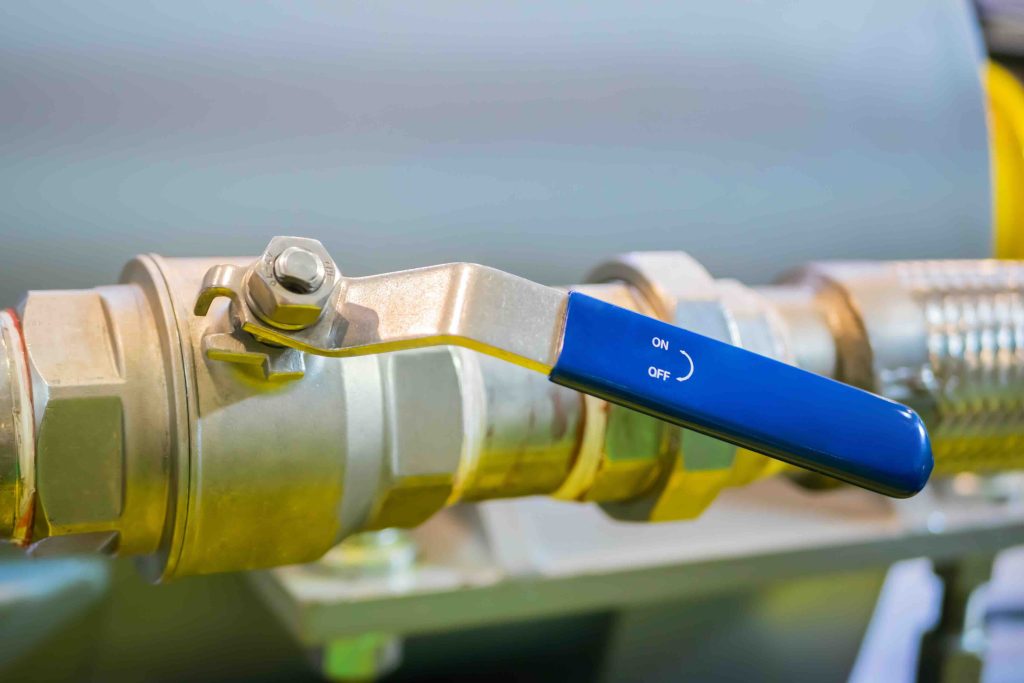
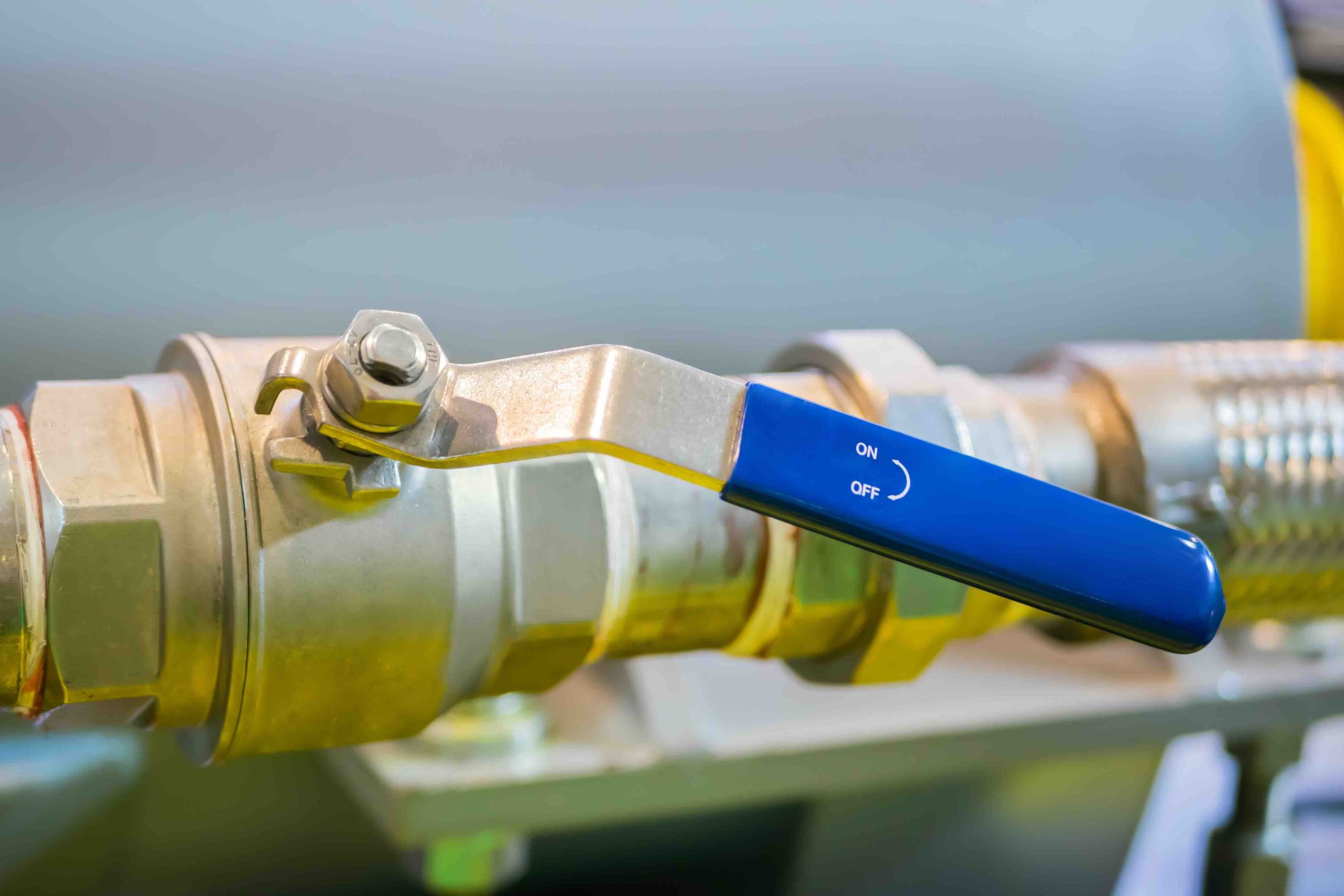
Your home is connected to the municipal water supply through a main water line that runs underground from the street to your house. The city water shut off valve sits along that line and acts as the primary gate controlling water flow into the entire property. Most homes actually have two shut off points: one controlled by the city, typically located near the street inside a covered ground box, and one controlled by you as the homeowner. The homeowner-accessible valve is usually found near the front of the house, often in the basement, crawl space, utility room, or near the water heater. When you turn this valve off, water stops flowing to every faucet, toilet, appliance, and fixture inside the home. There are two common valve types: a gate valve, which you turn clockwise multiple times to close, and a ball valve, which requires only a quarter turn to shut off completely. Ball valves are generally considered more reliable and easier to operate quickly.
Where to Find Your Main Shut Off Valve
Location varies by home age, construction type, and climate. In colder regions, the shut off valve is almost always inside the home to protect it from freezing. In warmer climates, it might be outside near the foundation or in an exterior utility box. Here are the most common locations to check:
- Basement or crawl space, near where the main line enters the foundation wall
- Utility closet or mechanical room, close to the water heater
- Inside a ground-level access panel on an exterior wall
- Garage, near the front wall facing the street
- Underground near the street, inside a covered box marked “water”
If you cannot locate the valve on your own, your home inspection report may document its location. A licensed plumber can also help you identify and label it during a routine visit. Once you find it, label it clearly and make sure every adult in your household knows where it is.
The Key Advantages of Understanding Your City Water Shut Off Valve
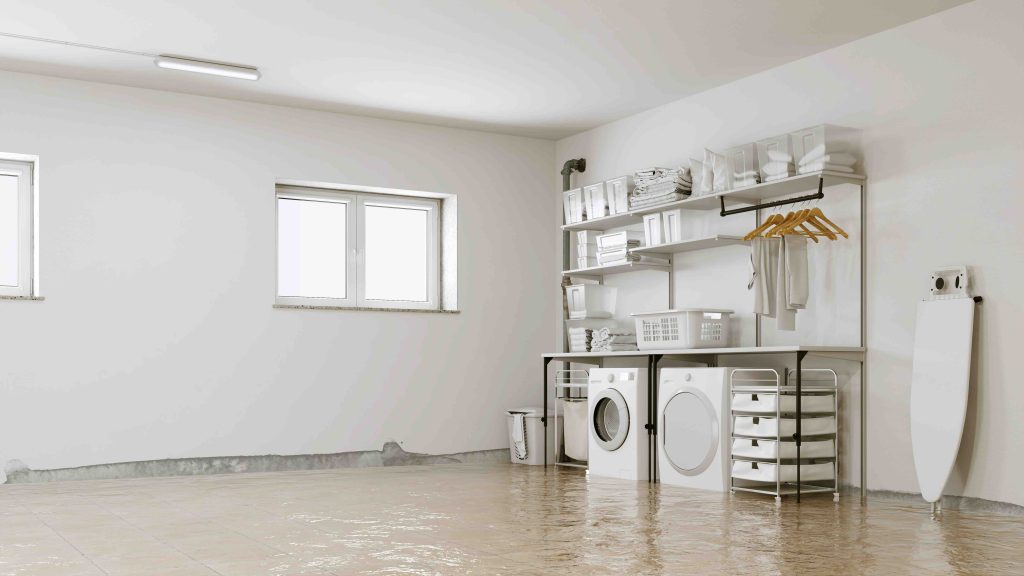
The most immediate benefit is damage control. Water damage is one of the most expensive and disruptive issues a homeowner can face. A burst pipe, a failed washing machine supply line, or a malfunctioning water heater can release dozens of gallons of water per minute. Being able to shut off the main valve within seconds rather than minutes can mean the difference between a manageable repair and a complete flooring replacement. Beyond emergencies, understanding the valve helps during planned plumbing work, appliance installation, and routine maintenance. Plumbers often ask you to shut off the main before they begin. Knowing how to do that quickly and confidently saves time and stress. There is also a security element worth mentioning: if you leave for an extended vacation, shutting off the main water supply significantly reduces the risk of returning home to a flooded basement.

Common Problems and Drawbacks to Be Aware Of
The main shut off valve is not immune to issues of its own. In older homes, gate valves in particular can become corroded or calcified over time, making them extremely difficult to turn. In some cases, attempting to close a neglected gate valve can cause it to fail entirely, which is a serious problem. Ball valves are more durable and resistant to this kind of deterioration, but they are not entirely maintenance-free either. Another common issue is the valve being located in an inconvenient or hard-to-access area, such as behind a water heater or inside a cramped crawl space. Some homeowners also discover during an emergency that the valve is stuck open or partially closed from years of disuse. This is why occasional testing and inspection matter. Turning the valve off and on once a year helps keep it operational and alerts you to any developing issues before they become urgent.
How to Test and Maintain Your Shut Off Valve
Maintenance for this valve is straightforward but often overlooked. Once a year, locate the valve and turn it off, then check that water stops flowing to a nearby faucet. Turn it back on and confirm flow resumes normally. If the valve is stiff, applying penetrating oil and gently working the handle can help loosen it. If it feels seized or you notice any leaking around the valve body, that is a sign to call a plumber. You should also inspect the surrounding area for signs of moisture, corrosion, or mineral buildup. If your home still has an older gate valve and you have the budget, upgrading to a ball valve is a reasonable and relatively affordable improvement. Some homeowners also choose to install a smart water shut off valve, which allows remote control through a smartphone app and can even detect leaks automatically.
Smart Shut Off Valves: A Modern Upgrade Worth Considering
Technology has made its way into even the most mechanical parts of your plumbing system. Smart water shut off valves can be installed on your main water line and connected to your home’s Wi-Fi network. They allow you to shut off water remotely, receive alerts when unusual flow patterns are detected, and monitor overall water usage. Some insurance companies even offer premium discounts for homes equipped with these devices because of their proven ability to reduce water damage claims. While the upfront cost of a smart valve ranges from roughly $200 to $600 installed, the potential savings in damage prevention can far exceed that investment. They are particularly valuable for homeowners who travel frequently or own vacation properties. If you already have a newer ball valve, retrofitting a smart device is often straightforward for a licensed plumber.
What Happens If the Valve Fails During an Emergency
This is a scenario that does not get discussed enough. If your homeowner-accessible shut off valve fails and you cannot stop the water flow, your only remaining option in most cases is the city-side shut off located near the street. That valve is typically operated using a special meter key tool, and your local water utility can dispatch someone to shut it off, though response times during peak hours or after hours can be slow. This is precisely why maintaining your interior valve matters so much. It is your first and fastest line of defense. Some municipalities also allow homeowners to operate the street-side shut off themselves if they have the correct tool, but policies vary. Contact your local water utility to understand the rules in your area and whether it makes sense to own a meter key as a backup.
How a Home Warranty Connects to Your Plumbing Peace of Mind
Understanding your city water shut off valve is a strong first step toward protecting your home from water-related damage. But plumbing systems are complex, and the shut off valve is just one component in a much larger network of pipes, fixtures, and appliances that can fail over time. That is where a home warranty becomes genuinely valuable. Armadillo home warranty plans for plumbing system coverage are designed to help homeowners manage the unexpected costs that come with plumbing failures, appliance breakdowns, and system malfunctions. Whether it is a leaking pipe, a failed water heater, or a broken shut off valve assembly, having a home warranty means you are not absorbing those repair bills alone. If you want to take the next step in protecting your home’s plumbing and major systems, you can get a free home warranty quote covering your plumbing and home systems in just a few minutes. Coverage that works alongside your maintenance habits is simply smart homeownership.

Frequently Asked Questions About the City Water Shut Off Valve
Find answers to the most common questions homeowners have about locating, operating, and maintaining the main water shut off valve.
Where is the city water shut off valve located in most homes?
In most homes, the homeowner-accessible main shut off valve is located in the basement, crawl space, utility room, or near the water heater. In warmer climates, it may be outside near the foundation or in an exterior utility box close to the street.
What is the difference between the city shut off valve and my home’s main shut off valve?
The city shut off valve is located near the street, usually inside a ground-level utility box, and is controlled by the water utility. Your home’s main shut off valve is inside or near the home and is the one you control as the homeowner.
How do I shut off the main water supply to my house?
Locate the main shut off valve, which is typically a gate valve requiring multiple clockwise turns or a ball valve requiring a quarter turn. Turn it until water flow stops at any faucet inside the home to confirm it is fully closed.
Can a main shut off valve wear out or fail?
Yes. Gate valves in particular are prone to corrosion and calcification over time, which can make them difficult or impossible to turn. Ball valves are more durable but should still be tested and inspected periodically.
How often should I test my main water shut off valve?
Testing it once a year is generally recommended. This keeps the valve from seizing due to inactivity and allows you to identify any deterioration before an emergency occurs.
Is it worth upgrading to a smart water shut off valve?
For many homeowners, yes. Smart shut off valves allow remote control via smartphone, send leak alerts, and can reduce water damage risk significantly. They are especially useful for frequent travelers and owners of vacation properties.
Does a home warranty cover the main shut off valve?
Coverage varies by provider and plan. Some home warranty plans include internal plumbing components, which may cover shut off valve repairs or replacements. Reviewing your specific plan details or speaking with a warranty representative will clarify what is included.
What should I do if my shut off valve is stuck and will not turn?
Do not force it, as this can cause the valve to break. Apply a penetrating lubricant and allow it to sit before attempting to turn it again. If the valve remains stuck, contact a licensed plumber to assess and replace it as needed.
Can I shut off the city-side water valve myself in an emergency?
In some municipalities, homeowners are permitted to use a meter key tool to shut off the city-side valve in an emergency. Policies differ by location, so contact your local water utility to understand what is allowed in your area.
What is the first thing I should do if a pipe bursts in my home?
Go directly to the main shut off valve and turn off the water supply to the entire home. Once the water is off, contact a licensed plumber and document the damage for any applicable insurance or home warranty claims.