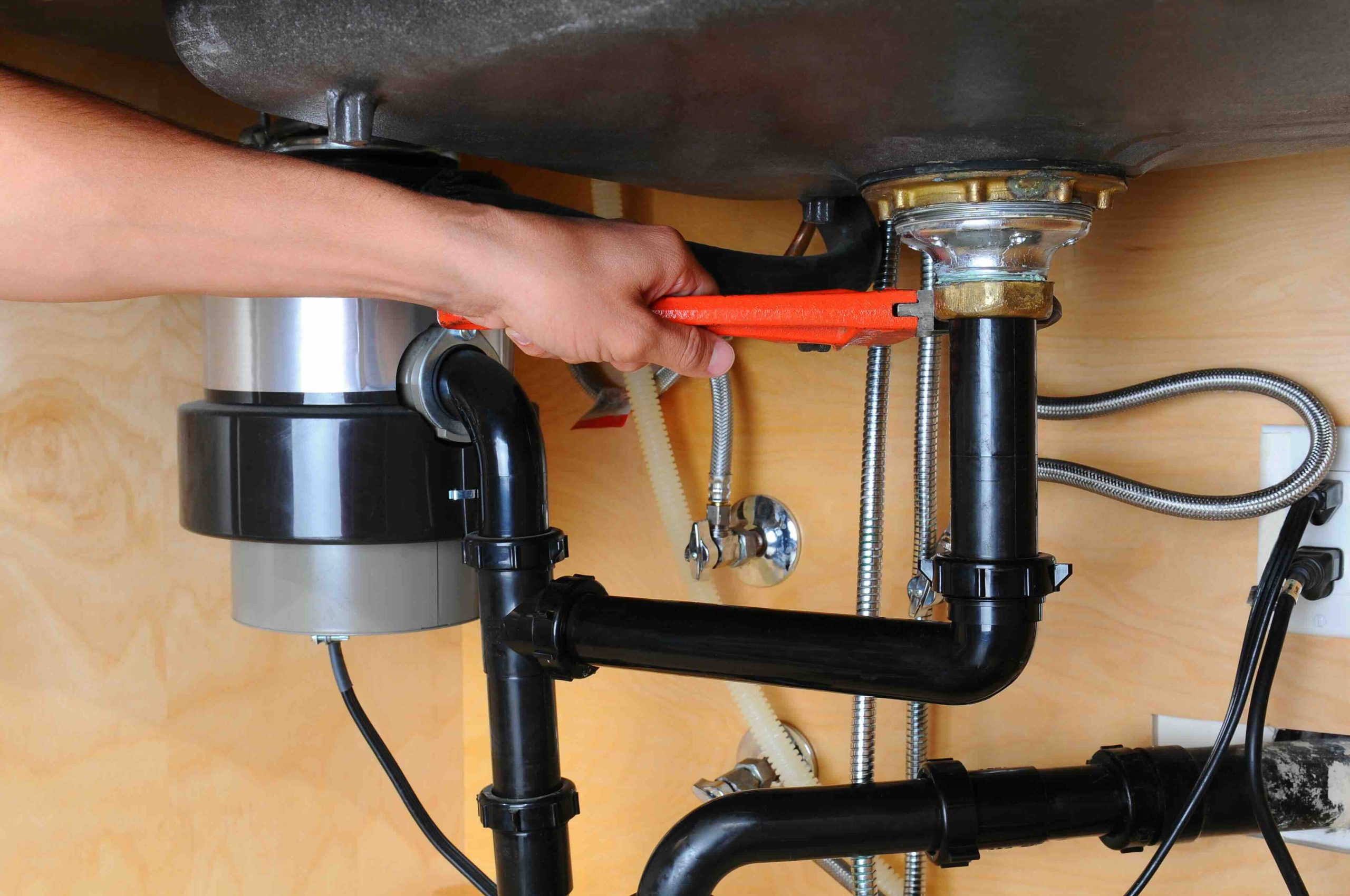
Why Your Garbage Disposal Deserves More Attention Than You Are Giving It
Here is the thing about garbage disposals: most homeowners use them every single day and almost never think about them until something goes wrong. And by then, the problem has usually gotten worse than it needed to be. A well-maintained disposal can last a decade or more. A neglected one? You are looking at foul odors, sluggish draining, and eventually a unit that just stops working. Cleaning your garbage disposal naturally is one of the easiest preventive maintenance habits you can build, and it costs almost nothing. If you care about your home systems and want to avoid surprise repair bills, this one is worth your time.
What a Garbage Disposal Actually Does and Why It Gets So Dirty
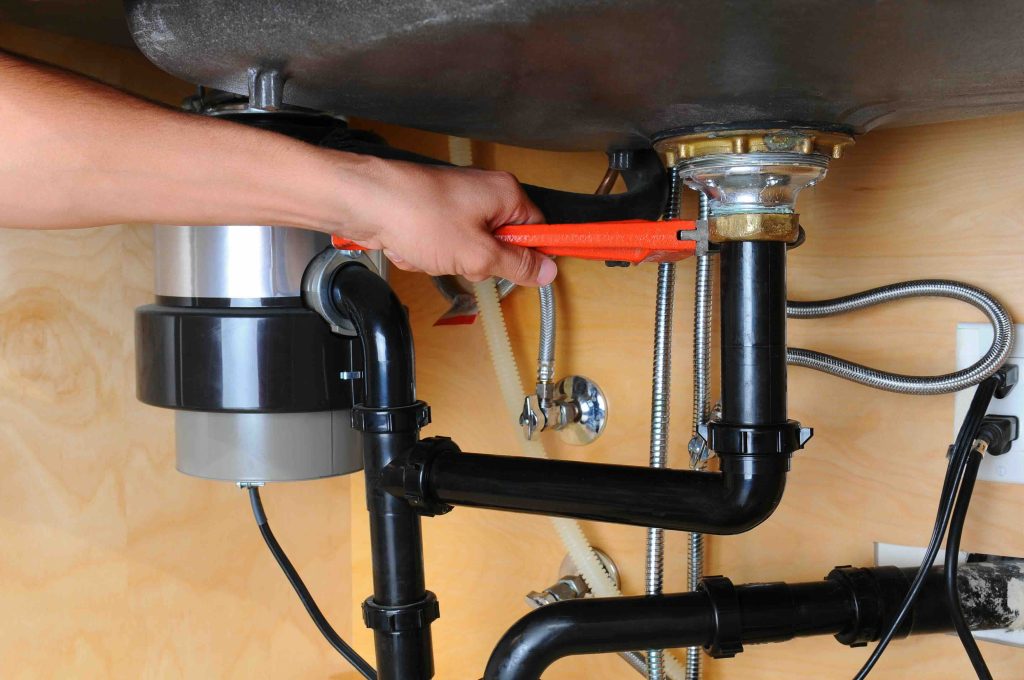
A garbage disposal is a motorized appliance installed beneath your kitchen sink that shreds food waste into small enough particles to pass through your plumbing. It uses a spinning plate and impeller blades rather than sharp cutting blades, which is a common misconception. Food particles, grease, and moisture get caught in the grinding chamber, on the splash guard, and along the interior walls. Over time, that residue builds up, begins to decay, and creates the kind of smell that makes you wonder if something died under your sink. That smell is not just unpleasant; it is a sign of bacterial growth. Regular natural cleaning keeps that buildup from accumulating in the first place.
The Natural Cleaning Method That Actually Works
You do not need commercial cleaners, chemical drain treatments, or anything expensive. The most effective natural method relies on ingredients you almost certainly already have: baking soda, white vinegar, ice, coarse salt, and citrus peels. Each ingredient plays a specific role. Baking soda neutralizes acidic odors and acts as a mild abrasive. White vinegar reacts with baking soda to create a fizzing action that loosens residue from surfaces. Ice and coarse salt work together to scrub the grinding chamber and dislodge buildup from the impeller blades. Citrus peels, particularly lemon or orange, leave behind a fresh scent while their natural oils help cut through grease. Used in combination, these are genuinely effective and safe for your plumbing and appliance.
Step-by-Step: How to Clean Your Garbage Disposal Naturally
The process takes about ten minutes and should be done at least once a month. Here is what to do, in order:
- Turn off the disposal completely and never put your hand inside under any circumstances.
- Clean the rubber splash guard by lifting the flaps and scrubbing underneath with an old toothbrush and a small amount of dish soap. This part is often overlooked and holds a significant amount of bacteria.
- Pour half a cup of baking soda directly into the drain opening, followed by one cup of white vinegar. Let the mixture fizz for five to ten minutes before flushing with hot water.
- Fill the disposal with two cups of ice and pour a generous amount of coarse salt on top. Run cold water, then turn the disposal on and let it run until the ice is processed. This scrubs the interior chamber without any risk of damage.
- Toss in a handful of citrus peels, run cold water, and turn the disposal on for about thirty seconds. This finishes the process with a fresh scent and a final light cleaning pass.

Key Advantages of Cleaning Your Disposal Naturally
The benefits go beyond just eliminating odors. Natural cleaning methods are non-corrosive, which means they will not degrade the rubber components inside your disposal or the seals and pipes beneath your sink. Chemical drain cleaners can actually cause damage over time, and many manufacturers specifically recommend against using them. Natural cleaning is also significantly cheaper. A box of baking soda and a bottle of white vinegar together cost less than two dollars and can support months of regular maintenance. Beyond cost, these ingredients are environmentally safe. They do not introduce harsh chemicals into your water supply or local plumbing infrastructure. It is one of the rare situations where the gentler option is also the smarter one.
Common Mistakes Homeowners Make With Garbage Disposal Maintenance
Even homeowners with the best intentions tend to make a few consistent errors. The first is using hot water when running the disposal. Hot water melts grease temporarily, which then re-solidifies further down the pipe and creates blockages. Always use cold water when the disposal is running. The second mistake is treating the disposal like a trash can. Fibrous foods like celery or artichokes can tangle around the impeller. Hard items like fruit pits or bones can cause damage. Grease and oils should never go down the drain regardless of whether the disposal is running. The third mistake is ignoring the splash guard, which is the part that collects the most bacteria and the part most people never clean.
How Often Should You Be Cleaning Your Garbage Disposal
For most households, a full natural cleaning once a month is sufficient. If you use the disposal frequently or process a lot of food waste, every two to three weeks is a better target. A quick refresh, meaning just the baking soda and vinegar step without the ice treatment, can be done weekly if odors are persistent. The ice and salt treatment is the most mechanically thorough step and is worth doing at least monthly to keep the grinding chamber clear. Setting a recurring reminder in your phone for the first day of each month takes about three seconds and will save you from ever having to deal with a disposal that smells like it has been left running in a swamp.
When Natural Cleaning Is Not Enough
There are situations where cleaning alone cannot solve the problem. If your disposal is making a loud humming sound but not spinning, the motor may be jammed or burned out. If it is leaking from the base, an internal seal has likely failed. If it drains slowly despite regular cleaning, there may be a partial blockage further down the drain line that requires professional attention. These are mechanical or structural issues, not hygiene issues, and no amount of baking soda will fix them. Knowing the difference between a maintenance issue and a repair issue is important because it helps you respond appropriately, which means not wasting money on something that requires a technician.
Where Home Warranties Fit Into the Picture
Garbage disposals are relatively inexpensive appliances, but repair and replacement costs can still add up, especially when you factor in labor. Most home warranty plans include garbage disposals as part of standard appliance coverage. That means if your unit fails due to normal wear and tear, rather than misuse or lack of maintenance, a home warranty can cover the cost of repair or replacement. This is exactly why maintaining your disposal correctly matters from a warranty perspective too. A unit that fails after years of proper care is much more likely to be covered than one that breaks down because it was never cleaned and was routinely used to process things it was never designed to handle.
Why Armadillo Is the Smart Choice for Homeowners Who Take Maintenance Seriously
If you are the kind of homeowner who takes the time to clean your garbage disposal with baking soda and ice every month, you already understand the value of staying ahead of home system failures. That mindset pairs well with having a reliable home warranty in place. Armadillo home warranty coverage for kitchen appliances and home systems is designed for homeowners who want straightforward protection without confusing exclusions or surprise fees. The coverage is transparent, the pricing is honest, and the claims process is built for real people who have better things to do than fight with a warranty company. When your disposal or any other covered appliance fails, you want a plan that works as hard as you do. You can get a free home warranty quote that covers your garbage disposal and more in just a few minutes, and it is worth every second of that time.

Frequently Asked Questions About Cleaning Your Garbage Disposal Naturally
How do I get rid of the smell coming from my garbage disposal?
Pour half a cup of baking soda into the disposal followed by one cup of white vinegar. Let the mixture sit for five to ten minutes, then flush with hot water. Follow that with ice, coarse salt, and citrus peels while running cold water for a thorough deodorizing clean.
Is it safe to use bleach to clean a garbage disposal?
Bleach is not recommended for garbage disposals. It can damage the rubber components inside the unit and is harsh on your plumbing. Natural alternatives like baking soda and vinegar are safer, just as effective, and will not void your appliance warranty.
Can I put lemon juice in my garbage disposal instead of lemon peels?
Lemon juice provides some deodorizing benefit, but the peels are more effective because the physical texture helps scrub the grinding chamber and the oils in the peel cut through grease more efficiently than juice alone.
Why should I use cold water instead of hot water when running my disposal?
Cold water keeps any grease or fat in solid form so it can be ground up and expelled. Hot water melts grease temporarily, which then re-solidifies further down the drain and can cause blockages over time.
How do I clean the rubber splash guard on my garbage disposal?
Lift the rubber flaps of the splash guard and scrub the underside with an old toothbrush and a small amount of dish soap. This area collects bacteria and food residue and should be cleaned every time you do a full disposal cleaning.
Does a home warranty cover garbage disposal repairs?
Most standard home warranty plans do include garbage disposal coverage. Coverage typically applies to mechanical failures caused by normal wear and tear. Damage from misuse or neglect may not be covered, so regular maintenance helps protect your warranty eligibility.
How long do garbage disposals typically last?
A well-maintained garbage disposal can last ten to fifteen years. Units that are never cleaned, frequently jammed, or used improperly tend to fail much sooner, often within five to eight years.
What foods should never go into a garbage disposal?
Avoid putting fibrous vegetables like celery and artichokes, hard items like fruit pits or bones, grease, oil, pasta, rice, eggshells, and coffee grounds into your disposal. These items can cause jams, damage the unit, or create drain blockages.
How do I know if my garbage disposal needs to be replaced instead of cleaned?
Signs that replacement may be necessary include persistent leaking from the base, frequent jamming, loud or unusual motor sounds, slow draining that does not improve with cleaning, or a unit that is more than ten years old with repeated issues.
Can ice damage my garbage disposal when used for cleaning?
No. Ice is safe to use in a garbage disposal and is actually an effective natural cleaning method. The ice scrubs the interior walls and grinding components without causing damage, especially when combined with coarse salt for added abrasion.