Why Your Door Is Letting Cold Air In and What to Do About It
You feel it before you see it. A thin ribbon of cold air threading in from under the front door, or a faint whistle near the frame when the wind picks up outside. Door draft repair is one of those home maintenance tasks that sounds small but carries real consequences when it gets ignored. This guide walks you through everything you need to know: why drafts happen, how to fix them, what the risks are when you wait, and when it makes sense to bring in a professional.
What Causes Door Drafts in the First Place
Doors shift over time. That is just the reality of a house settling, wood expanding and contracting through seasons, and general wear from years of use. The gaps that form along the door frame, beneath the door itself, or around the threshold are where outdoor air sneaks through. Weatherstripping is the first line of defense, and once that material compresses, tears, or simply falls off, the seal breaks. Sometimes the door itself warps slightly, creating an uneven surface that no amount of weatherstripping can fully compensate for. In older homes, the door frame may have moved enough that the door no longer sits square, which opens up gaps on multiple sides at once. Understanding the root cause is the difference between a patch job that lasts a week and a real fix that holds through winter.
How to Diagnose a Drafty Door Before You Fix Anything
There is a simple test that works every time. Close the door, light a candle or an incense stick, and move it slowly around the door frame and along the bottom edge. Anywhere the flame or smoke wavers, air is coming through. You can also hold a piece of tissue paper along the seal while a helper shines a flashlight from the outside. If you see light bleeding through, you have found your gaps. Another method is to simply run your hand slowly along the closed door frame on a cold day. Even minor air movement is easy to feel when there is a temperature difference between inside and outside. Taking five minutes to do this diagnostic step correctly will save you from guessing and replacing parts that were not actually the problem.

Common Door Draft Repair Methods That Actually Work
Once you know where air is entering, the repair options are fairly straightforward. The specific fix depends on where the gap is located.
- Weatherstripping replacement: This is the most common fix. Foam, felt, vinyl, and rubber versions are all available at hardware stores. Peel-and-stick foam is the easiest to apply but also the least durable. V-strip metal weatherstripping takes more effort but lasts significantly longer.
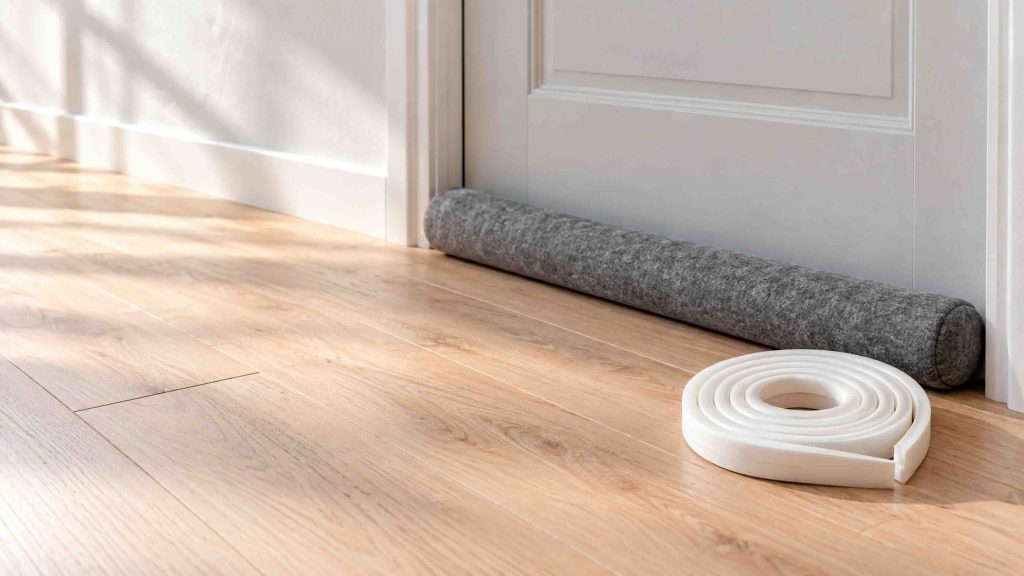
- Door sweep installation: A door sweep attaches to the bottom of the door and seals the gap between the door and the threshold. Automatic door sweeps retract when the door opens and press down when it closes, offering a cleaner long-term solution.
- Door shoe replacement: Similar to a sweep but more integrated, a door shoe wraps under and around the bottom edge of the door. It requires removing the door to install but creates a much tighter seal.
- Threshold adjustment or replacement: If the threshold itself has worn down or is no longer level, adjusting or replacing it can close gaps that no amount of weatherstripping will fix on its own.
- Caulking around the frame: For stationary gaps where the frame meets the wall, exterior-grade caulk is a reliable and inexpensive solution.
The Real Cost of Ignoring a Drafty Door
A small draft might feel like a minor nuisance, but it adds up fast. The U.S. Department of Energy has noted that drafts in a home can account for significant heating and cooling losses, essentially equivalent to leaving a window cracked open year-round. Beyond the energy bill, persistent moisture that enters through door gaps can lead to wood rot in the door frame, water damage to flooring near the entry, and even mold growth if the conditions are right. Insects also use these gaps as entry points. What starts as a weatherstripping issue can quietly become a structural or air quality problem over months and years. The longer the repair sits unaddressed, the wider that gap tends to get.
DIY vs. Professional Door Draft Repair: Knowing the Difference
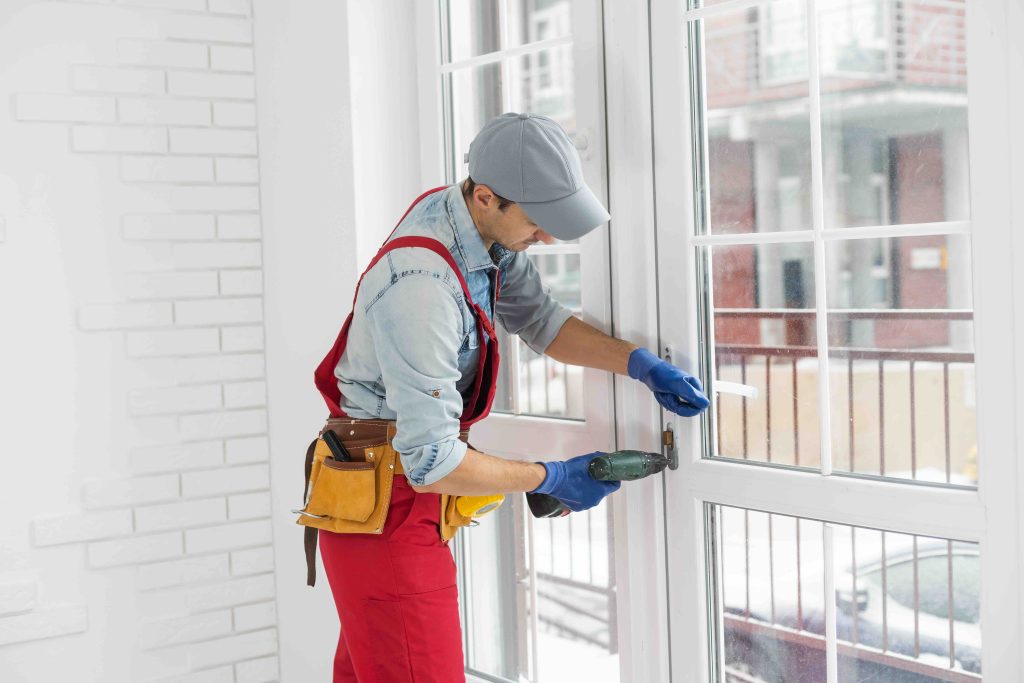
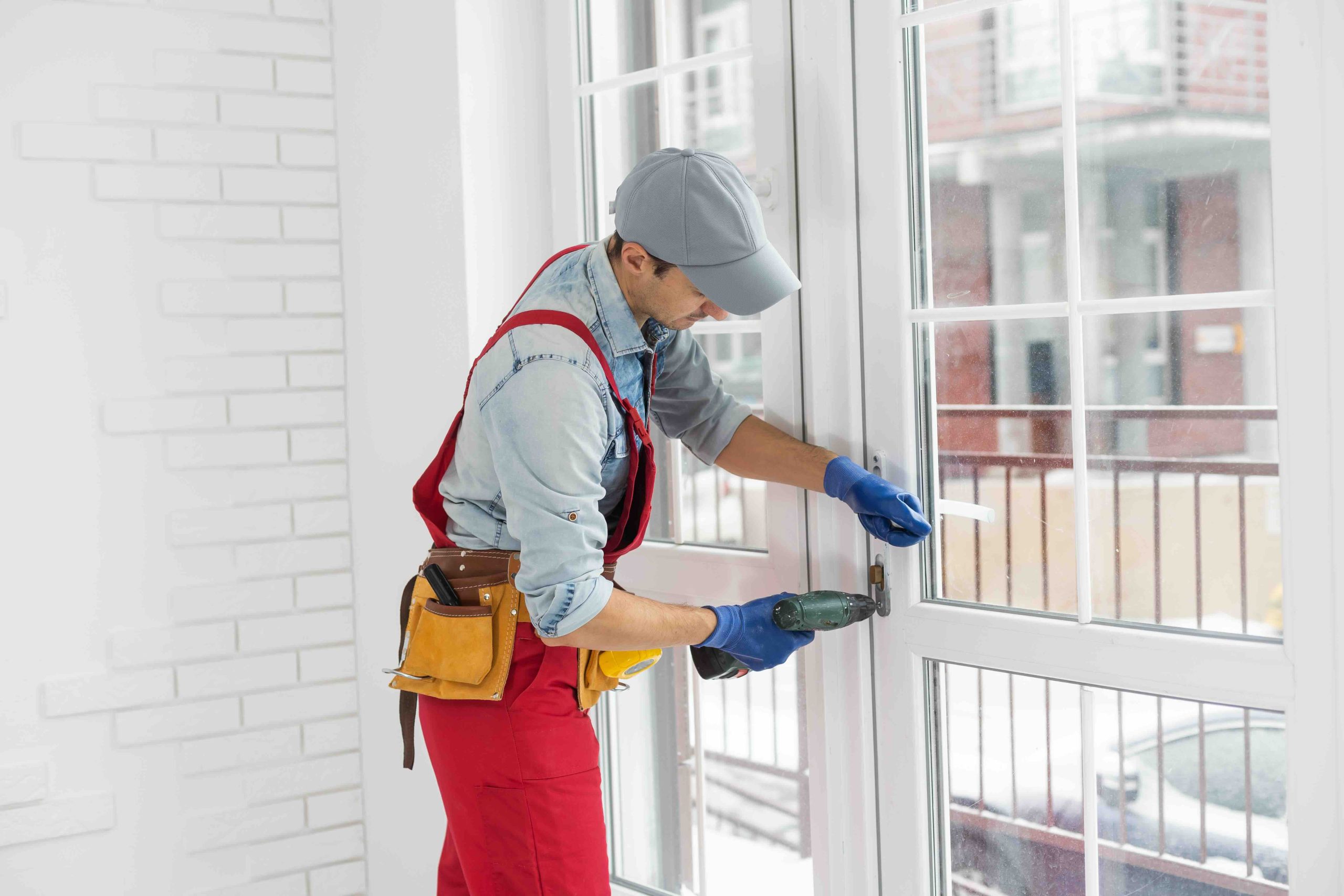
Most weatherstripping and door sweep replacements fall comfortably within the DIY category. If the door is hanging correctly, the frame is square, and the gap is consistent and measurable, there is a strong chance a homeowner with basic tools and an afternoon can handle it. Where things get more complicated is when the door itself has warped, when the frame has shifted significantly, or when the door does not close flush with the frame across its full height. In those cases, the fix may involve shimming, sanding, or planing the door, and potentially rehinging it. That crosses into carpentry territory where errors can create new problems. A misaligned door can develop hinge issues, latch problems, and accelerated seal wear. If the diagnostic step reveals that the door sits unevenly in the frame, a professional assessment is the smarter move.
Seasonal Maintenance Tips to Prevent Door Drafts
Door draft repair is most effective when it is paired with a consistent maintenance routine. Checking and maintaining your door seals at least twice a year, once before summer and once before winter, can catch deterioration before it becomes a full draft problem. Beyond that, a few habits make a meaningful difference over time. Avoid slamming doors repeatedly, as the impact gradually loosens hinges and distorts the frame. Repaint or reseal exterior doors every few years to protect the wood from swelling and warping due to moisture. Check that door hinges are tight and not pulling the door out of alignment. And after heavy storms, give your exterior doors a quick inspection to see if the seals have shifted or been compromised by wind or water exposure.
Where Home Warranty Coverage Fits Into This Picture
Here is where the conversation shifts slightly. Standard home warranty plans typically cover built-in systems and major appliances, things like HVAC, plumbing, electrical, and kitchen appliances. Door draft repair, which is largely a maintenance and weatherproofing issue, generally falls outside the scope of home warranty coverage. That said, if a door malfunction is tied to a system that is covered, or if the failure involves a component that a specific plan includes, it is worth reviewing the details of your plan. The broader takeaway is this: home warranties are designed to protect against unexpected mechanical failures, not general wear-and-tear maintenance. Knowing the boundary helps homeowners plan accordingly, keeping a maintenance budget separate from their warranty plan while understanding what each one is built to handle.
Why Armadillo Is the Right Partner for Homeowners Who Take Maintenance Seriously
Homeowners who are diligent enough to track down a door draft and fix it properly are the same homeowners who understand the value of having real protection when bigger things go wrong. That is exactly who Armadillo home warranty coverage for homeowners focused on long-term maintenance was built for. When your HVAC gives out in August, your water heater fails before a holiday weekend, or your refrigerator stops cooling without warning, having a plan in place means you are not scrambling. You make one call and the problem gets handled. For homeowners who want to know exactly what they are getting before they commit, getting a home warranty quote to protect against unexpected repair costs takes only a few minutes and gives you a clear picture of what coverage looks like for your specific home. Armadillo keeps things straightforward, with no runaround and no fine print that contradicts itself. That is the standard homeowners deserve.

Frequently Asked Questions About Door Draft Repair
Real questions, straightforward answers for homeowners ready to solve the problem.
What is the most common cause of a door draft?
Worn or compressed weatherstripping is the most frequent culprit. Over time, the foam, rubber, or vinyl material that seals the gap between the door and its frame breaks down and loses its ability to block air movement.
Can I fix a door draft without replacing the entire door?
Yes, in most cases. Replacing weatherstripping, installing a door sweep, adjusting the threshold, or applying caulk around the frame are all repairs that address the draft without requiring a full door replacement.
How do I know if my door has a draft?
Hold a lit candle or incense stick near the door frame and along the bottom edge while the door is closed. If the flame or smoke moves, air is passing through. You can also run your hand along the frame on a cold day to feel temperature changes.
How long does weatherstripping last before it needs to be replaced?
Most weatherstripping materials last between three and five years under normal use. Foam strips tend to wear faster, while metal and rubber versions can last longer with proper care and consistent door use.
What is the difference between a door sweep and a door shoe?
A door sweep attaches to the inside face of the door bottom and drags along the floor or threshold. A door shoe is a more integrated component that wraps around the bottom edge of the door and typically requires removing the door to install, but provides a more complete seal.
Is door draft repair covered by a home warranty?
Generally, no. Door draft repair is considered a maintenance issue related to weatherproofing and normal wear. Home warranties are structured to cover mechanical system failures and major appliances rather than routine upkeep or weatherization tasks.
Can a drafty door affect my energy bill?
Yes, significantly. Air leaking in through door gaps forces your heating and cooling system to work harder to maintain the set temperature. Over an entire season, that extra load translates directly into higher utility costs.
When should I call a professional for door draft repair?
If the door itself has warped, if the frame is visibly out of square, or if the door does not close flush along its full edge, a professional assessment is warranted. These issues often require carpentry skills beyond basic weatherstripping installation.
Can a door draft cause moisture or mold problems?
Yes. When warm interior air meets cold air near a gap, condensation can form. Over time, persistent moisture around a door frame can lead to wood rot, peeling paint, and in some cases mold growth if the area stays damp without proper ventilation or repair.
What type of weatherstripping is most durable for exterior doors?
V-strip weatherstripping made from metal or durable vinyl tends to outlast foam and felt alternatives. It compresses when the door closes and springs back into shape, maintaining a consistent seal through repeated use and temperature changes.