Where Is the Water Shut Off in Your Home and Why Does It Matter?
Every homeowner should know the answer to this question before a problem ever happens. A burst pipe, a leaking appliance, or a plumbing failure can send water rushing through your home in minutes, and if you are scrambling to figure out where to stop it, the damage compounds fast. Knowing where your water shut off is located is one of the simplest, most practical pieces of home knowledge you can have. It costs nothing to learn and could save thousands of dollars in water damage repair. This guide walks through everything you need to know, including where to look, how shut offs work, and what the home warranty industry recognizes as standard versus owner responsibility.
What Is a Water Shut Off Valve and How Does It Work?
A water shut off valve is a mechanical device that controls the flow of water into your home or to a specific fixture. When you turn it off, water supply is interrupted and any active leak or flow stops. Most homes have more than one, which is actually a good thing. The main shut off controls water supply to the entire house, while individual shut offs are located near fixtures like toilets, sinks, and washing machines. Understanding both types helps you respond appropriately depending on the situation. A small toilet leak may only require turning the valve behind the toilet. A pipe burst inside a wall is a different story, and that is when the main shut off becomes your first move.
Where Is the Main Water Shut Off Located?
This is the question most homeowners type in during a panic, so here is a direct, calm answer. The main water shut off is typically found in one of these locations depending on your home’s age, region, and construction style.
- Near the water meter, which is usually in the basement, crawl space, utility room, or along an exterior wall of the home
- In the garage, particularly in homes built in warmer climates where pipes are not buried as deeply
- Outside the home near the foundation, often in a utility box flush with the ground called a curb stop or meter box
- Under a sink in the kitchen or bathroom if the home lacks a dedicated utility space
- In a mechanical room alongside the water heater or HVAC equipment
In colder climates, shut offs are typically found inside the home to protect pipes from freezing. In warmer regions like the Southwest or Southeast, they may be outside along the side of the house or near the street. If you just moved in, do yourself a favor and locate it this week, not when water is already on the floor.
Types of Water Shut Off Valves You Might Find
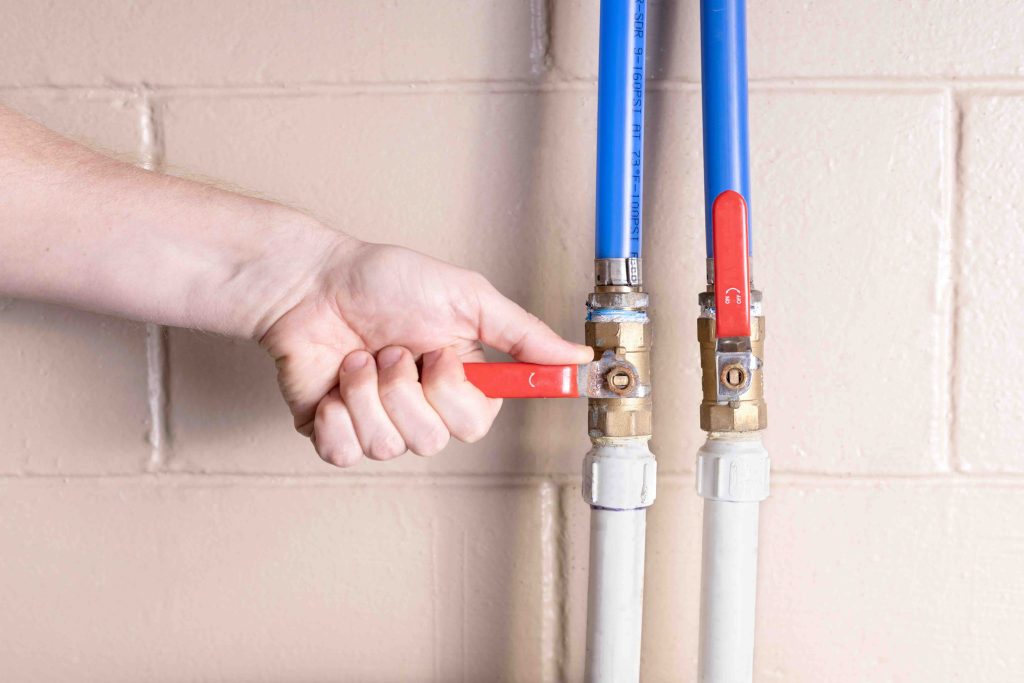
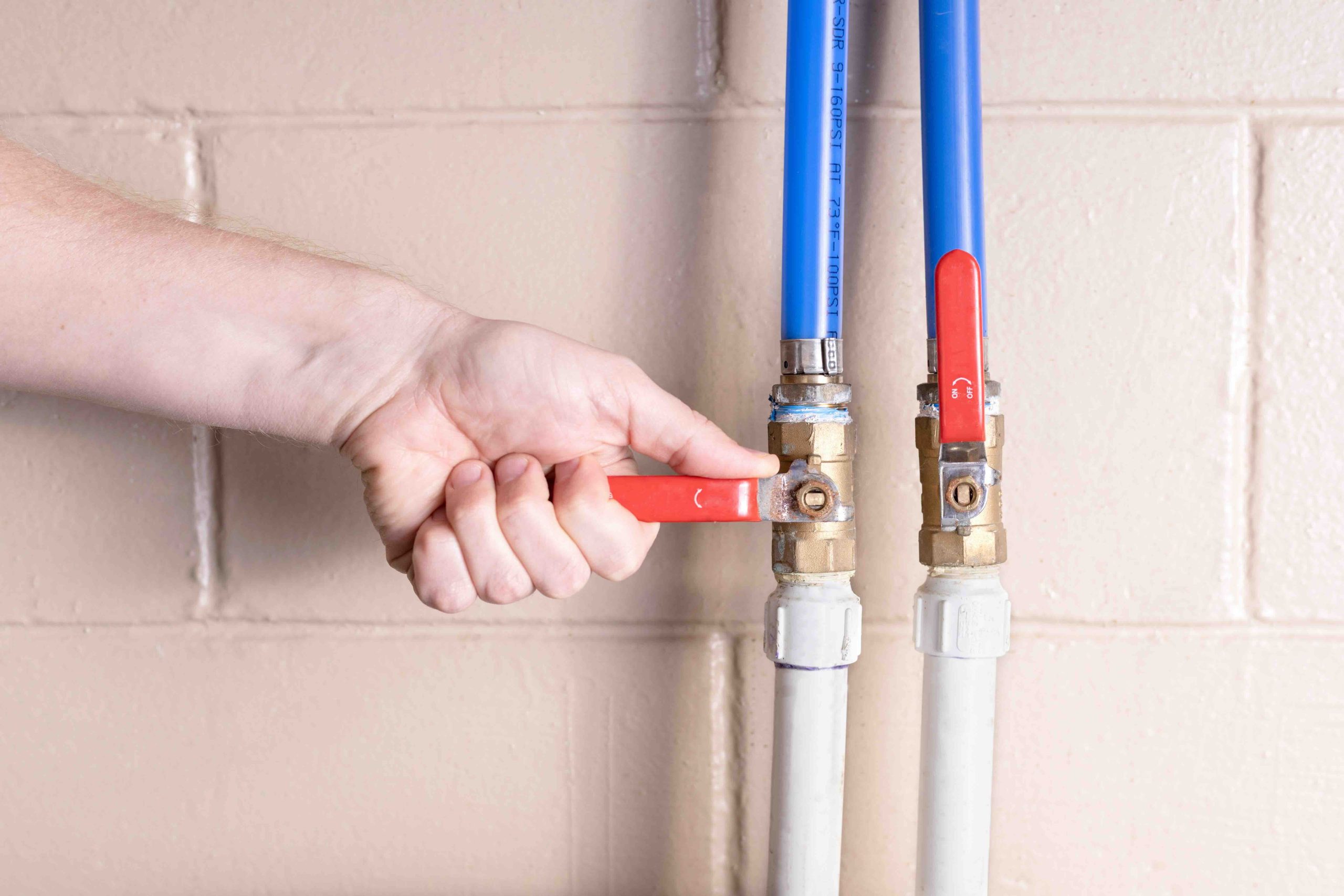
Not every shut off valve works the same way, and knowing the difference helps you act with confidence. Gate valves are older and require multiple full rotations to open or close. They work, but they can fail over time and sometimes get stuck in the open position after years of no use. Ball valves are more modern and far more reliable. They have a lever handle that turns 90 degrees from open to closed. When the lever is parallel to the pipe, water flows. When it is perpendicular, flow is stopped. Ball valves are the current industry standard and are typically what you will see in homes built or updated within the last few decades. If your home still has gate valves, having a plumber swap them out for ball valves is a low-cost upgrade worth considering.

Individual Fixture Shut Offs and Where to Find Them
Beyond the main valve, your home has a series of smaller shut offs that control water to individual fixtures. These are sometimes called stop valves or supply valves. Knowing their locations makes small repairs far less disruptive because you can isolate one fixture without cutting water to the whole house. Toilets have a shut off valve located on the wall or floor directly behind the base of the unit. Under kitchen and bathroom sinks, you will find shut offs on both the hot and cold supply lines inside the cabinet. Washing machines have hot and cold valves on the wall behind the unit. Water heaters have a dedicated cold water supply shut off at the top of the unit. Dishwashers typically share the supply line under the kitchen sink. Spend ten minutes walking through your home and identifying each of these. It is a small investment that pays off whenever something goes wrong.
What Happens If You Cannot Find Your Shut Off?
If you genuinely cannot locate the main shut off, you have a few options. First, check if your home came with any documentation from a previous inspection or the builder, as those often include a basic diagram. Second, contact your local water utility, since they have records and can assist in identifying where the curb stop is located near the street. Third, call a licensed plumber for a quick walkthrough, especially if your home has unusual construction. One thing to avoid is waiting until there is an emergency to figure this out. The pressure of an active leak does not make problem-solving easier. Take the time now to locate and label every shut off in your home.
Labeling and Documenting Your Shut Offs
Once you find everything, label it. This sounds almost too simple, but it is genuinely useful when you are handing your home off to a house sitter, a plumber, or someone who needs to respond quickly. Adhesive labels, waterproof marker on tape, or small laminated tags all work fine. Consider taking photos and saving them to a shared household folder or a home management app. Some homeowners go a step further and create a simple diagram showing the layout of all shut offs. Whether or not you go that far, the point is to remove the guesswork entirely. In a plumbing emergency, information equals control, and control means less damage.
Water Shut Offs and the Home Warranty Industry
Home warranties cover specific systems and appliances within your home, and plumbing is often included. However, how shut off valves are treated varies by provider. Most home warranty plans cover interior plumbing lines and certain components of the plumbing system, but individual shut off valves, particularly older gate valves, may fall into exclusion territory if they are considered part of a fixture rather than the plumbing system itself. The distinction matters. If a shut off valve fails and causes water damage, coverage may depend on how the plan defines the component and whether the failure is the result of normal wear or pre-existing conditions. Reading your plan’s definitions carefully, particularly around what qualifies as a plumbing system component, helps you understand where coverage begins and ends. This is one of those details that homeowners often overlook until a claim is denied.
Practical Maintenance Tips for Your Water Shut Off Valves
- Exercise your main shut off valve at least once a year by turning it fully off and back on to prevent it from seizing
- Check supply valves under sinks and behind toilets for corrosion or mineral buildup, particularly in areas with hard water
- Replace gate valves with ball valves if your home still has older plumbing hardware
- Test each fixture shut off periodically to confirm it turns smoothly and stops water flow completely
- Install a whole-home water shut off automation device if you want remote control and leak detection combined
These are not complicated tasks, but they are easy to postpone. Plumbing maintenance tends to be out of sight and out of mind until something leaks. Making shut off valve checks a part of your seasonal home walkthrough keeps small issues from becoming large, expensive ones.
Why Armadillo Is the Right Home Warranty Partner for Plumbing Peace of Mind
Water issues happen without warning, and knowing where your shut off is only solves half the problem. The other half is having coverage in place when something actually fails. Armadillo home warranty coverage for plumbing systems and appliances is built around the real concerns homeowners face, not the fine print designed to confuse them. Armadillo keeps things clear, coverage honest, and the claims process straightforward so that when you need help, you actually get it. If you want to know exactly what is covered and build a plan around your home’s specific needs, you can get a personalized home warranty quote that includes plumbing system protection in just a few minutes. The point is to be prepared before something goes wrong, not after.

Frequently Asked Questions About Water Shut Off Valves
These are the questions homeowners ask most often about locating and using water shut off valves in their homes.
Where is the main water shut off valve in a house?
The main water shut off is most commonly found in the basement, crawl space, garage, utility room, or along an exterior wall near where the main water line enters the home. In warmer climates, it may be located outside near the foundation or in a ground-level utility box near the street.
How do I turn off the water to my whole house?
Locate the main shut off valve and turn it clockwise until it stops if it is a gate valve, or rotate the lever handle 90 degrees until it is perpendicular to the pipe if it is a ball valve. Either action will stop water flow to the entire home.
What does the water shut off valve look like?
A gate valve typically looks like a round wheel or spigot handle made of metal. A ball valve has a lever handle, usually made of metal or plastic, that pivots a quarter turn to open or close.
Is there a water shut off valve outside my home?
Yes, most homes have an exterior shut off located near the street or sidewalk inside a covered utility box, often called a curb stop. This valve is usually controlled by the water utility and may require a special tool to operate, but it is a backup option in emergencies.
What should I do if my water shut off valve is stuck?
Do not force it. A stuck valve, particularly an older gate valve, can break if too much pressure is applied. Call a licensed plumber to inspect and replace the valve. In the meantime, locate the curb stop near the street as your backup shutoff option.
Where is the shut off valve for a toilet?
The toilet shut off valve is located on the wall or floor directly behind or beside the base of the toilet. It is connected to the supply line that runs up to the tank. Turning it clockwise stops water to just that toilet without affecting the rest of the home.
Does a home warranty cover water shut off valves?
Coverage depends on the specific plan and provider. Many home warranties cover interior plumbing systems, but individual shut off valves may be excluded depending on how they are classified. Reviewing your plan’s definitions carefully will clarify what is and is not included.
How often should I test my water shut off valve?
It is a good practice to test your main shut off valve at least once a year. Turning it off and back on prevents the valve from seizing over time due to mineral deposits or lack of use, which is a common issue with older gate valves.
Can I install a smart water shut off valve?
Yes, smart shut off devices are available and can be connected to your home’s main water supply line. They allow you to remotely shut off water through a smartphone app and often include leak detection sensors that can trigger an automatic shutoff when moisture is detected.
Where is the water shut off for a sink?
Sink shut off valves are located inside the cabinet directly beneath the sink. There are typically two valves, one for hot water and one for cold water, each connected to the supply lines running up to the faucet. Turning them clockwise stops water to just that sink.