What Are Drain Vent Pipe Covers and Why Do They Matter?
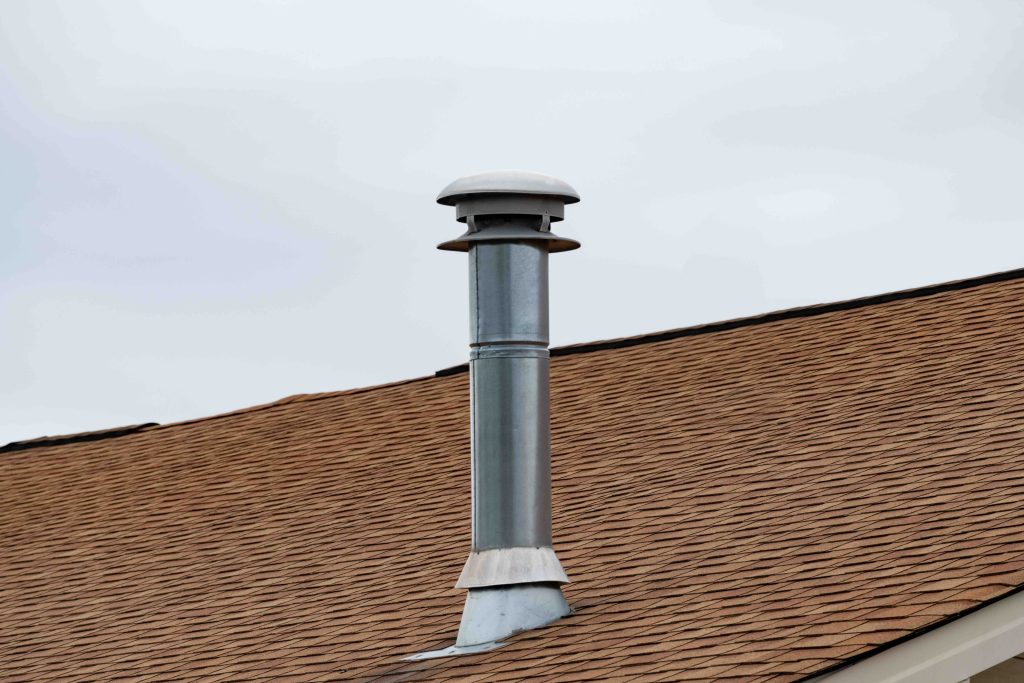
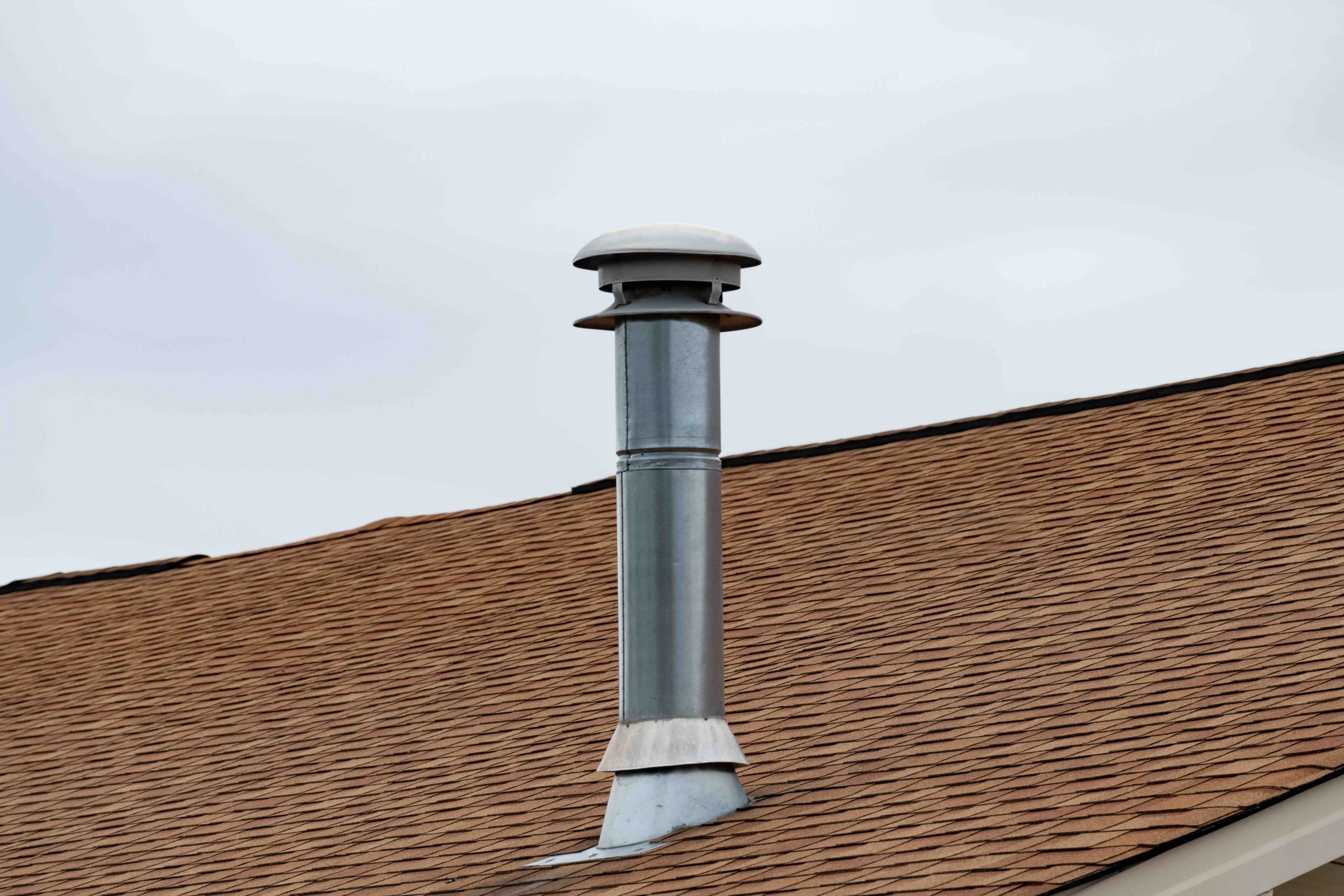
If you have ever noticed a small cap or screen sitting on top of a pipe that sticks up through your roof, that is a drain vent pipe cover doing its job. These covers are a simple but surprisingly important part of your home’s plumbing system. They sit at the top of your plumbing vent stack, which is the vertical pipe that allows air to flow in and out of your drain system so that water moves freely through your pipes. Without a proper cover, that open pipe becomes an easy entry point for debris, animals, and weather. With one? Your plumbing breathes properly, drains stay clear, and your home stays protected. It is the kind of small detail that makes a big difference over time.
How the Plumbing Vent System Actually Works
To understand why drain vent pipe covers exist, it helps to know what the vent pipe itself is doing. Every time you flush a toilet or drain a sink, water rushes through your pipes and needs air to follow it. Without that airflow, you get negative pressure, which leads to slow drains, gurgling sounds from your fixtures, and in some cases, the siphoning of water out of your P-traps. That matters because the water in a P-trap is what blocks sewer gases from entering your home. The vent pipe draws fresh air in and lets those gases escape safely above your roofline. The drain vent pipe cover sits at the very top of this stack, acting as a gatekeeper that keeps the system functional without letting the outside world create new problems.
Types of Drain Vent Pipe Covers Available
Not all drain vent pipe covers are built the same way, and the right choice often depends on where you live and what your biggest concern is. Here is a quick look at the most common types:
- Screen caps: These use a mesh screen to block insects and small debris while still allowing full airflow. They work well in mild climates but can clog with leaves or ice in colder regions.
- Vent caps with flapper valves: These open with airflow and close when the system is idle, offering a bit more protection against driving rain and wind.
- Animal guards: These are heavy-duty covers specifically designed to keep birds, squirrels, and raccoons from nesting inside the vent pipe. They are common in suburban and wooded areas.
- Freeze-resistant vent covers: Designed for cold climates where ice can form inside standard vent openings and block airflow entirely during winter months.
Each type has its place, and in some situations, homeowners use a combination of features in a single cap. The key is matching the cover to the actual conditions around your home.
Key Benefits of Installing a Drain Vent Pipe Cover
The advantages of a drain vent pipe cover go well beyond just keeping leaves out. First, it protects the air quality inside your home. When a vent pipe is open and unprotected, it is easier for sewer gases like hydrogen sulfide to find their way back into the living space under certain pressure conditions. A well-fitted cover helps prevent that. Second, it reduces the risk of drain blockages caused by debris accumulation inside the pipe itself. Third, it deters pests. Birds and small rodents love an open pipe, and once they build a nest inside, you are dealing with a blocked vent and a plumbing headache that is entirely avoidable. Finally, a cover extends the life of the pipe itself by reducing direct exposure to rain and freeze-thaw cycles.
Common Problems Caused by Missing or Damaged Covers
When a drain vent pipe cover is cracked, missing, or simply was never installed, the consequences tend to show up in ways that homeowners do not immediately connect to the vent. Slow drains throughout the house are one of the first signs. Gurgling or bubbling noises coming from toilets or sinks after another fixture is used is another. A faint sewage smell near drains or inside the house can also point back to a compromised vent system. In winter, a blocked or iced-over vent can cause complete drainage failure across multiple fixtures. These are not minor inconveniences. They are signs that your plumbing system is working against itself, and the fix usually starts with checking what is going on at the top of that vent stack.

How to Inspect Your Drain Vent Pipe Cover
You do not have to be a plumber to do a basic inspection. Start from the ground. If you can see the top of your vent stack from the yard or from a window, look for a cap or screen sitting on top of the pipe. If the pipe is completely open with no cover at all, that is your first issue. If there is a cover, look for visible damage, corrosion, or debris buildup around or inside the screen. From inside the house, pay attention to how your drains perform. Sluggish drainage across multiple fixtures is a signal worth following up on. If you are comfortable going onto the roof, a closer inspection can confirm whether the cover is seated properly, undamaged, and free of blockages. If not, that is a job for a licensed plumber or roofing professional.
Installing or Replacing a Drain Vent Pipe Cover
Replacing a drain vent pipe cover is one of the more straightforward plumbing maintenance tasks a homeowner can tackle, assuming safe roof access is available. Most covers are made to fit standard pipe diameters, typically three to four inches, and they press or twist onto the top of the pipe without requiring adhesive or sealant in most cases. The key is measuring your pipe diameter before purchasing a replacement and choosing a cover made from UV-resistant and corrosion-resistant materials like ABS plastic, galvanized steel, or powder-coated aluminum. If you are not comfortable working on the roof, a licensed plumber can handle the replacement quickly and inexpensively. What matters most is that the cover is there and in good shape.
Drain Vent Pipe Covers and Long-Term Home Maintenance
It is easy to overlook the parts of a home that are out of sight, especially the ones sitting on the roof. But drain vent pipe covers are the kind of maintenance detail that prevents compounding problems. A missing cover today can mean a pest-infested vent pipe in a few months, which turns into blocked drainage, which eventually affects toilets, sinks, and potentially causes water damage if a backup occurs. Including vent pipe covers in an annual roof and plumbing inspection is a smart habit. Some homeowners add it to their spring and fall checklist alongside gutter cleaning and HVAC filter changes. It takes minutes to check but can save hours and hundreds of dollars in repairs.
Does a Home Warranty Cover Drain Vent Pipe Issues?
Home warranties vary in what they include, but many plans do cover components of the plumbing system, including drain and vent pipes when failure is due to normal wear and use. If a blocked or damaged vent pipe causes a drainage failure inside your home, that is exactly the kind of situation where a home warranty can step in and help cover the cost of diagnosis and repair. That said, a missing or broken drain vent pipe cover itself is typically considered a maintenance item rather than a system failure. The best approach is to handle cover maintenance proactively and let your home warranty work for you when the larger plumbing system has an issue. Understanding where that line sits in your specific plan is worth a quick read of your coverage terms.

Why Armadillo Is the Right Partner for Protecting Your Plumbing System
When a small issue like a damaged drain vent pipe leads to a larger plumbing problem, having the right home warranty in your corner makes all the difference. Armadillo was built for homeowners who want straightforward coverage, honest answers, and a warranty experience that does not feel like a battle. If you are thinking about what it means to have real protection for the systems inside your home, Armadillo home warranty coverage for plumbing and drainage systems is designed to cover the failures that actually happen in real homes, not just the edge cases. And if you are ready to see what that protection looks like for your specific situation, you can get a personalized home warranty quote that includes plumbing system coverage in just a few minutes. Your plumbing system works hard every day. It deserves backup that works just as hard.
Frequently Asked Questions About Drain Vent Pipe Covers
What is a drain vent pipe cover used for?
A drain vent pipe cover sits at the top of your plumbing vent stack on the roof and prevents debris, pests, and weather from entering the pipe while still allowing proper airflow through your home’s drain system.
How do I know if my drain vent pipe cover is blocked?
Signs of a blocked vent include slow drains in multiple fixtures, gurgling sounds from toilets or sinks, and faint sewage odors inside the home. These symptoms suggest the vent is not drawing air properly.
Can a missing vent pipe cover cause sewer smell inside the house?
Yes. While a missing cover alone does not directly cause sewer smells, the resulting pressure imbalance in the drain system can siphon water out of P-traps, allowing sewer gases to enter the living space.
How often should I inspect my drain vent pipe cover?
Inspecting the cover at least once a year is a good practice, ideally during a seasonal home maintenance check. After major storms or heavy snow, a quick visual inspection is also worth doing.
What materials are drain vent pipe covers made from?
Common materials include ABS plastic, galvanized steel, stainless steel, and powder-coated aluminum. UV-resistant and rust-resistant options are preferred for long-term durability and outdoor exposure.
Can I install a drain vent pipe cover myself?
If you have safe access to your roof, replacing or installing a vent pipe cover is manageable for most homeowners. Measure your pipe diameter first and choose a cover rated for your climate conditions. Otherwise, a plumber can handle it quickly.
Do drain vent pipe covers freeze in cold climates?
Standard screen-style covers can accumulate ice and become blocked in freezing temperatures. Freeze-resistant vent covers are specifically designed for cold climates and help prevent this issue.
Are drain vent pipe covers covered by a home warranty?
The cover itself is generally considered a maintenance item and may not be covered. However, plumbing failures that result from a blocked or damaged vent pipe are more likely to fall under a home warranty’s plumbing system coverage.
What size drain vent pipe cover do I need?
Most residential vent pipes are three or four inches in diameter. Measure the outer diameter of your pipe before purchasing a cover to ensure a proper fit and secure seal.
How much does it cost to replace a drain vent pipe cover?
The cover itself typically costs between ten and forty dollars depending on material and type. Professional installation, if needed, usually adds a modest service fee, making this one of the more affordable plumbing maintenance tasks.