Why Is My Electric Oven Not Turning On? A Homeowner’s Guide to Understanding the Problem
You set the temperature, press the button, and wait. Nothing happens. The electric oven is not turning on, and now dinner plans are falling apart along with your patience. It is a frustrating situation, but it is also one of the most common appliance complaints homeowners encounter. Before assuming the worst, it helps to understand how electric ovens actually work, what typically causes them to fail, and what your options are when something goes wrong. This guide walks through all of that in plain terms, because you deserve a straight answer without having to decode technical jargon.
How an Electric Oven Actually Works
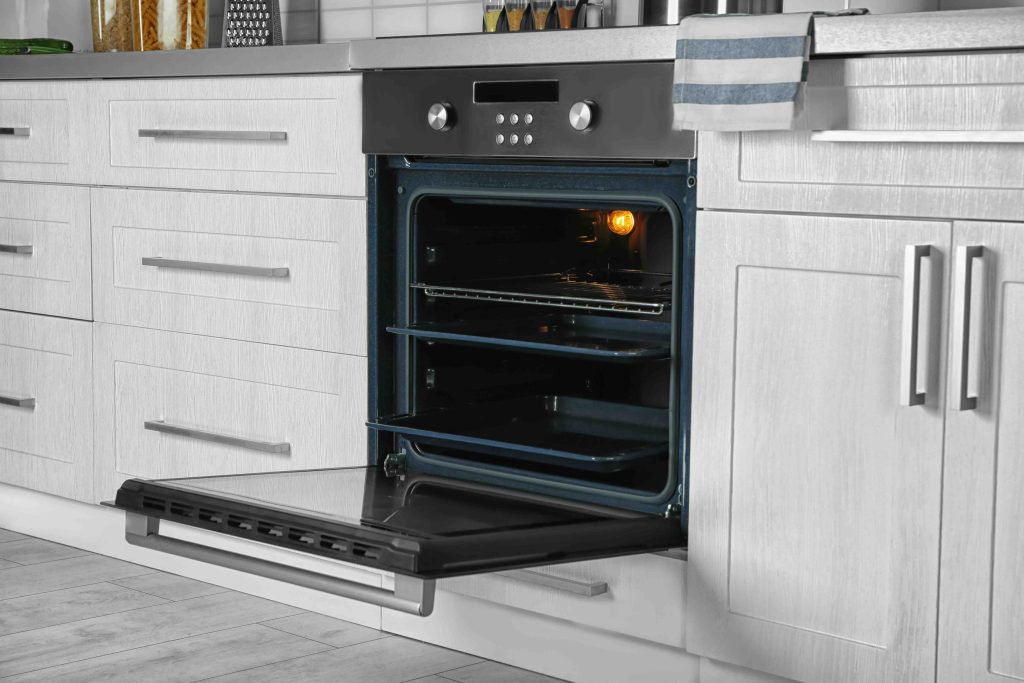
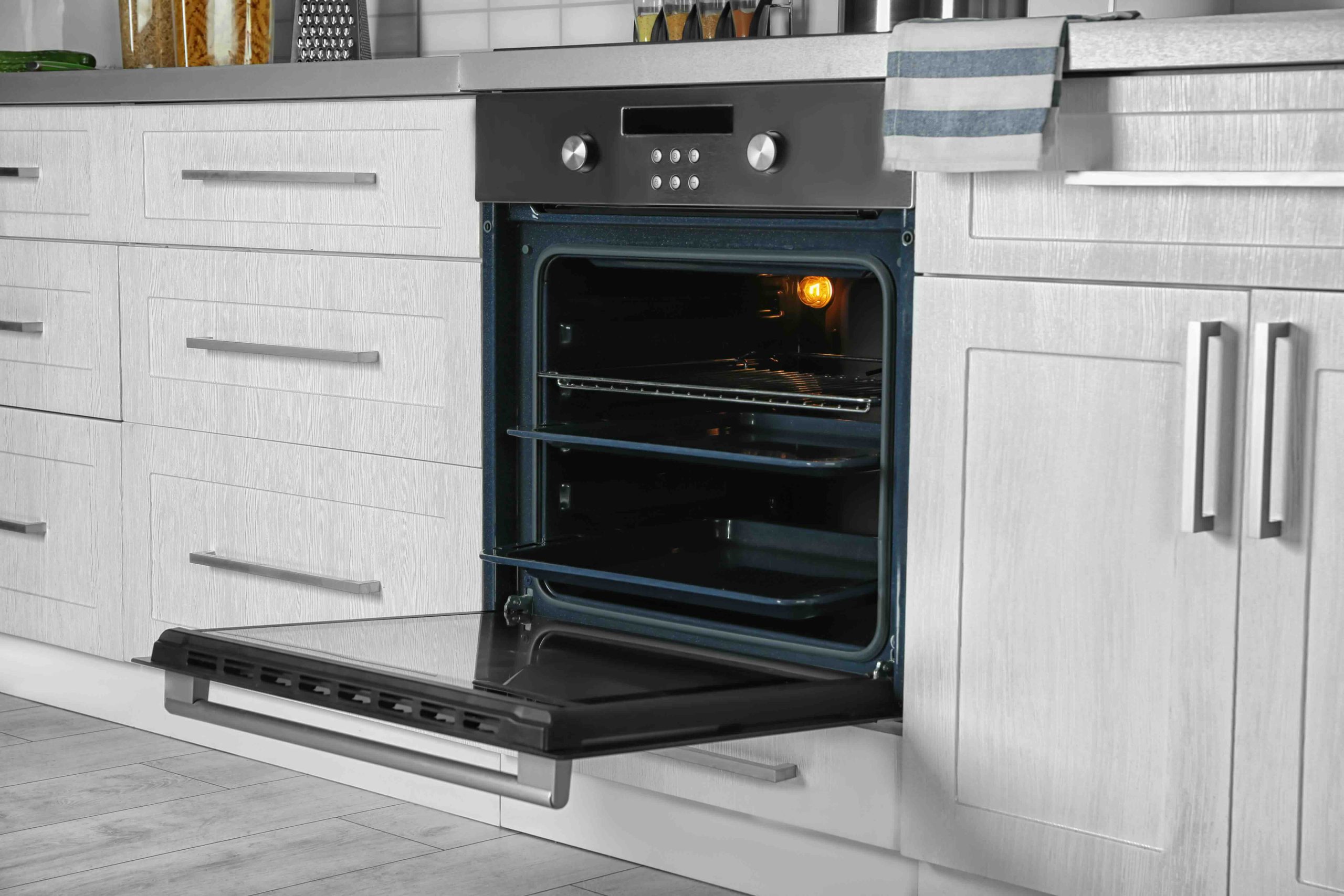
Electric ovens operate using a fairly straightforward system. Power enters the appliance through a dedicated 240-volt circuit, which is significantly more voltage than a standard outlet. From there, electricity flows to one or more heating elements, typically a bake element at the bottom and a broil element at the top. A thermostat or electronic control board monitors the internal temperature and cycles the elements on and off to maintain the set heat level. When everything functions as it should, the process is seamless. When one component fails, the whole system can appear completely dead, even if the issue is relatively minor.
Common Reasons an Electric Oven Will Not Turn On
There is rarely just one reason an electric oven stops working. Several potential culprits tend to come up repeatedly, and understanding them helps you communicate more clearly with a technician or your home warranty provider.
- Tripped circuit breaker or blown fuse in the electrical panel
- A failed bake or broil heating element that prevents the oven from reaching temperature
- A faulty igniter or thermal fuse that interrupts the power cycle
- A malfunctioning electronic control board, which acts as the brain of the appliance
- A broken door latch that prevents the oven from activating as a safety measure
- Wiring issues between internal components
- A failed temperature sensor that sends incorrect readings to the control board
Some of these are relatively inexpensive fixes. Others, like a full control board replacement, can push the cost of repair uncomfortably close to the cost of a new unit. That gap is where home warranty coverage tends to prove its value.
What You Can Check Before Calling a Technician
Not every oven outage requires a service call right away. A few basic checks can save time and, in some cases, resolve the issue entirely. Start with the circuit breaker. Locate your home’s electrical panel and look for the breaker labeled for the kitchen or oven. If it has tripped, it will sit in a middle position between on and off. Reset it and test the oven again. If the breaker trips again immediately, stop there and call a professional, because a recurring trip signals a deeper electrical problem. Also check that the oven clock or display is functioning. If the display is dark, the appliance may not be receiving power at all. Finally, check that the oven is not stuck in a self-clean lockout mode, which can sometimes mimic a power failure.

The Real Cost of Electric Oven Repairs
Repair costs for electric ovens vary widely depending on the failed component and your location. Replacing a heating element typically runs between $150 and $300 including labor. A thermal fuse replacement is usually on the lower end of that range. However, replacing a control board can cost anywhere from $200 to $600 or more once labor is factored in. If the oven is an older model or part of a high-end range, parts may be harder to source, which adds cost and delays. Understanding these numbers is important when weighing whether repair or replacement makes more financial sense, and it is exactly the kind of decision a home warranty is designed to simplify.
When Repair Does Not Make Sense Anymore
There is a general rule of thumb in the appliance repair world that tends to hold up well. If the cost of repair exceeds fifty percent of the cost of replacement, it is often smarter to replace the unit. Electric ovens typically last between thirteen and fifteen years with normal use. If your oven is already ten or twelve years old and the control board fails, the math may not favor repair. The age of the appliance, the availability of parts, and the overall condition of the unit all factor into that decision. A qualified technician can help you evaluate this, and a good home warranty provider will have clear terms about when they cover repair versus replacement.
Key Advantages of Having a Home Warranty for Appliance Failures
Home warranties exist specifically to handle moments like a non-functioning electric oven. Instead of scrambling to find a reputable repair company and negotiating costs, a home warranty plan connects you with a vetted technician and covers eligible repair costs under your plan terms. The advantages are worth understanding clearly.
- Predictable costs through a fixed annual premium and service fee rather than unpredictable out-of-pocket repair bills
- Access to pre-screened, qualified technicians without having to research contractors independently
- Coverage for multiple systems and appliances under a single plan
- Peace of mind during ownership transitions, particularly for buyers who do not know the full history of an appliance
- Potential for replacement coverage when repair is not feasible
Common Drawbacks to Be Aware Of
Home warranties are not perfect, and it is worth going in with clear expectations. Most plans include coverage limitations and exclusions that can catch homeowners off guard. Pre-existing conditions, improper installation, and cosmetic damage are typically not covered. Some plans have caps on how much they will pay per appliance per year, which could leave you with a remaining balance on an expensive repair. There may also be waiting periods after purchasing a plan before coverage kicks in. Reading the fine print carefully before selecting a plan is not optional. It is essential. A transparent home warranty provider will walk you through exclusions without making you search for them.
How to Prevent Electric Oven Problems Before They Start
Routine maintenance goes a long way toward extending the life of an electric oven and reducing the likelihood of unexpected failures. Clean the interior regularly to prevent grease buildup, which can affect heating elements over time. Avoid using aluminum foil on the oven floor, as it can trap heat and damage the element beneath it. After using the self-clean function, inspect the door seal and latch for any signs of wear or damage. Pay attention to uneven cooking or longer-than-usual preheat times, as these can be early indicators of a failing element or temperature sensor. Catching problems early keeps repair costs lower and extends the usable life of the appliance.
Why Armadillo Is the Smart Choice When Your Electric Oven Fails
When a broken electric oven disrupts your household, the last thing you need is a home warranty experience that adds more confusion to an already stressful situation. Armadillo is built differently. Homeowners who want straightforward, honest coverage for their kitchen appliances and major home systems will find that Armadillo home warranty plans for electric oven and appliance protection are designed with clarity and real-world use in mind. No buried exclusions, no runaround. If your covered appliance fails, the process to get help is direct and accessible. Whether you are dealing with a failed heating element or a completely unresponsive oven, having the right plan in place before the problem happens is the move that saves you the most. Take a few minutes to get a free home warranty quote that covers your kitchen appliances and see exactly what your home could be protected against. Coverage that makes sense, from a company that respects your time and your home.

Frequently Asked Questions About Electric Ovens Not Turning On
Answers to the questions homeowners ask most when their electric oven stops working.
Why is my electric oven completely unresponsive with no display?
If the display is dark and the oven shows no signs of power, the most likely cause is a tripped circuit breaker or a blown thermal fuse. Check your electrical panel first before assuming the appliance itself has failed internally.
Can a faulty outlet cause an electric oven to stop working?
Electric ovens require a dedicated 240-volt outlet rather than a standard wall outlet. If that outlet or its wiring is faulty, the oven will not receive power. An electrician can test and repair the outlet independently of the appliance itself.
How do I know if my oven’s heating element is burned out?
A burned-out element may show visible signs like blistering, holes, or discoloration. You might also notice the oven turning on but failing to reach temperature. A technician can confirm the diagnosis with a continuity test using a multimeter.
Is it safe to try to repair an electric oven myself?
Some minor repairs, like replacing a heating element, are manageable for a confident DIYer who has disconnected power to the appliance first. However, anything involving the control board, wiring, or internal electrical components should be handled by a qualified appliance technician.
Does a home warranty cover a broken electric oven?
Most home warranty plans include coverage for built-in electric ovens and ranges, provided the failure is due to normal wear and not pre-existing damage or improper use. Review your specific plan terms to confirm which components are covered.
How long do electric ovens typically last?
Electric ovens generally have a lifespan of thirteen to fifteen years with regular use and proper maintenance. Appliances that are used heavily or not cleaned routinely may experience component failures earlier in that range.
What does a control board replacement cost on an electric oven?
Control board replacements typically cost between $200 and $600 when parts and labor are included. The exact cost depends on the oven brand, model, and your geographic location. High-end brands tend to have more expensive replacement parts.
Can a self-clean cycle cause my electric oven to stop working?
Yes, it can. The extreme heat generated during a self-clean cycle can sometimes cause a thermal fuse to blow as a safety response. If your oven stopped working after running self-clean, a blown thermal fuse is a strong possibility and a relatively straightforward repair.
Will a home warranty pay for a full oven replacement if it cannot be repaired?
Many home warranty plans include replacement provisions when a covered appliance cannot be repaired cost-effectively. The terms vary by provider, so it is important to understand the replacement policy and any applicable caps before purchasing a plan.
How quickly will a home warranty send a technician for an oven repair?
Response times vary by provider and technician availability in your area. Most reputable home warranty companies aim to schedule service within one to three business days for non-emergency appliance failures. Some plans offer faster response options for kitchen appliances given how essential they are to daily life.