What Is a Home Electrical Panel and Why Does It Matter?
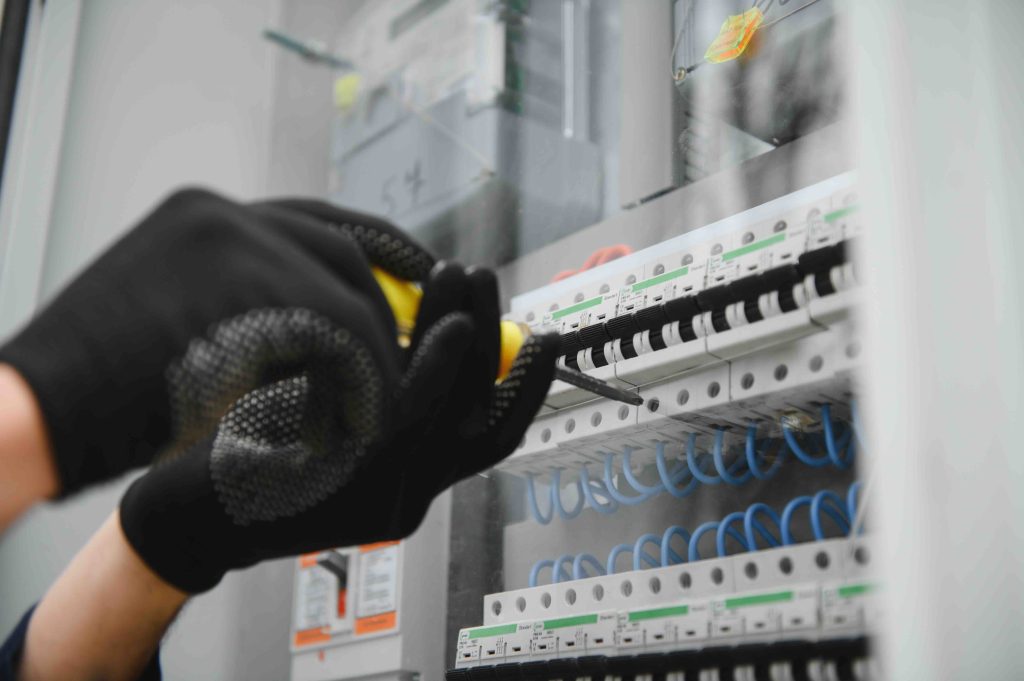
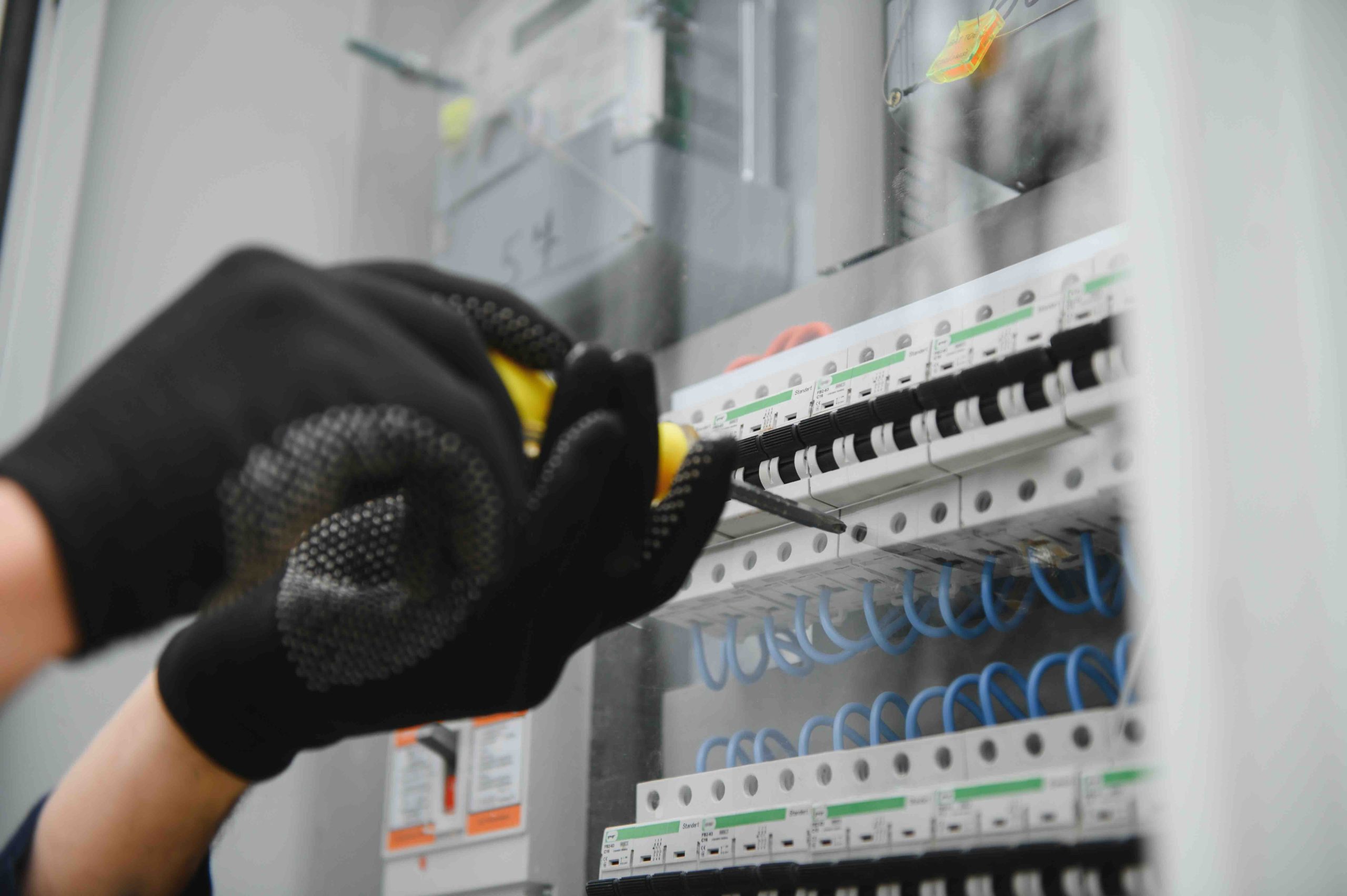
Your home’s electrical panel is one of those things you probably never think about until something goes wrong. And when something does go wrong, it tends to go wrong at the worst possible time. The electrical panel, sometimes called a breaker box or load center, is essentially the brain of your home’s electrical system. It receives power from the utility company and distributes it to every circuit throughout your house. Every light switch, outlet, appliance, and device in your home depends on this one piece of equipment working correctly. Understanding how it operates, what can go wrong, and how to protect yourself financially is genuinely useful information for any homeowner.
How a Home Electrical Panel Actually Works
Power enters your home through a service entrance, typically from overhead lines or an underground feed, and flows directly into the main electrical panel. Inside the panel, that power is divided among individual circuit breakers, each of which controls a specific zone or appliance in your home. The circuit breakers act as safety switches. When a circuit draws too much current, the breaker trips and cuts the power before it can cause overheating or a fire. Each breaker is rated for a specific amperage, commonly 15 or 20 amps for general circuits and significantly more for high-demand appliances like electric dryers, water heaters, or HVAC systems. The main breaker at the top of the panel controls all power flowing into the box, which is why knowing where your panel is located and how to access it safely is something every adult in your household should understand.
Signs That Your Electrical Panel Needs Attention
Most panels are built to last several decades, but age and usage patterns can create serious issues over time. Certain warning signs are worth paying close attention to, especially in older homes where panels may not have been designed to handle the electrical demands of modern appliances and smart home devices.
- Breakers that trip frequently or will not reset after tripping
- A burning smell or visible scorch marks around the panel
- Flickering or dimming lights throughout the house
- Outlets or switches that feel warm to the touch
- A panel that uses fuses instead of circuit breakers
- Buzzing or crackling sounds coming from the panel itself
- A panel brand that has been flagged for safety concerns, such as Federal Pacific or Zinsco
If any of these describe your current situation, it is worth having a licensed electrician inspect the panel sooner rather than later. Electrical problems that go unaddressed are among the leading causes of residential house fires in the United States.
Standard Panel Sizes and What They Mean for Your Home
Electrical panels are measured in amperage, and the capacity of your panel determines how much power your home can use at any given time. Older homes often have 60-amp or 100-amp panels, which were perfectly sufficient for homes that had fewer appliances and no central air conditioning. Today, most new construction installs 200-amp panels as a baseline, and homes with electric vehicles, large HVAC systems, or whole-home backup generators may require 400-amp service. Upgrading a panel from 100 amps to 200 amps is one of the more common electrical projects homeowners tackle, and it typically involves both an electrician and coordination with the local utility company. The cost can range considerably depending on your region and the complexity of the work involved.

Key Advantages of a Well-Maintained Electrical Panel
When your electrical panel is properly sized, up to date, and functioning correctly, you benefit in more ways than one. Safety is the most obvious advantage. A panel that trips appropriately, distributes power evenly, and shows no signs of overheating is doing its job and protecting your home from electrical fires. Beyond safety, a properly functioning panel supports the performance of your appliances and systems. Voltage fluctuations caused by an overtaxed panel can shorten the lifespan of electronics, motors inside HVAC systems, and other sensitive equipment. There is also a real estate angle worth mentioning. Buyers and home inspectors pay close attention to the electrical panel during the purchase process. A panel that is outdated, undersized, or from a flagged manufacturer can complicate a sale or affect your home’s appraised value.
Common Drawbacks and Limitations to Know
Electrical panels are not without their complications. One of the biggest drawbacks is cost. A full panel replacement can run anywhere from several hundred dollars to well over a thousand, and that number climbs when the work requires a permit, a utility disconnect, or significant rewiring. Panel upgrades also require the expertise of a licensed electrician, which means this is not a do-it-yourself project under any circumstances. Additionally, homeowners in older properties may discover that addressing the panel is just the beginning. Outdated wiring throughout the house, such as aluminum branch circuit wiring or knob-and-tube systems, can compound the issue and increase the overall cost of bringing the electrical system up to modern standards.
How Home Warranties Interact With Electrical Panels
This is where things get interesting for homeowners who are evaluating their coverage options. Many home warranty plans include the electrical system as a covered component, but the specific terms vary quite a bit between providers. Coverage typically applies to the internal components of the panel itself, meaning the breakers, the wiring within the panel, and associated components that fail due to normal wear and use. What is usually not covered includes code upgrades, panel replacements necessitated by capacity limitations rather than component failure, or damage caused by external events like power surges or storms, which fall under homeowners insurance territory. Reading the fine print matters here, and knowing exactly what your warranty covers before something fails is the smartest position to be in.
Practical Tips for Homeowners
- Label every circuit in your panel clearly so you can identify which breaker controls which area of your home
- Test your breakers periodically by manually flipping them to ensure they are still functioning properly
- Never ignore a breaker that trips repeatedly, as this is your panel communicating that something is wrong
- Schedule a professional electrical inspection every few years, especially if your home is more than 25 years old
- Avoid overloading circuits by plugging too many high-draw devices into a single outlet or power strip
- If you are adding a major appliance or EV charger, consult an electrician about whether your current panel can handle the added load
When to Repair Versus When to Replace
Not every electrical panel problem requires a full replacement. Sometimes a single breaker has simply failed and can be swapped out at a relatively low cost. Other times, a panel that is showing its age but still functioning correctly might just need a thorough inspection and some minor servicing. However, if your panel is 30 to 40 years old, is from a manufacturer with a known safety history, or consistently struggles to meet the demands of your household, replacement is generally the more responsible long-term decision. Think of it this way: the cost of a new panel is a fraction of what a house fire or major electrical failure could cost you in repairs, liability, and the disruption to your daily life.
Why Armadillo Belongs in Your Home Protection Strategy
Protecting your home’s electrical system is not just about knowing what can go wrong. It is about having the right coverage in place when something does. If you are looking for a home warranty that actually takes electrical systems seriously, Armadillo home warranty plans for electrical system coverage are built with real homeowners in mind, offering transparent terms and coverage that makes sense rather than hiding behind confusing exclusions. Whether you are dealing with a tripped breaker that will not reset, a panel that is showing its age, or just the general anxiety of owning a home with aging systems, having a plan in your corner changes the experience entirely. You can get a personalized home warranty quote for electrical and system coverage in just a few minutes, and it is worth knowing what protection looks like before you need it.

Frequently Asked Questions About Home Electrical Panels
Answers to the most common questions homeowners have about electrical panels, coverage, and what to expect from repairs or replacements.
How long does a home electrical panel typically last?
Most electrical panels are designed to last between 25 and 40 years, though the quality of the installation, the brand of the panel, and the electrical demands placed on it over time can all influence how long a panel remains safe and functional.
Does a home warranty cover electrical panel replacement?
Many home warranty plans cover the internal components of an electrical panel, such as circuit breakers and wiring within the unit. Full panel replacement is sometimes covered when failure is due to normal wear, but coverage terms vary by provider, so reviewing your specific contract is essential.
What is the difference between a fuse box and a circuit breaker panel?
A fuse box uses replaceable fuses that burn out when a circuit is overloaded, while a circuit breaker panel uses switches that trip and can be reset. Breaker panels are considered safer, more convenient, and better suited to modern electrical demands.
How much does it cost to replace an electrical panel?
The cost of replacing an electrical panel typically ranges from around 1,500 to 4,000 dollars depending on the size of the panel, local labor rates, permit requirements, and whether any additional wiring work is needed alongside the replacement.
Is it safe to reset a tripped breaker yourself?
Yes, resetting a tripped breaker is generally safe if you do it properly by first turning off or unplugging devices on that circuit, then flipping the breaker fully to the off position before switching it back on. If the breaker trips again immediately, stop and call an electrician.
What is a double-tapped breaker and why is it a problem?
A double-tapped breaker occurs when two wires are connected to a single breaker terminal that was designed for only one wire. This is a code violation in most jurisdictions and can cause overheating, arcing, and fire hazards if left unaddressed.
Do I need a permit to upgrade my electrical panel?
In most areas, yes. Electrical panel upgrades are considered significant work that requires a permit and inspection by a local building authority. Your electrician should handle the permit process, and any work done without one may create issues during a future home sale.
What makes Federal Pacific and Zinsco panels dangerous?
Both Federal Pacific and Zinsco panels have been associated with breakers that fail to trip under overload conditions, which means the safety mechanism does not activate when it should. This significantly increases the risk of overheating and electrical fires. Homes with these panels are often recommended for immediate evaluation by a licensed electrician.
Can I add more circuits to my existing electrical panel?
If your panel has open breaker slots and sufficient amperage capacity, adding circuits is possible. If your panel is already maxed out, you may need a subpanel or a full panel upgrade to accommodate additional circuits safely.
How do I know if my electrical panel is overloaded?
Signs of an overloaded panel include breakers that trip regularly, lights that dim when appliances kick on, outlets that spark or feel warm, and a general sense that your home cannot power everything comfortably at once. An electrician can perform a load calculation to determine whether your panel is undersized for your current usage.