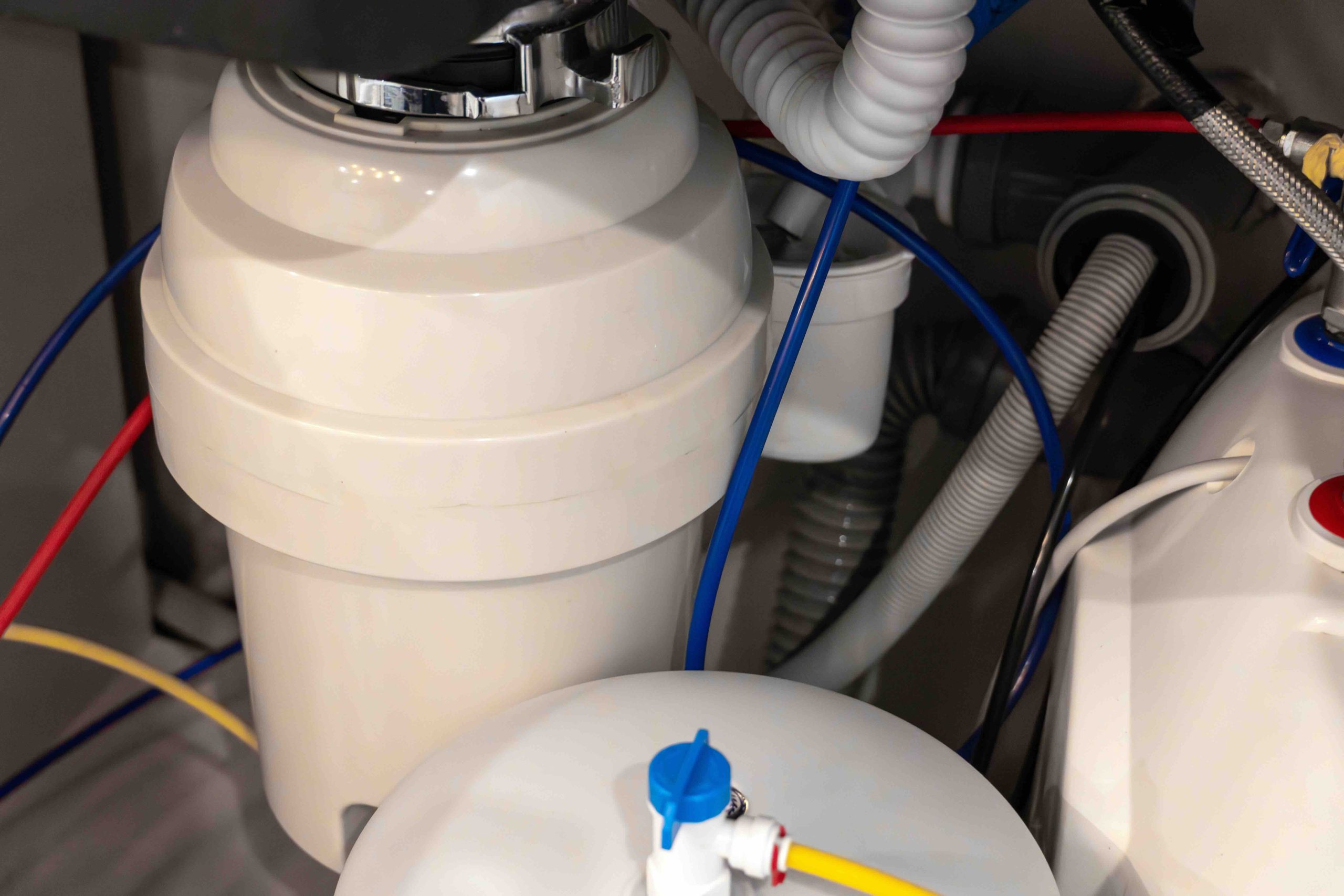
Why Does Your Garbage Disposal Smell and What Can You Do About It?
If you have walked into your kitchen and been greeted by a smell that belongs anywhere but near where you prepare food, your garbage disposal is likely the culprit. That unpleasant odor is not random. It builds up over time from food particles, grease, and bacteria that cling to the interior walls and grinding components of the unit. The disposal works hard every day, but it does not clean itself, and most homeowners do not think about maintaining it until the smell becomes impossible to ignore. Understanding how to make a garbage disposal smell better is genuinely useful information, and once you know what causes the issue, the fixes are surprisingly simple.
How a Garbage Disposal Actually Works
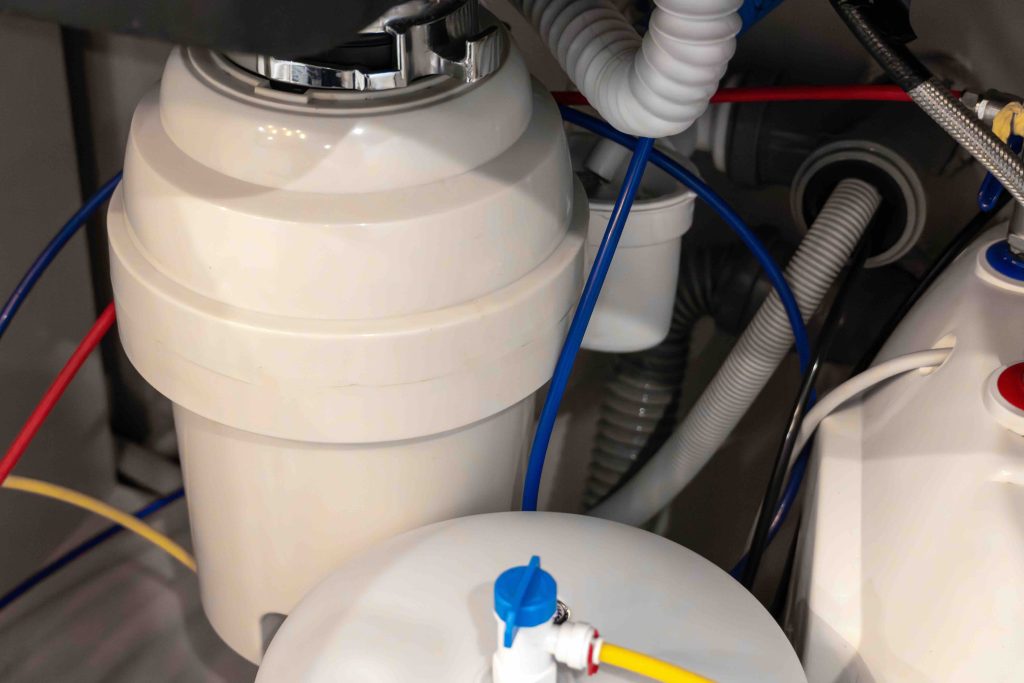
Before jumping into solutions, it helps to understand the appliance itself. A garbage disposal is a motorized unit mounted beneath your kitchen sink. When you run it, a spinning plate with impellers breaks down food waste into small particles that then flush through your plumbing. It is not exactly a blender, but the concept is similar enough. The inside of the unit is wet, dark, and constantly exposed to organic matter, which makes it a prime environment for bacterial growth and mold. That combination is what creates the odor. Grease coats the walls. Bits of food lodge in the rubber splash guard. And over time, things get pretty ripe in there.
The Most Common Causes of Garbage Disposal Odor
Not all disposal smells come from the same source, and identifying what is causing yours can help you pick the most effective remedy. Here are the most frequent contributors to that unpleasant kitchen smell:
- Food residue trapped beneath the rubber splash guard or baffle
- Grease and fat buildup coating the grinding chamber walls
- Mold and mildew growing in the damp interior of the unit
- Standing food particles that were not fully flushed through with water
- Items like fibrous vegetables or starchy foods that do not break down cleanly
Once you know the cause, you can stop guessing and start treating the problem at its actual source instead of masking it with air freshener.
How to Make Your Garbage Disposal Smell Better Starting Today
There are several approaches that genuinely work, and most of them use items you already have at home. One of the most effective methods is using baking soda and white vinegar together. Pour about half a cup of baking soda down the drain, follow it with a cup of white vinegar, and let the reaction do its work for a few minutes before flushing with hot water. This combination neutralizes odors and loosens grime from the interior walls. Another popular method involves cutting citrus peels, specifically lemon or orange, into small pieces and running them through the disposal with cold water. The natural oils help cut grease and leave a much more pleasant scent behind. Ice cubes are also worth mentioning. Running a tray of ice through the disposal helps scrub the grinding components and dislodge debris that has been sitting there longer than it should.
Cleaning the Splash Guard Is Non-Negotiable
This is the step most people skip, and it is usually the biggest source of the smell. The rubber splash guard, that dark rubber flap sitting over the drain opening, collects an enormous amount of gunk on its underside. Food particles, grease, and bacteria accumulate there because it rarely gets scrubbed. Pull it out if your model allows it, or fold back the flaps manually, and scrub both sides with a stiff brush and dish soap. Do this once a week if your disposal gets heavy use, or at minimum twice a month. It takes two minutes and makes a noticeable difference. This is maintenance most homeowners learn about only after they have had a disposal long enough to get frustrated with it.
What Not to Put Down Your Garbage Disposal
Prevention is honestly the best tool available here. Knowing what to keep out of the disposal protects both the appliance and your nose. Foods that cause the most odor and buildup tend to be ones the disposal struggles to fully process:
- Grease, oil, and fat in any form
- Fibrous vegetables like celery, artichokes, and asparagus
- Starchy foods such as pasta, rice, and potato peels
- Coffee grounds, which accumulate and create a sludgy buildup
- Eggshells, which many people assume are helpful but actually contribute to residue
Sticking to softer food scraps and always running cold water during and after use will extend both the life of the unit and the time between deep cleanings.

How Often Should You Clean Your Garbage Disposal?
A light cleaning once a week is a reasonable goal for a household that uses the disposal regularly. This does not need to be a full production every time. Running citrus peels through on a Sunday evening or dropping in some baking soda after dinner takes very little effort and keeps odors from building up. A more thorough scrub of the splash guard and grinding chamber should happen at least twice a month. If you have a larger household or you use the disposal heavily, bump that up. Think of it the same way you think about wiping down the stovetop. Small, consistent effort prevents larger problems from developing.
When Cleaning Is Not Enough
Sometimes the smell persists even after thorough cleaning, and that usually means something else is going on. A persistent sewer-like odor could point to a problem with your plumbing rather than the disposal itself, such as a dry P-trap or a venting issue. A burning smell during operation is a different issue entirely and often indicates motor strain or an electrical problem. Grinding noises that accompany the smell may mean something is lodged in the unit. These are not situations where DIY remedies will cut it. They require a qualified plumber or appliance technician. Knowing the difference between a maintenance issue and a mechanical one is important, especially when it comes to understanding what your home warranty may or may not cover.
How Garbage Disposal Maintenance Connects to Your Home Warranty
Here is something worth knowing as a homeowner. Most home warranty plans that cover kitchen appliances do include garbage disposals, but coverage typically applies to mechanical and electrical failures, not damage caused by neglect or misuse. If your disposal fails because a component wears out over time, that is generally a covered repair or replacement scenario. If it fails because it was never cleaned and grease buildup corroded the interior components, that is a different conversation. This is why regular maintenance matters beyond just keeping your kitchen smelling fresh. Documented care of your appliances supports your position if you ever need to file a claim. A well-maintained disposal is also simply more likely to last through its expected service life, which means fewer repair calls overall.
Why Armadillo Is the Right Choice for Protecting Your Home Appliances
Keeping your garbage disposal clean is a smart habit, but even the most diligent homeowner cannot prevent every mechanical failure. Appliances wear down. Motors burn out. Components fail at inconvenient times. That is exactly where a dependable home warranty steps in. Armadillo offers straightforward, honest coverage for the systems and appliances that keep your home running, including kitchen appliances like your garbage disposal. There are no confusing fine print traps, no surprise exclusions that leave you holding the bill after a covered item fails. If you want a trusted home warranty plan that covers kitchen appliances and garbage disposals, Armadillo is built for homeowners who want real protection without the runaround. Whether your disposal suddenly stops working or another covered system breaks down unexpectedly, having the right plan in place means you are not scrambling to find a technician and negotiate repair costs out of pocket. Take a few minutes and get a free home warranty quote that includes garbage disposal coverage and see how simple protecting your home can actually be.

Frequently Asked Questions About Garbage Disposal Odors and Maintenance
Answers to the questions homeowners ask most often about keeping their garbage disposal clean and odor-free.
What is the fastest way to make a garbage disposal smell better?
The fastest method is to pour half a cup of baking soda into the drain, follow with a cup of white vinegar, wait five minutes, then flush with hot water. For an immediate fresh scent, run a few citrus peels through the disposal with cold water afterward.
Why does my garbage disposal still smell after cleaning it?
The odor often comes from the underside of the rubber splash guard, which most people forget to scrub. If cleaning the splash guard does not resolve it, the issue may be within your plumbing, such as a dry P-trap or sewer gas backup, rather than the disposal itself.
How often should I clean my garbage disposal?
A light cleaning once per week is ideal for regular household use. A more thorough cleaning that includes scrubbing the splash guard should happen at least twice per month.
Is it safe to put ice cubes in a garbage disposal?
Yes. Running ice cubes through the disposal helps scrub the grinding components and dislodge food particles that contribute to odors. It will not damage the blades or motor.
Can I use bleach to clean my garbage disposal?
Bleach is generally not recommended. While it can kill bacteria temporarily, it can also damage rubber components inside the unit and harden grease rather than dissolving it, which creates more buildup over time.
Does a home warranty cover garbage disposal replacement?
Many home warranty plans include garbage disposals under kitchen appliance coverage. Coverage typically applies to mechanical or electrical failures due to normal wear, not damage resulting from misuse or lack of maintenance.
What foods should never go in a garbage disposal?
Grease, oil, fibrous vegetables, starchy foods like pasta and rice, eggshells, and coffee grounds should all be avoided. These items either create buildup, wrap around components, or contribute heavily to odor development.
Why does my garbage disposal smell like sewage?
A sewer smell often indicates a plumbing issue rather than a disposal problem. A dry P-trap, a blocked vent pipe, or a drain clog further down the line can cause sewer gases to rise through your sink drain.
Can I use commercial disposal cleaning tablets?
Yes, commercial disposal cleaning products are generally safe and effective when used as directed. They can be a convenient alternative to DIY methods, especially for routine maintenance between deeper cleanings.
How long does a garbage disposal typically last?
A well-maintained garbage disposal generally lasts between eight and fifteen years depending on the brand, usage frequency, and how consistently it receives proper care. Regular cleaning and avoiding problematic food items can extend its lifespan significantly.