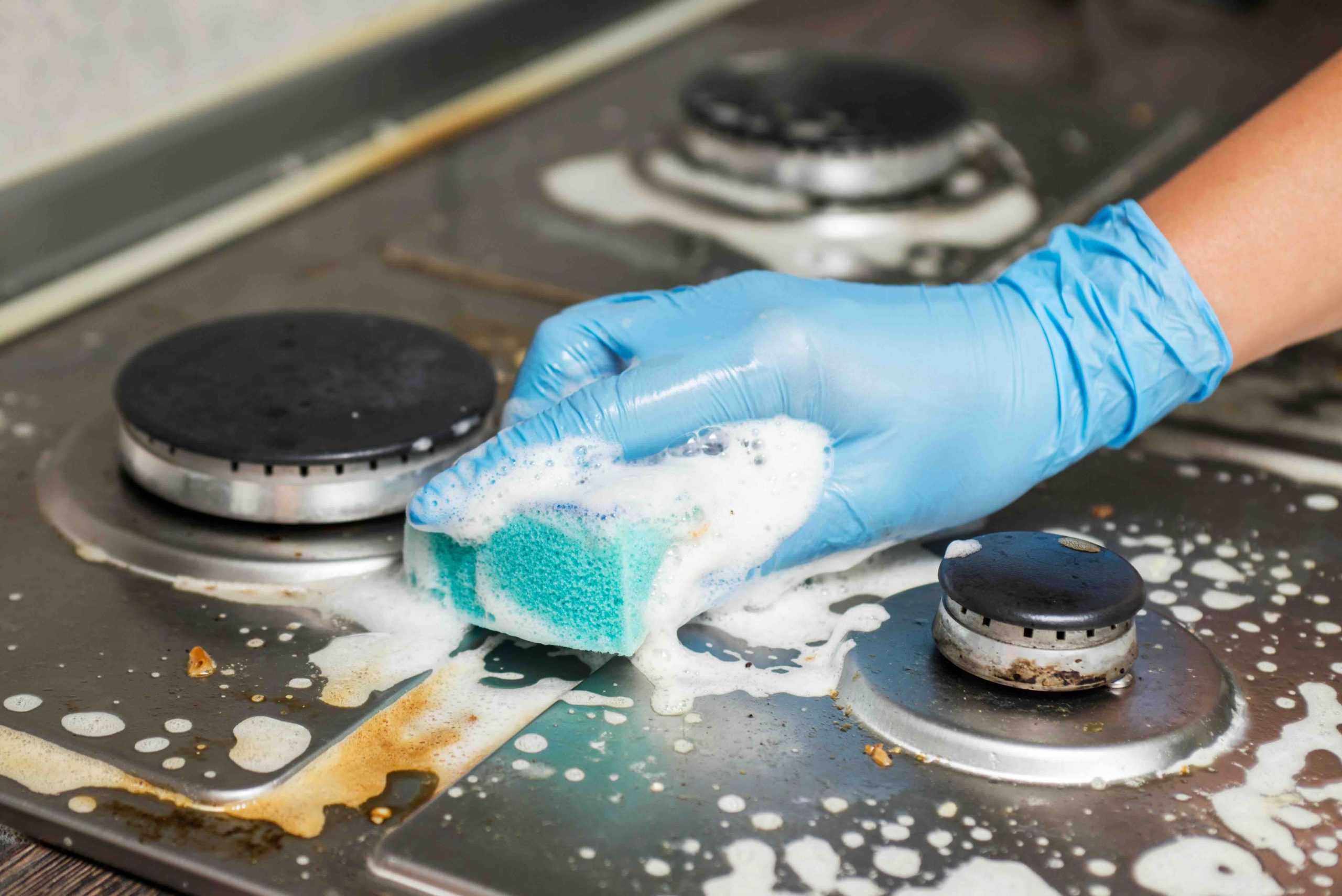
Why Cleaning Your Gas Oven Actually Matters More Than You Think
Most homeowners treat oven cleaning like a chore that can wait until next month. And then next month becomes three months, and suddenly there is baked-on grease coating every surface inside the cavity. Here is the thing: a dirty gas oven does not just look bad. It can affect how evenly your food cooks, create smoke and odors during use, and in some cases, it can become a fire hazard. Grease buildup around the burner area is no small concern. Taking the time to learn how to clean the gas oven properly is genuinely one of the better things you can do for your kitchen and your appliance’s lifespan.
How a Gas Oven Works and Why It Gets So Dirty
Gas ovens use a burner located at the bottom of the oven cavity, sometimes hidden beneath a panel, to generate heat. As food cooks, it releases oils, moisture, and particles that settle onto the oven walls, floor, racks, and door. Over time, these residues get exposed to repeated high heat cycles, which bakes them into carbon deposits and hardened grease. Unlike an electric oven, a gas oven also has a visible igniter and gas ports that can become clogged or coated if cleaning is neglected. That buildup can lead to uneven flames, slower preheating, and in some situations, an oven that simply refuses to ignite correctly. Understanding how the appliance works makes it easier to clean it thoughtfully rather than just scrubbing everything in sight.
What You Need Before You Start Cleaning
Preparation makes the actual cleaning process significantly faster and safer. Before you do anything else, make sure the oven is completely cool and that the gas supply is not actively running. Gather your supplies ahead of time so you are not searching through cabinets mid-process with greasy gloves on.
- Baking soda and white vinegar for a natural cleaning paste
- Dish soap and warm water for general wiping
- A non-abrasive scrub pad or sponge
- A plastic or silicone scraper for stubborn deposits
- Rubber gloves to protect your hands
- Microfiber cloths or paper towels for wiping surfaces clean
- A commercial oven cleaner if you are dealing with heavy, baked-on grease
Avoid steel wool or metal scrapers on porcelain oven interiors. They scratch the surface and create spots where grease sticks even faster going forward. Also avoid getting any cleaning solution near the gas ports or igniter, as moisture in those areas can cause ignition problems.

Step-by-Step: How to Clean the Gas Oven Interior
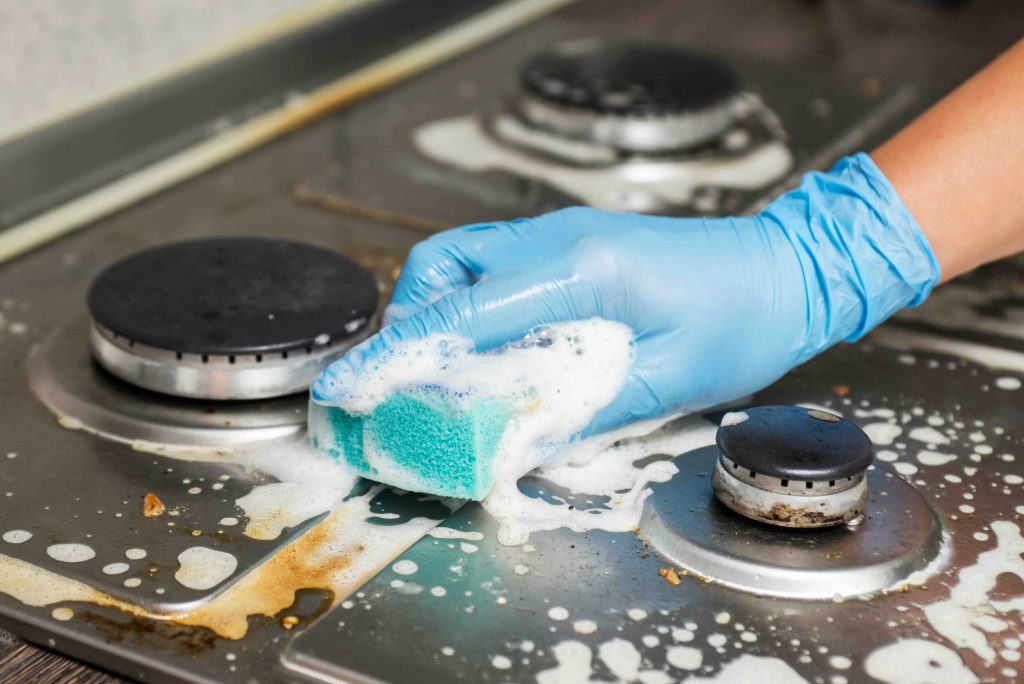
Start by removing the oven racks entirely and setting them aside. Mix a paste using about half a cup of baking soda with a few tablespoons of water until it forms a spreadable consistency. Coat the interior walls, the oven floor, and the inside of the door with this paste, avoiding the gas ports and igniter. Let it sit for at least 12 hours, or overnight if possible. That resting period is doing the actual work, softening the carbon deposits so they wipe away without requiring excessive scrubbing. After the paste has set, use a damp cloth to wipe it all out. Any remaining spots can be sprayed lightly with white vinegar, which will react with the baking soda residue and help lift stubborn patches. Finish with a clean damp cloth, then a dry one. For heavily soiled ovens, a commercial cleaner used according to label instructions may be more practical than the baking soda method.
Cleaning the Gas Oven Racks the Right Way
Oven racks can be soaked in a bathtub or a large utility sink with hot water and a generous amount of dish soap. Let them soak for several hours. After soaking, use a non-abrasive scrub pad to remove loosened grease and residue. For particularly stubborn buildup, a paste of baking soda and dish soap applied directly to the racks and left for 30 minutes before scrubbing works well. Rinse thoroughly and dry completely before sliding them back into the oven. Returning wet racks to a gas oven is not ideal since trapped moisture can cause issues over time, especially around the metal components inside the cavity.
How to Clean the Gas Oven Door and Glass
The oven door often gets overlooked, but it accumulates grease splatter just like the interior walls. For the outer glass panel, a standard glass cleaner works fine. For the inner glass, which tends to collect more baked-on residue, apply the baking soda paste, let it sit for 20 to 30 minutes, then wipe clean. If there is grime between the two panes of glass, some oven doors can be disassembled by removing screws along the top edge, though this varies by model and manufacturer. Check your oven manual before attempting that, and if it is not covered clearly, it may be better to leave it to a technician.
Common Mistakes Homeowners Make When Cleaning a Gas Oven
Even well-intentioned cleaning efforts can cause problems if a few key mistakes are made. Using the self-cleaning function on a gas oven that already has heavy grease deposits can cause more smoke than most people expect, and in some situations, it can damage the oven’s internal components due to the extreme heat involved. Another mistake is using excessive water near the igniter or gas ports, which can affect the oven’s ability to ignite properly. Spraying cleaning products directly onto the oven’s back wall where electrical connections may be located is also a risk. Working carefully and methodically around these sensitive areas keeps the cleaning process safe and effective.
How Often Should You Clean Your Gas Oven
A light wipe-down after every few uses goes a long way toward preventing serious buildup. A more thorough cleaning every one to three months is reasonable for most households, depending on how frequently the oven gets used and what types of food are being cooked. Homes where roasting meats or baking casseroles happens regularly will likely need more frequent attention than those using the oven mainly for frozen meals. Setting a calendar reminder sounds overly structured, but it genuinely helps. A consistently maintained gas oven performs better, lasts longer, and is far easier to clean than one that has been neglected for a year.
Where Home Warranty Coverage Fits Into the Picture
Keeping your gas oven clean is your responsibility as a homeowner, and no home warranty plan is going to cover the aftermath of neglected maintenance. That said, what a quality home warranty does cover is the mechanical and functional side of your appliances when they fail due to normal wear and tear. If your gas oven’s igniter fails, a burner stops working, or an internal component breaks down unexpectedly, that is exactly where coverage becomes valuable. Armadillo home warranty plans built for gas appliance protection are designed to cover the kinds of repairs that catch homeowners completely off guard. A clean oven is one you can catch problems in early, and when those problems turn into repair needs, having a plan in place means you are not scrambling for a technician or wondering what the bill will look like. Get a free home warranty quote to protect your gas oven and kitchen appliances and see what coverage looks like for your home before something goes wrong rather than after.

Frequently Asked Questions About How to Clean a Gas Oven
These are the questions homeowners ask most often when tackling gas oven cleaning for the first time or after a long stretch of neglect.
Can I use the self-clean feature on my gas oven?
Many gas ovens do include a self-clean cycle, but it should only be used when there is a moderate level of buildup inside. The self-clean function runs at extremely high temperatures to incinerate residue, which can produce significant smoke and, in ovens with heavy grease accumulation, can potentially damage internal components or cause a small fire inside the oven cavity. Manual cleaning is safer and more controlled for heavily soiled ovens.
Is it safe to use commercial oven cleaners in a gas oven?
Yes, commercial oven cleaners are generally safe for use in gas ovens as long as you follow the product instructions carefully. The most important precaution is keeping the cleaner away from the gas burner, igniter, and gas ports. Adequate ventilation is also essential when using these products, as the fumes can be strong.
How do I clean the gas burner at the bottom of my oven?
If your gas oven has an exposed burner at the bottom, use a dry brush or a soft cloth to remove loose debris from around the burner ports. Avoid getting water or liquid cleaners directly on the burner or igniter. If the burner ports appear clogged, a toothpick or thin wire can gently clear them, though any significant burner issues should be inspected by a professional.
How long does oven cleaner need to sit before wiping it off?
Most commercial oven cleaners require anywhere from 20 minutes to several hours depending on the product and the level of buildup. Always read the specific instructions on the label. For the baking soda and vinegar method, an overnight soak of at least 12 hours produces the best results.
What is the fastest way to clean a gas oven?
For a quick clean, a commercial oven spray applied for 20 to 30 minutes followed by a thorough wipe-down with a damp cloth handles most light to moderate buildup. For a deeper clean with fewer chemicals, the baking soda paste method works well but requires more resting time. There is no truly fast method for a heavily neglected oven.
Can I clean gas oven racks in the dishwasher?
Some oven racks can technically go in a dishwasher, but the process is hard on the racks over time, can leave residue on the dishwasher interior, and often does not clean them as effectively as soaking and manual scrubbing in a sink or bathtub. Manual soaking remains the more reliable method.
Why does my gas oven smoke after I clean it?
Residual cleaning product left inside the oven can cause smoking when the oven is first turned on after cleaning. Always wipe the interior thoroughly with a clean, damp cloth after cleaning, then run the oven at a low temperature for about 15 to 20 minutes with the kitchen ventilated to burn off any remaining residue before using it for food.
How do I get rid of the smell after cleaning my gas oven?
After cleaning, place a small oven-safe dish filled with water and a few slices of lemon inside the oven, then run it at a low temperature for about 20 minutes. This helps neutralize odors from cleaning products or burned residue. Good ventilation in the kitchen during and after cleaning also helps significantly.
Does cleaning my gas oven affect my home warranty coverage?
Regular cleaning is considered basic homeowner maintenance and does not negatively affect home warranty coverage. However, if cleaning is neglected to the point where buildup causes a component to malfunction, a warranty provider may determine that the failure resulted from lack of maintenance rather than normal wear and tear, which could affect a claim. Keeping the oven clean supports both appliance performance and warranty eligibility.
How do I know if my gas oven needs professional servicing versus just a cleaning?
If your oven is not reaching the correct temperature, the igniter is clicking repeatedly without lighting, the flame appears uneven or orange instead of blue, or there is a persistent gas smell, those are signs that go beyond what cleaning can address. Those symptoms warrant a call to a qualified technician, and a home warranty plan can help cover the cost of that kind of repair.