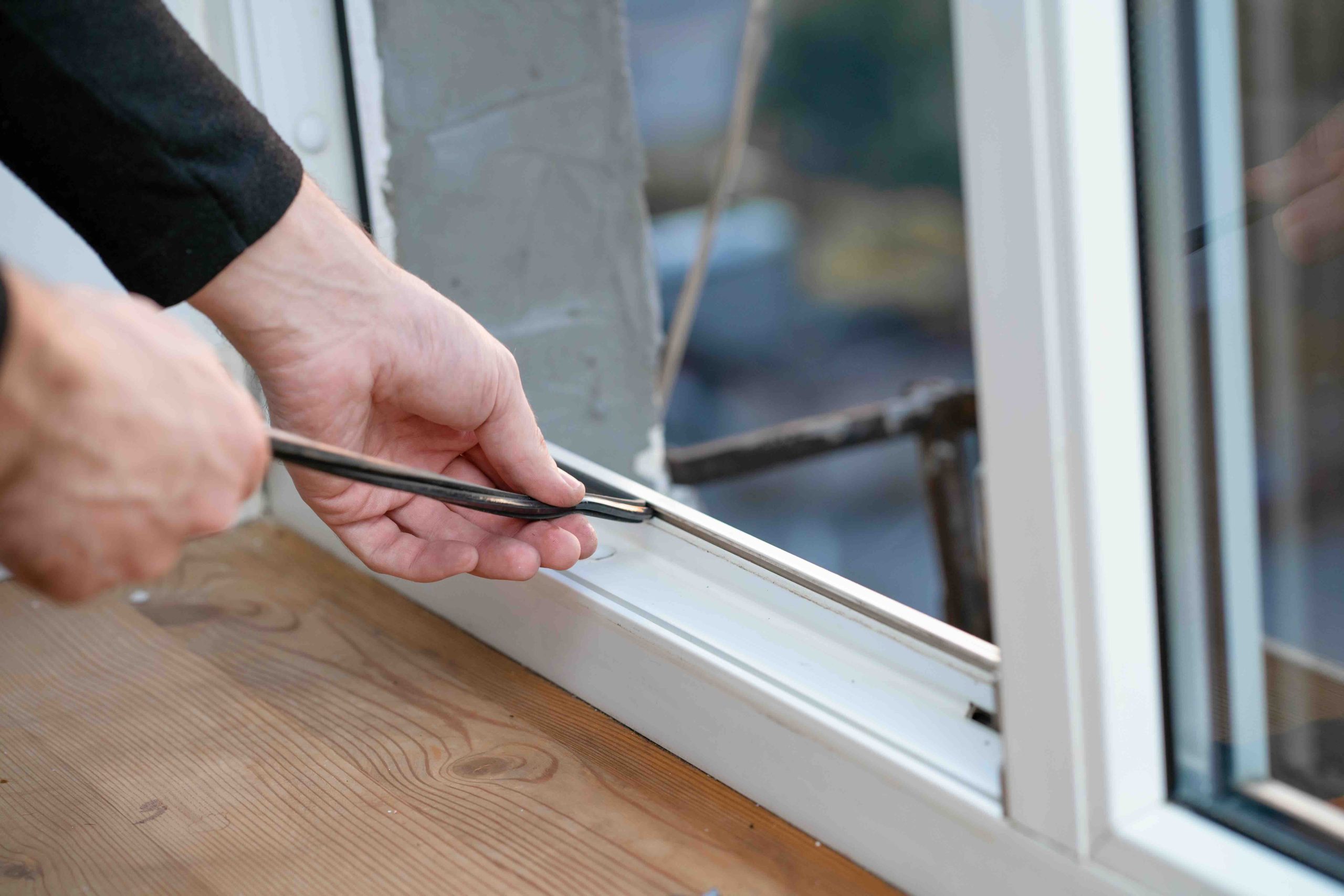
What Are Insulating Strips for Doors and Why Do They Matter?
Insulating strips for doors go by a few names, weatherstripping being the most common, but whatever you call them, they serve one straightforward purpose: sealing the gaps around your door so that air, moisture, bugs, and noise cannot pass through freely. Most homeowners do not think about them until a draft hits their ankles on a winter evening or their energy bill creeps up without explanation. That moment is usually when the search begins. If you are here because your door feels leaky or your home does not hold temperature the way it used to, you are in exactly the right place.
How Insulating Door Strips Actually Work
The concept is straightforward. Doors, even well-fitted ones, have small gaps where the door meets the frame and where the bottom of the door meets the threshold. Over time, those gaps widen as the door expands, contracts, and settles with the house. Insulating strips are installed along those edges to compress against the door when it closes, forming a seal. Depending on the material and style, that seal can block conditioned air from escaping, prevent outdoor air from entering, and even reduce moisture infiltration. The mechanism is passive, meaning once installed, it works without any effort or energy on your part. That simplicity is part of what makes this one of the most cost-effective home upgrades available.
Types of Insulating Strips for Doors
Not all weatherstripping is the same, and the type you choose matters quite a bit depending on where you are applying it and how much wear that area sees. Here is a breakdown of the most common options:
- Foam tape: Inexpensive and easy to apply, best for low-traffic areas and interior doors. Compresses well but wears out faster than other types.
- V-strip or tension seal: Made from plastic or metal and shaped like a V, this type springs back into shape after the door closes. Durable and effective for side frames.
- Door sweeps: Installed along the bottom of the door, these address the gap between the door and the floor or threshold. Available in brush, rubber, and vinyl styles.
- Rubber or vinyl bulb weatherstripping: A tubular design that provides an excellent seal and holds up well over time, commonly found on exterior doors.
- Felt strips: One of the oldest types, affordable but not highly durable. Better suited to interior or low-moisture environments.
Choosing the right type depends on your door type, local climate, and how frequently that door is used. Exterior front doors, back doors, and garage-entry doors benefit most from higher-quality rubber or vinyl options.
Key Advantages of Installing Door Insulating Strips
The benefits extend well beyond keeping a draft out. Energy efficiency is the most talked-about advantage, and rightfully so. Gaps around doors account for a meaningful percentage of heating and cooling loss in a home. Sealing those gaps means your HVAC system does not have to work as hard, which translates to lower utility costs over time. Beyond energy savings, insulating strips help maintain consistent indoor temperatures, reduce outdoor noise transmission, keep insects and pests out, and limit moisture intrusion that can eventually lead to mold or wood rot around the door frame. For the investment, which is often just a few dollars worth of material and an afternoon of work, the return is genuinely impressive.

Common Problems and Risks to Watch For
Installing insulating strips sounds simple, and it usually is, but there are a few ways things can go sideways. Applying the wrong type of strip for a high-traffic door can mean it compresses permanently and loses its seal within months. Foam tape, for example, is not a great long-term solution for a front door that opens and closes dozens of times each day. Another common issue is improper surface preparation. Weatherstripping adheres best to clean, dry surfaces, and skipping that step often leads to peeling and gaps forming sooner than expected. There is also the matter of over-sealing. While rare, installing strips that are too thick can make a door difficult to close, putting stress on hinges and the frame over time. Measuring and testing before permanent installation is always worth the extra few minutes.
How to Install Insulating Strips on a Door
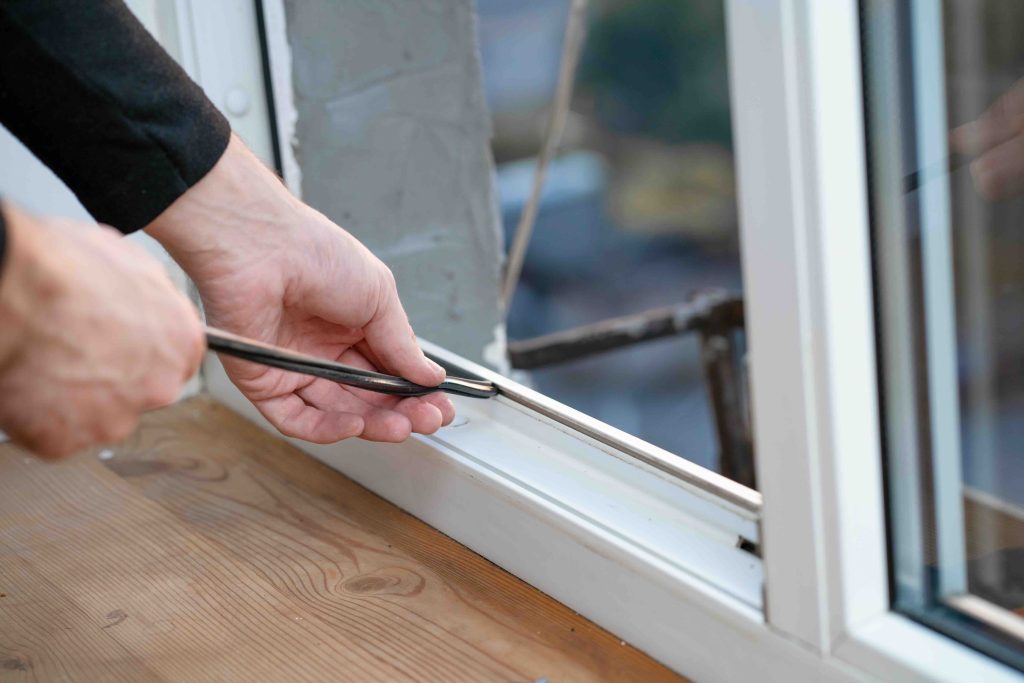
Installation is genuinely beginner-friendly in most cases. Start by cleaning the door frame and the bottom edge of the door thoroughly. Measure the height and width of the door frame accurately, and cut your strips to length before removing any adhesive backing. For foam or adhesive-backed V-strip, press firmly along the stop molding inside the frame so the strip compresses when the door closes. For door sweeps, align the sweep so it makes light contact with the floor or threshold without dragging. Close the door after installation to check the fit. You should feel resistance when closing and notice that drafts are gone. Recheck the seal seasonally, especially after extreme temperature swings, since materials can shrink or expand.
When to Replace Insulating Strips
Most weatherstripping lasts anywhere from one to five years depending on material quality and usage frequency. Signs that it is time to replace include visible cracking or tearing, sections that have peeled away from the frame, drafts you can feel by running your hand along the door edge, or daylight visible around the door when it is closed. A simple test is to close the door on a piece of paper and try to pull it out. If it slides out easily, the seal is no longer effective. Replacing worn strips promptly is worthwhile because degraded seals allow moisture in, and moisture around a door frame can escalate into structural damage if left unaddressed.
Insulating Door Strips and Home Maintenance
Weatherstripping falls squarely into the category of routine home maintenance, the kind of upkeep that keeps small problems from becoming expensive ones. Checking your door seals annually, especially before heating and cooling seasons, is a smart habit. It also connects to the broader picture of your home’s energy envelope. Well-sealed doors work hand-in-hand with attic insulation, window seals, and HVAC efficiency. One weak link can undermine the others. Treating door insulation as a regular maintenance task rather than a one-time fix is the mindset that keeps a home performing well year after year.
Does a Home Warranty Cover Insulating Strips for Doors?
This is a fair question and worth addressing directly. Standard home warranty plans are designed to cover mechanical systems and appliances, things like your HVAC, plumbing, electrical, and kitchen appliances. Weatherstripping and insulating strips are considered maintenance items rather than mechanical components, so they typically fall outside home warranty coverage. That said, the value of a home warranty still connects here. If a drafty door is traced back to a problem with a covered system, like a heating system that is overworking because of poor door seals, a good warranty plan helps you manage those downstream repair costs. Keeping up with small tasks like weatherstripping protects covered systems from unnecessary strain.

Why Armadillo Is the Right Partner for Proactive Homeowners
Homeowners who take time to research something like insulating strips for doors are exactly the kind of people who benefit most from a home warranty. You are thinking ahead, protecting your investment, and trying to avoid the kind of surprise repairs that blindside budgets. That mindset is a natural fit for what Armadillo offers. As a trusted home warranty provider for homeowners focused on protection and prevention, Armadillo is built around transparency, straightforward coverage, and a claims process that does not feel like a battle. Whether your HVAC gives out mid-summer or your water heater decides to quit on a Saturday, having coverage in place means you are not scrambling. If you are ready to protect the systems that keep your home running, take a few minutes to get a personalized home warranty quote for your property and see what coverage makes sense for your home. It is a small step that pairs well with the kind of proactive home care you are already doing.
Frequently Asked Questions About Insulating Strips for Doors
What is the best type of insulating strip for an exterior door?
Rubber or vinyl bulb weatherstripping is generally the best option for exterior doors due to its durability, flexibility in temperature extremes, and superior compression seal. Door sweeps are also recommended for the bottom gap on exterior doors.
How do I know if my door insulating strips need to be replaced?
Check for visible wear such as cracking, flattening, or peeling. You can also feel for drafts along the door edge or slide a piece of paper through a closed door. If the paper pulls out without resistance, the seal is no longer functioning effectively.
Can I install door weatherstripping myself or do I need a professional?
Most types of door insulating strips are designed for DIY installation and require minimal tools. Adhesive-backed foam and V-strip products are especially beginner-friendly. More complex installations, like door sweeps on uneven thresholds, may benefit from professional help.
How long do insulating strips for doors typically last?
Lifespan varies by material. Foam tape may last one to two years on high-traffic doors, while rubber or vinyl options can last three to five years or more. Quality of material and frequency of door use are the biggest factors.
Will adding insulating strips to my doors lower my energy bill?
Yes, sealing air leaks around doors can meaningfully reduce heating and cooling loss. The U.S. Department of Energy notes that drafts can waste a significant portion of a home’s energy. Results depend on how leaky the existing seals were before replacement.
Do insulating strips work on sliding doors?
Yes, though the application is different. Sliding doors typically use fin seal weatherstripping or pile weatherstripping along the tracks, and door sweeps are applied along the bottom edge. The goal is the same: sealing gaps to prevent air and moisture infiltration.
Can door insulating strips help reduce noise?
They can reduce some noise transmission, particularly for gaps around exterior doors that let in street or outdoor sound. While not a complete soundproofing solution, a properly sealed door noticeably reduces ambient noise intrusion.
Is there a difference between weatherstripping and door insulating strips?
The terms are largely interchangeable. Weatherstripping is the broader category name, while insulating strips specifically emphasizes the thermal and air-sealing function. Both refer to the same family of products used to seal gaps around doors and windows.
How often should I inspect my door seals as part of home maintenance?
Inspecting door seals once or twice a year is a reasonable schedule, ideally before the heating season in fall and before peak cooling season in spring. This timing allows you to address worn seals before they affect energy efficiency during the most demanding months.
Does a home warranty cover weatherstripping or door insulating strips?
Weatherstripping is generally classified as a maintenance item and is not covered under standard home warranty plans. Home warranties are designed to cover mechanical systems and appliances rather than routine upkeep tasks like replacing insulating strips.