Why Draining Your Water Heater Is One of the Smartest Things You Can Do as a Homeowner
Most homeowners never think about their water heater until something goes wrong. It sits in the corner of the garage or utility closet, quietly doing its job, and gets completely ignored until there is no hot water or, worse, a puddle on the floor. Here is the thing though: draining your water heater regularly is one of the simplest forms of preventive maintenance you can perform, and it can meaningfully extend the life of the unit. Understanding how to drain a water heater quickly and correctly is a skill worth having, whether you are doing annual upkeep or troubleshooting a problem.
What Happens Inside Your Water Heater Over Time
Water is not as clean as it looks coming out of the tap. It carries dissolved minerals, primarily calcium and magnesium, that settle at the bottom of your tank over time. This buildup is called sediment, and it is surprisingly destructive. As sediment accumulates, your water heater has to work harder to heat water through the layer of deposits sitting on the heating element or burner. This leads to higher energy bills, uneven heating, strange popping or rumbling sounds coming from the tank, and eventual component failure. Draining the tank flushes that sediment out before it becomes a serious liability.
How Often Should You Drain a Water Heater
The general recommendation is to flush and drain your water heater at least once a year. If you live in an area with particularly hard water, doing it every six months is not overkill. Hard water accelerates sediment buildup, so your tank accumulates gunk faster than someone on a softer water supply. A quick look at your water quality report from your local utility can tell you how hard your water actually is. If you have never drained your unit before and it is several years old, there is a chance the sediment has solidified at the bottom. In that case, the process may take a little more patience.
What You Need Before You Start
Draining a water heater does not require special tools or a plumbing license. You just need to gather a few basic supplies before getting started. Here is what to have on hand:
- A standard garden hose long enough to reach a floor drain or outdoor area
- Work gloves to protect against hot surfaces
- A flathead screwdriver in case the drain valve needs adjustment
- A bucket if you need to catch initial water flow
- Safety glasses as an optional but smart precaution
It sounds basic because it is. The process is straightforward, but moving carefully and following the right sequence of steps matters.
How to Drain a Water Heater Quickly: Step by Step
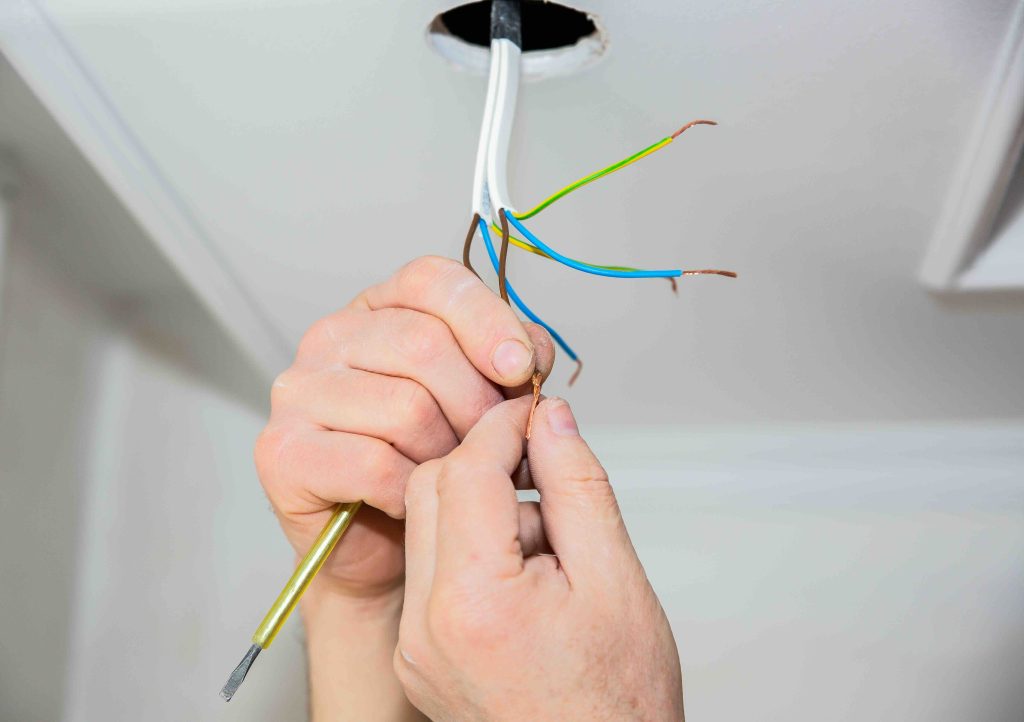
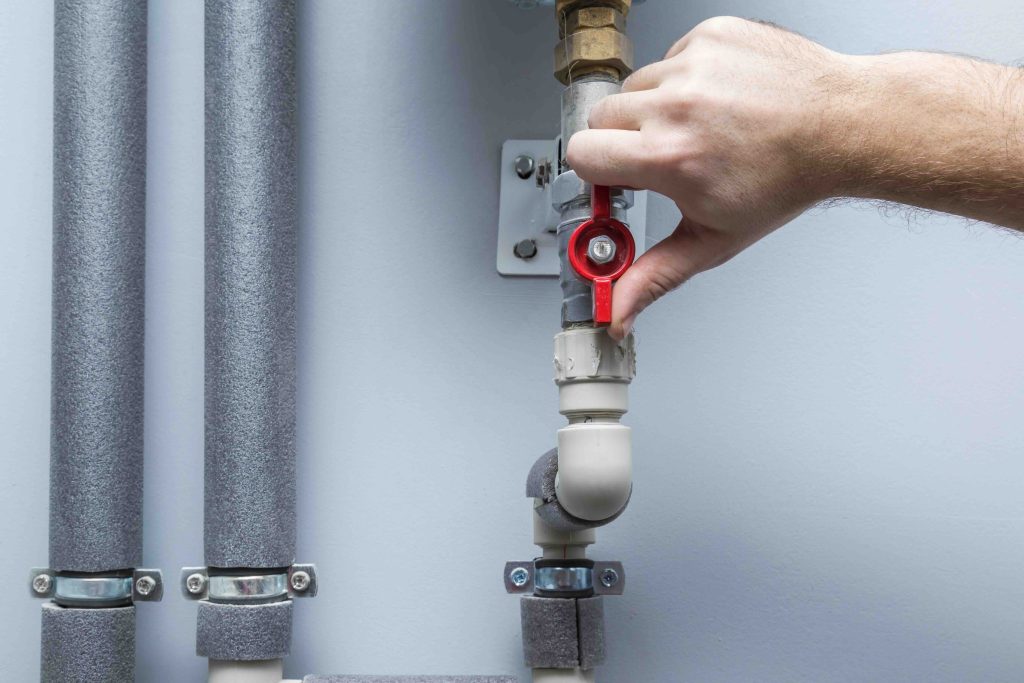
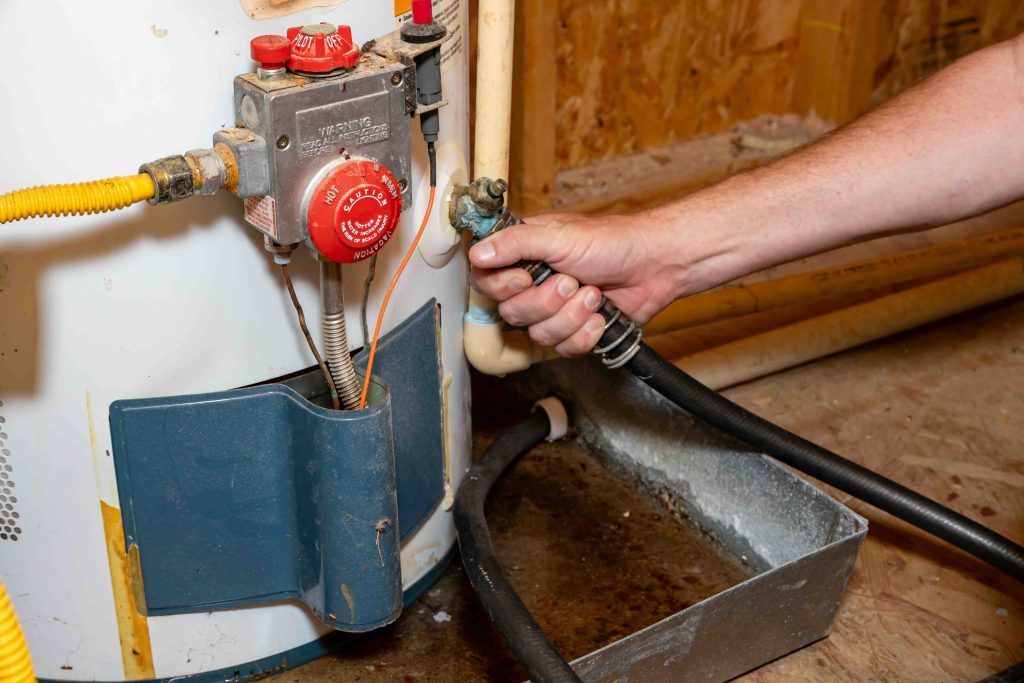
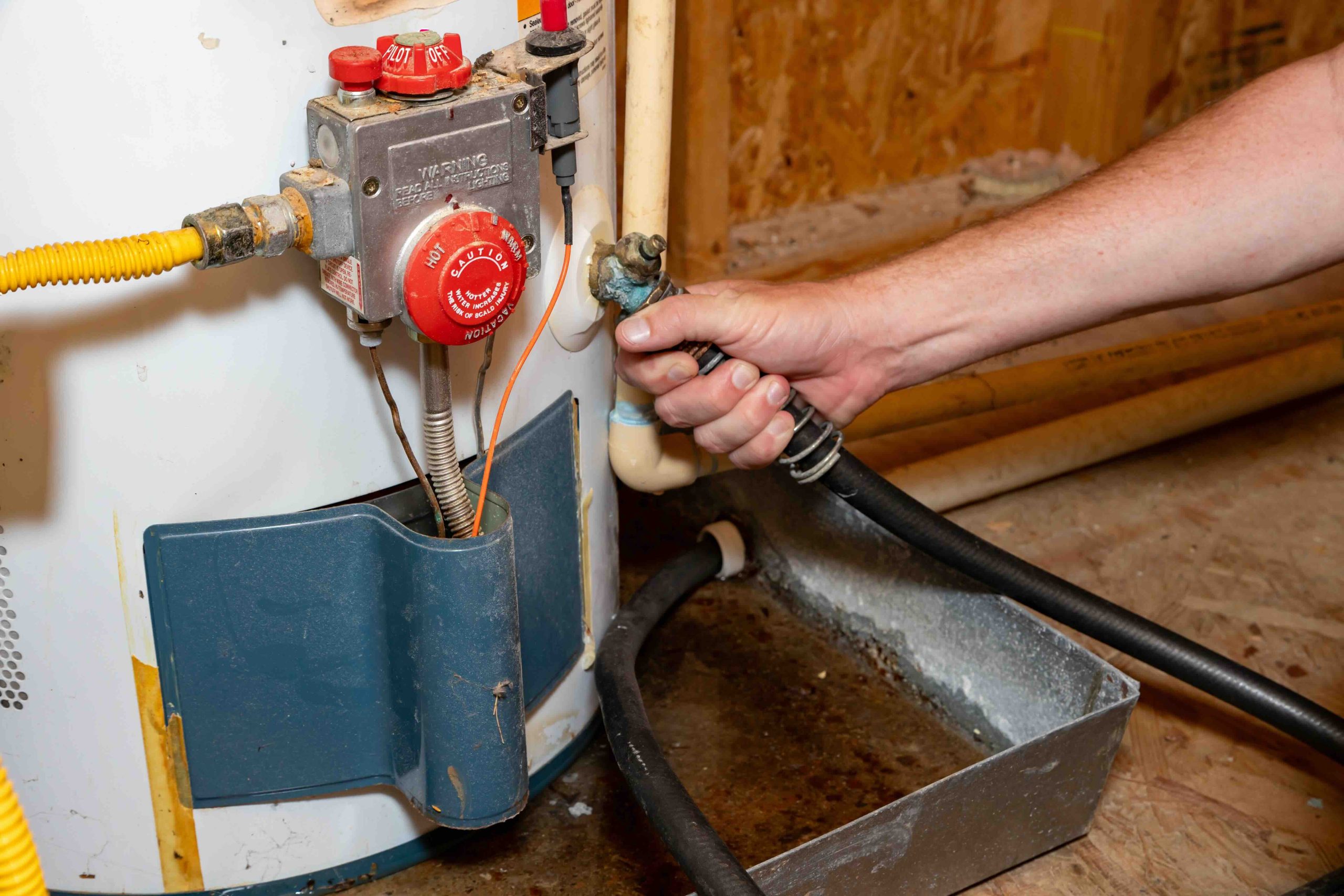
Speed comes from preparation. If you know what you are doing before you start, the whole process can take under an hour for most standard tank water heaters. Begin by turning off the power source. For electric water heaters, switch off the breaker dedicated to the unit. For gas water heaters, turn the thermostat to the pilot setting rather than fully off. Next, shut off the cold water supply valve located at the top of the unit. Then connect your garden hose to the drain valve at the base of the tank and run the other end to a safe drainage location, somewhere the hot water can flow without causing damage. Open a hot water faucet somewhere in the house to allow air into the system, which speeds up drainage significantly. Finally, open the drain valve and let gravity do the work. Once the water runs clear and the flow slows, close the drain valve, remove the hose, turn the cold water supply back on, let the tank refill completely, and then restore power. That is it.

Common Mistakes Homeowners Make When Draining a Water Heater
Even a simple process has room for error. One of the most frequent mistakes is forgetting to turn off the heating element before draining. Running an electric water heater without water inside can destroy the heating element almost instantly. Another common issue is using a drain hose that is too short, which results in hot water pooling in the wrong place. Some homeowners also open the drain valve before attaching the hose, which creates an obvious and avoidable mess. Finally, people often forget to open a hot water faucet inside the house first, which creates a vacuum and slows or completely stops drainage. Avoiding these mistakes keeps the process fast and clean.
What to Do When the Drain Valve Will Not Open or Leaks
Older water heaters sometimes have plastic drain valves that have not been opened in years. They can be stuck, corroded, or just stubborn. If the valve will not budge, do not force it to the point of breaking. Apply steady, gentle pressure and give it time. If the valve opens but continues to drip after you close it, that is a sign it needs to be replaced. Replacement drain valves are inexpensive and widely available at hardware stores. A leaking drain valve left unaddressed is a small problem that can turn into a larger water damage situation, so it is worth fixing promptly. This is also where having a home warranty in place starts to become relevant, because water heater components and failures can qualify for coverage depending on your plan.
Key Benefits of Draining Your Water Heater Regularly
The payoff for regular draining is real and measurable. Here is what consistent maintenance actually delivers:
- Improved energy efficiency as the unit heats water without fighting sediment
- Longer equipment lifespan, often adding years to a tank that might otherwise fail prematurely
- Better water quality at the tap, particularly for households with older plumbing
- Reduced risk of unexpected breakdowns during peak usage seasons
- Lower repair costs over time since sediment-related damage is largely preventable
None of these benefits require a contractor or a significant investment of time. Annual draining is genuinely one of the highest return-on-effort maintenance tasks a homeowner can do.
When Draining Is Not Enough and Replacement Becomes the Conversation
At some point, no amount of draining extends the inevitable. Most traditional tank water heaters last between eight and twelve years. If yours is approaching that range and you are noticing rust-colored water, persistent leaks around the base, or inconsistent heating that does not improve after flushing, it may be time to consider replacement rather than continued maintenance. Replacement is a significant expense, typically ranging from several hundred to over a thousand dollars depending on the unit and installation complexity. Understanding your options ahead of that moment, rather than during a cold-water emergency, puts you in a far better position to make a smart decision.
How Armadillo Helps Protect Your Water Heater Investment
Water heater failures rarely send a warning. One day it works fine, and the next morning there is no hot water or there is standing water where there should not be. That kind of unexpected repair cost is exactly what a home warranty is designed to address. Armadillo home warranty plans that cover water heater repairs and replacements are built around the reality of how home systems actually break down. Coverage is straightforward, claims are handled without unnecessary friction, and the plans are priced to make sense for real homeowners managing real budgets. Whether your water heater is five years old or approaching the end of its expected life, having coverage in place means you are not absorbing the full cost of failure on your own. You can get a free home warranty quote for water heater coverage and more in just a few minutes, which is a small investment of time that could save you a significant amount of money when your water heater decides it is done.

Frequently Asked Questions About Draining a Water Heater
These are the questions homeowners ask most often when learning how to drain a water heater quickly and safely.
How long does it take to drain a water heater?
Most standard 40 to 50 gallon water heaters take between 20 and 45 minutes to fully drain, depending on sediment levels and water pressure. Opening a hot water faucet inside the house before draining significantly speeds up the process by relieving the vacuum inside the tank.
Do I need to turn off the water heater before draining it?
Yes, always. For electric units, shut off the breaker before draining to prevent the heating element from running dry and burning out. For gas units, turn the thermostat to the pilot setting rather than completely off.
Can I drain a water heater myself or do I need a plumber?
Most homeowners can drain a water heater without professional help. The process requires no specialized tools and involves straightforward steps. A plumber is generally only needed if the drain valve is broken, the tank has significant corrosion, or other complications arise.
How do I know if my water heater has too much sediment buildup?
Common signs include a popping or rumbling noise during heating cycles, inconsistent water temperature, reduced hot water capacity, and visible rust or discoloration in your hot water. These are indicators that sediment has been accumulating and a flush is overdue.
What should I do if the drain valve leaks after I close it?
A leaking drain valve after closure typically means the valve seal has deteriorated and needs to be replaced. Replacement valves are inexpensive and available at most hardware stores. This is not a repair to ignore, as even a slow drip can cause water damage over time.
Is draining a water heater the same as flushing it?
They are related but slightly different. Draining removes all water from the tank. Flushing involves running fresh cold water through the tank while the drain is open to stir up and expel sediment more effectively. A full flush is more thorough than a simple drain and is generally the preferred method for maintenance.
How much water comes out when I drain a water heater?
The volume depends on the size of your tank. A standard 40 gallon tank releases approximately 40 gallons during a full drain, while a 50 gallon unit releases up to 50 gallons. Plan your drainage destination accordingly so you are not flooding a small space.
Will draining my water heater fix the popping sound it makes?
In many cases, yes. That popping or rumbling sound is typically caused by water bubbling through a layer of sediment at the bottom of the tank. Flushing the sediment out often reduces or eliminates the noise entirely.
Does a home warranty cover water heater problems caused by sediment buildup?
Coverage varies by provider and plan. Some home warranties cover mechanical failures of water heater components but exclude damage resulting from a lack of maintenance. Reading your plan details carefully is important, and choosing a provider with transparent terms helps avoid surprises at claim time.
How do I know when it is time to replace my water heater instead of just draining it?
If your water heater is more than ten years old, showing signs of rust or corrosion, leaking from the tank itself rather than a fitting, or failing to heat water adequately after a flush, replacement is likely the more practical and cost-effective path forward compared to continued repairs.