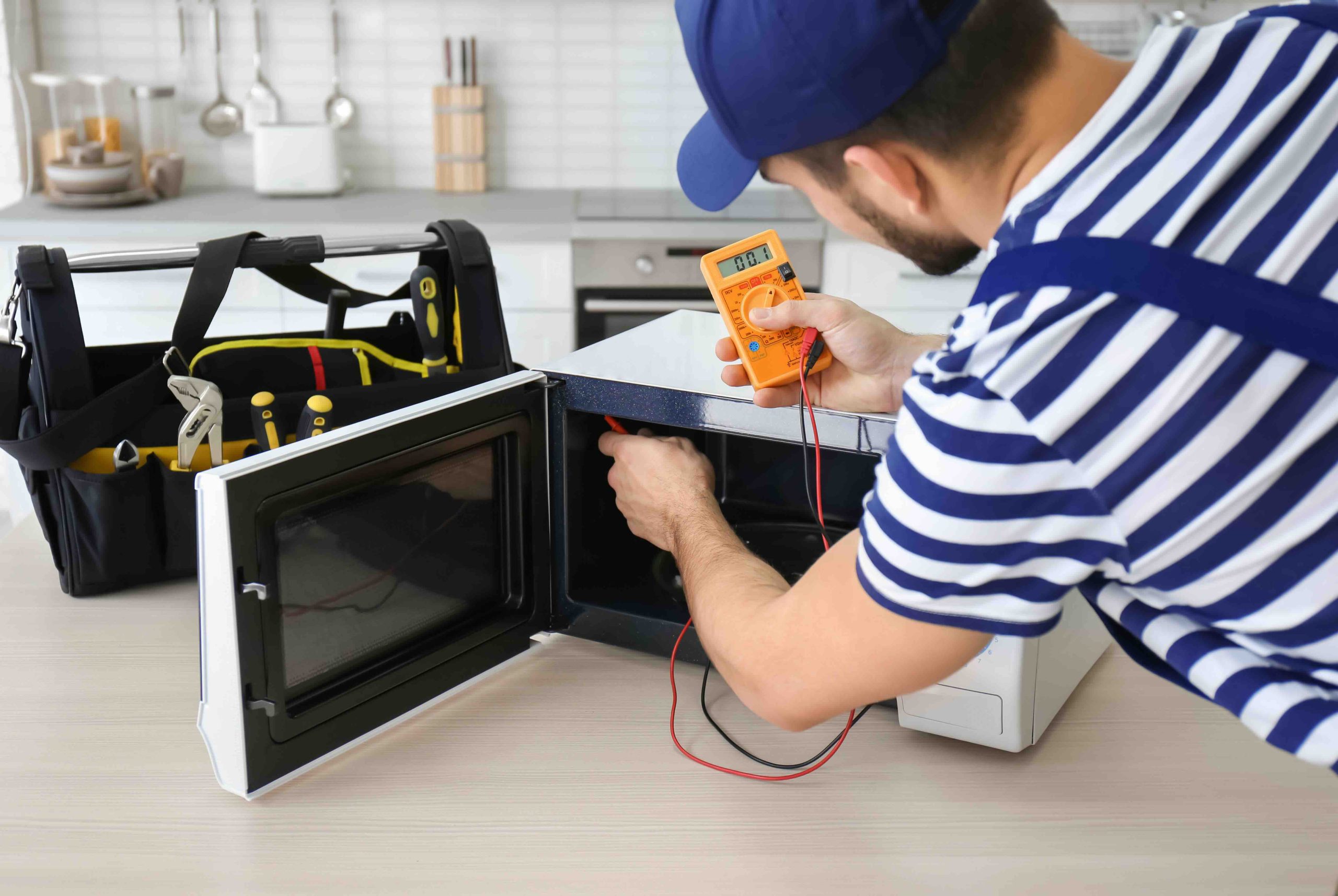
When Your Microwave Stops Heating: What It Means and What to Do Next
You put in the leftovers, press start, wait the usual two minutes, and reach in expecting warmth. Instead, you get a plate of cold food and a microwave that hummed like nothing was wrong. That gap between expectation and reality is one of the more frustrating kitchen moments a homeowner can experience. A microwave that runs but does not heat is a surprisingly common appliance problem, and it tends to catch people off guard precisely because the machine seems to be working fine on the surface. Understanding what is actually happening inside the unit, and what your options are when it fails, puts you in a much better position to respond without panic or overspending.
How a Microwave Actually Heats Your Food
Before diving into what goes wrong, it helps to understand what is supposed to go right. A microwave oven works by converting electrical energy into microwave radiation using a component called a magnetron. That radiation causes water molecules inside your food to vibrate rapidly, generating heat through friction. The process is fast and efficient, which is why microwaves became a kitchen staple in the first place. Supporting the magnetron is a collection of components that includes a high-voltage diode, a capacitor, a transformer, and a thermal cutoff fuse. Each of these plays a role in delivering the right amount of energy to power the heating process. When any one of them fails, the microwave can continue operating in every other way, running the turntable, displaying the timer, making all its usual sounds, while completely failing to heat.
Common Reasons a Microwave Stops Heating
There is rarely one single culprit when a microwave quits heating, but certain components fail more often than others. Knowing what typically causes the problem helps you have a more informed conversation with a technician and avoid being surprised by a repair estimate.
- Magnetron failure: This is the most frequent cause. The magnetron is the core heating component, and when it burns out, no heat is produced regardless of how the rest of the unit performs.
- High-voltage diode failure: The diode converts power to the high voltage the magnetron requires. A failed diode often produces a loud hum during operation but delivers zero heat.
- Blown thermal fuse or cutoff: These safety components protect the microwave from overheating. Once they trip or burn out, they interrupt power to the heating circuit entirely.
- Capacitor issues: The capacitor stores and releases electrical charge as part of the heating cycle. A faulty capacitor can disrupt this cycle without visibly affecting the appliance otherwise.
- Door switch malfunction: Microwaves have multiple door interlock switches. If one fails, the unit may appear to run but will disable the magnetron as a safety precaution.
Why This Problem Is Easy to Misread
Part of what makes a non-heating microwave tricky is that it does not behave the way most broken appliances do. It does not go dark. It does not make strange noises, at least not always. It just quietly stops doing its actual job while appearing completely functional. Homeowners often assume the issue is user error at first, cycling through different settings or checking the power outlet before accepting that the appliance itself has failed. This delay is understandable, but it also means the window for quick, inexpensive repairs can close before anyone even calls a technician. Getting ahead of it matters.
Repair or Replace: How to Decide
This is the question that follows every appliance breakdown, and with microwaves, the answer depends heavily on a few key factors. Age is the first consideration. Most microwaves are designed to last between seven and ten years with regular use. If your unit is approaching or past that range, repair costs may not be worth it. The second factor is the specific component that failed. Replacing a door switch is relatively affordable. Replacing a magnetron, by contrast, can cost anywhere from one hundred fifty to three hundred dollars in parts and labor alone, which often pushes the total repair cost close to or above the price of a new mid-range microwave. The general rule used in the appliance industry is that if a repair costs more than fifty percent of the replacement cost, it makes more financial sense to replace the unit. That threshold shifts depending on the quality of the original appliance, but it is a reliable starting point for most homeowners.

Safety Considerations Before Attempting Any DIY
Microwave repair is not a typical DIY project, and that point deserves emphasis. The capacitor inside a microwave can store a lethal electrical charge even when the unit is completely unplugged. Discharge does not happen automatically or quickly. Without proper training and equipment, opening a microwave for anything beyond cleaning or filter replacement puts you at serious risk. This is not cautionary boilerplate. It is a genuine safety concern that has resulted in injuries even among people who consider themselves handy. Unless you have specific experience with high-voltage electronics, the interior of a microwave should be treated as off-limits and left entirely to a qualified technician.
What to Expect During a Professional Microwave Repair
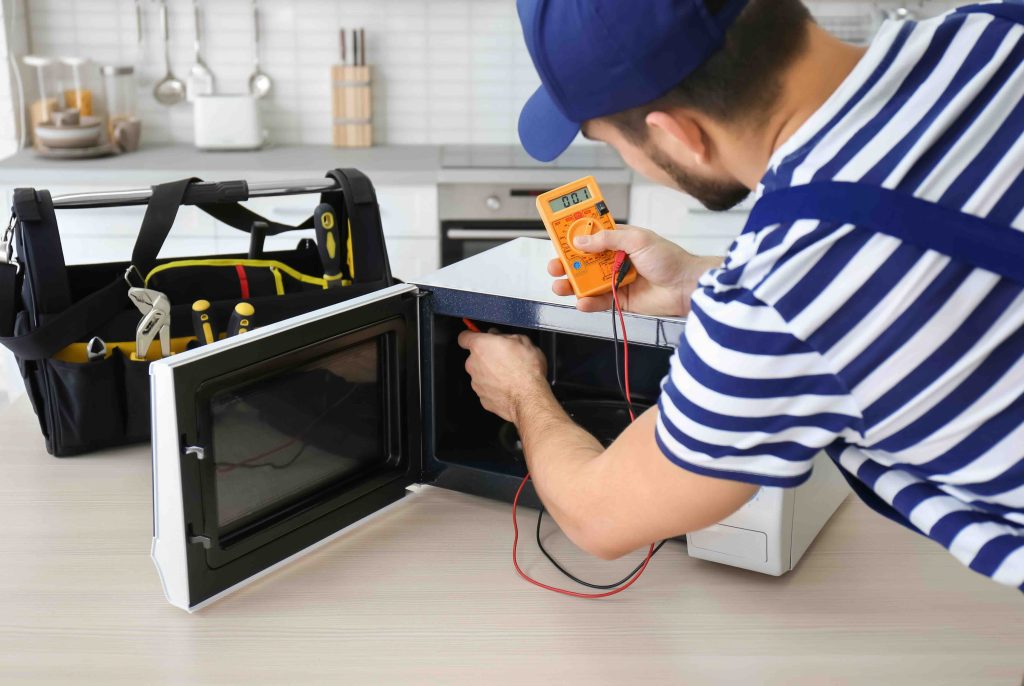
When a technician arrives to assess a non-heating microwave, the diagnostic process usually begins with the door switches since they are accessible and easy to test. From there, the technician will check the thermal fuse, the diode, and the capacitor before testing the magnetron itself. A complete diagnostic typically takes thirty to sixty minutes depending on the unit and the technician’s experience. If the magnetron has failed, some technicians will recommend replacement over repair on the spot, particularly for older units. If a simpler component is the issue, repair can often be completed during the same visit. Ask for a written estimate before authorizing any work, and confirm whether the quoted price includes both parts and labor.
How to Extend the Life of Your Microwave
Prevention is always a better position than repair. A few consistent habits can meaningfully extend the operational life of your microwave and reduce the likelihood of component failure over time.
- Never run the microwave empty. Operating without food inside forces the magnetron to absorb its own energy, which accelerates wear significantly.
- Keep the interior clean. Food residue causes uneven energy absorption and can lead to arcing, which damages internal components.
- Use microwave-safe containers only. Metal and certain plastics can interfere with the microwave’s internal function and cause damage over time.
- Avoid slamming the door. The interlock switches are sensitive, and repeated impact is one of the primary causes of door switch failure.
- Check and clean the air vents regularly. Blocked vents cause overheating, which triggers the thermal cutoff fuse and can lead to more serious internal damage.
The Financial Reality of Appliance Breakdowns at Home
Appliance failures rarely come at convenient moments, and the cost of repairs can be disruptive when they arrive unexpectedly. A microwave repair might seem minor in isolation, but most homeowners are managing multiple appliances simultaneously, and the cumulative cost of breakdowns over the course of a year adds up quickly. This is precisely the context in which a home warranty becomes worth examining. Rather than absorbing individual repair or replacement costs out of pocket each time something fails, a home warranty plan creates a predictable monthly expense that covers a defined set of appliances and systems. The financial model is straightforward, but the value varies considerably depending on the provider and the specific coverage terms.
Why Armadillo Is Worth Considering When Your Appliances Break Down
When a microwave stops heating and the cost of repair starts to feel unreasonable, having reliable coverage already in place changes the entire conversation. Armadillo was built with exactly this kind of situation in mind. The company offers home warranty coverage designed to protect the appliances and systems homeowners actually rely on, without layers of confusing exclusions or slow service that makes a stressful situation worse. If you are looking for a home warranty plan that covers kitchen appliances and everyday home systems, Armadillo brings a straightforward, transparent approach that stands out in an industry not exactly known for clarity. Coverage is real, service is fast, and the process of getting started does not require navigating a wall of fine print. You can get a free home warranty quote for appliance repair coverage including your microwave in just a few minutes and see exactly what protection looks like before committing to anything. When the next unexpected breakdown happens, and statistically it will, being covered is a much better position than scrambling for cash or settling for a repair that barely makes sense financially.

Frequently Asked Questions About Microwaves That Stop Heating
Why is my microwave running but not heating anything?
When a microwave runs normally but produces no heat, the most common cause is a failed magnetron, which is the core component responsible for generating microwave radiation. Other possibilities include a blown thermal fuse, a faulty high-voltage diode, or a malfunctioning door interlock switch. A professional technician can diagnose the exact component through a systematic inspection.
Is it safe to use a microwave that is not heating?
A microwave that fails to heat is not immediately dangerous to operate in the sense of causing a fire, but continuing to run it repeatedly without resolving the underlying issue can cause additional internal damage. It is best to stop using the unit and have it inspected before attempting further operation.
How much does it cost to repair a microwave that stopped heating?
Repair costs vary widely depending on the failed component. Minor repairs such as door switch replacement may cost between fifty and one hundred dollars. Magnetron replacement, which is the most expensive common repair, can range from one hundred fifty to three hundred dollars or more including labor.
How long should a microwave last before needing replacement?
The average lifespan of a residential microwave is between seven and ten years with normal use. Over-the-range and built-in models may last slightly longer due to their construction. Units that are used heavily, cleaned infrequently, or operated improperly may fail sooner.
Can a microwave be repaired if the magnetron fails?
Yes, a magnetron can be replaced, but the cost of the part and labor often makes this repair impractical for older or lower-cost units. For a high-end built-in or over-the-range microwave, magnetron replacement is more likely to be worthwhile given the higher cost of full replacement.
Does a home warranty cover microwave repairs?
Many home warranty plans include built-in microwaves as covered appliances, though coverage terms vary by provider. Countertop models are less frequently covered. It is important to review the specific appliance list and any exclusions before purchasing a home warranty plan to confirm what is included.
Why does my microwave make a loud humming noise when it fails to heat?
A loud humming sound during operation combined with no heat output is a strong indicator of a failed high-voltage diode. The diode is responsible for converting power for use by the magnetron, and when it fails, the resulting electrical imbalance produces that characteristic hum while the heating function is completely lost.
Can I replace a microwave door switch myself?
While door switches are more accessible than internal high-voltage components, microwave repair still carries serious electrical risk due to the capacitor, which retains a dangerous charge even when unplugged. Unless you have specific electronics repair experience, professional service is the recommended approach for any internal microwave repair.
What happens if I run a microwave with no food inside?
Running a microwave empty causes the magnetron to absorb its own microwave output, which generates excessive heat and significantly accelerates component wear. Even a short empty run can cause lasting damage. Always place food or a microwave-safe container of water inside before operating the unit.
When should I replace my microwave instead of repairing it?
The standard industry guideline is to replace rather than repair when the estimated repair cost exceeds fifty percent of the cost of a comparable new unit. Age is also a factor. A microwave that is eight or more years old and requires a major repair is generally a better candidate for replacement than one that is two or three years old with a minor issue.